Back Up and Restore HamoniKR Settings Without Missing Hidden Files
Save HamoniKR preferences to external storage, include hidden home folders, and choose a safe restore mode when moving to a fresh installation.
Have you ever stumbled upon the mysterious AppData folder while digging through your computer files or trying to get a Minecraft mod to work? Here's everything you need to know about the AppData folder in Windows.
What is the AppData folder?
By default, you will find the program's installation data in C:\ProgramFiles or C:\ProgramFiles (x86) unless a custom path is set during installation.
The AppData folder, short for Application Data, is where programs store data created for users. This includes temporary files, caches, browser sessions, mail storage, user history, etc. Additionally, each user on a PC has their own AppData folder.
This way, multiple users can save their preferences without affecting each other. If you've ever wondered where Windows stores program files and folders for different users on the same PC, now you know.
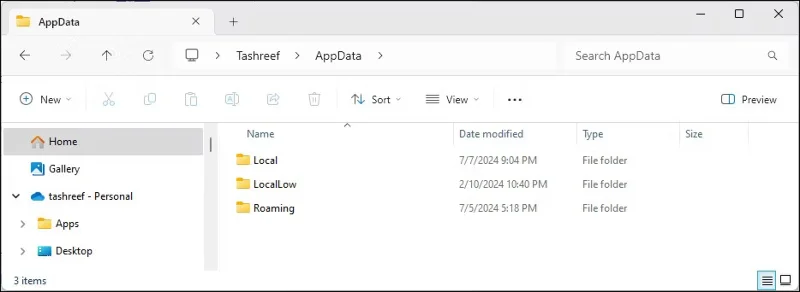
The AppData folder has three subfolders: Local, LocalLow, and Roaming. All three folders contain the same files, but serve different purposes:
While this is the intended purpose of these folders, it is ultimately the application developer who decides what data goes where. Therefore, you may find some application data in the Local folder and some data in the Roaming folder, depending on the developer's choice. However, this inconsistency usually does not affect the application's functionality.
How to Find the AppData Folder in Windows
The AppData folder is located in each user's profile folder in Windows. It's a hidden folder, so you need to be able to see hidden files to access it. Here's how to show hidden files in Windows:
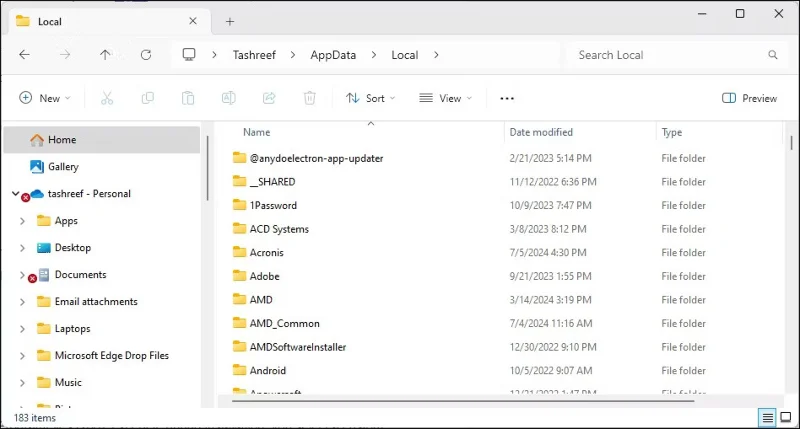
To view the AppData folder, open File Explorer and go to C:\Users\Username\AppData. Here, "Username" is your profile folder. For example, on this computer, the AppData folder is located at C:\users\Tashreef\AppData.
Alternatively, you can use the Run dialog box to access the AppData folder. Press Win + R to open the Run dialog box , type appdata and click OK.
Should I access the AppData folder?
The AppData folder is hidden by default for a good reason. Modifying files in this folder can cause your programs to run, lose saved data, and corrupt some of your system and personalization settings. In more serious cases involving modifications to the Users folder, you may need to reinstall Windows to get your computer working again.
That said, in some cases, it may be necessary to modify files in the AppData folder. This could be adding or removing game mods or deleting temporary files when the app is not running. If you decide to make any modifications, make a backup of the entire folder. That way, if something goes wrong, you can quickly restore the folder to undo any changes.
Save HamoniKR preferences to external storage, include hidden home folders, and choose a safe restore mode when moving to a fresh installation.
Install and configure xrdp on Pardus, choose the right Xfce session, restrict network access, and verify that remote login works.
Diagnose Pardus 23 APT connection failures, confirm the official yirmiuc sources, and restore apt update without bypassing package signature checks.
Configure printers on Harmonica OS using CUPS, compare driverless IPP with legacy drivers, and verify USB or network printing with a test page.
Use a recovery shell to set a new Harmonica OS root password, with checks for encrypted disks, read-only filesystems, and accounts that use sudo.
Trace whether clipping, ALSA format conversion, or HDA power saving is causing Ubuntu 24.04 audio distortion, then apply the matching reversible fix.
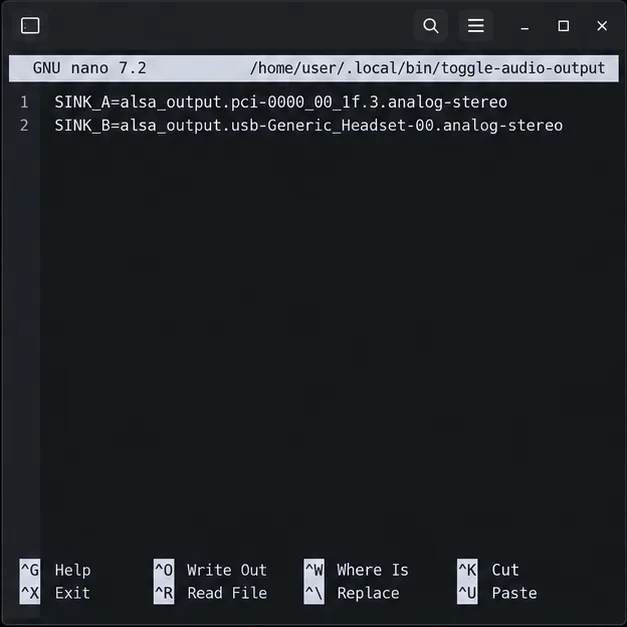
Switch Debian audio between named PipeWire outputs with a pactl script that updates the default sink and reroutes streams already playing.
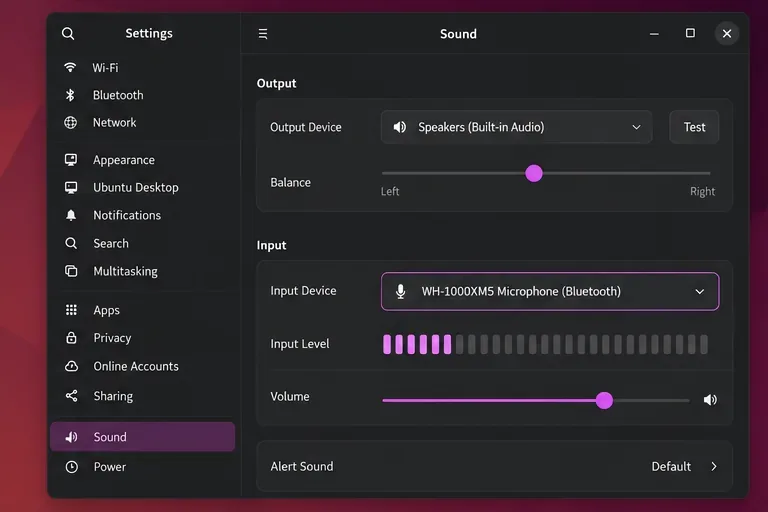
Get your Bluetooth headset mic working by selecting the right input, using a hands-free audio profile, and checking Ubuntu’s PipeWire route.
Learn why Flatpak apps may ignore Ubuntu 24.04 GTK themes and follow safe steps to check theme extensions, refresh Flatpak apps, and diagnose portal issues.
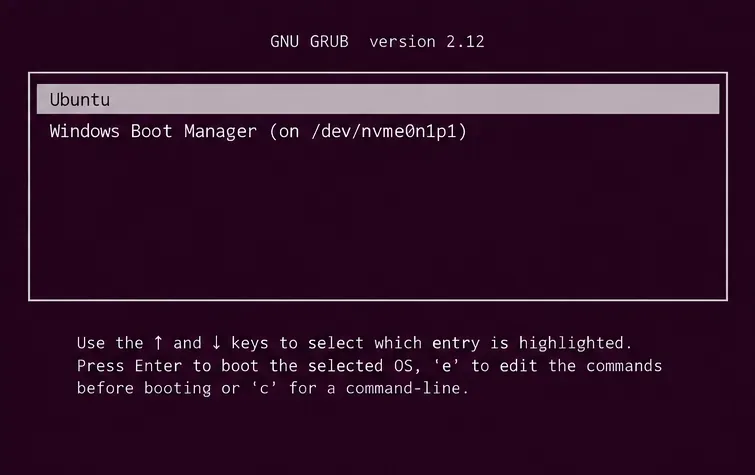
Install Ubuntu 24.04 alongside Windows 11 with BitLocker safely. Compare separate-drive and shared-drive paths, recovery keys, partitioning, and boot checks.