Set Up External TURN for Jitsi Behind NAT
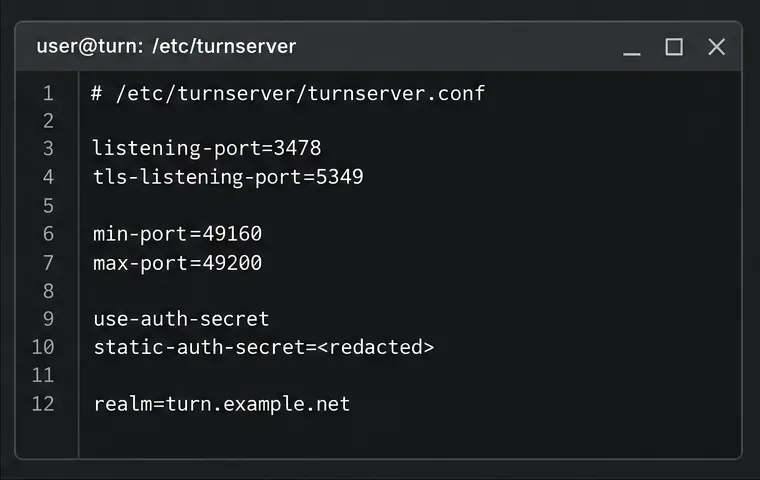
Configure coturn, NAT port forwarding, and Prosody so Jitsi can relay calls when direct media connections fail.
Every holiday season, headlines highlight a striking national contradiction: consumer sentiment reports reveal widespread frustration over elevated grocery tabs, rent increases, and persistent price levels, yet retail data concurrently records hundreds of billions of dollars spent across Black Friday, Cyber Week, and December storefronts. This tension between vocal frustration and massive consumer expenditure is not an accident—it is the direct product of cumulative price increases, economic stratification, behavioral economics, and cultural expectations. Follow this comprehensive step-by-step tutorial to audit your seasonal finances, understand why consumers spend despite inflationary pain, and protect your household balance sheet from the holiday inflation squeeze.
| Requirement | Specification |
|---|---|
| Tools & Materials | Banking/credit card portal access, spreadsheet or budgeting app, recent gift receipt tracker |
| Estimated Time | 30–45 minutes |
| Difficulty Level | Easy |
To diagnose holiday spending strain, begin by recognizing the distinction between "cooling inflation" and "falling prices." When official macroeconomic reports note that annual inflation has moderated, prices do not drop back to past baselines; rather, they continue rising at a slower clip. Because non-discretionary expenses—including housing, auto insurance, and groceries—have permanently adjusted upward over recent years, consumers feel an ongoing erosion of real purchasing power. Paradoxically, even when families purchase fewer aggregate goods or items than in prior years, higher retail price tags inflate the overall dollar sum registered at checkout registers.

National retail aggregates report top-line gross numbers that conceal a deep divide in consumer behavior. Household spending in the United States increasingly reflects a "K-shaped" economic reality:
Recognizing this economic divergence prevents households from comparing their personal financial reality to aggregate retail headlines.
Discretionary spending cuts are rarely applied uniformly across the calendar year. In behavioral economics, gift-giving is considered relatively price-inelastic because cultural traditions, familial bonds, and social expectations create intense pressure to maintain standard holiday celebrations. The psychological "warm glow" derived from providing presents for children and gathering relatives often supersedes logical penny-pinching. Many shoppers consciously cut back on personal discretionary spending throughout October and November specifically to protect their holiday gifting traditions.
Analyze how psychological fatigue influences current purchasing habits. Chronic cost-of-living fatigue frequently triggers "present bias"—a behavioral tendency to prioritize immediate emotional satisfaction and holiday cheer over future credit card bills due in January. Furthermore, when major milestone goals like purchasing a starter home appear temporarily out of reach due to elevated real estate costs and interest rates, consumers often redirect smaller pools of discretionary capital toward affordable luxuries, entertaining, and seasonal holiday purchases.
Instead of halting holiday purchases altogether, consumers respond to elevated prices by adapting their shopping mechanics. Take these concrete actions to stretch every holiday dollar:
Problem 1: Falling into the Buy Now, Pay Later (BNPL) Debt Snowball
Remedy: Short-term installment loans often obscure how much money has already been committed across multiple platforms. If you have several active BNPL plans, consolidate all remaining balances into a single tracking document and cease taking on new zero-interest micro-loans until existing installments are cleared.
Problem 2: Holiday Sales FOMO Forcing Unplanned Purchases
Remedy: Retailers deploy urgency counters and limited-time banners to accelerate purchasing decisions. Combat artificial urgency by instituting a mandatory 24-hour cooling-off rule on any non-essential item not explicitly written on your holiday gift list.
Problem 3: January Credit Card Statement Shock
Remedy: Transition to debit cards or cash envelope limits for holiday party supplies, grocery spreads, and miscellaneous stocking stuffers, ensuring everyday holiday extras do not accrue double-digit revolving credit card interest into the new year.
Why do retail reports show record sales if consumer confidence is low?
Because sales metrics measure nominal dollar volume rather than physical unit quantities. If merchandise costs 10% to 15% more across various categories, total national sales can hit record figures even if consumers are walking out of stores with fewer physical products.
Are Americans taking on more debt to afford holiday gifts?
Yes. Studies regularly show an uptick in credit card balances and short-term point-of-sale installment plans during the fourth quarter, as consumers leverage revolving credit to maintain holiday traditions amid higher everyday living expenses.
What is the most effective way to resist holiday spending pressure?
Establish transparent expectations with family and friends before the shopping season begins. Proposing gift lotteries (such as Secret Santa), homemade experiences, or clear spending caps removes mutual spending anxiety while preserving festive traditions.
Configure coturn, NAT port forwarding, and Prosody so Jitsi can relay calls when direct media connections fail.
Master a 5-step guide to understand holiday inflation spending, balance family traditions with budget realities, and safeguard your finances.
Install Jitsi Meet from its official Ubuntu packages, obtain a Let’s Encrypt certificate, open the right ports, and verify secure meetings.
Discover what happens behind the scenes of Giving Tuesday donations across 6 detailed steps, from payment gateways to matching fund delivery.
Reduce browser CPU spikes in Jitsi Meet by limiting incoming video, tuning camera use, checking hardware acceleration, and testing the result.
Set a meeting title, enable the logo area, and choose a default or per-meeting logo on a self-hosted BigBlueButton server.
Use this 4-step guide to compare AI shopping help with holiday sales, verify prices, and choose gifts with confidence this December.
Set up the Moodle activity, add the matching BigBlueButton endpoint and shared secret, then verify teacher, student, and media access.
Master U.S. holiday etiquette in 5 clear steps, avoiding conversation faux pas, tipping mistakes, and host blunders for a smooth, festive trip.
Point a Jitsi Meet Docker hostname to your server, configure PUBLIC_URL and HTTPS, then verify browser access and media.