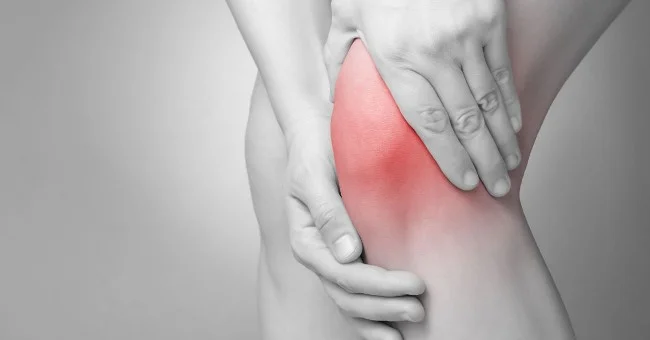
Pain in surgical wounds when the weather changes is a common symptom in many people. So why do wounds often hurt more than usual in the cold season? Let's find out the reason together!
Most people have the feeling that during the cold season, aches and pains heal slower and worse than usual. Even a little bump or a cut can make you miserable. Why is that?
The exact reason behind the link between cold weather and increased pain is not fully understood. Research to date has been inconclusive and largely speculative. There are several theories behind this phenomenon, including:
- Temperature – cold temperatures cause tissues to contract, putting pressure on nerves. Different tissues contract at different rates, such as scar tissue. This is why a previous injury site can be painful in cold temperatures.
- Pressure – air pressure drops in winter. With this drop, gas and fluid in the joints expand, which can put pressure on surrounding nerves and cause pain.
- Vitamin D – there is less daylight in the winter, which is essential for the production of Vitamin D. Vitamin D is used to maintain healthy bones and cartilage. So if you are deficient in Vitamin D, pain can be worse, especially for osteoarthritis patients.
- Other theories include: reduced exercise levels during the winter months, injury sites being more susceptible to cold, and also being more susceptible to pain from chronic illness.

In addition, in cold weather conditions, human muscles will contract, become stiffer and less flexible, and thus be easily injured.
Why do many people have joint pain in cold weather?
For some people, every time cold air comes, they have back pain, joint pain, neck pain... They can even predict cold weather by their own pain sensations and the lower the temperature, the worse the pain becomes. According to medicine, all of these symptoms are called cold pain paresthesia .

This is because cold temperatures cause the thickness of the synovial fluid to change, causing the tissues to contract and pull on nerve endings, causing pain in the joints. When the air pressure drops and is not strong enough to hold the tissues in place, the already sensitive tissues swell even more.
How to reduce pain in cold weather

- Keep your body warm so that the muscles and nerves inside do not get stiff.
- Stretch in the morning when you wake up and in the evening before going to bed to help relax your muscles after many hours of activity or staying in one position for a long time.
- Exercise regularly to keep joints flexible. In cold weather, people can exercise indoors.
- Swimming in warm water is a therapeutic treatment that helps relieve pain in the neck, back and joints.