Desk Decorating Ideas for a Spooky Office Cubicle
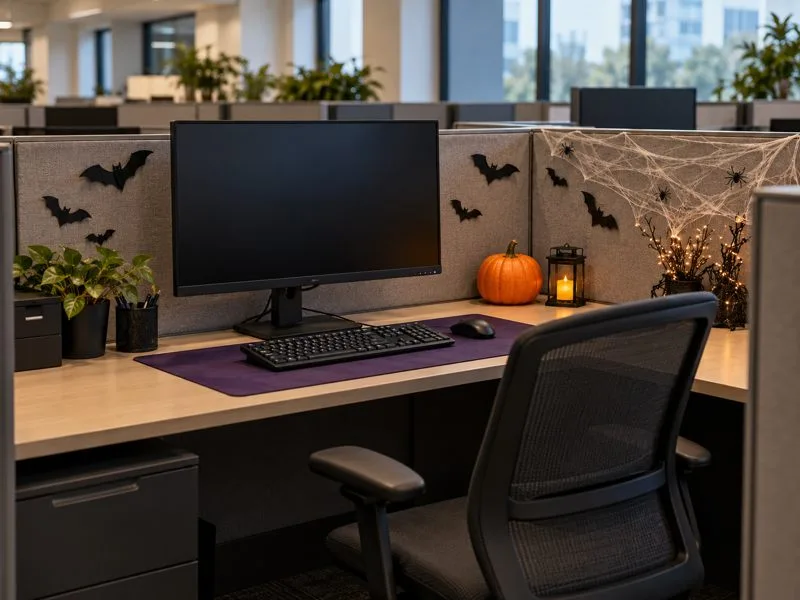
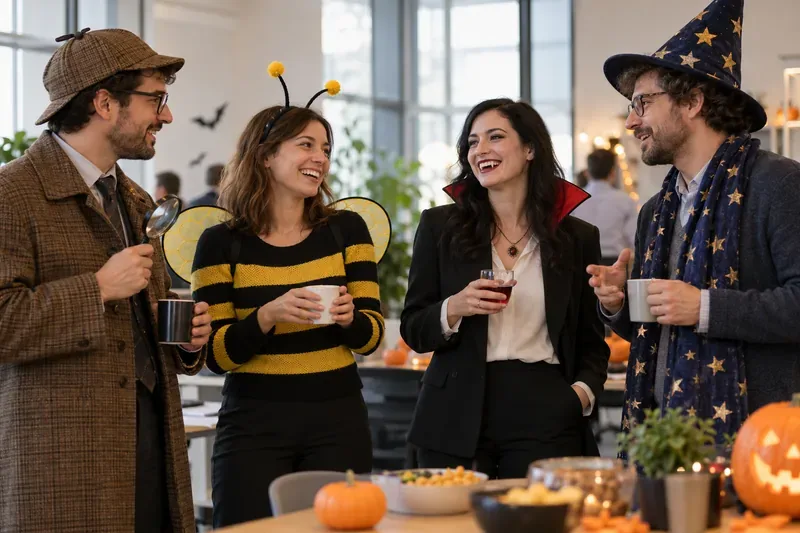
Create a spooky office cubicle with Halloween desk decor ideas that keep your workspace usable, tidy, and mindful of workplace safety.
When was the last time you scanned your system for malware? Even though you keep your computer updated and use anti-virus software , you need to remember that no software can guarantee 100% protection and regular system scans are necessary.
Why do you still find malware despite having antivirus software?
The threat landscape is constantly changing. Thousands of new malware appear every day, and cybercriminals make it their mission to come up with stealthy ways to avoid detection. More sophisticated malware—either new software or more sophisticated updates to existing software—is created specifically to bypass traditional detection methods.
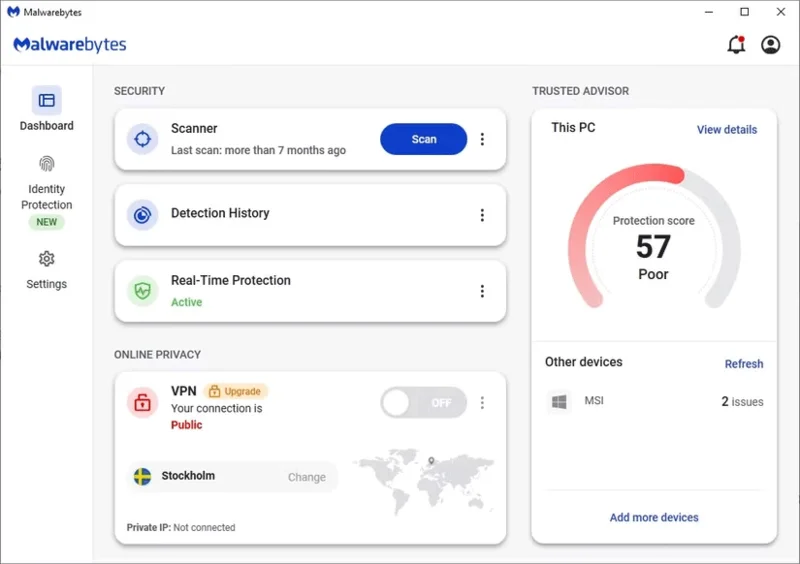
If your malware definitions are not updated, they will not be able to detect new malware that may have evaded your defenses. This is why it is important to keep your security software updated with the latest malware definitions. This way, you may be able to detect new malware in your system that you previously missed after your software is updated.
There is also a dangerous type of malware called stealth malware that can evade detection by antivirus software. It can lie dormant for long periods of time and only launch when certain conditions are met. It can slowly and stealthily steal data, gradually taking root before causing complete havoc on your computer.
According to Kaspersky, some extremely sophisticated hidden malware can mimic legitimate processes and camouflage itself in the system to avoid detection. Therefore, it is entirely possible to miss it in previous scans, when it is still in a dormant state, and appear in subsequent scans, after it has been launched in the system.
Types of antivirus scans
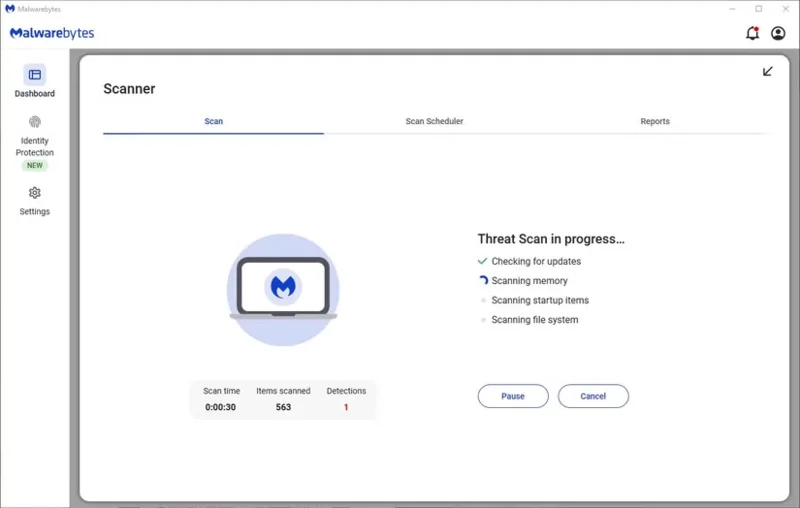
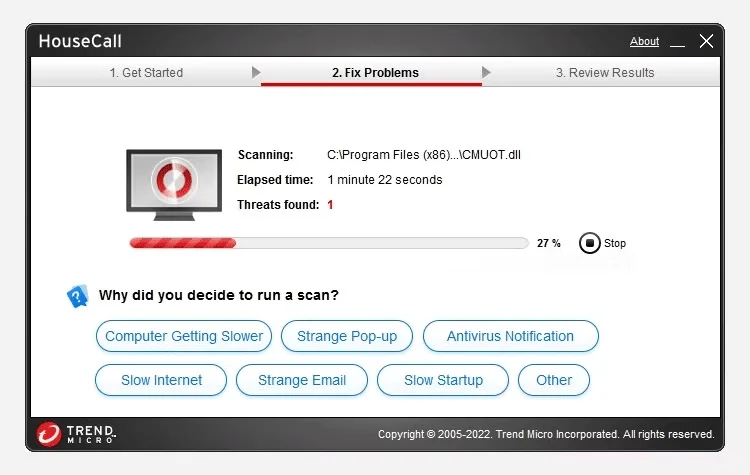
Here are the different types of antivirus scans you can perform to keep your system free of threats.
Typically, you would run one of these scans to check for malware on your system.
Keep your system virus free
In general, it is best to run a deep or full scan at least once a week and a quick scan daily to clean up your system. You can schedule a daily scan after work hours and a full scan on the weekends to minimize disruption. It is best to enable real-time scanning to detect threats before they enter your system.
Remember to keep your antivirus software up to date. Some antivirus software automatically checks for updates on a schedule that you can customize.
Doing a junk cleanup every two months to remove clutter that clogs up your hard drive will also help keep your system running smoothly and malware-free. This is one of the best ways to keep Windows clean and malware-free. Unused applications, obsolete or temporary files, duplicates, log files, caches, or backups can build up over time and take up disk space. Clearing these out will help keep your hard drive clean, reduce antivirus scan times because there are fewer files to process, and make it easier to spot suspicious files and programs.
Create a spooky office cubicle with Halloween desk decor ideas that keep your workspace usable, tidy, and mindful of workplace safety.
Plan a recognizable Halloween 2026 look with pop culture costumes inspired by Spider-Man, Supergirl, Toy Story 5, Moana, Mario, and Wednesday.
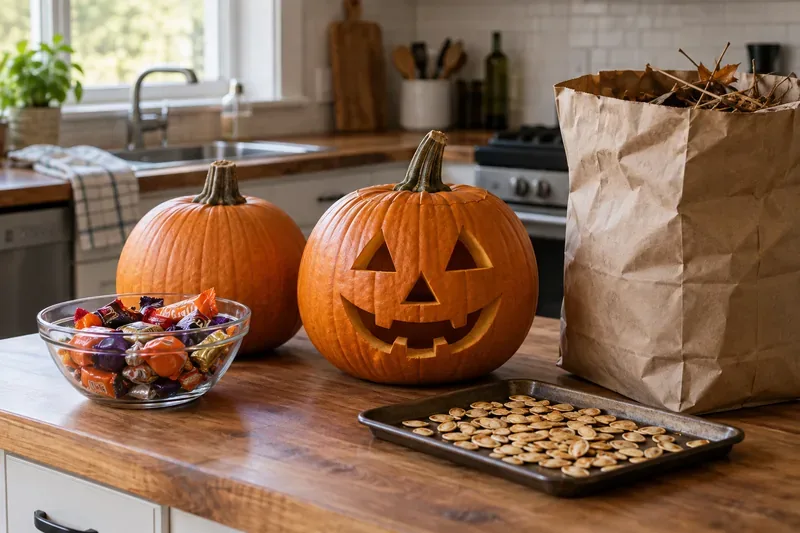
Sort leftover Halloween candy safely, share or repurpose sealed treats, and choose food use or compost for pumpkins based on their condition.
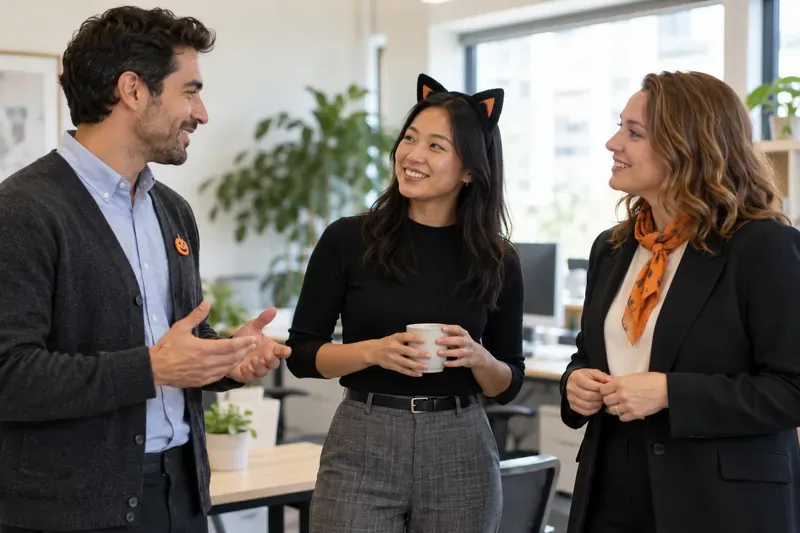
Compare workplace Halloween costume choices by respect, dress code, mobility, and safety—and learn when a subtle accessory or a policy check is the better option.
Find a couples costume that fits your style, budget, and comfort level, from Addams Family classics to original inside-joke duos.
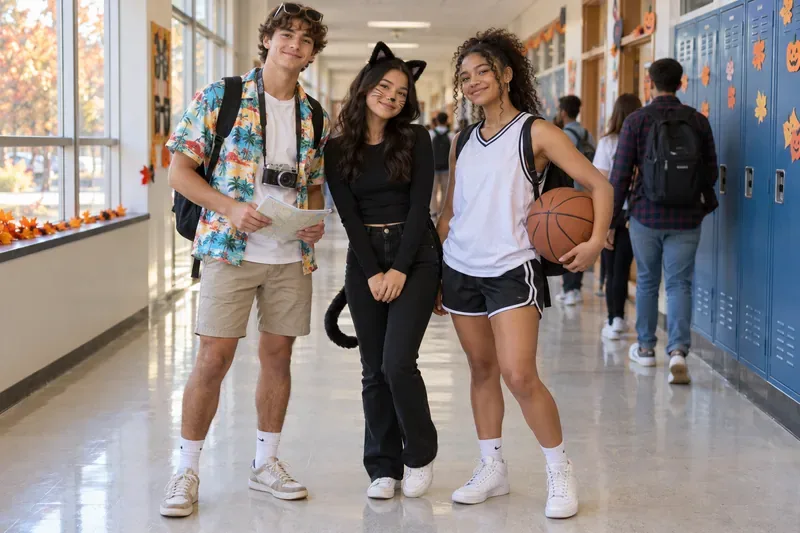
Need a last-minute high school Halloween costume? Compare 10 easy closet-based ideas by prep time, comfort, school-day practicality, and simple safety checks.
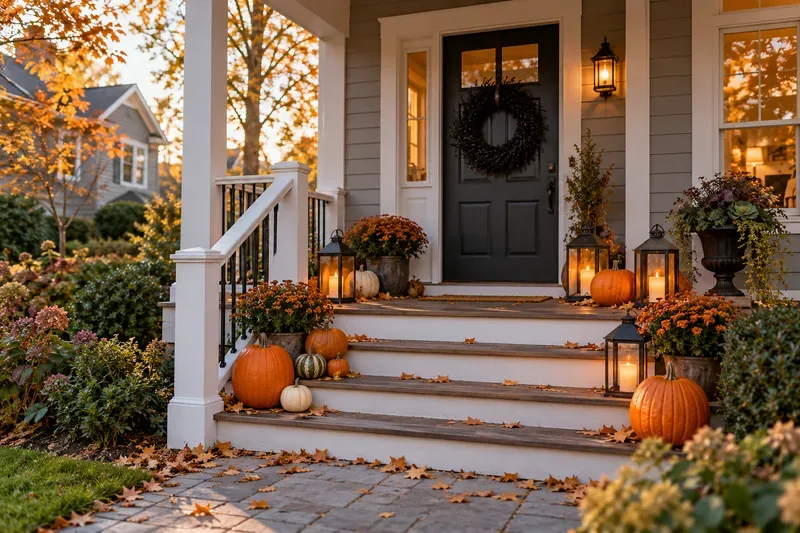
Use a simple 2026 Halloween decorating timeline for indoor décor, outdoor displays, and fresh pumpkins, with practical adjustments for weather and events.
Mix five vivid, approachable Halloween cocktails with measured recipes, simple prep tips, and an alcohol-free option for your party guests.
Find 15 office-friendly Halloween costume ideas for 2026, with practical checks for dress codes, respectful themes, comfort, and workplace safety.
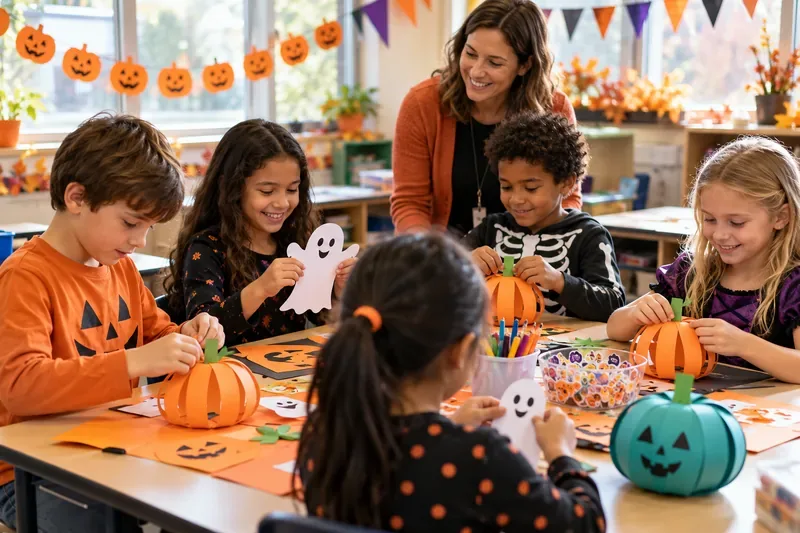
Plan a fun elementary school Halloween party with easy crafts, games, inclusive treats, costume tips, and a sample 75-minute classroom schedule.