How to Update Google Chrome Browser

Learn how to update Google Chrome browser on Windows, Mac, and Android in minutes to enjoy better security, speed, and new features. Follow these clear steps.
Most of us treat our smartphone's charging port as if its sole job is to keep the battery alive. But that little port is much more powerful than it's given credit for. Your phone can do a lot more than you expect if you know how to use it.
10. Flash drives and external hard drives
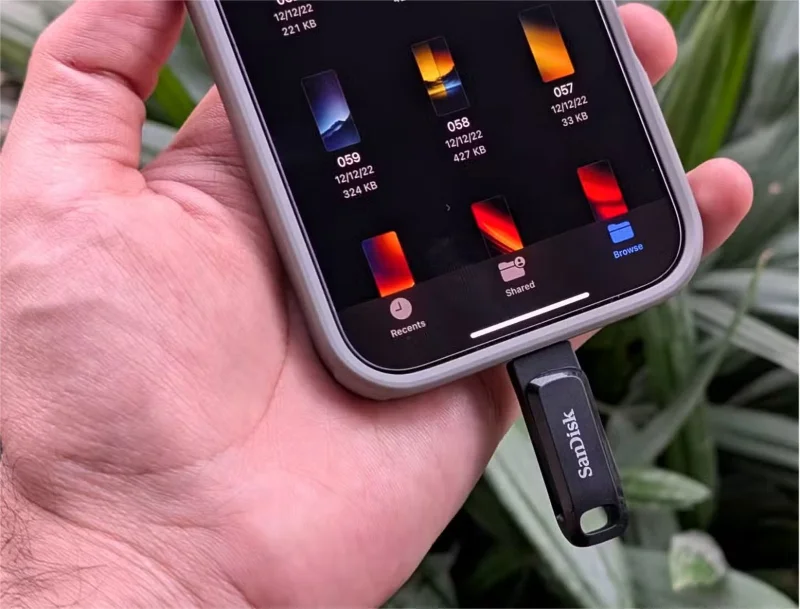
When your phone starts to struggle under the weight of thousands of photos, random downloads you don't remember saving, or large videos, sometimes the easiest fix is to plug in a flash drive or external hard drive and move the data to it. It's also incredibly handy when you want to quickly watch, read, or listen to something without having to bother with file transfers or cloud syncing. All you need is a USB OTG (On-The-Go) adapter—or, if your phone supports it, a USB-C flash drive.
External hard drives can be a little trickier. Most portable hard drives draw power directly from your phone, and unless you’re using something lightweight like the Samsung T7, your phone won’t have enough power to keep the drive spinning. In those cases, a self-powered drive (one that plugs into an outlet) is much more reliable. Additionally, a USB hub with a power supply can help bridge the gap if your drive doesn’t power directly.
9. Game controller
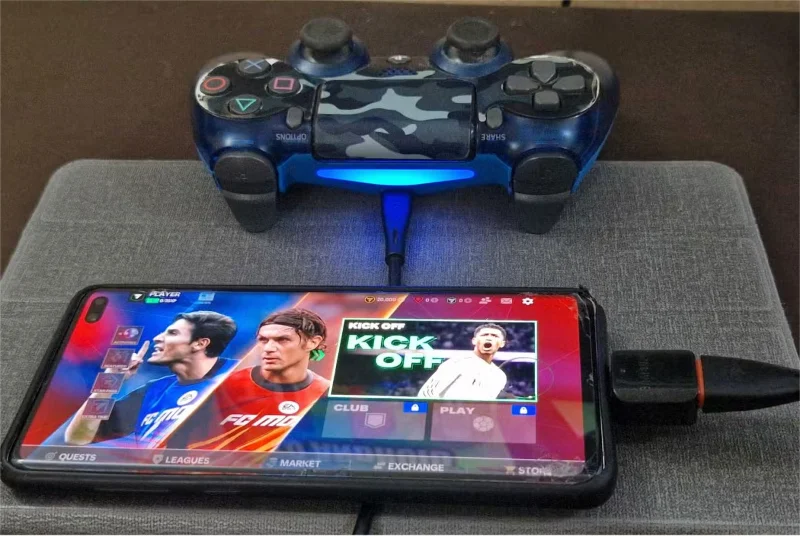
Mobile gaming is great fun, but touchscreen controls are rarely the best option. Thankfully, you can plug a game controller into your smartphone's charging port and instantly upgrade your experience. Whether it's an Xbox or PlayStation controller, all you need is the right USB cable for the controller and maybe an OTG adapter. You can also get a dedicated mobile controller that clips directly onto your phone.
8. Keyboard and mouse
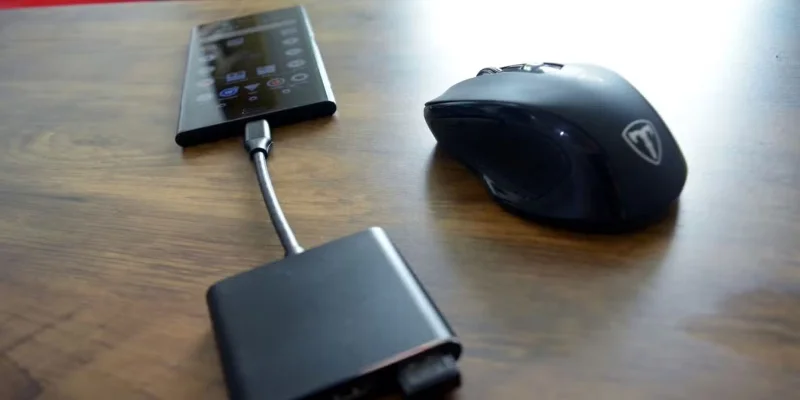
If you want to turn your phone into a computer, connecting a keyboard and mouse can make tasks like writing, emailing, and light spreadsheets much more comfortable. With a USB-C or Lightning-to-USB OTG adapter, you can plug wired peripherals directly into your phone's charging port.
Most USB keyboards and mice are plug and play on both Android and iOS, so no additional drivers are required.
7. Ethernet cable
When Wi-Fi fails or is unavailable, you can plug in an Ethernet cable to give your smartphone a stable, high-speed wired Internet connection.
To use it, you'll need a USB-C-to-Ethernet adapter for most Android phones and newer iPhones. If you have an older iPhone, you'll need a Lightning-to-Ethernet adapter. Your phone will automatically detect the connection and prioritize it over any wireless connections.
6. Projector
Many modern smartphones can push video out of their USB-C ports using something called DisplayPort Alt Mode. In simple terms, this allows you to connect your phone to a projector using a USB-C to HDMI (or even USB-C to VGA) adapter. In most cases, your phone will automatically detect the connection and start projecting its screen.
5. DSLR Camera
If you like to shoot on the go, you can transfer photos and videos from your DSLR directly to your phone using a USB-C or Lightning-to-USB adapter. With a camera-compatible cable, this transfer option allows for quick editing and sharing without having to wait for the files to return to your computer. However, you’ll need to confirm that your camera is powered on and supports USB transfer mode.
Many Android phones recognize connected cameras immediately, while iPhones support importing photos via the Photos app.
4. Printer
There are plenty of times when the option to print directly from your phone can be useful. Maybe someone sends you a document via WhatsApp or email and your computer is out of reach or you don't want to transfer the file to your PC first.
Most smartphones can automatically recognize USB printers, provided you're using the correct adapter.
3. MIDI Controller or audio interface
If you're into music production, you'll be glad to know that your smartphone can handle the same rigging you'd normally reserve for your laptop or desktop. Plug the controller's USB cable into the OTG adapter, then plug the adapter into your phone's charging port.
From there, you can launch a compatible app like GarageBand , Walk Band , BandLab , or FL Studio and adjust the settings to make sure the app detects your controller. Some apps will automatically recognize the controller, while others may require manual MIDI mapping.
2. External microphone
Depending on what type of microphone you have, there are a few ways to connect it to your phone. The easiest option is to use a microphone designed specifically for the phone port. These days, you’ll find quite a few high-quality USB-C and Lightning microphones (e.g., Mini Mic Pro, HEHOTTC M2 Mic, GoorDik Lavalier Mic, etc.) that are truly plug-and-play. Simply connect the microphone to your phone’s charging port and it will automatically override the built-in microphone. Your phone will immediately start using the external microphone as its main input without any special apps required.
1. TV or monitor
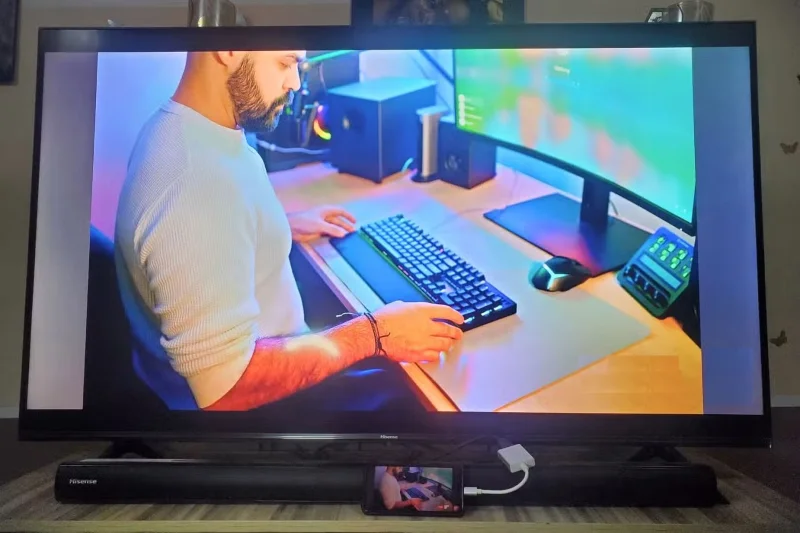
Connecting your phone to a TV or monitor works much like connecting to a projector, as mentioned above. The important thing to note is that your phone must support DisplayPort Alt Mode for this feature to work.
If you're using a Samsung Galaxy device, you're in for a great upgrade: Samsung DeX . It turns your phone's interface into a desktop-style workspace.
Learn how to update Google Chrome browser on Windows, Mac, and Android in minutes to enjoy better security, speed, and new features. Follow these clear steps.
Learn how to download old media from WhatsApp and recover photos or videos from past chats. Follow these clear steps to save files that no longer appear in your gallery.
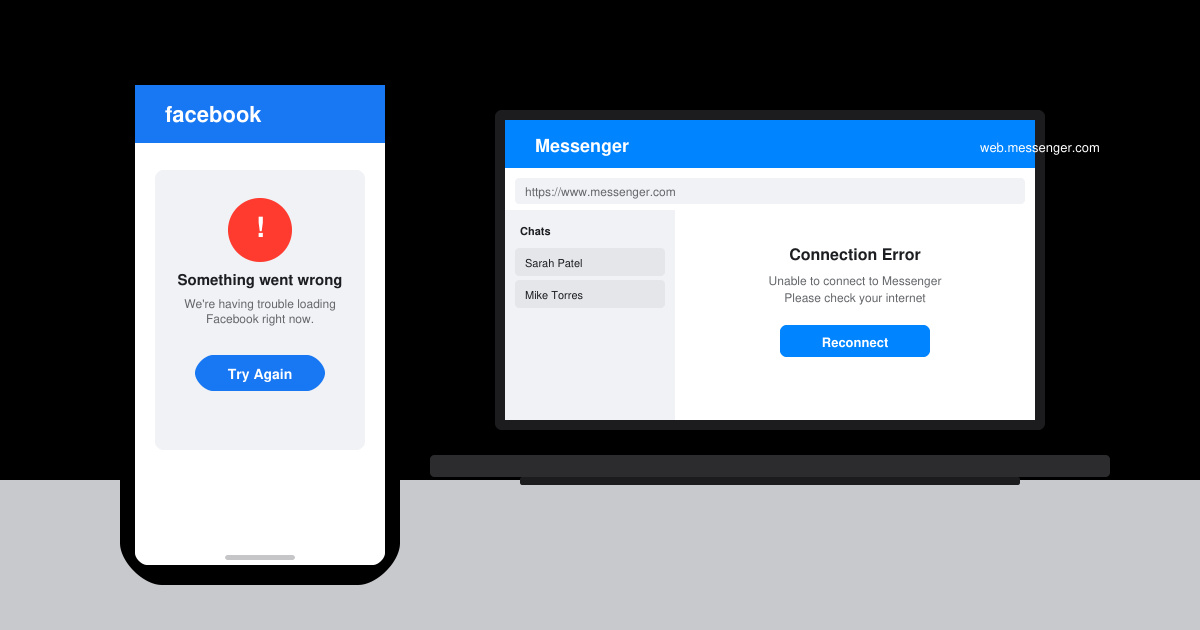
Facebook Messenger Isn T Working on your device? Use these exact troubleshooting steps to restore chats, calls, and notifications fast on Android, iOS, or desktop.
How to See Deleted WhatsApp Messages using your phone's built-in tools. Follow these exact steps to recover messages that contacts have deleted from chats.
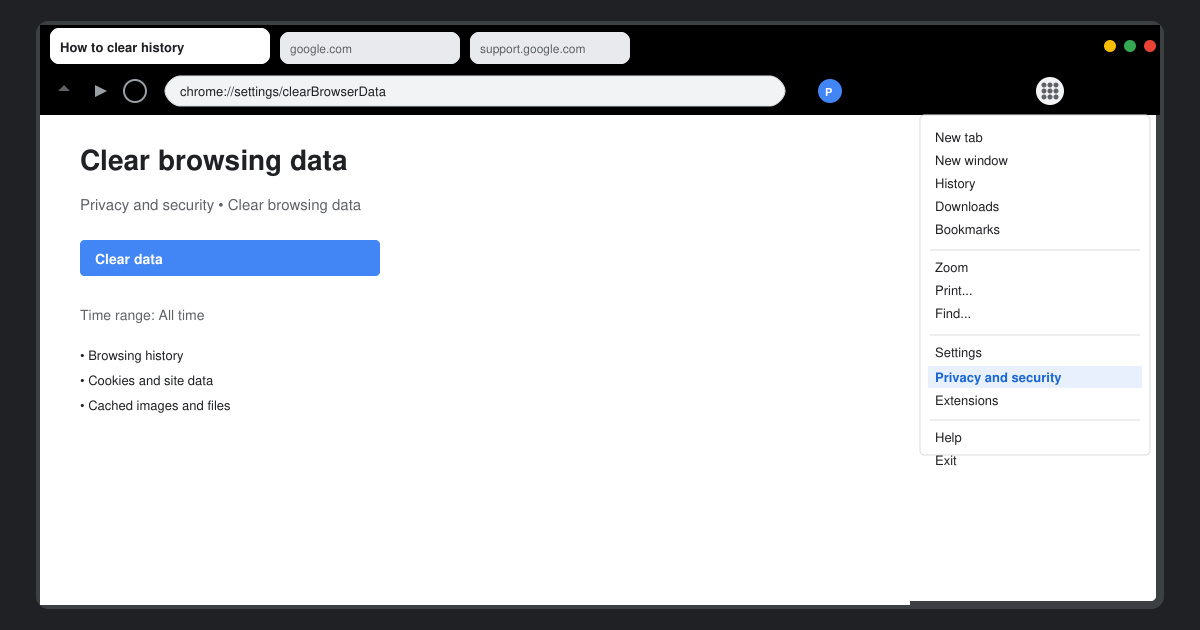
Learn how to clear browser history in Chrome on desktop and Android with this exact step-by-step process. Keep your browsing private and free up storage space quickly.
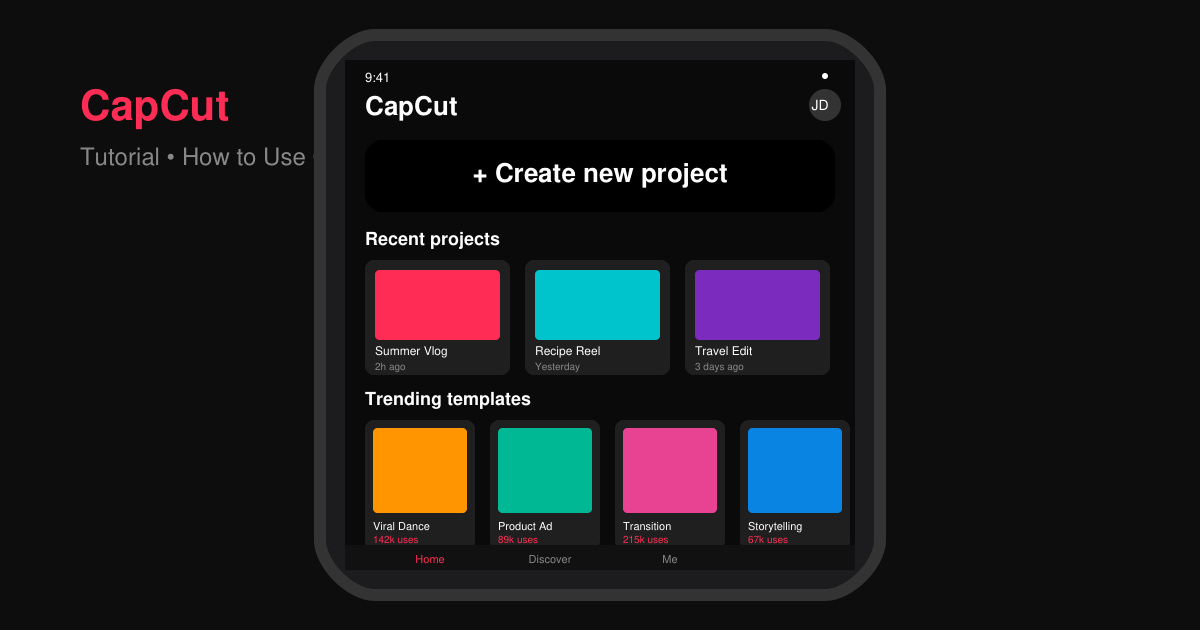
Master how to use CapCut with this practical walkthrough covering project setup, editing tools, effects, and export options for high-quality video results.
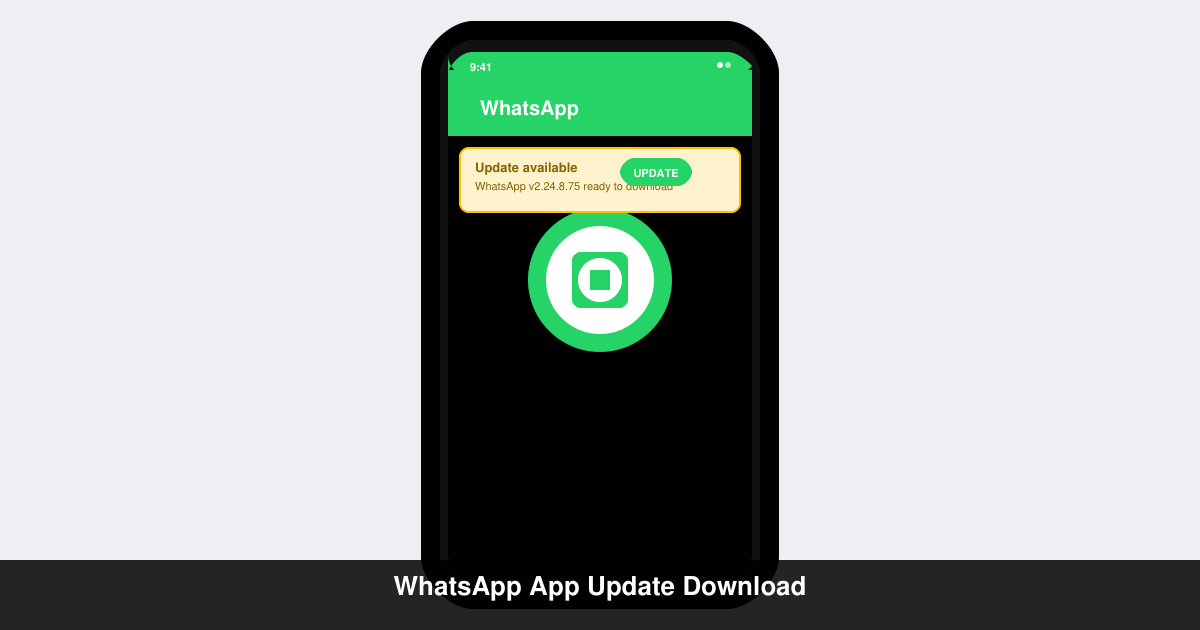
Get the latest WhatsApp App Update Download from official sources to access new features and security improvements. Follow these clear steps for Android and iOS devices.
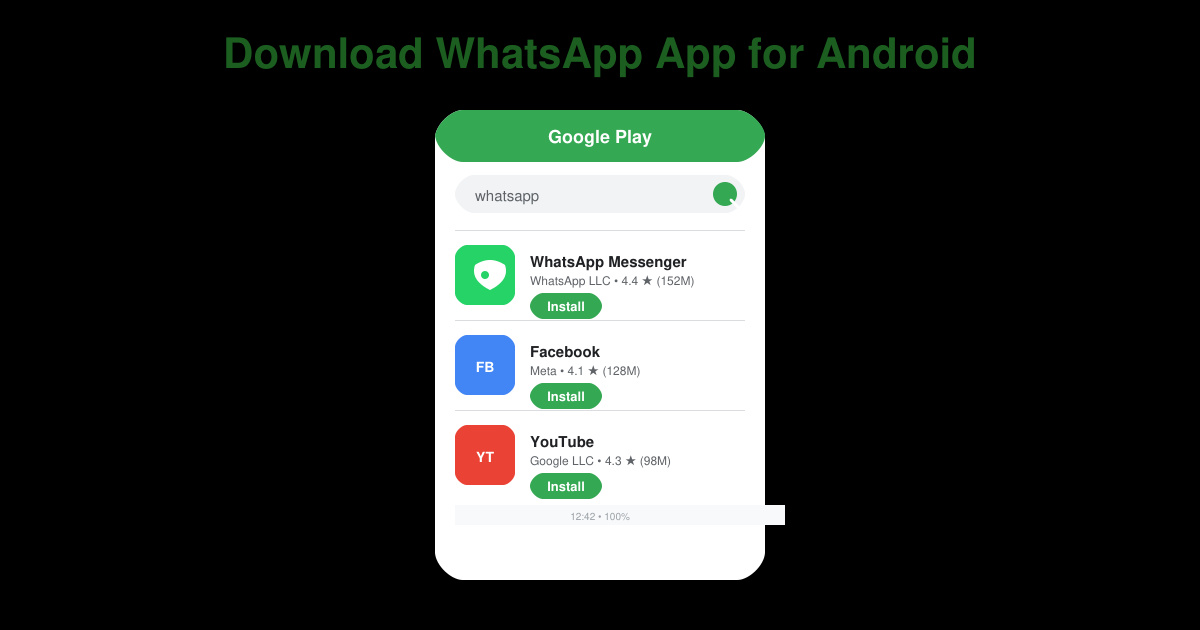
Learn how to safely Download WhatsApp App for Android from the official Google Play Store. Follow our clear step-by-step instructions to install the latest version quickly and securely.
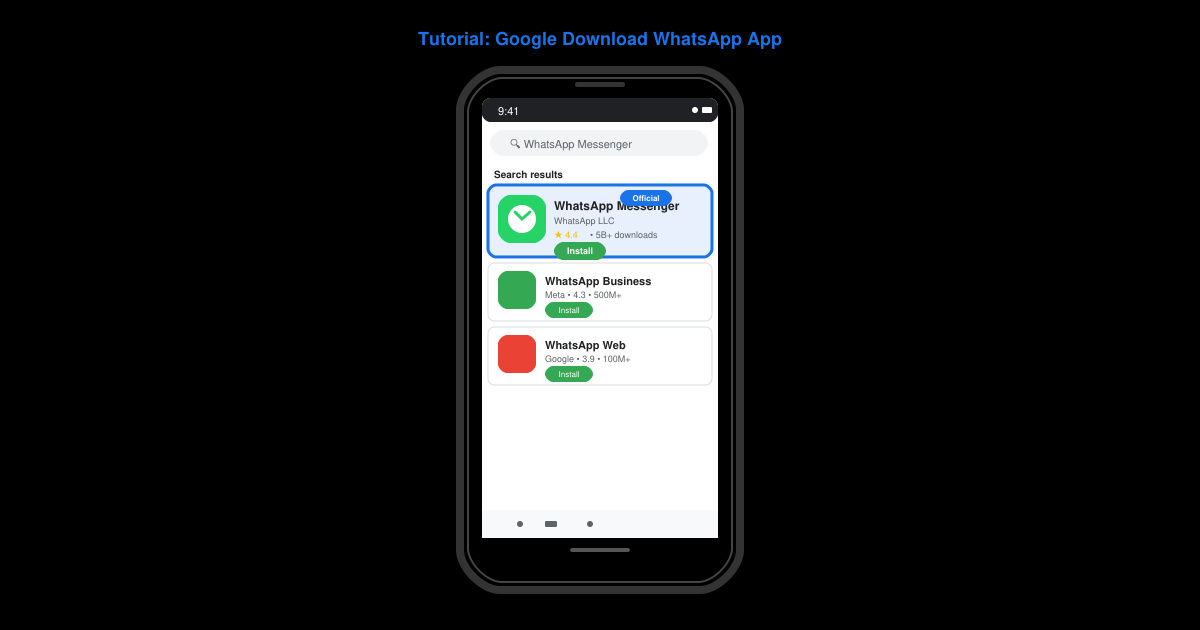
Google Download WhatsApp App safely through the Google Play Store with this clear guide. Get the official version on your Android device quickly and avoid fake downloads.
Facebook and Messenger not working can disrupt your day. Follow these targeted fixes to restore access quickly on mobile and desktop.