

How to Update Google Chrome Browser

Learn how to update Google Chrome browser on Windows, Mac, and Android in minutes to enjoy better security, speed, and new features. Follow these clear steps.
The accessibility features on iPhone go beyond what you might expect. From adjusting text size and controlling your device with just your eyes to unlocking a hidden button on the back, this menu offers tools that can really change the way you use your iPhone for the better.
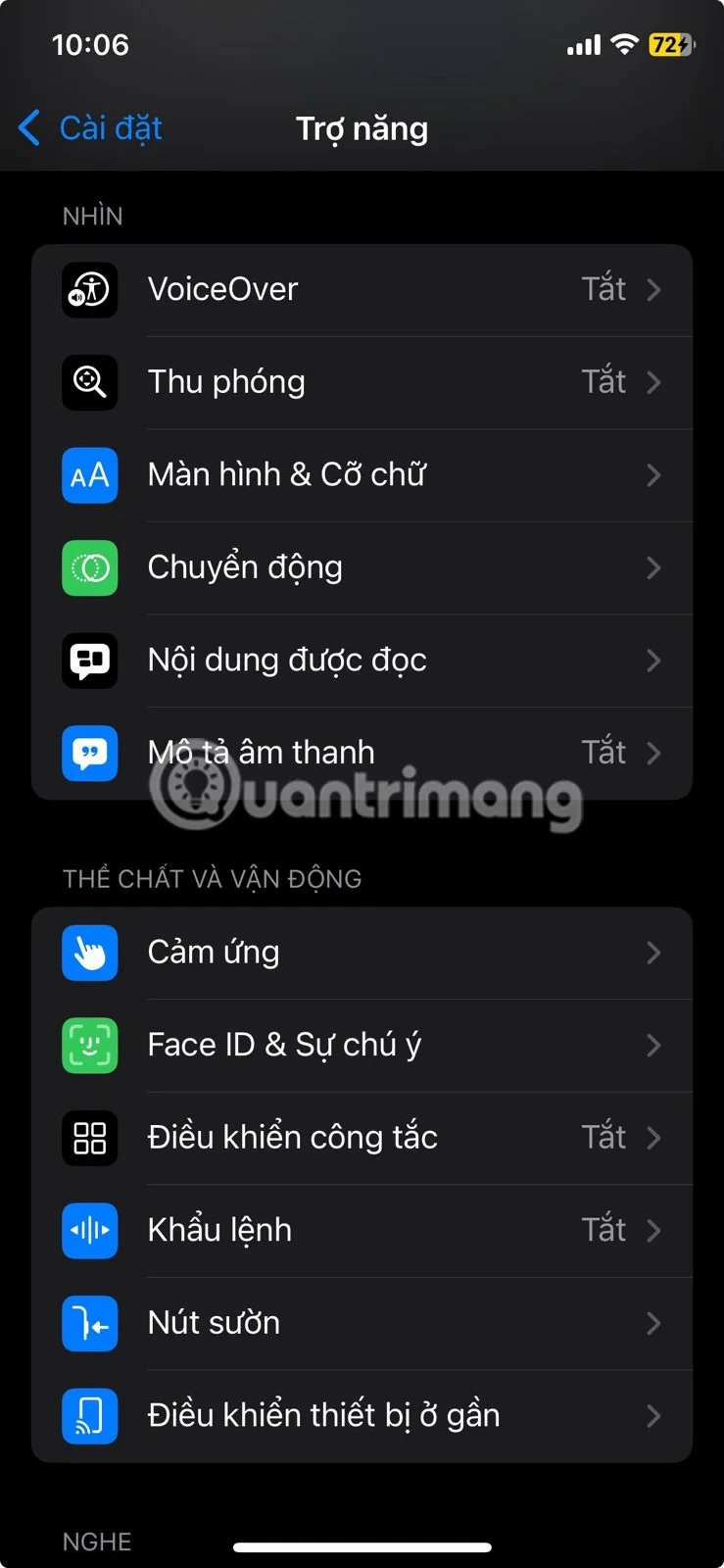
13. Screen and font size
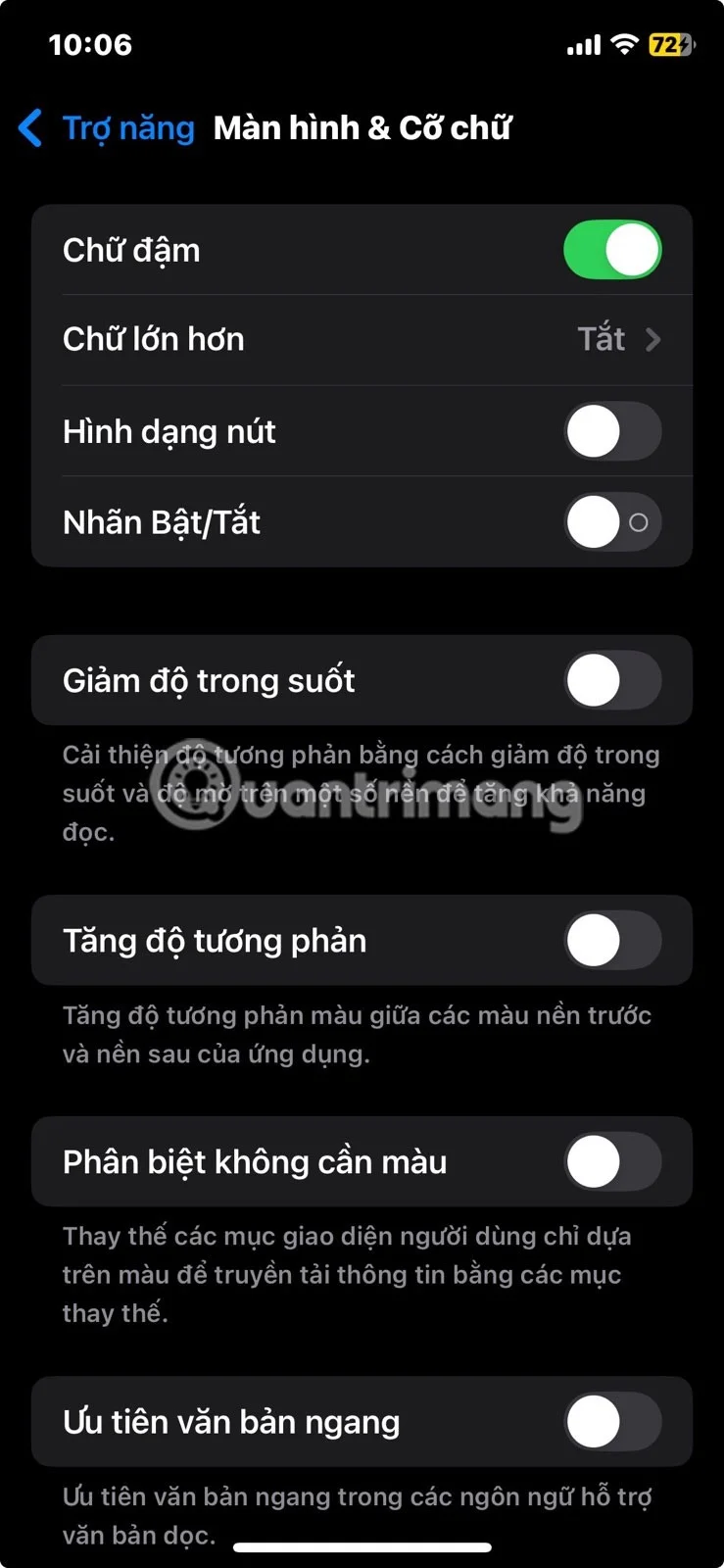
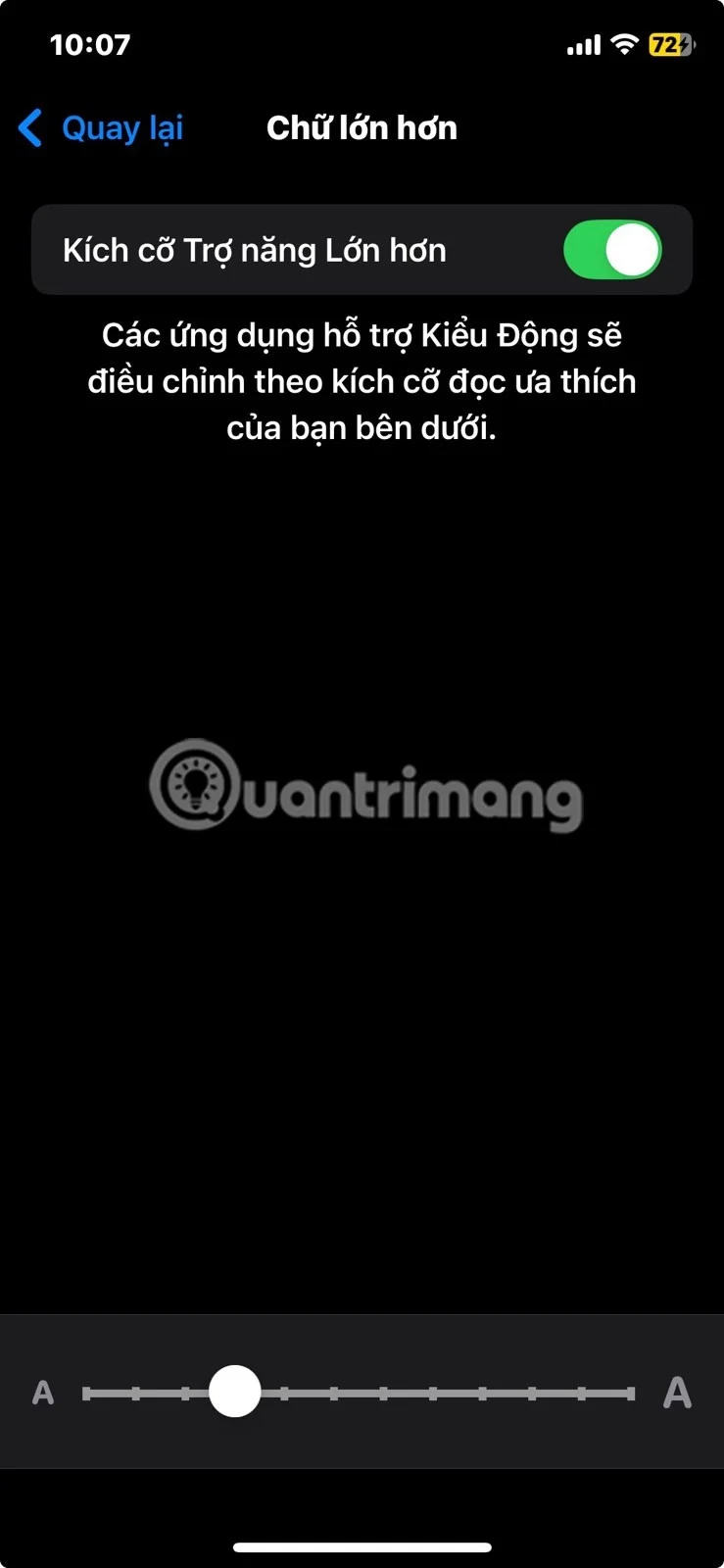
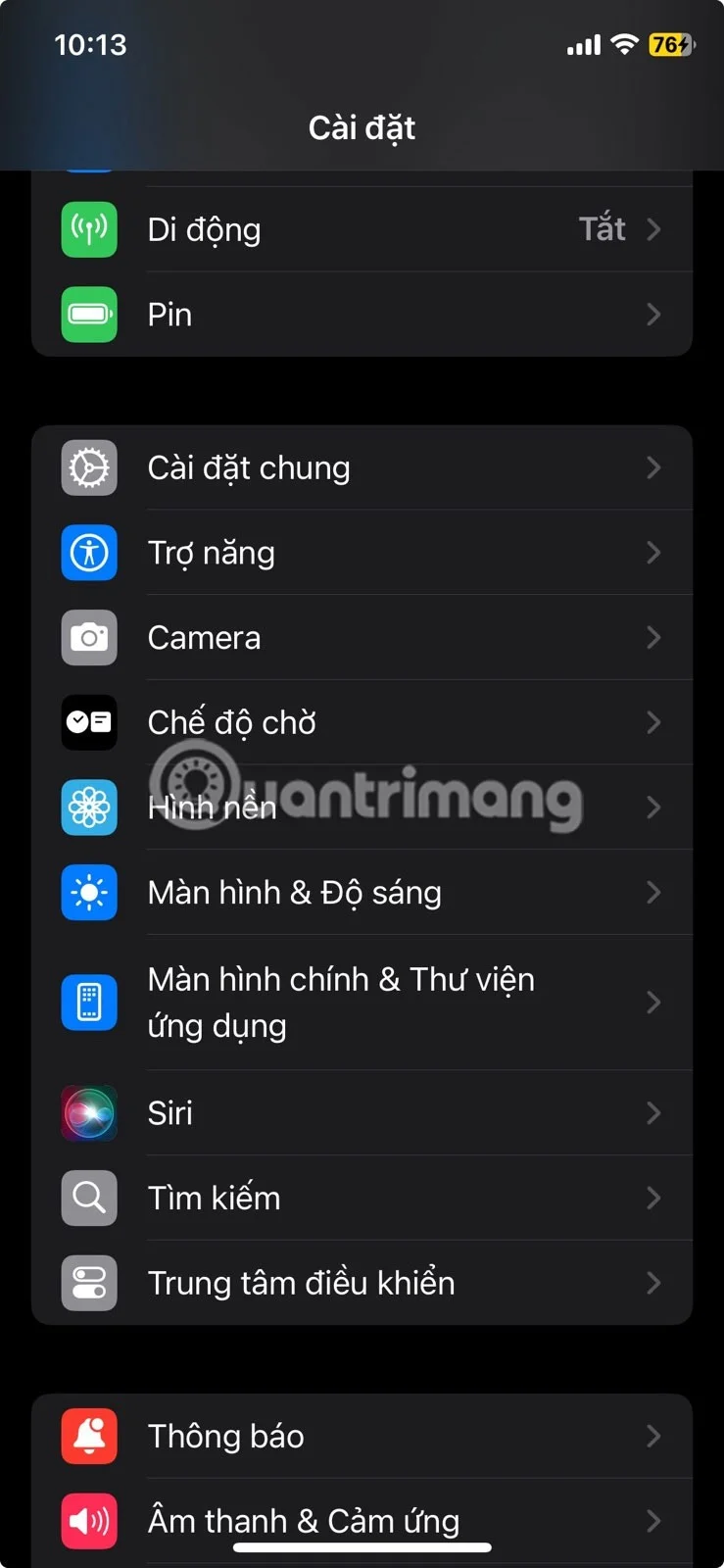
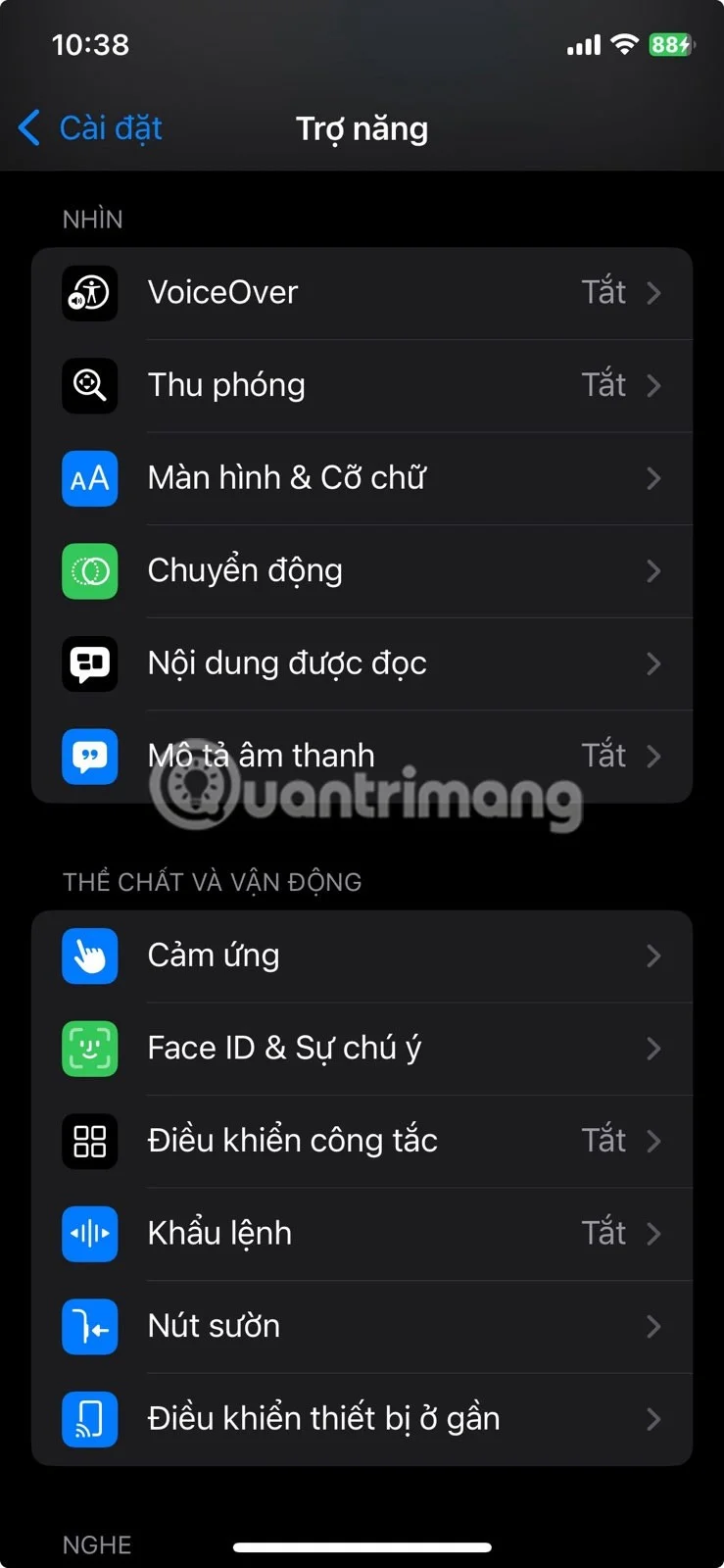
Go to Settings > Accessibility > Display & Text Size . Here, you can turn on Bold Text to make the font thicker and easier to read. If the text is still small, tap Larger Text and turn on Larger Accessibility Size . Then, use the slider to adjust the text size to your liking.
12. Auto brightness
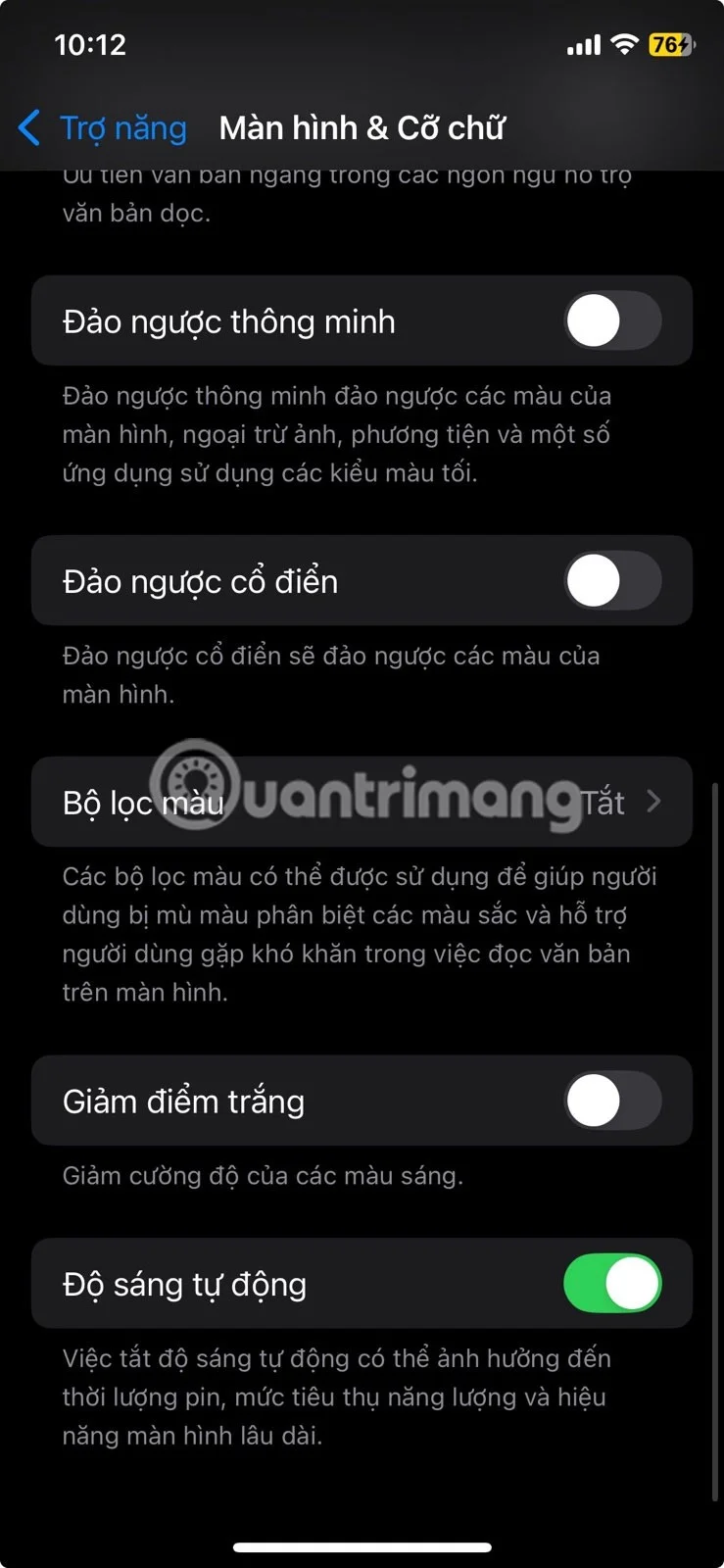
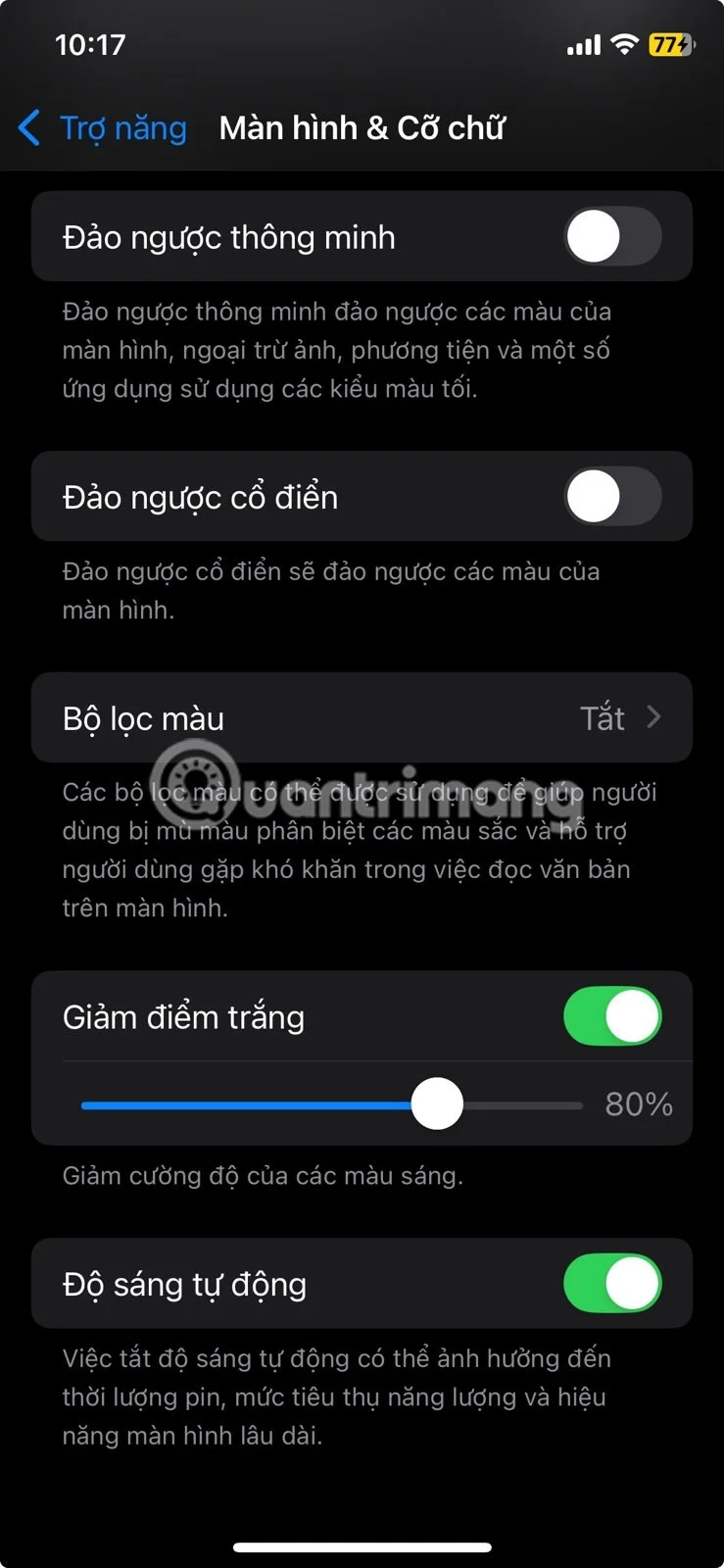
To enable this feature, go to Settings > Accessibility > Display & Text Size and turn on Auto-Brightness . Not only is it a convenience, it also helps reduce battery consumption on your iPhone by ensuring the screen isn't brighter than necessary.
11. Reduce white point
To enable this feature, go to Settings > Accessibility > Display & Text Size and turn on Reduce White Point . A slider will then appear, allowing you to adjust the color intensity to your most comfortable level.
Note : This feature only works best in low light conditions. During the day, you may want to turn it off as it can cause the screen to appear dim or dark when there is a lot of ambient light.
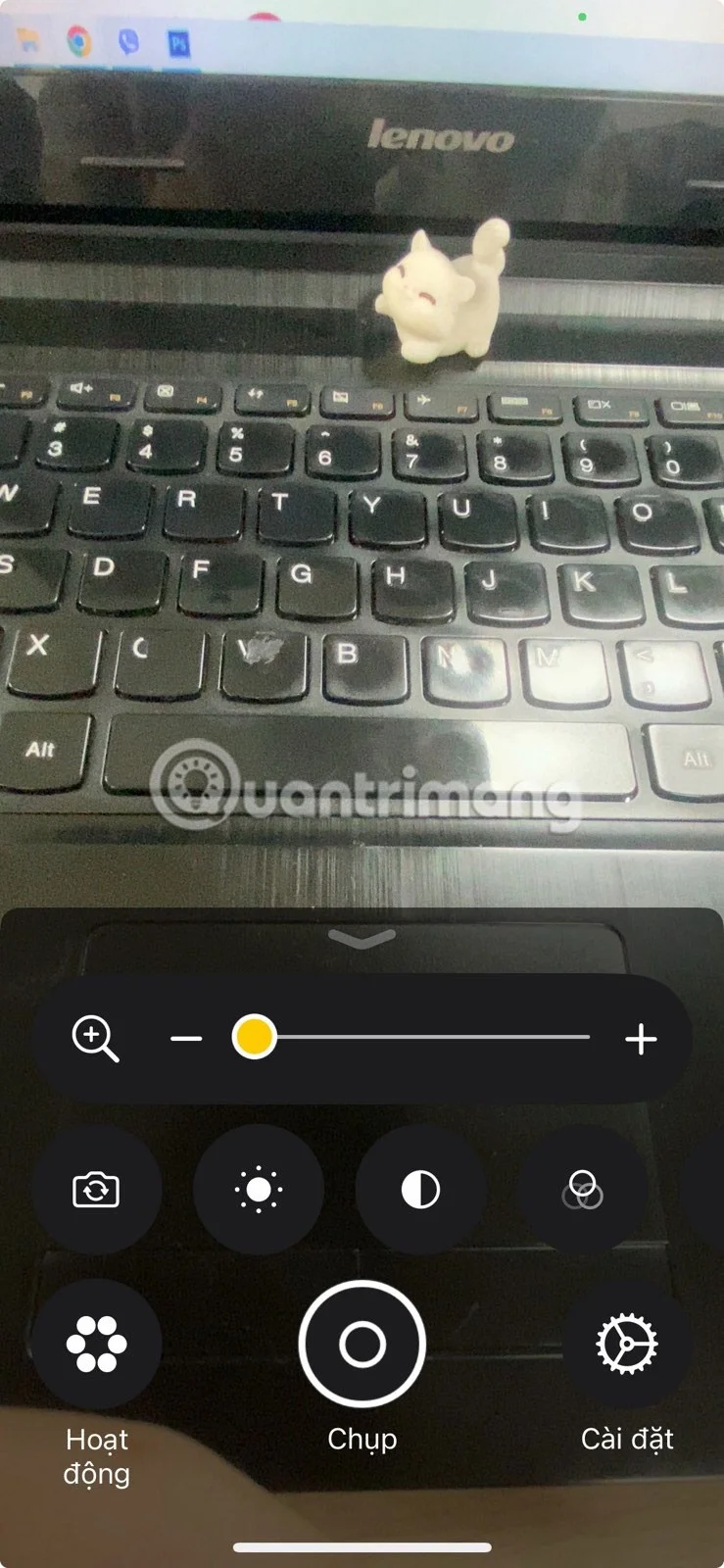
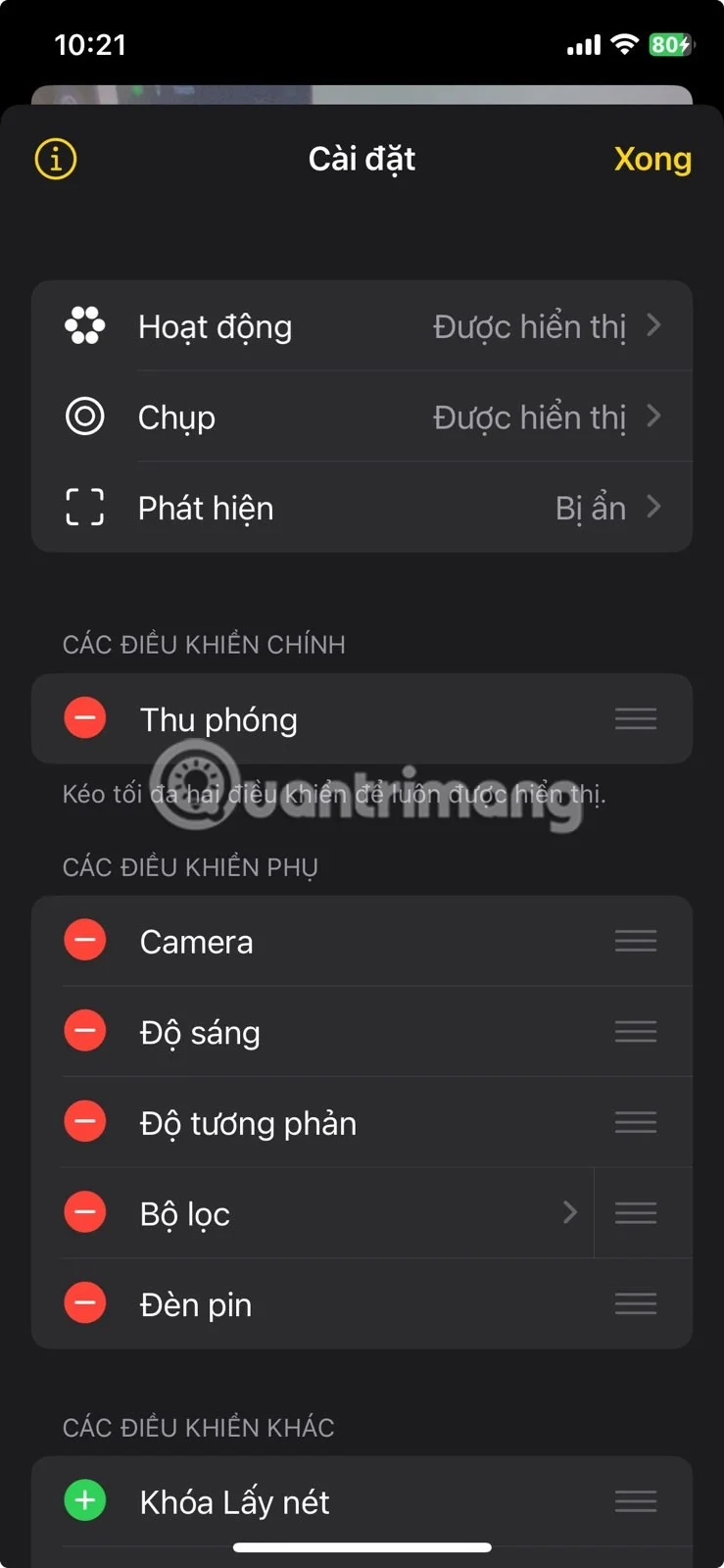
10. Magnifying glass
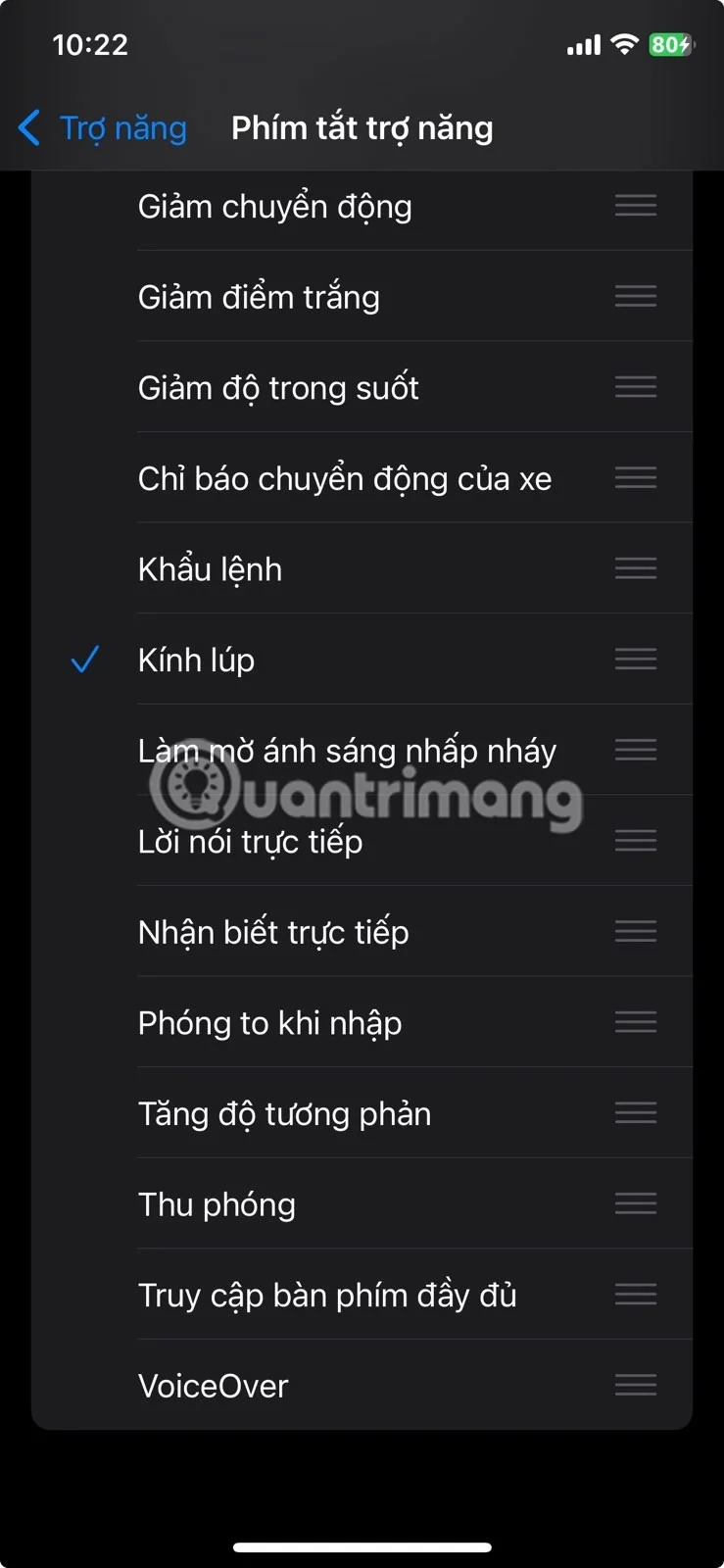
If you need to use it often, go to Settings > Accessibility > Accessibility Shortcut and select Magnifier . You can then access it anytime with a quick triple-click of the side button.
9. Eye tracking
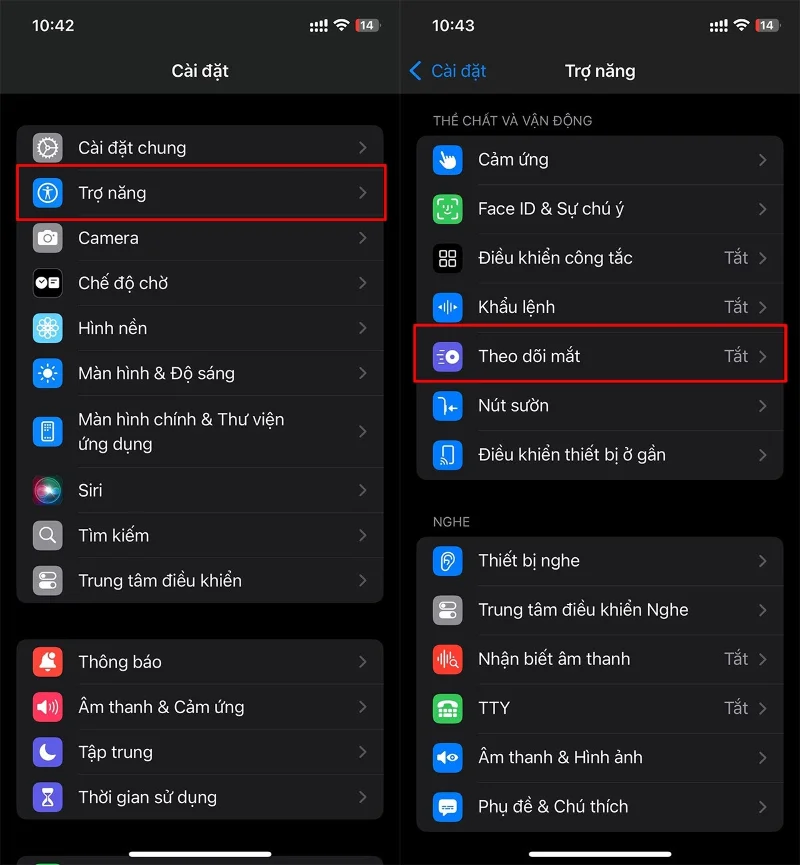
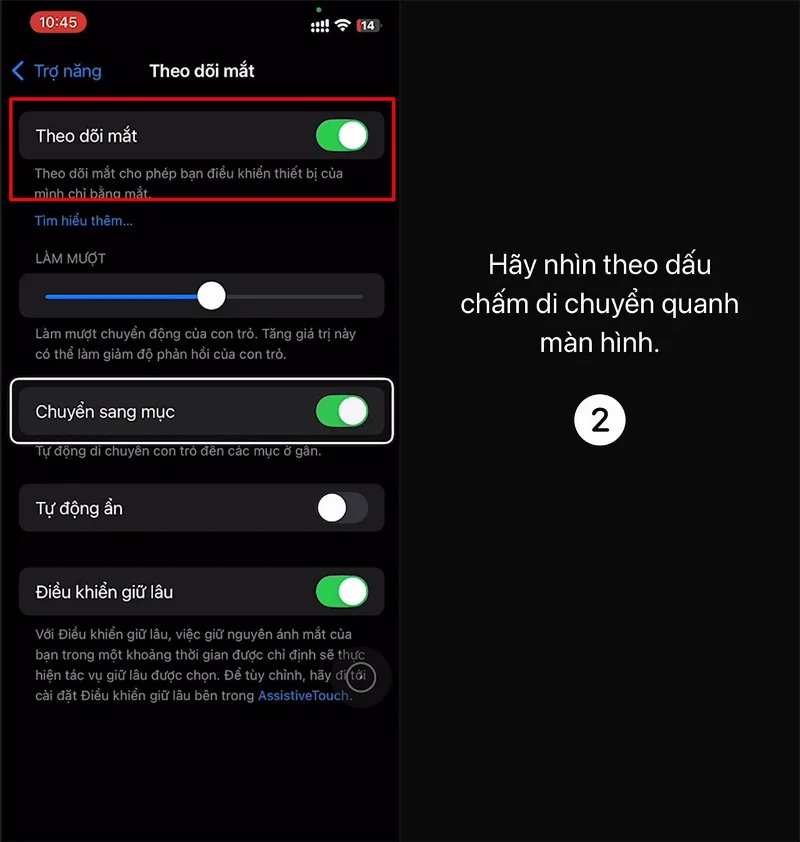
As the name suggests, this feature tracks your eye movements and lets you interact with the screen. To try it out, go to Settings > Accessibility > Eye Tracking and turn it on. Then, follow the on-screen instructions to calibrate it.
Once set up, an on-screen cursor will track your eye movements, moving wherever you look. When you keep your gaze steady on an icon, button, or switch, your iPhone will register a tap.
8. AssistiveTouch
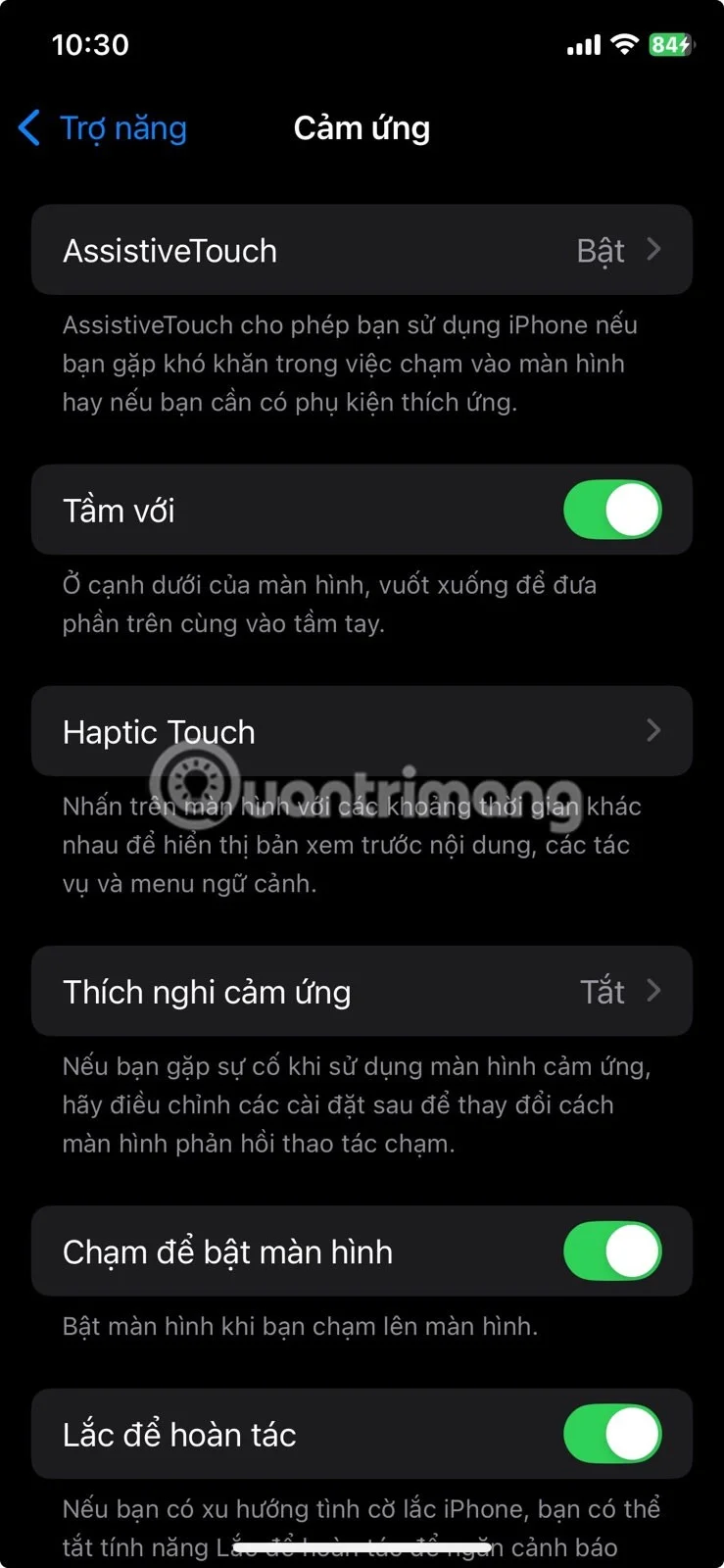
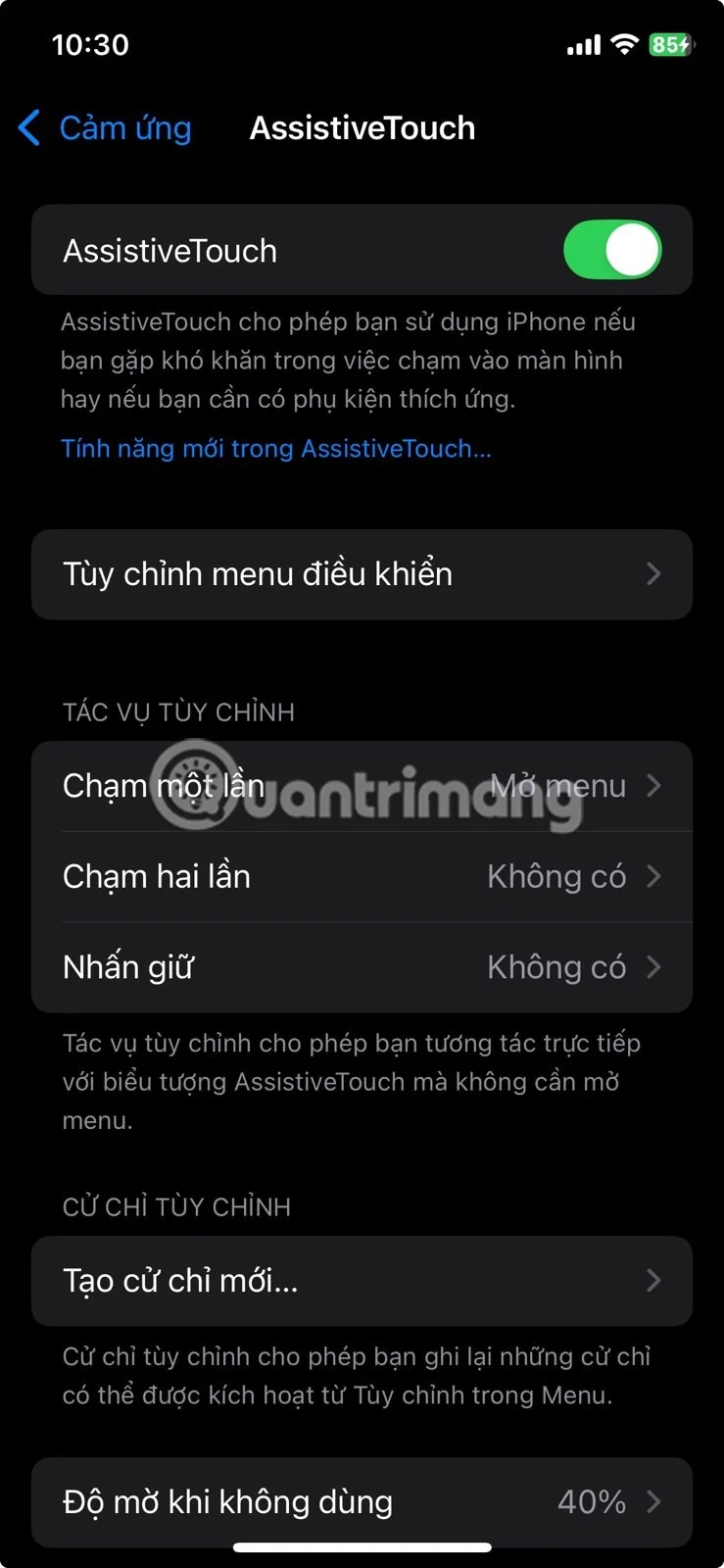
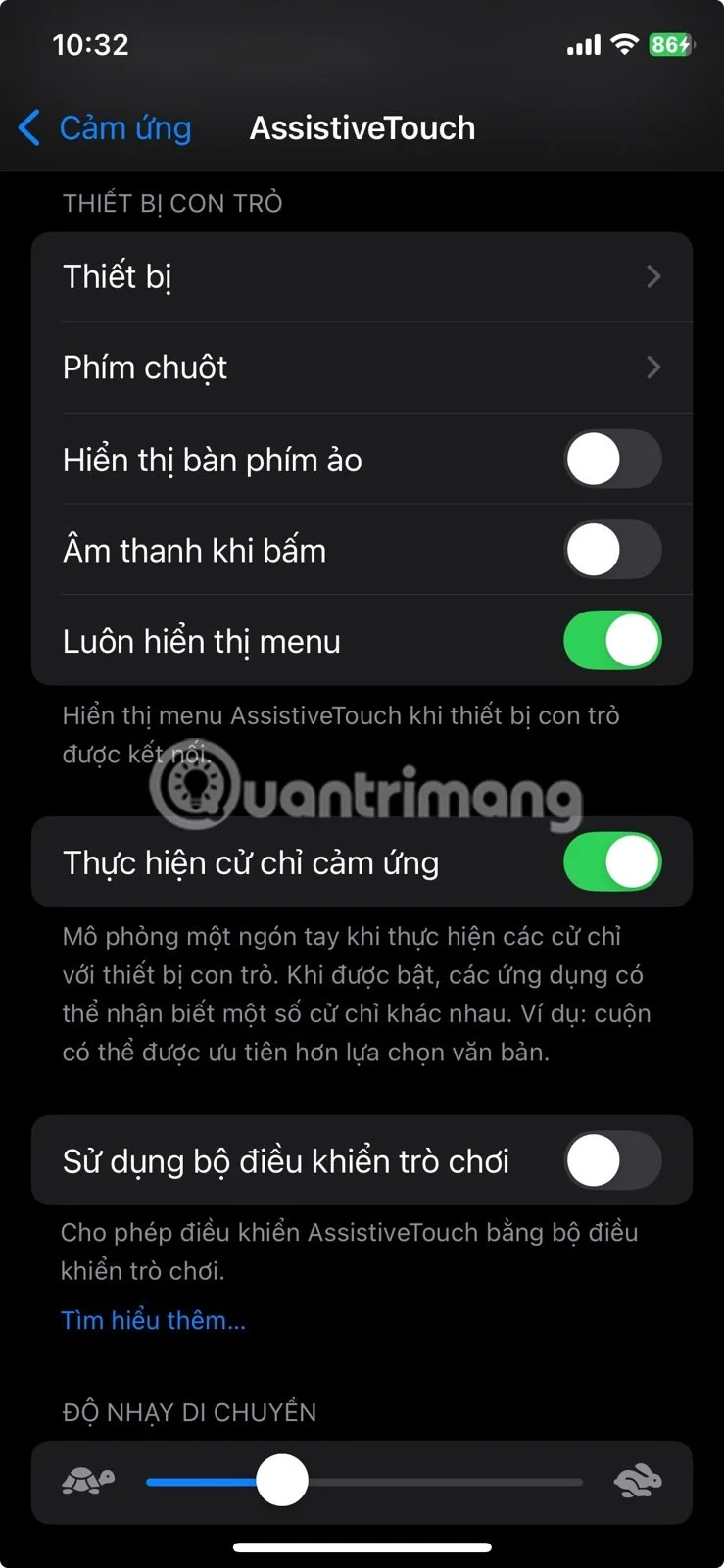
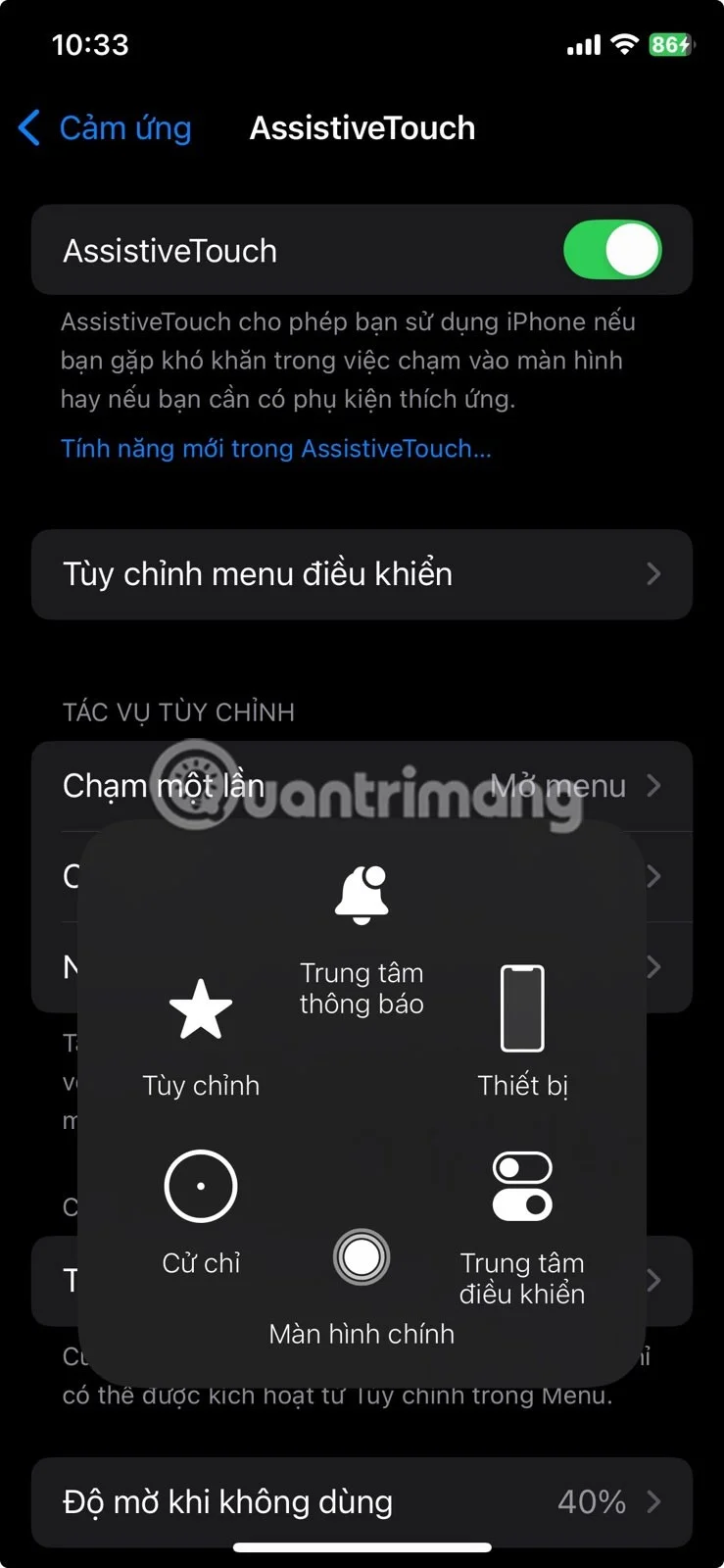
To enable AssistiveTouch, go to Settings > Accessibility > Touch > AssistiveTouch and turn it on. The menu is fully customizable, so you can add or remove functions as you like.
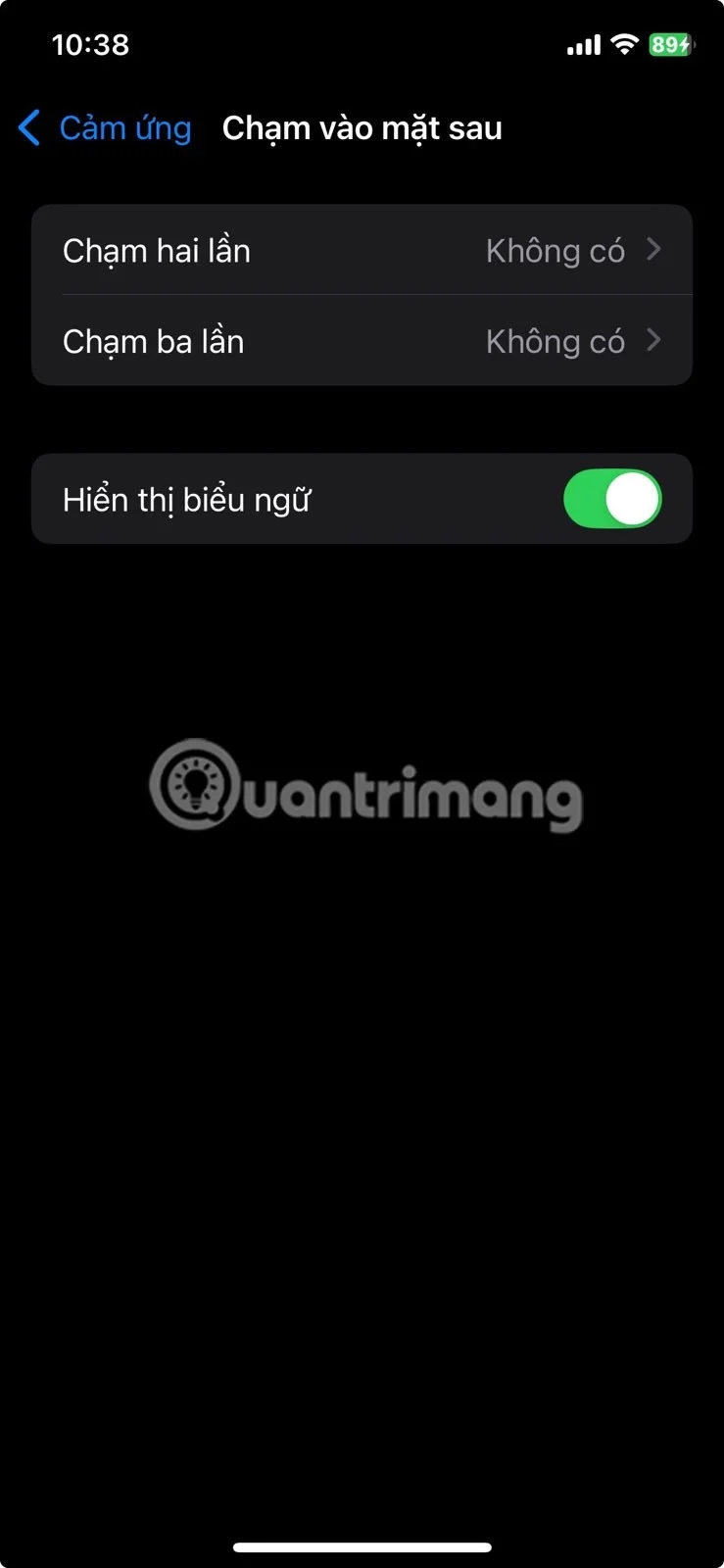
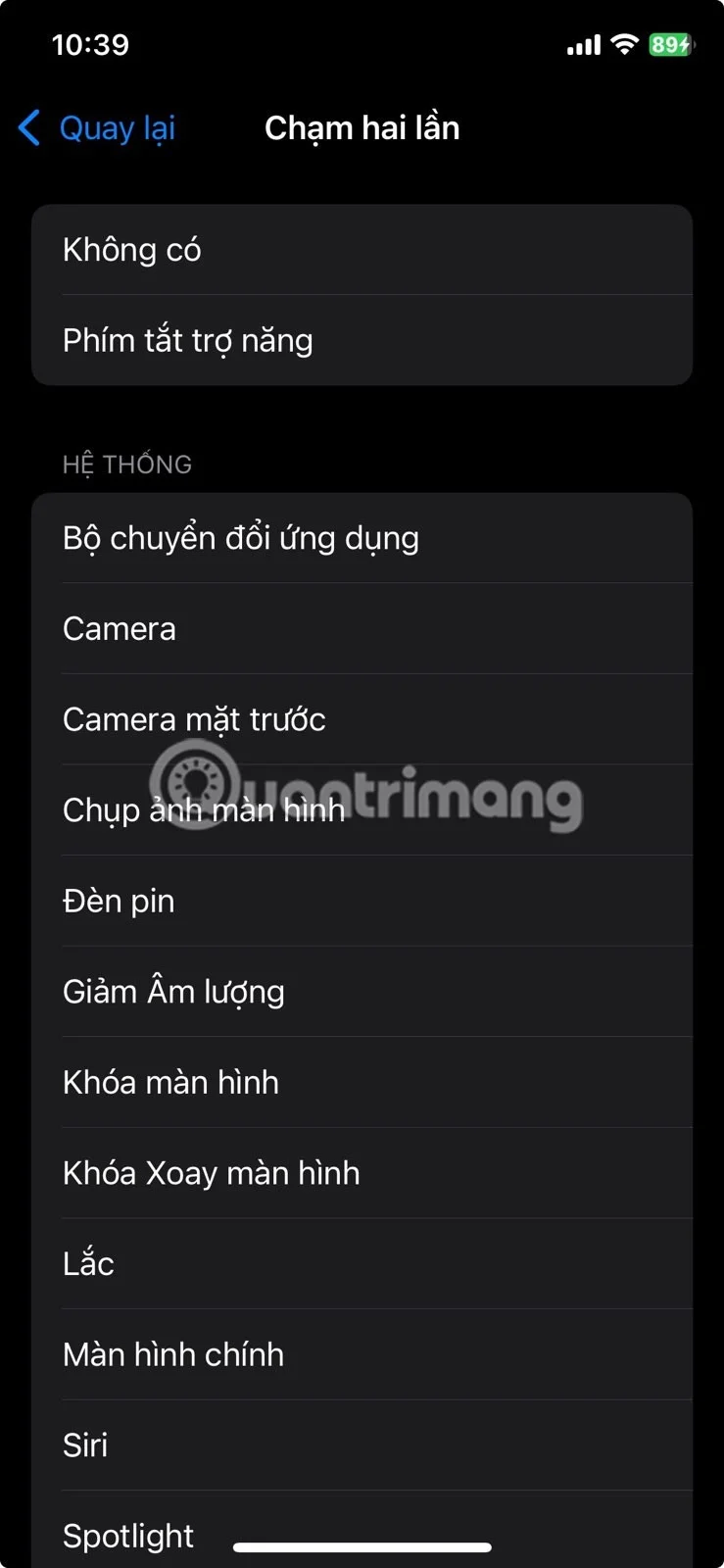
7. Touch the back
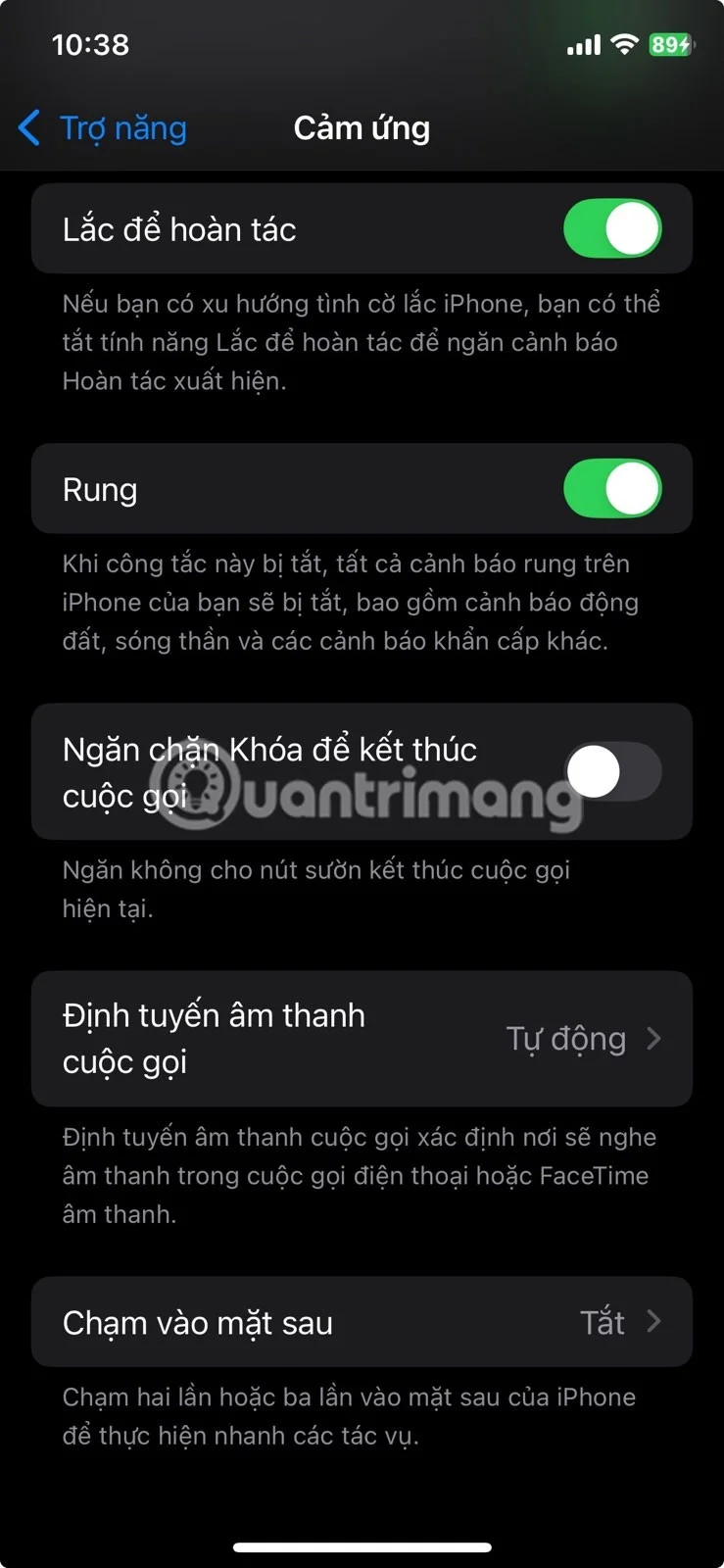
To set it up, go to Settings > Accessibility > Touch > Back Tap . Select Double Tap or Triple Tap , then specify the function you want.
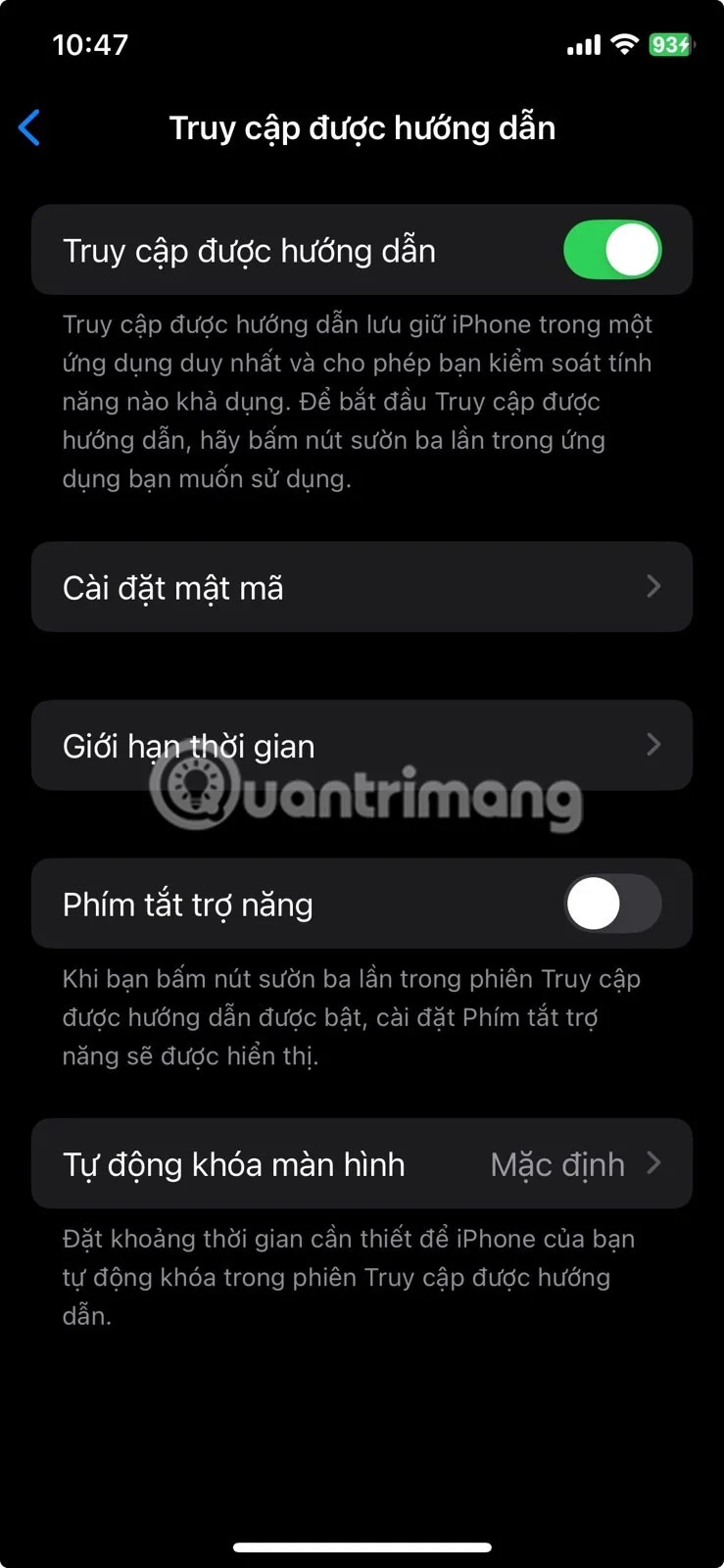
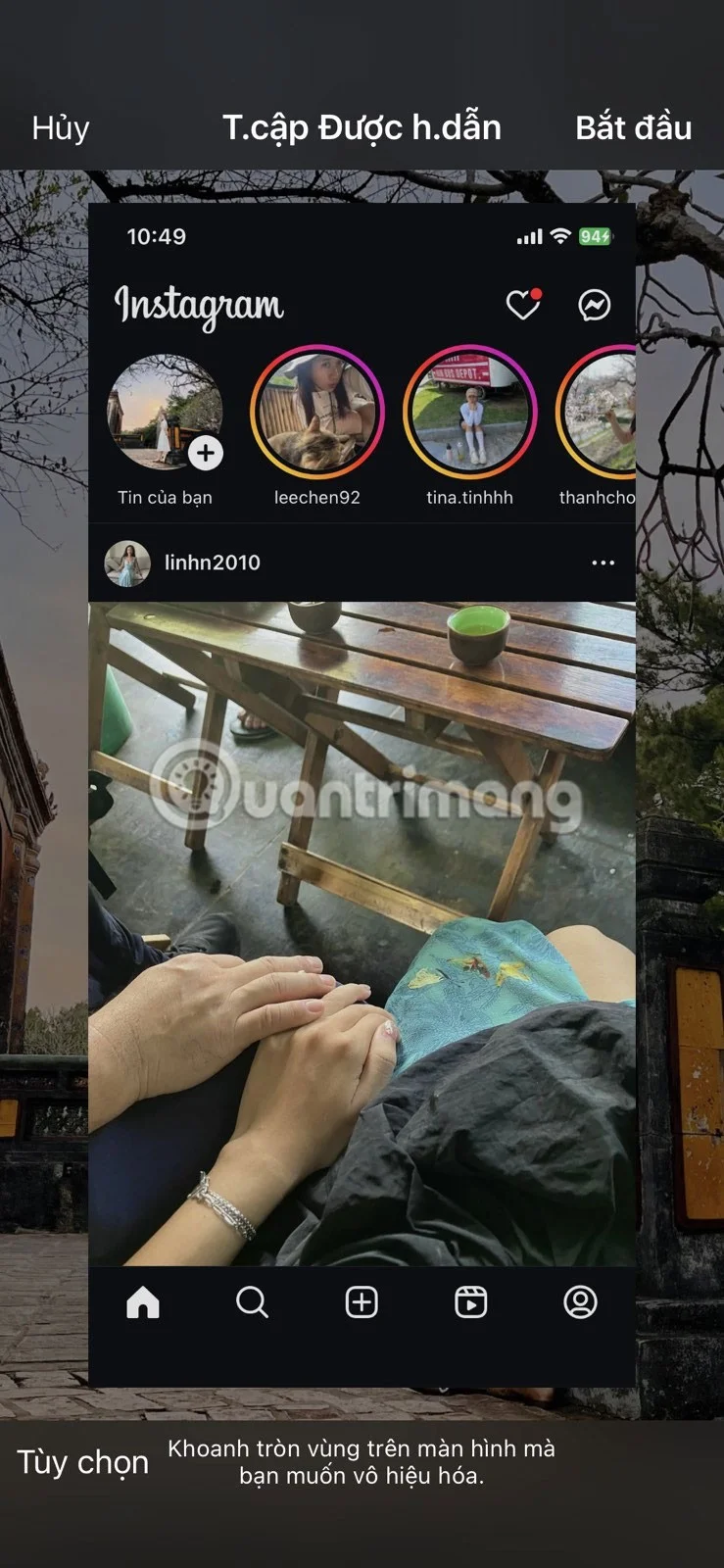
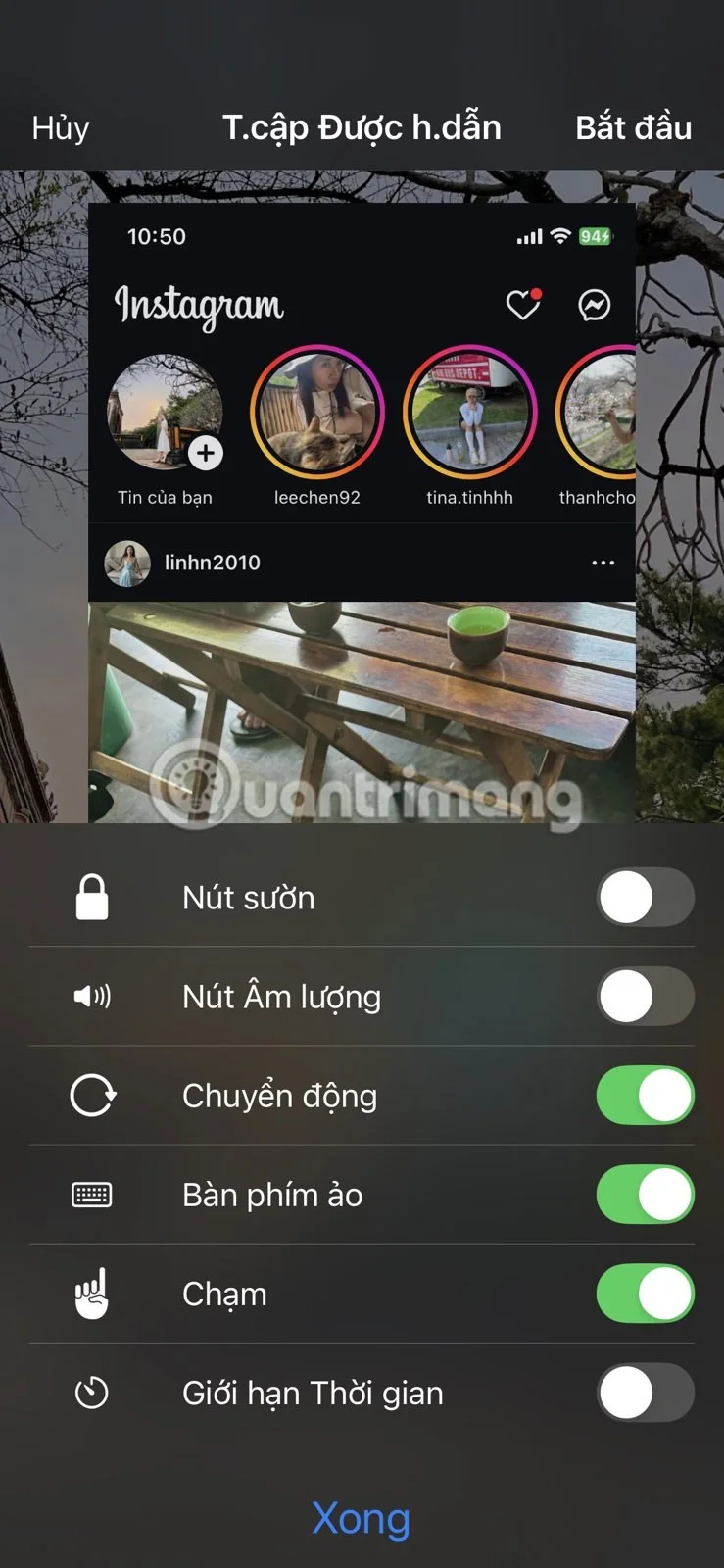
6. Guided Access
To enable this feature, go to Settings > Accessibility > Guided Access and turn it on. You can also set a passcode or use Face ID to end the session to ensure you're in control.
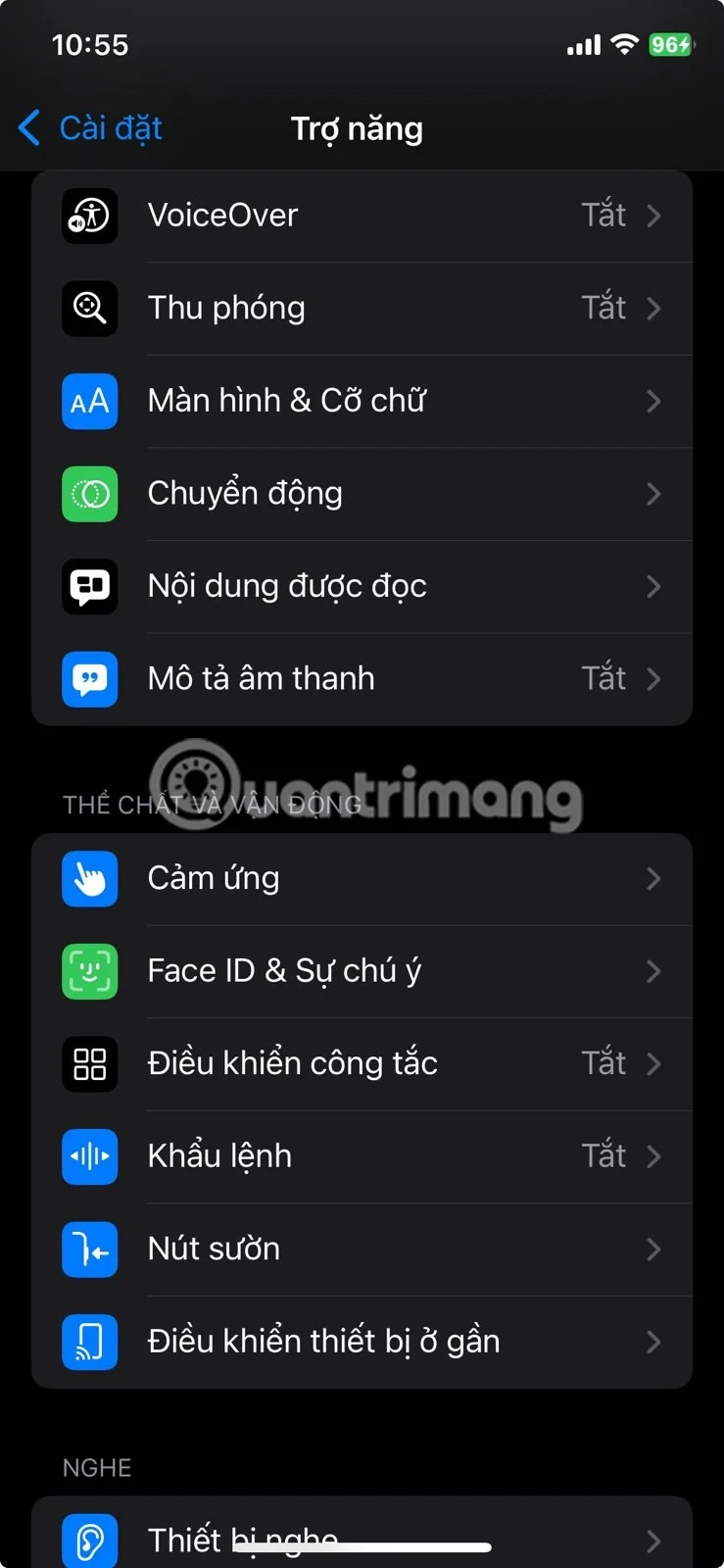
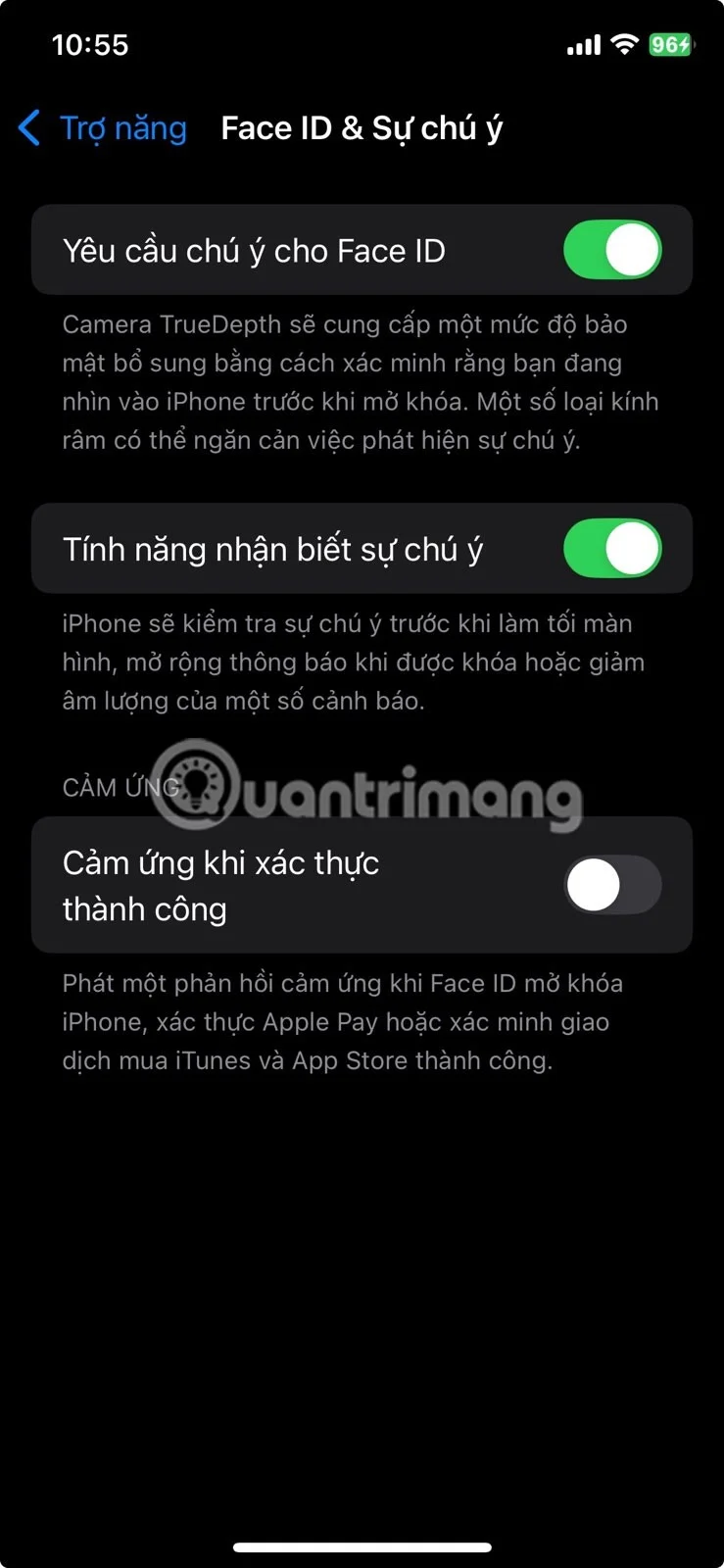
5. Attention recognition feature
Attention Awareness uses your iPhone's TrueDepth camera to detect when you're looking at the screen. To turn it on or test it, go to Settings > Accessibility > Face ID & Attention and turn on Attention Awareness .
Once turned on, your iPhone screen stays on as long as you're looking at it. When you look away or stop paying attention, the screen dims and turns off as normal.
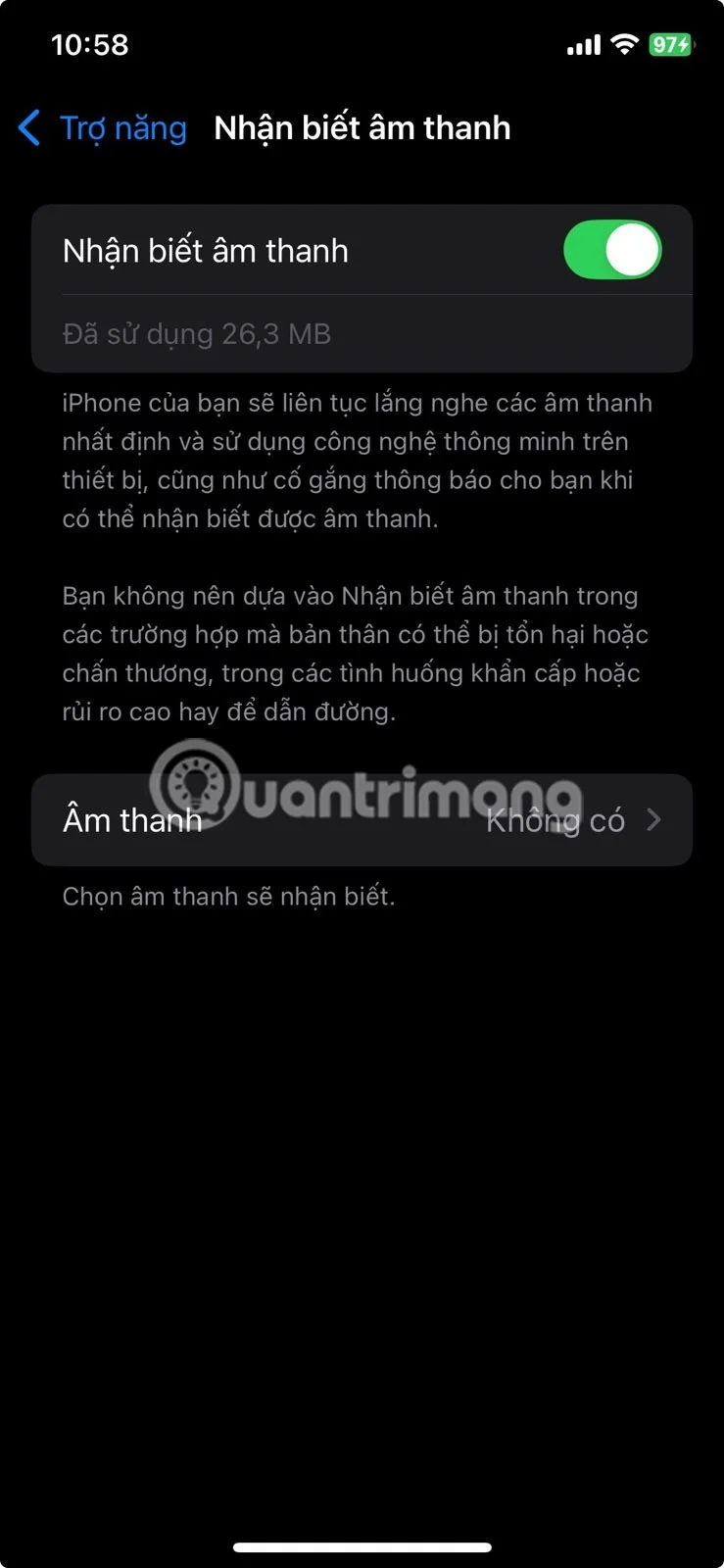
4. Recognize sounds and names
To set it up, go to Settings > Accessibility > Sound Recognition and turn it on. From there, choose the sounds you want your iPhone to listen for. Similarly, set up Name Recognition by typing your name or recording someone else saying it.
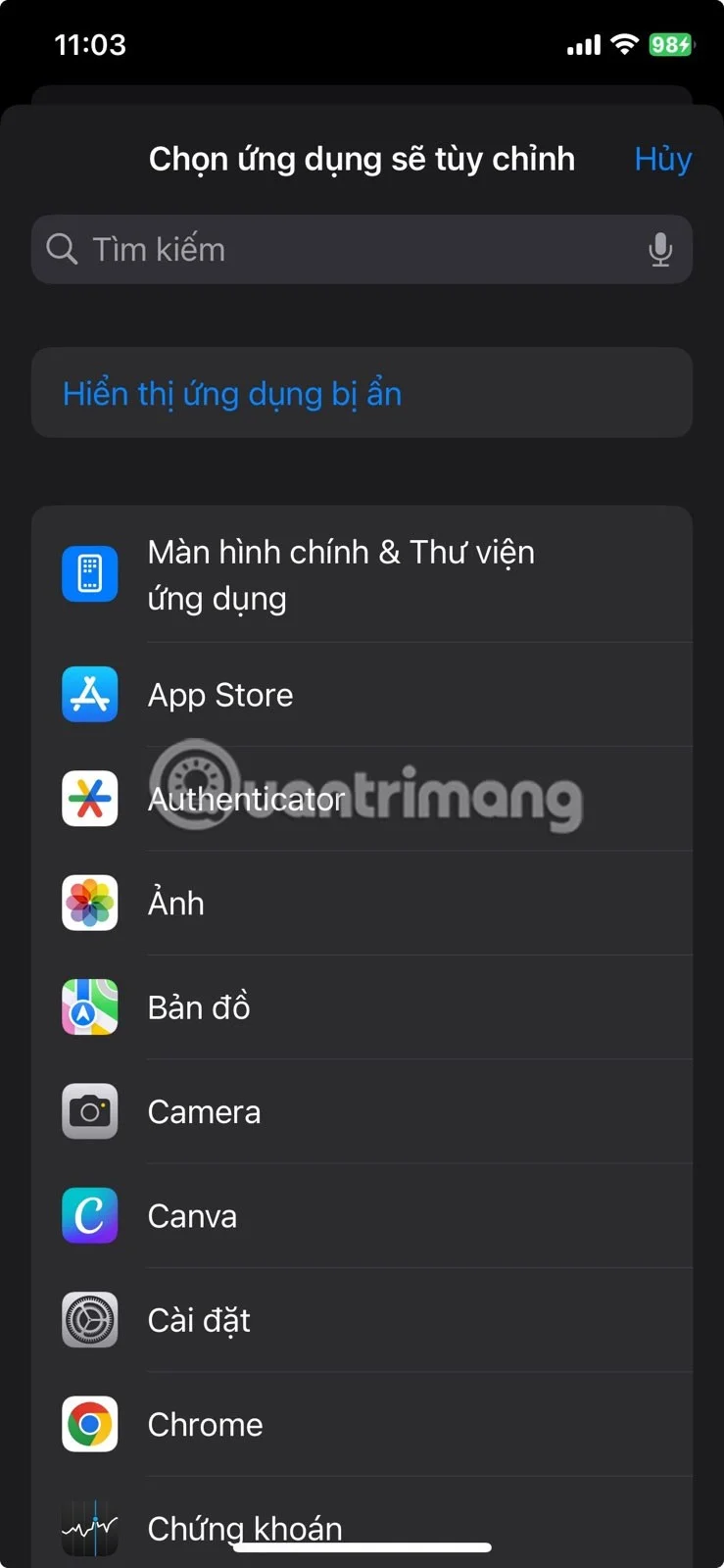
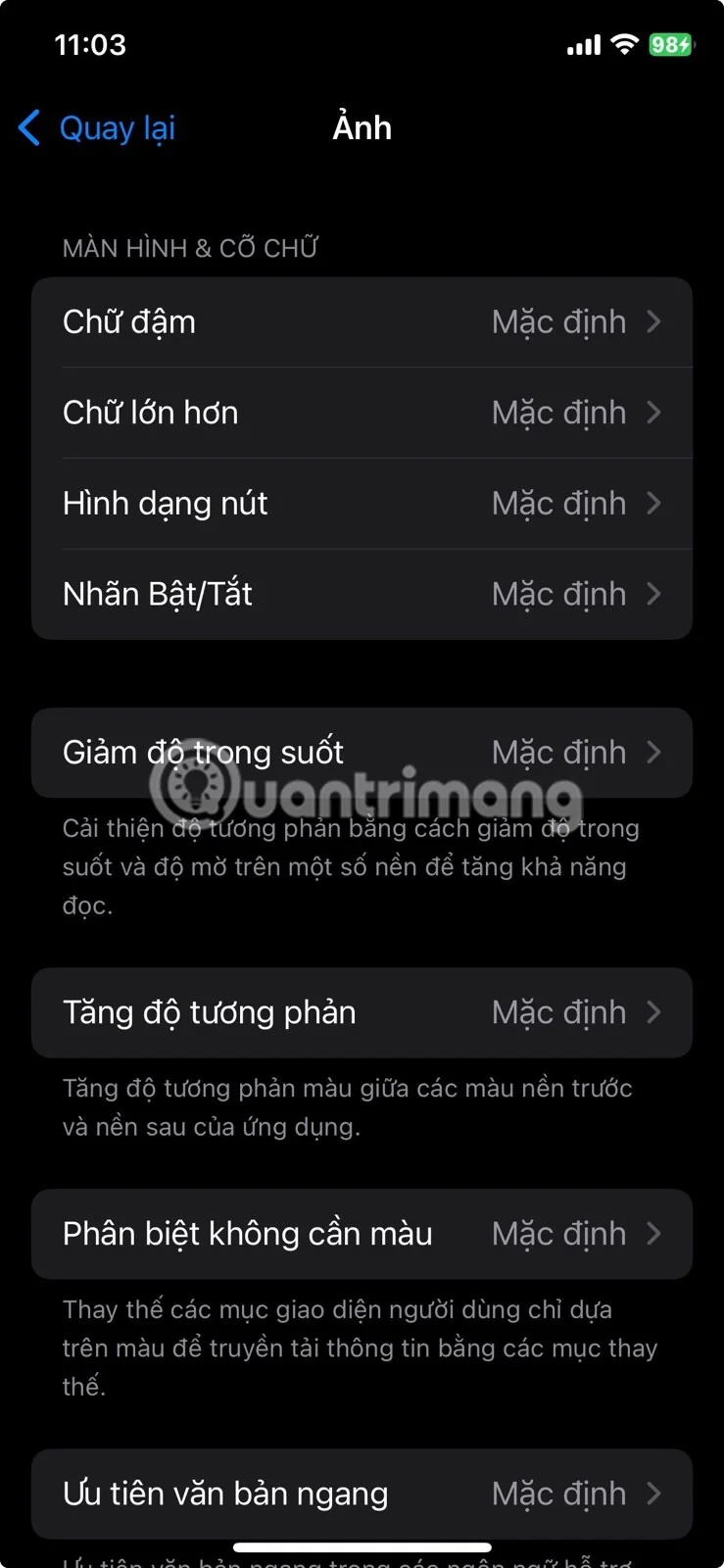
3. Install by application
To do this, go to Settings > Accessibility > Settings by App and add the app you want to customize.
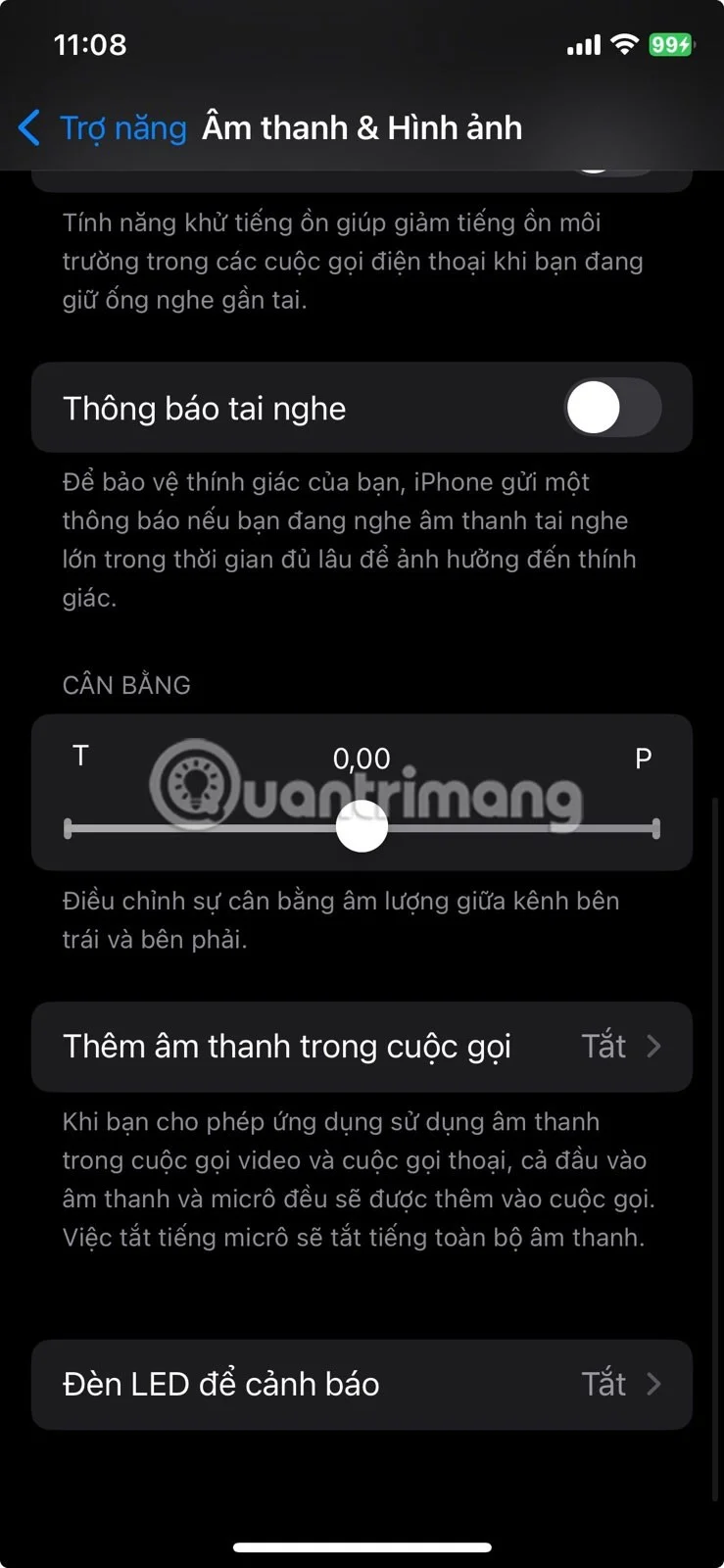
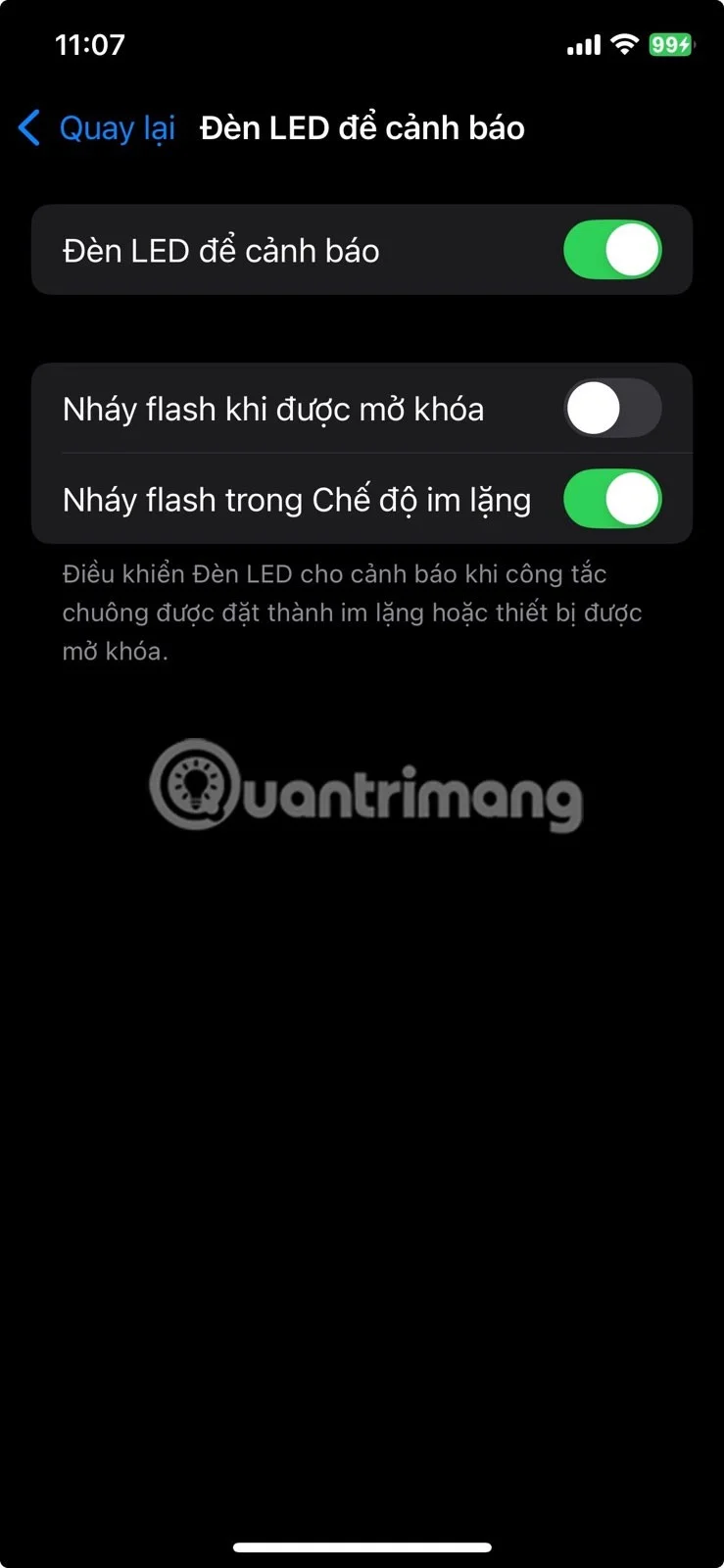
2. Warning LED light
To turn it on, go to Settings > Accessibility > Sounds & Visuals and turn on LED Flash for Alerts . If you don't want the flash to turn off when your iPhone is in silent mode, you can also turn off the flash in silent mode.
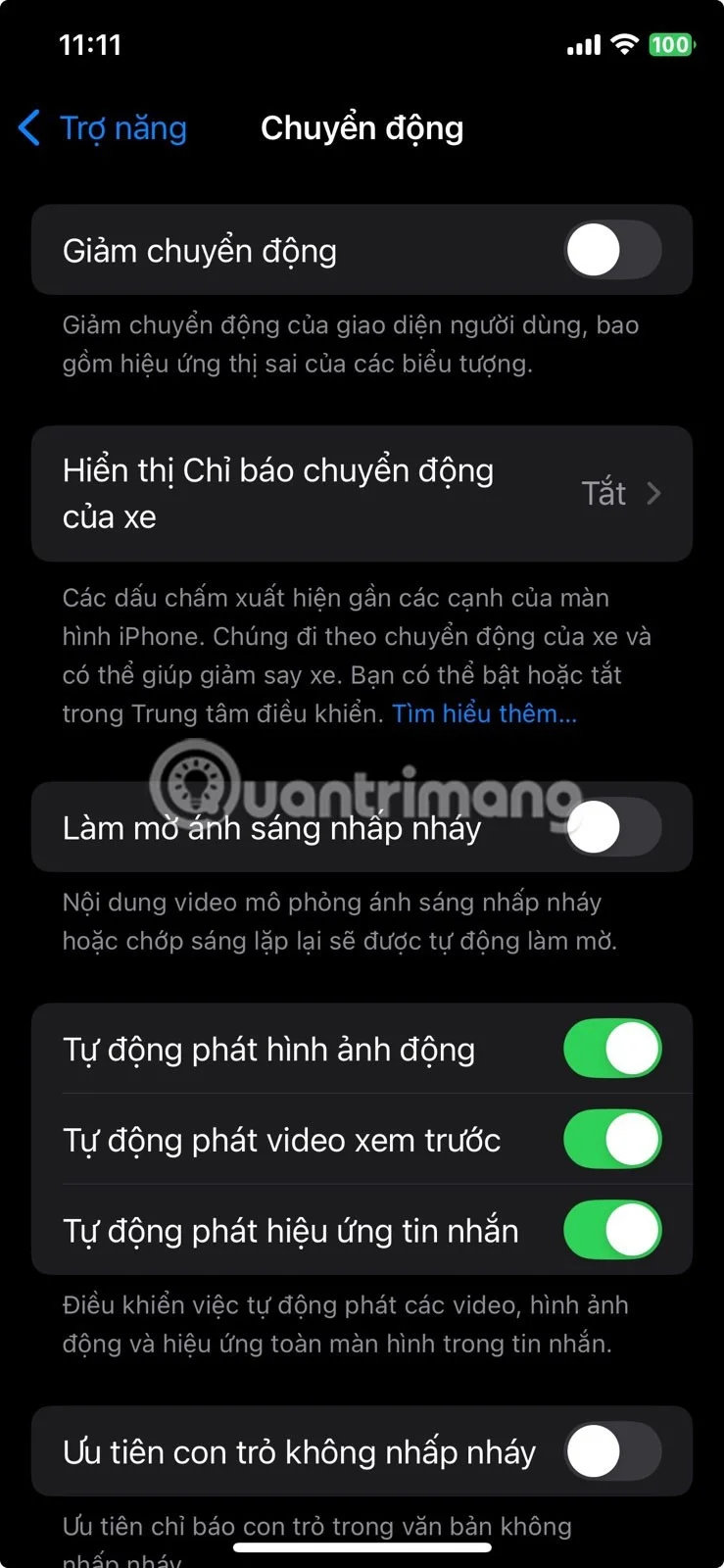
1. Vehicle movement warning
To turn on this feature, go to Settings > Accessibility > Motion > Show Vehicle Motion Indicator . You can turn it on manually or set it to turn on automatically when you're in your car.
The list above highlights just a few options you might like, but be sure to explore the accessibility menu yourself. You may find features that improve your everyday iPhone experience in ways you never thought possible.
Learn how to update Google Chrome browser on Windows, Mac, and Android in minutes to enjoy better security, speed, and new features. Follow these clear steps.
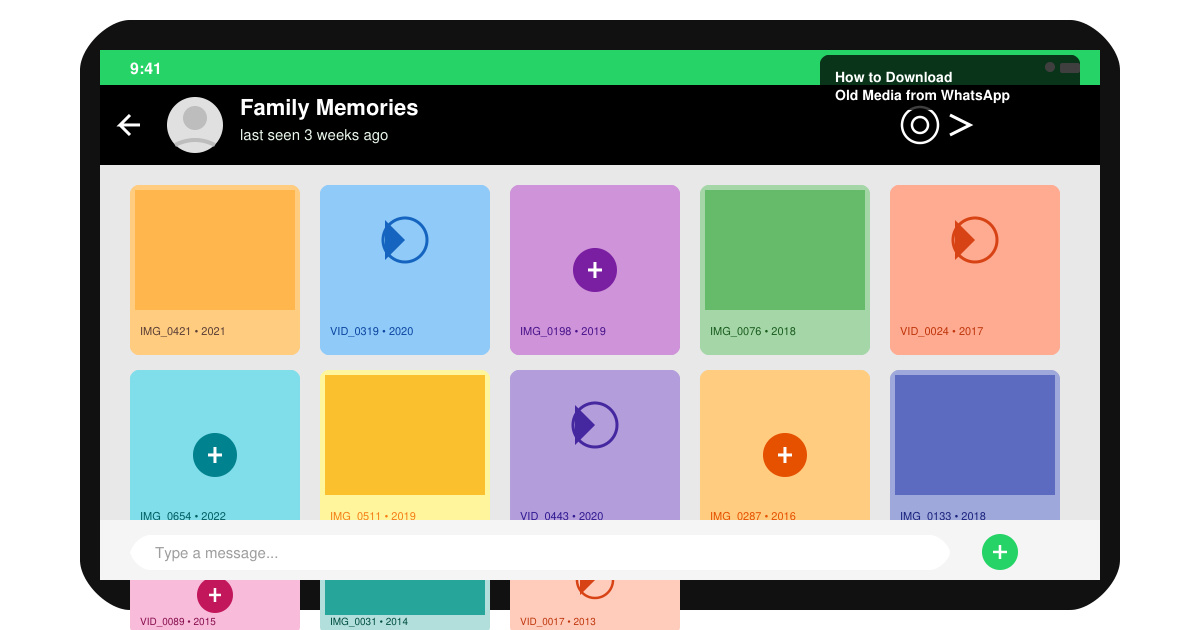
Learn how to download old media from WhatsApp and recover photos or videos from past chats. Follow these clear steps to save files that no longer appear in your gallery.
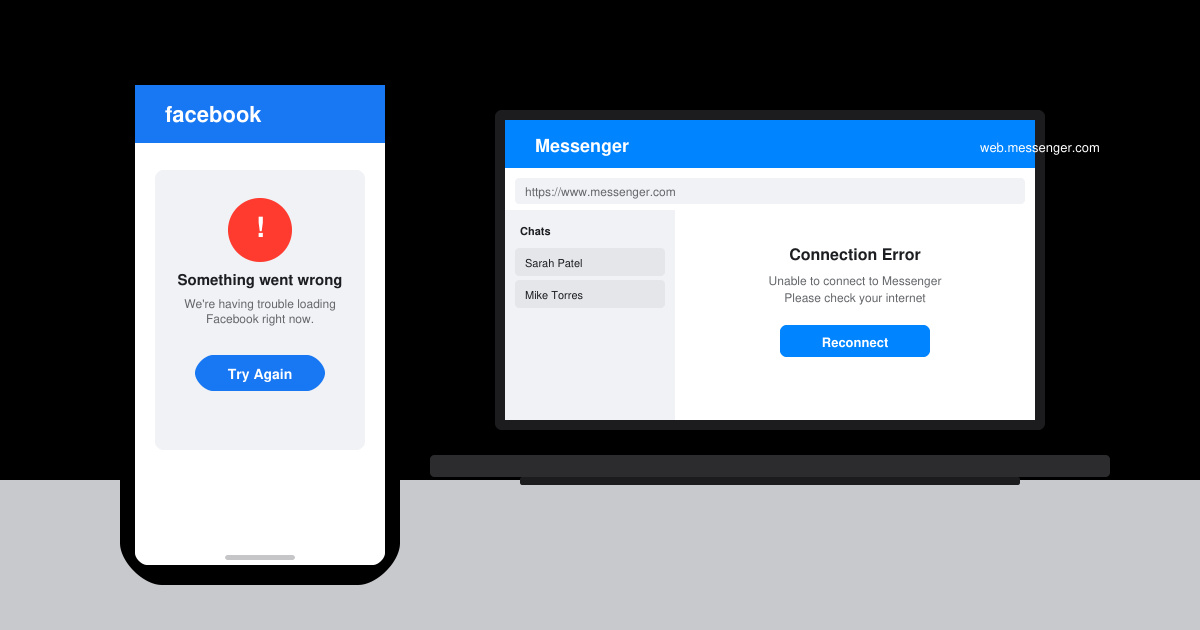
Facebook Messenger Isn T Working on your device? Use these exact troubleshooting steps to restore chats, calls, and notifications fast on Android, iOS, or desktop.
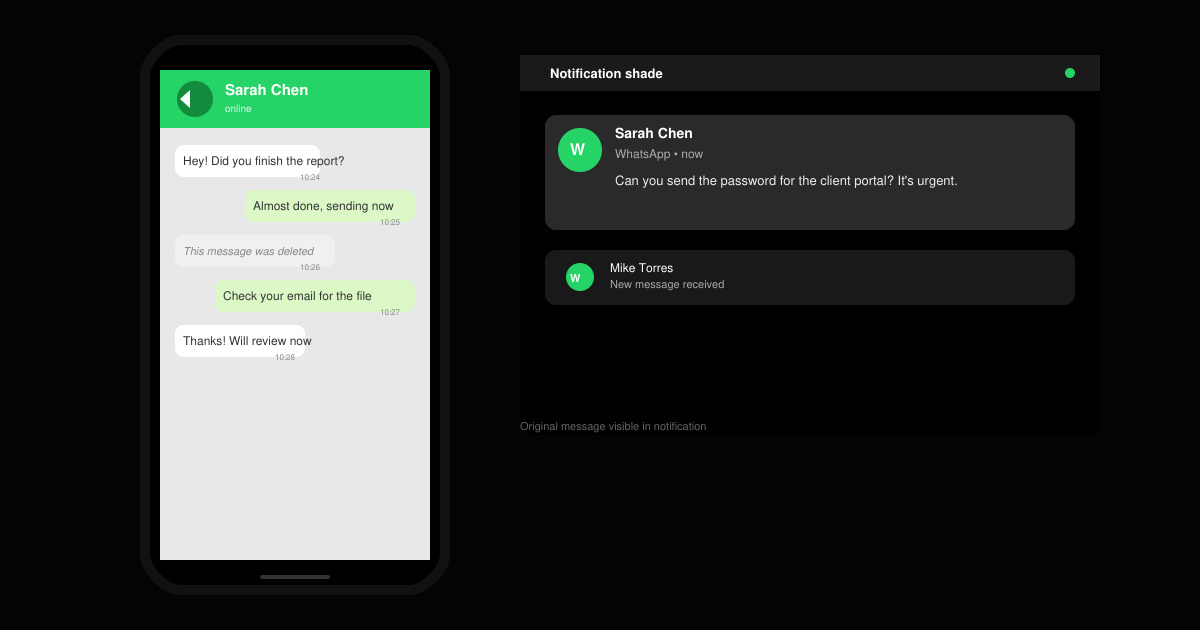
How to See Deleted WhatsApp Messages using your phone's built-in tools. Follow these exact steps to recover messages that contacts have deleted from chats.
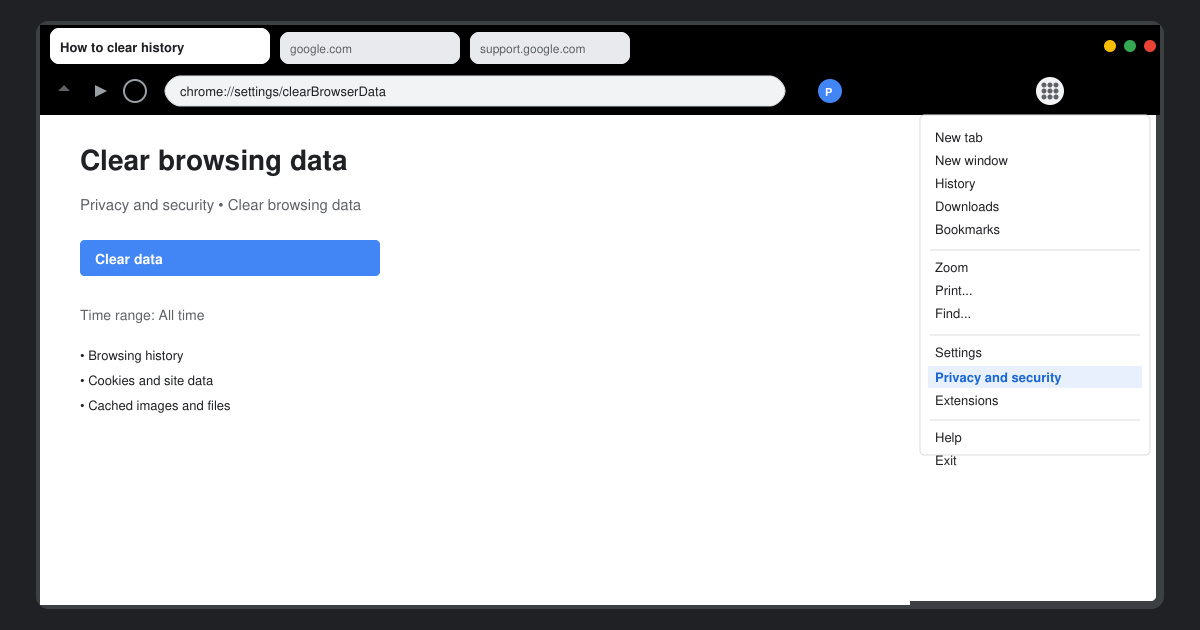
Learn how to clear browser history in Chrome on desktop and Android with this exact step-by-step process. Keep your browsing private and free up storage space quickly.
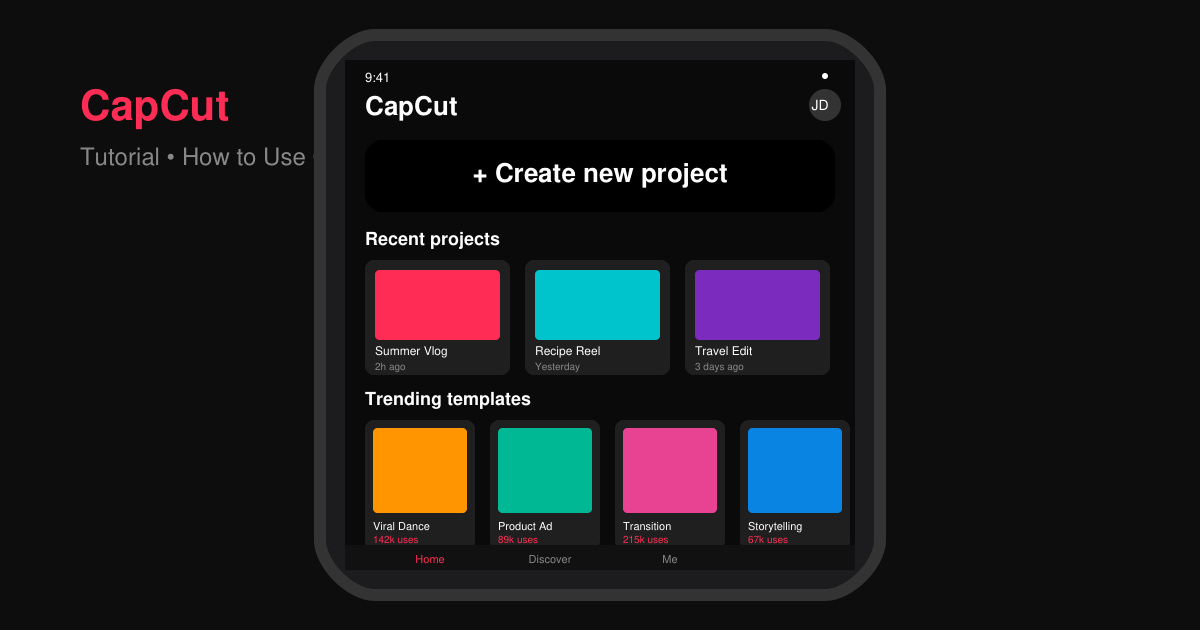
Master how to use CapCut with this practical walkthrough covering project setup, editing tools, effects, and export options for high-quality video results.
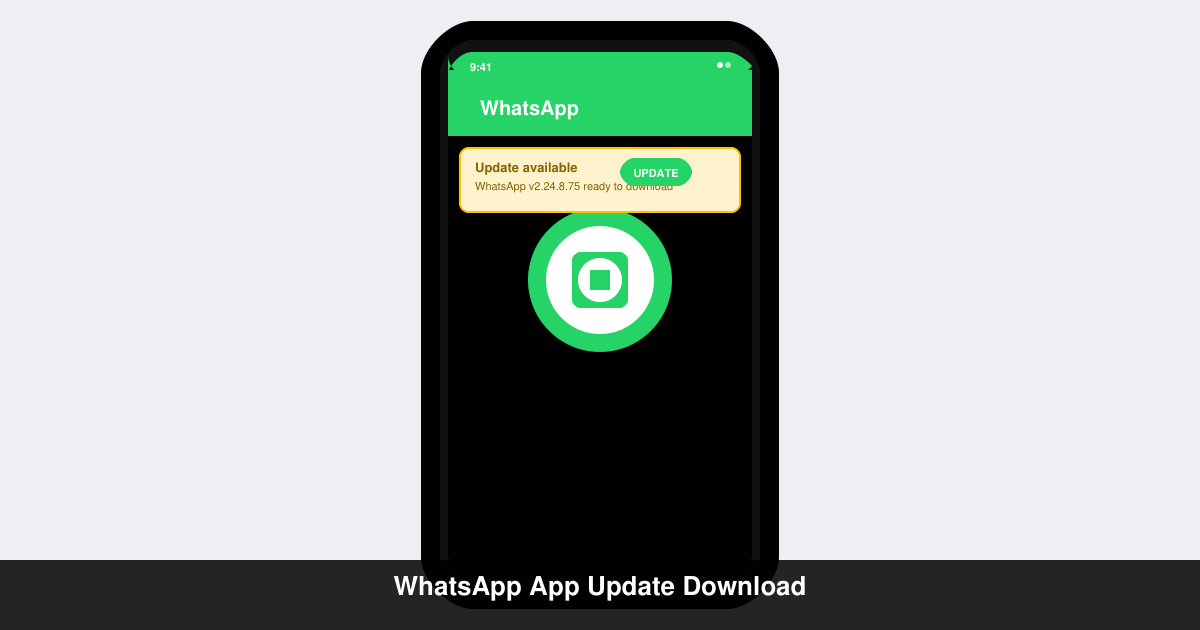
Get the latest WhatsApp App Update Download from official sources to access new features and security improvements. Follow these clear steps for Android and iOS devices.
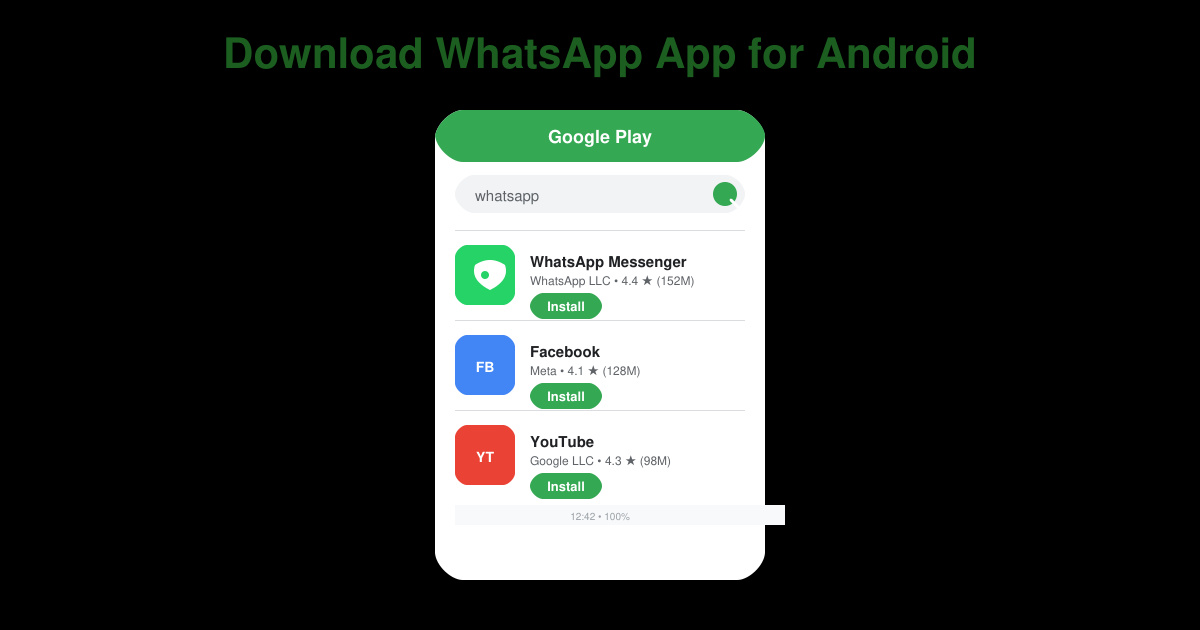
Learn how to safely Download WhatsApp App for Android from the official Google Play Store. Follow our clear step-by-step instructions to install the latest version quickly and securely.
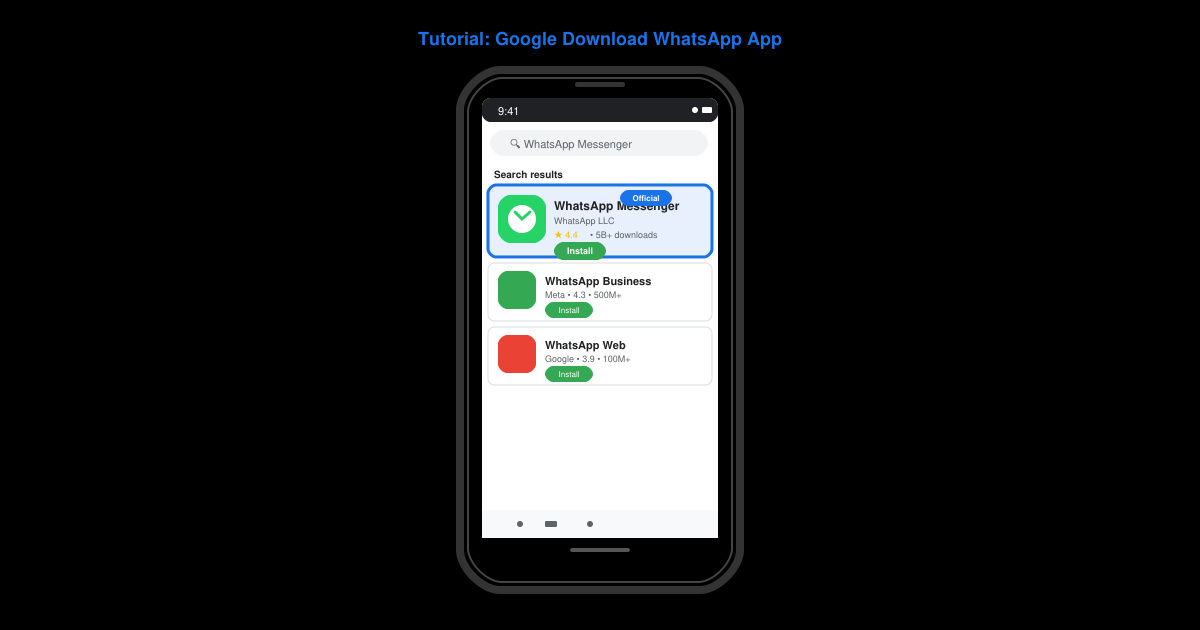
Google Download WhatsApp App safely through the Google Play Store with this clear guide. Get the official version on your Android device quickly and avoid fake downloads.
Facebook and Messenger not working can disrupt your day. Follow these targeted fixes to restore access quickly on mobile and desktop.