How to Update Google Chrome Browser

Learn how to update Google Chrome browser on Windows, Mac, and Android in minutes to enjoy better security, speed, and new features. Follow these clear steps.
With iOS 26, Apple introduced Adaptive Power, which works alongside Low Power Mode. Both are aimed at increasing your iPhone’s battery life , but they work in very different ways. So which is the battery-saving option on your iPhone that you should use?
Low Power Mode on iPhone
Low Power Mode has been available since iOS 9 and is available on all current iPhones. When enabled, it instantly reduces system activity and pauses power-hungry background tasks to extend battery life.
This mode reduces the amount of power your iPhone uses by:
You can turn Low Power Mode on or off at any time. iOS will also prompt you to turn it on when your battery drops below 20%. When your iPhone reaches 80% charge or higher, the mode automatically turns off.
Apple designed this as an emergency battery-saving feature that works best when your iPhone is running low on battery and you can't plug it in right away.
What is Adaptive Power in iOS 26?
Adaptive Power, which debuted in iOS 26, is Apple's latest intelligent battery optimization tool. Unlike Low Power Mode, which drastically reduces battery usage until it turns off, Adaptive Power runs in the background and only activates when battery power is needed most.
Specifically, Adaptive Power can fine-tune iPhone battery usage in real time without slowing down the phone.
The main difference between Adaptive Power and Low Power Mode
| Features | Adaptive Power Mode | Low Power Mode |
| Activate | Auto-Activate | Manual switch or reminder when battery is 20% |
| Impact on performance | Minimal Adjustment | Apps and animations slow down |
| Save battery | Balance between smooth and efficient use | Maximum, drastic reduction of features |
| Features available | Only available on iPhone 15 Pro, Pro Max, and 16 series (AI-enabled models) | Available on almost every iPhone |
| Time of use | Daily heavy use like editing, gaming or video | Emergency use when battery is critically low |
Should I use Adaptive Power or Low Power?
The answer depends on your iPhone model:
Adaptive Power Mode is suitable for:
Use Low Power Mode if:
Both Low Power Mode and Adaptive Power have their merits, but they serve different purposes. The best strategy is to use both. Use Adaptive Power for everyday performance and switch to Low Power Mode when your iPhone's battery is running low.
Learn how to update Google Chrome browser on Windows, Mac, and Android in minutes to enjoy better security, speed, and new features. Follow these clear steps.
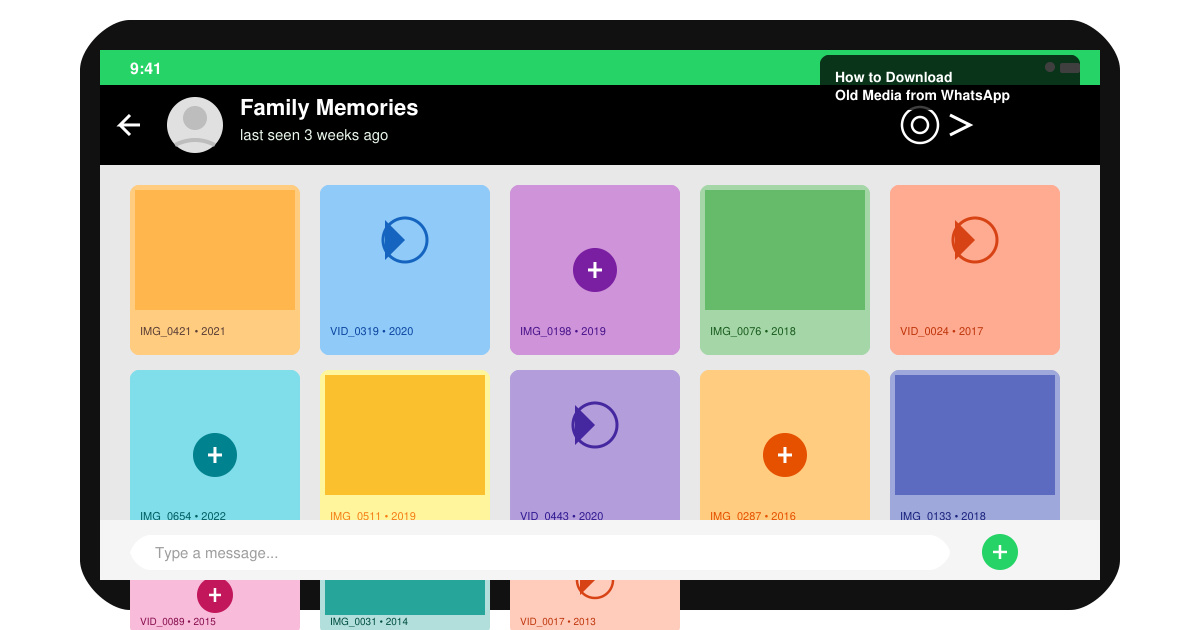
Learn how to download old media from WhatsApp and recover photos or videos from past chats. Follow these clear steps to save files that no longer appear in your gallery.
Facebook Messenger Isn T Working on your device? Use these exact troubleshooting steps to restore chats, calls, and notifications fast on Android, iOS, or desktop.
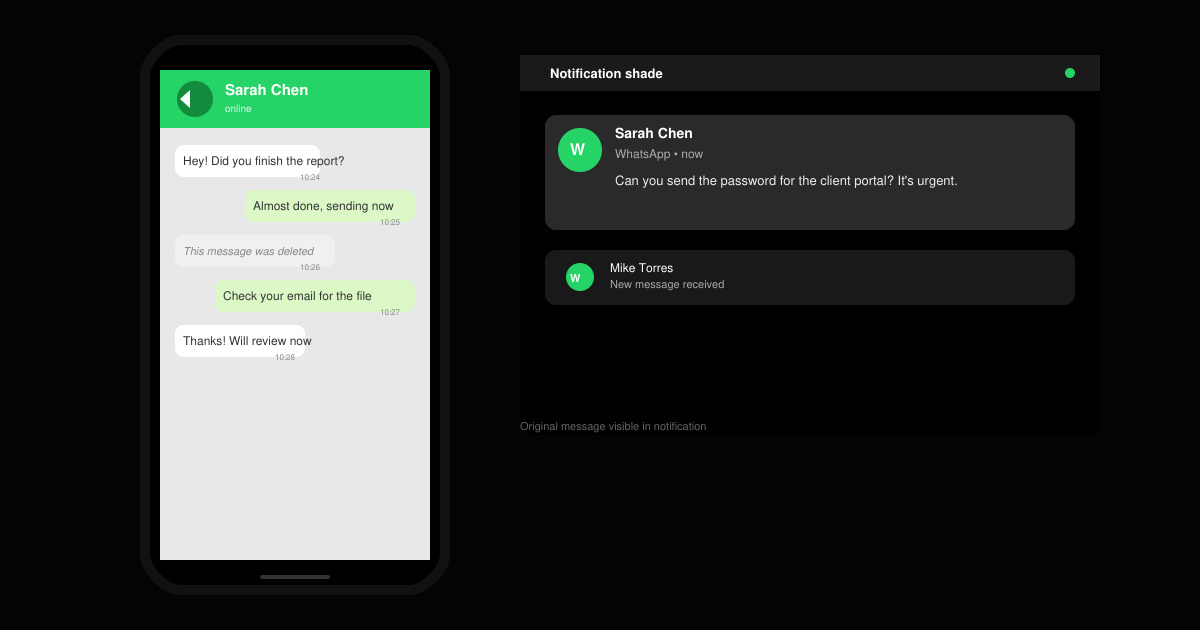
How to See Deleted WhatsApp Messages using your phone's built-in tools. Follow these exact steps to recover messages that contacts have deleted from chats.
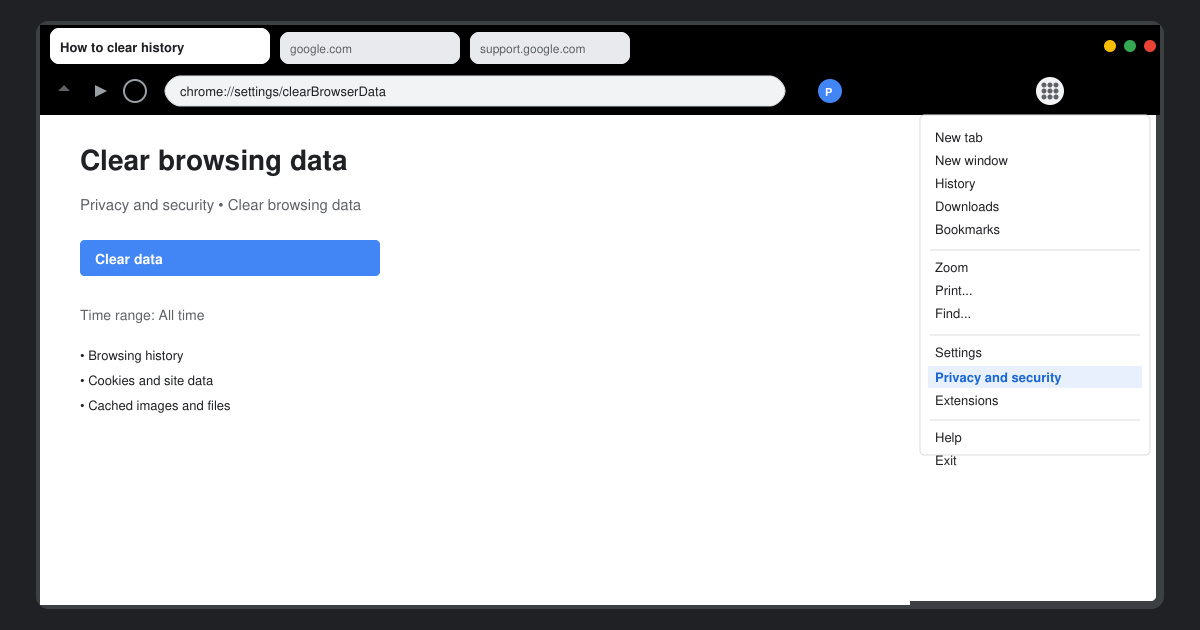
Learn how to clear browser history in Chrome on desktop and Android with this exact step-by-step process. Keep your browsing private and free up storage space quickly.
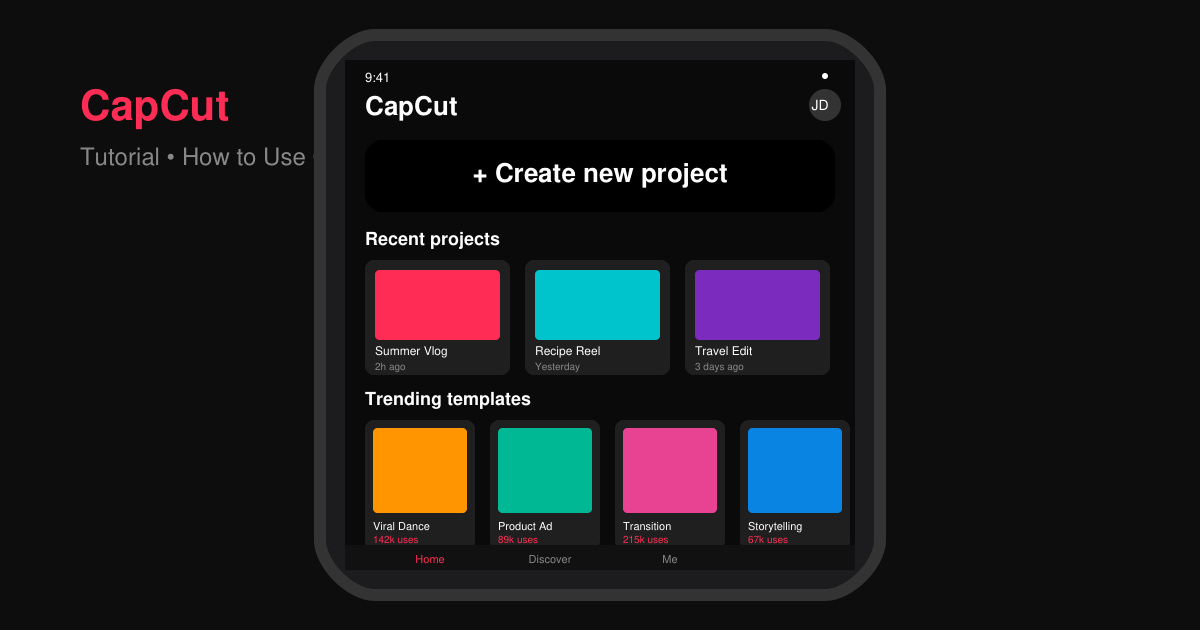
Master how to use CapCut with this practical walkthrough covering project setup, editing tools, effects, and export options for high-quality video results.
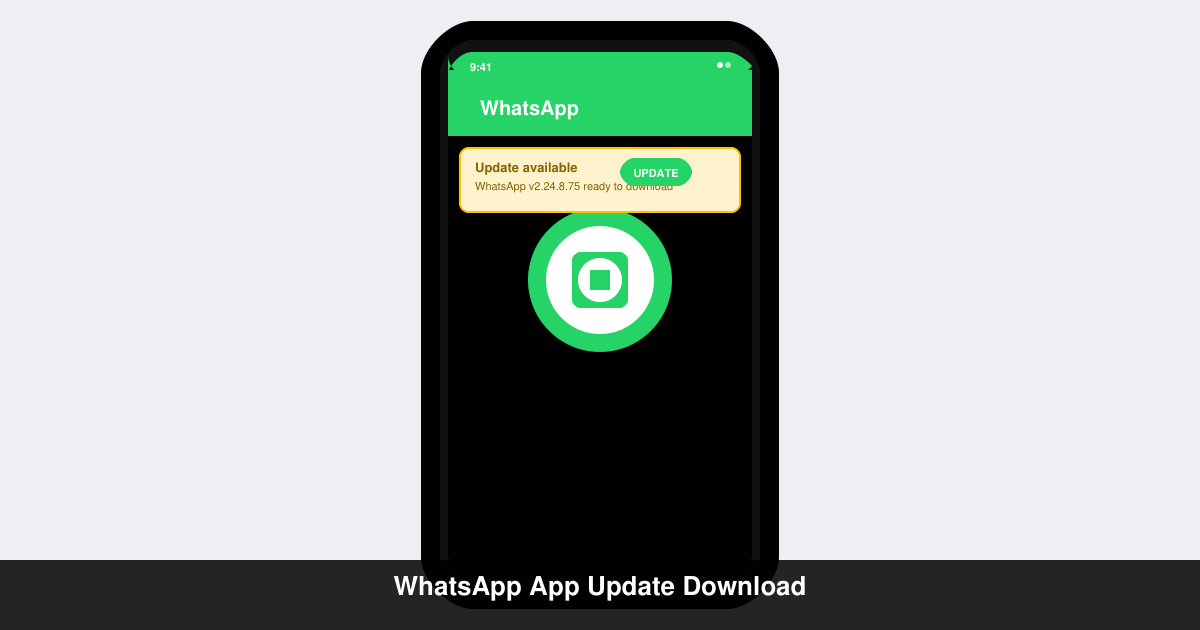
Get the latest WhatsApp App Update Download from official sources to access new features and security improvements. Follow these clear steps for Android and iOS devices.
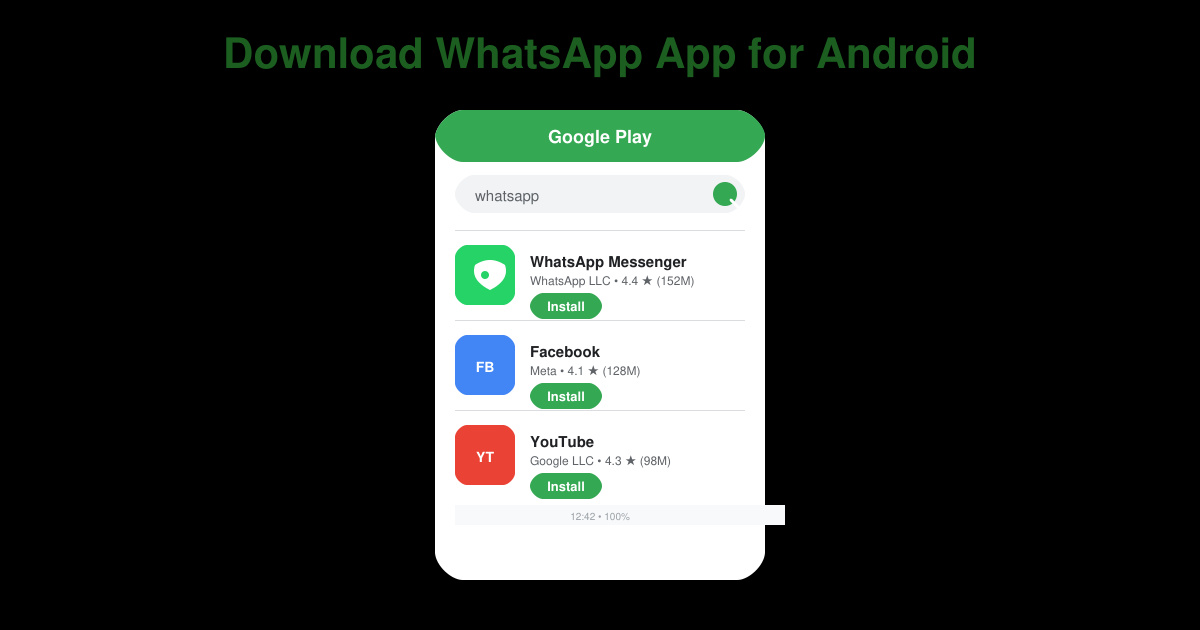
Learn how to safely Download WhatsApp App for Android from the official Google Play Store. Follow our clear step-by-step instructions to install the latest version quickly and securely.
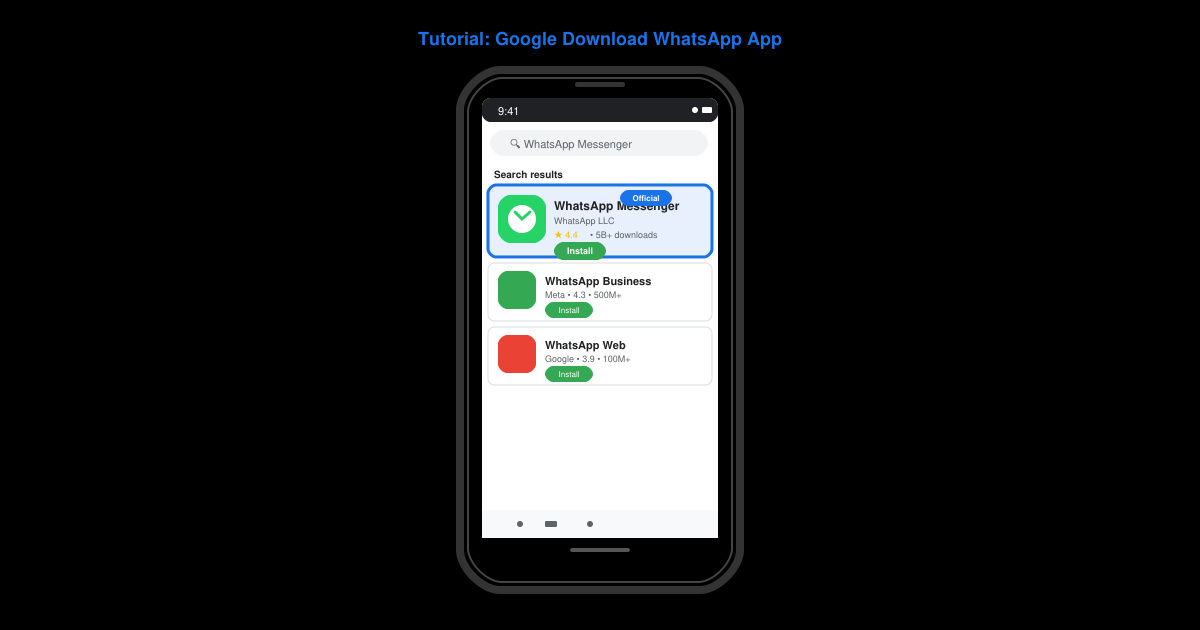
Google Download WhatsApp App safely through the Google Play Store with this clear guide. Get the official version on your Android device quickly and avoid fake downloads.
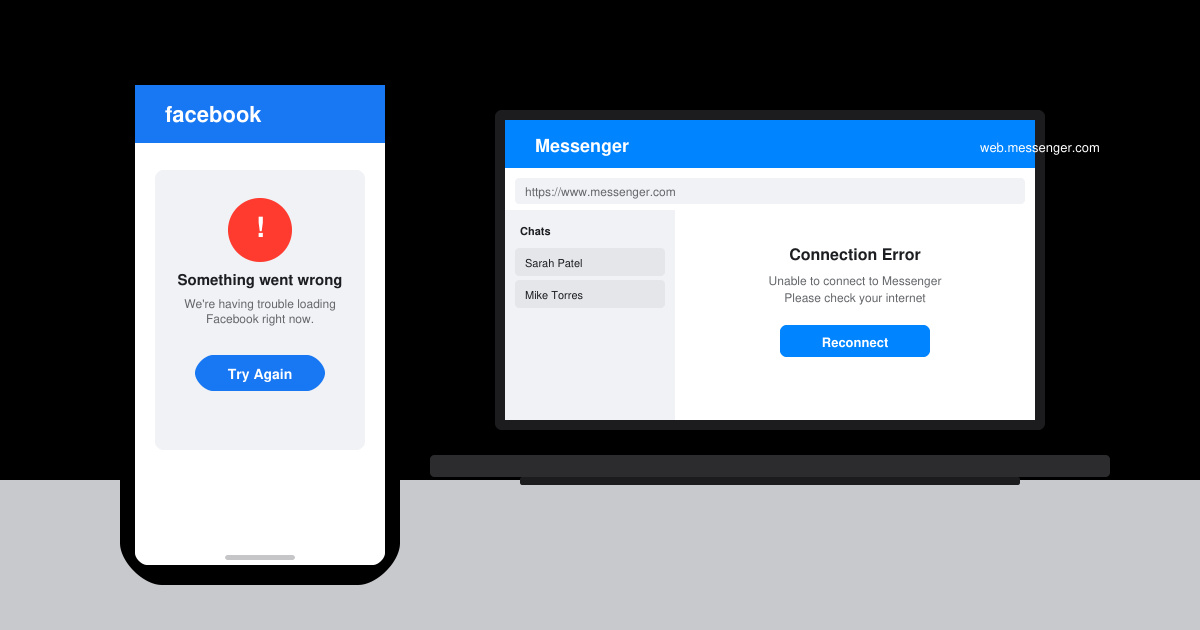
Facebook and Messenger not working can disrupt your day. Follow these targeted fixes to restore access quickly on mobile and desktop.