Could Iran Already Have Nuclear Weapons? How to Read the Evidence

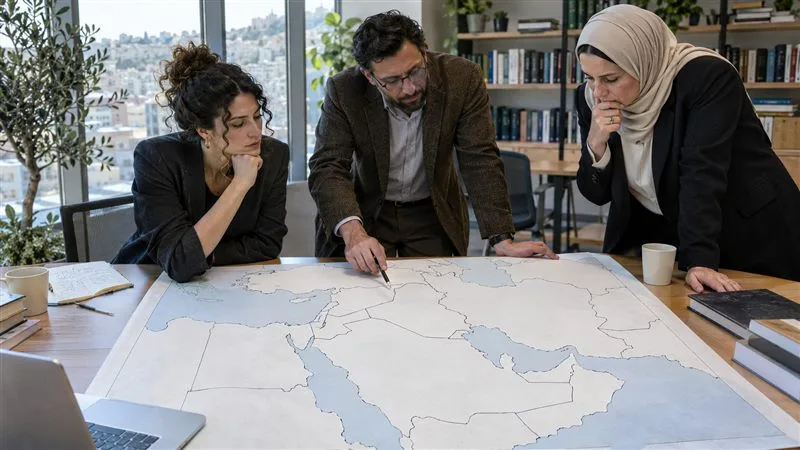
Assess claims about Iran in six steps, distinguishing uranium enrichment, weapons development and verified possession.
If you're spending money on a note-taking app, it's probably time to give up. These free alternatives aren't just "good enough," they're even better than the paid options.
1. Apple Notes
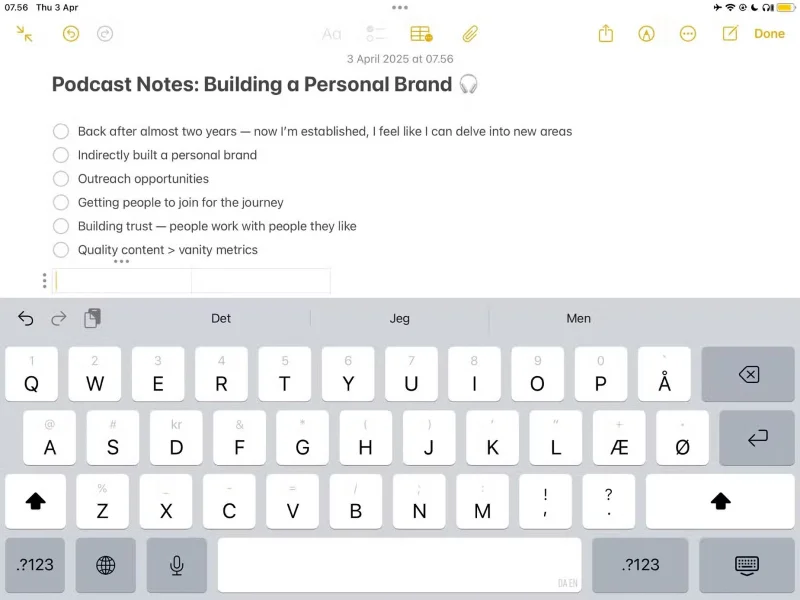
Apple Notes is the best free note-taking app if you have an iPhone, iPad, or Mac. You can use it to journal, make shopping lists, and quickly jot down thoughts that pop into your head throughout the day. It’s incredibly versatile and one of the best free Apple apps.
While Apple Notes used to feel clunky and outdated, the interface has improved significantly over the past decade (though it still lacks some key features). The search feature will find any note you need, meaning you don’t have to worry about keeping everything organized. Plus, you can pin important notes that you want to access quickly later.
2. Google Keep
Google Keep is a simple alternative to Apple Notes that's available on every operating system. On the home page, you can type into a text box to automatically create a new note. Once you're done, you can expand the note to go into more detail.
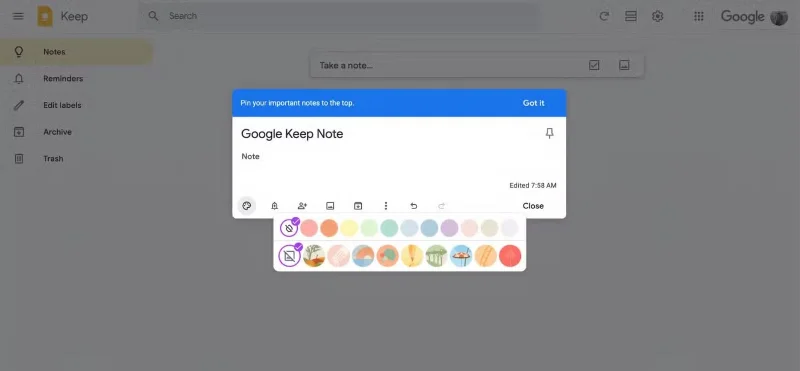
Like Apple Notes, Google Keep lets you pin important notes. When creating new content, you can choose to create a regular note, a to-do list, or a note with an image. Plus, you can customize the background with an illustration or a color.
3. Dropbox Paper
Dropbox Paper is a great note-taking tool if you already use Dropbox to manage your files. You can directly insert files and folders, making it ideal for brainstorming, researching, and working on your big hobbies and creative projects.
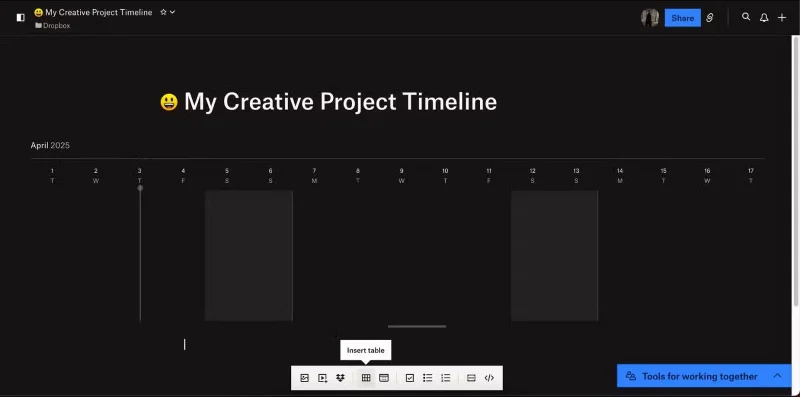
With Dropbox Paper, you can also add code blocks if needed. The app works well if you need to share with others, thanks to its slideshow feature — and for topics that require more planning, you can use the Timeline tool .
4. OneNote
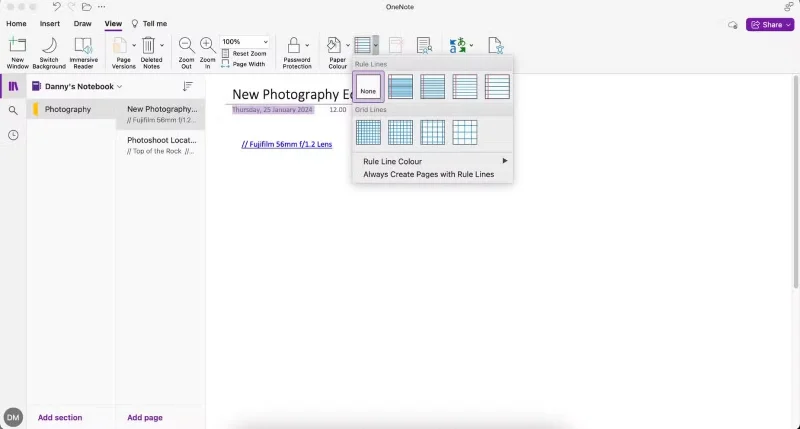
OneNote is Microsoft's answer to Google Keep and Apple Notes. OneNote has a lot of useful features that are little known. For example, you can translate entire pages and add custom tags.
In OneNote, you can create multiple notebooks to organize everything. This feature works similarly to Evernote , although the interface is more intuitive.
If you use Outlook, you can sync your email with OneNote. And even if you don't, you can still sync all your notebooks in OneNote.
5. Simplenote
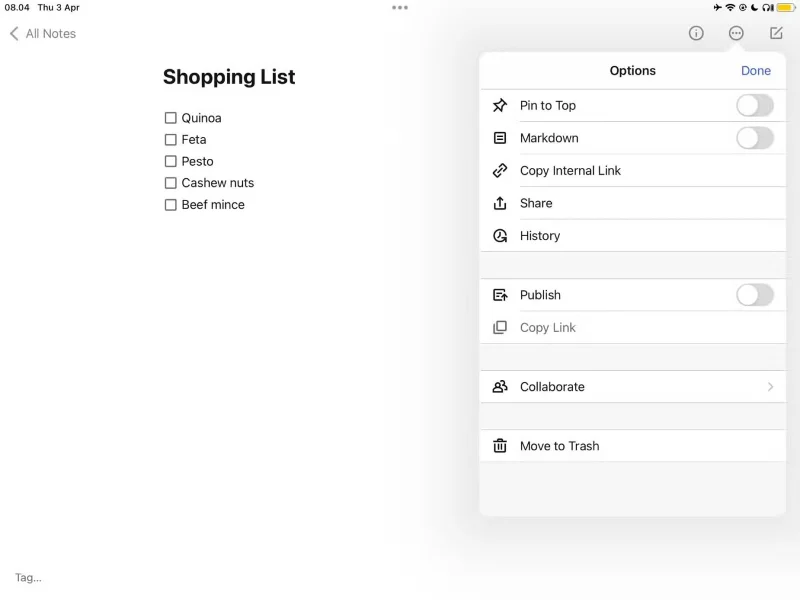
Simplenote does exactly what its name suggests. It’s a no-frills app with a simple interface, and you’ll have access to a number of user-friendly features. For example, you can copy and paste internal links and easily reference your other notes when needed.
If you need to create a checklist, Simplenote has an icon for that purpose. Otherwise, you can type your notes as usual. The app lets you collaborate with others if needed, and you can enable the Pin to Top feature for particularly important notes.
You don't have to pay for a good note-taking app. There are plenty of good, free ones to choose from. No endless pop-ups, no fancy features — just smooth, reliable note-taking.
See also:
Assess claims about Iran in six steps, distinguishing uranium enrichment, weapons development and verified possession.
Understand nuclear decision authority in six steps, including US civilian control and the limits of public information about Israel.
A guide to official 2026 evidence on Hormuz shipping disruption, Iran-related claims, confirmed incidents, and what remains uncertain.
A source-based guide to nuclear escalation risks, UN Charter rules and NATO Article 5 in a strictly hypothetical Iran scenario.
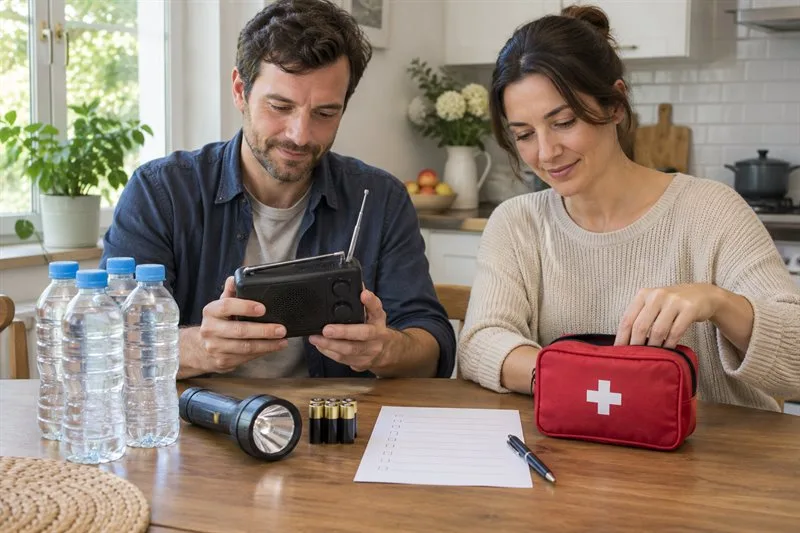
Use five steps to prepare for an outage; nuclear and EMP scenarios are hypothetical, and official shelter instructions come first.
Use 5 defensive steps to verify a cyber disruption, protect household accounts, and avoid mistaking an outage for war.
Use these 5 steps to assess climate effects from a hypothetical Iran strike, compare model assumptions, and avoid unsupported predictions.
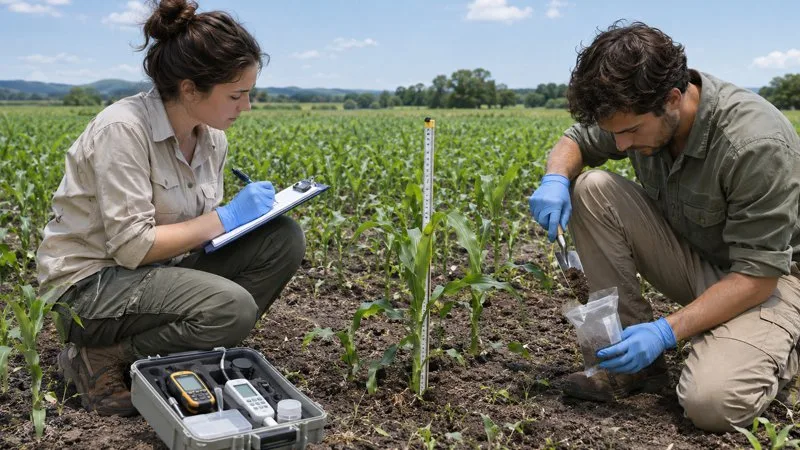
Explore six steps for reading research on climate, food and ecosystem recovery after a hypothetical nuclear conflict.
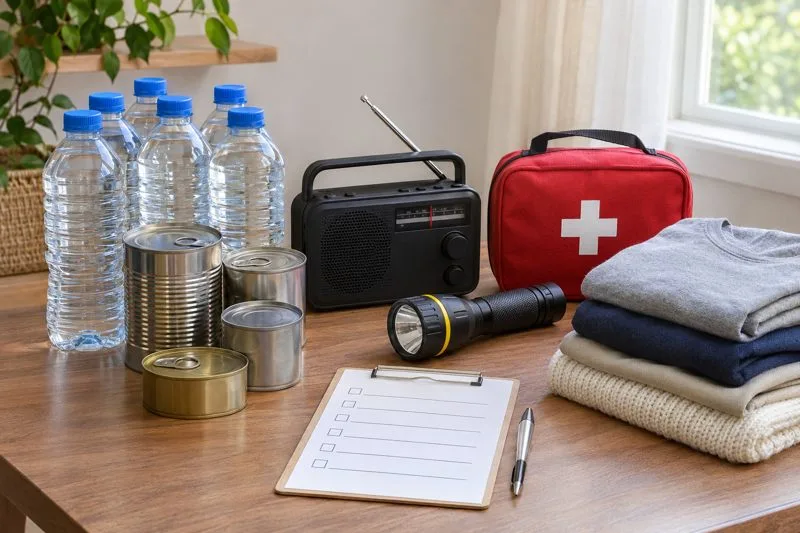
Build a practical fallout preparedness kit in six steps, with sealed food and water, a radio, medical supplies and shelter guidance.
Use six steps to assess Middle East power shifts, test evidence, compare scenarios, and avoid mistaking short-term crisis moves for lasting alliances.