
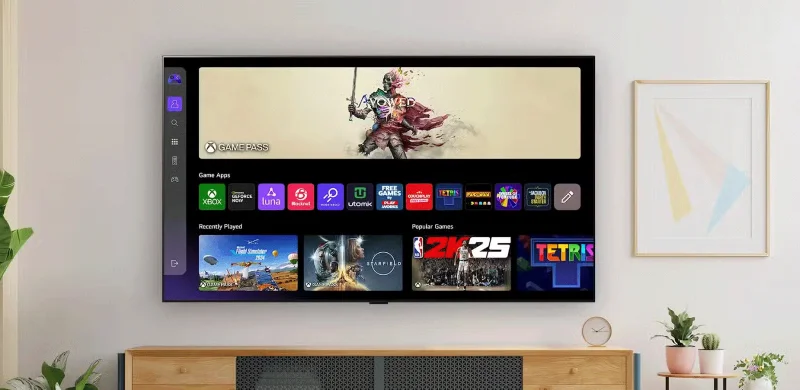
Would Europe Be Drawn into a Hypothetical U.S.-Israel-Iran Nuclear War? NATO Rules Explained

A guide to NATO Articles 4 and 5, UN self-defense rules, and why consultation does not mean automatic European entry into war.
Buying a new Smart TV can seem like a complicated process. There are so many specs and features to consider! That's why when shopping for a new Smart TV, here are 6 specific features to look for.
Table of Contents
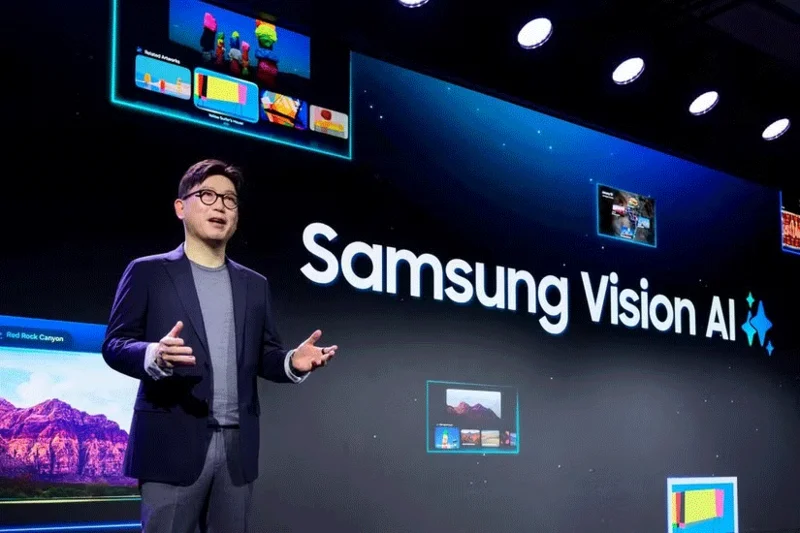
One of the most significant advancements in Smart TV technology over the past few years has been the integration of Artificial Intelligence (AI) . AI voice assistants like Alexa, Bixby, and Google Assistant have become standard fixtures on many models. Furthermore, Microsoft Copilot will be available on TVs in 2025, adding even more AI options.
In addition to voice assistants and machine learning algorithms that understand our viewing habits, AI is improving the quality of the content we watch in real time. Using technologies like AI upscaling, modern TVs can take lower-resolution content (such as standard definition or HD programming) and intelligently upscale it to 4K or even 8K quality . This ensures that no matter what you’re watching, the experience is optimized to the latest standards.
A major step forward in the rise of Smart TV picture quality is QLED displays. They improve the color and brightness of TVs using quantum dots – tiny particles that emit specific colors when illuminated by a light source. Although the technology has been around since 2013, it is now considered the benchmark for TV picture quality because it produces more vibrant and accurate colors than LED or OLED displays.
Additionally, many 2025 models will feature advanced HDR (High Dynamic Range) capabilities, such as Dolby Vision and HDR10+ , which offer high contrast and a wider color gamut. While HDR technology has been available in consumer TVs for nearly 10 years, Technicolor’s upgraded version of Advanced HDR was demonstrated at CES 2025. This technology promises to be a huge leap forward in image quality using Machine Learning (AI) and will soon be adopted by many manufacturers.
As picture quality improves dramatically, audio technology must keep up. Many 2025 TVs come with sophisticated audio systems like Dolby Atmos and DTS:X built in, providing an immersive audio experience without the need for external speakers or a soundbar.
Some of the most advanced systems include Object-Tracking Sound (OTS), which uses built-in speakers to project sound from specific points on the screen, creating a more realistic audio experience. Some brands also incorporate advanced AI-driven sound modes to adapt to your environment. These systems automatically adjust the sound based on the room’s acoustics and the type of content being viewed.
Integration with other smart devices has reached a new level, turning your TV into the hub of your connected smart home . Many new Smart TVs have built-in home automation features, often voice-activated through assistants like Amazon Alexa or Google TV.
As we move into 2025, advanced features like built-in Zigbee, Z-Wave, and Matter support are making modern TVs more compatible with a wider range of devices and gadgets across different ecosystems. These features ensure that no matter what other smart devices you have, they all work seamlessly together.
With advancements in Wi-Fi technology, especially Wi-Fi 6 and 6E, streaming performance has improved dramatically. Users can now experience faster speeds, lower latency, and are less likely to experience the dreaded buffering problem when multiple devices are connected to the Internet.
Some modern TVs, like LG’s AI TVs, use machine learning to make managing streaming content easier. These TVs feature improved user interfaces and concierge-style algorithms that recommend movies and shows based on your tastes, viewing history, and preferences. By combining machine learning with multiple user accounts, TV recommendations can be tailored to each family member across multiple streaming platforms, greatly simplifying your home setup.
By 2025, Smart TV gaming capabilities will have advanced significantly, with growing support for cloud gaming services like Google Stadia, Xbox Cloud Gaming, and NVIDIA GeForce Now. These services allow users to play graphically demanding games directly from the cloud on their Smart TVs.
Additionally, many Smart TVs now support 120Hz refresh rates, which is essential for smooth, responsive gameplay. For serious gamers, the integration of features like VRR (Variable Refresh Rate) and ALLM (Auto Low Latency Mode) provides a Smart TV gaming experience that rivals that of a dedicated gaming monitor.
If you’re shopping for a new Smart TV in 2025, you’ll want to stay abreast of what’s happening in the industry. You’ll also want to make sure your purchase is “future-proof” without needing to upgrade ahead of time. As the centerpiece of your modern entertainment system, your new TV should fit your lifestyle and preferences. So if you’re considering a TV, keep these six features in mind.
A guide to NATO Articles 4 and 5, UN self-defense rules, and why consultation does not mean automatic European entry into war.
Assess claims about Iran in six steps, distinguishing uranium enrichment, weapons development and verified possession.
Understand nuclear decision authority in six steps, including US civilian control and the limits of public information about Israel.
A guide to official 2026 evidence on Hormuz shipping disruption, Iran-related claims, confirmed incidents, and what remains uncertain.
A source-based guide to nuclear escalation risks, UN Charter rules and NATO Article 5 in a strictly hypothetical Iran scenario.
Use five steps to prepare for an outage; nuclear and EMP scenarios are hypothetical, and official shelter instructions come first.
Use 5 defensive steps to verify a cyber disruption, protect household accounts, and avoid mistaking an outage for war.
Use these 5 steps to assess climate effects from a hypothetical Iran strike, compare model assumptions, and avoid unsupported predictions.
Explore six steps for reading research on climate, food and ecosystem recovery after a hypothetical nuclear conflict.
Build a practical fallout preparedness kit in six steps, with sealed food and water, a radio, medical supplies and shelter guidance.