Home
» Wiki
»
6 Reasons to Skip Your Smart TV and Buy a Streaming Stick Instead
6 Reasons to Skip Your Smart TV and Buy a Streaming Stick Instead
Smart TVs have built-in features and apps that seem convenient, but they’re not good enough. After dealing with clunky interfaces and sluggish performance, many people have finally decided to ditch Smart TV apps altogether and switch to Apple TV 4K full-time. Here’s why!
While high-end Smart TVs have good hardware, most budget and mid-range models are underpowered. Apps take too long to launch, the interface lags, and basic actions are slow.
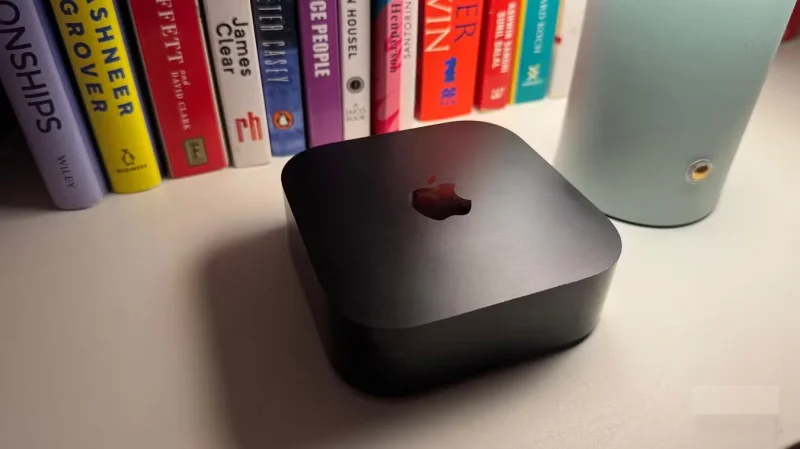
Devices like the Apple TV 4K or Google TV Streamer are simply better. They’re optimized for speed, boot up faster, and switching between apps is easy. For those who hate slow, outdated interfaces, the difference is clear. It’s better to plug in a neat little device that works than to deal with bloated, outdated Smart TV software after a year.
5. Get more frequent software updates
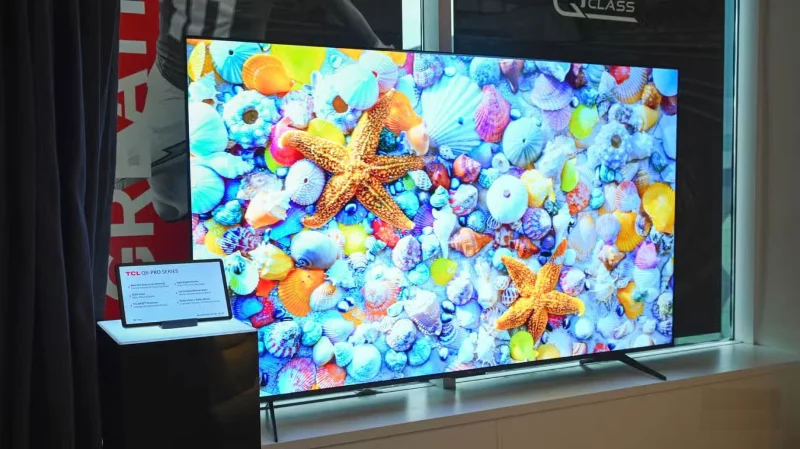
TCL Q6 Pro Series TV at CES 2024
Smart TVs have gotten better with updates, but you're still at the mercy of the manufacturer's update cycle - which can be slow or inconsistent. With streaming sticks, that's not an issue.
Streaming devices like the Apple TV or Amazon Fire TV Stick receive regular updates across all models, adding new features and improving performance. What’s more, all Apple TVs get updates at the same time. Google and Amazon take a similar approach with their streaming sticks. In contrast, many Smart TVs go more than a year without a meaningful update.
4. Easier to upgrade over time
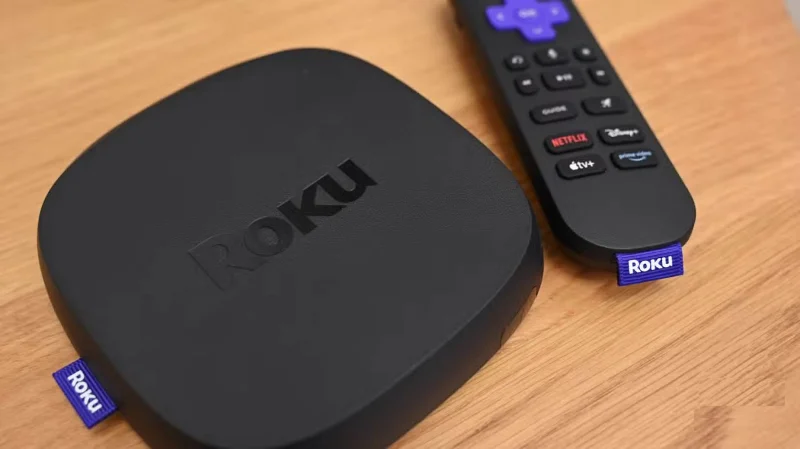
Roku Ultra next to Voice Remote Pro
Unlike smartphones, which we upgrade every year or two, Smart TVs tend to sit in our living rooms for years. Over time, Smart TVs can become slow, even if the screen, sound, and other hardware are still working perfectly. In these cases, you're often forced to upgrade the entire TV — even if everything else is fine.
Using a streaming device eliminates that problem. When your streaming stick starts to slow down, you can simply swap it out for a newer model and get blazing fast performance back in no time. And all for a fraction of the cost of a new Smart TV.
3. You can carry it with you anywhere, anytime
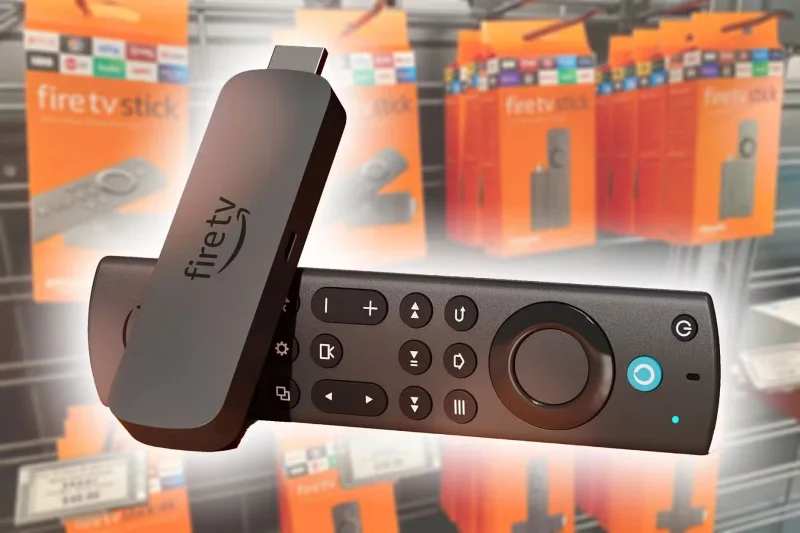
Amazon Fire Stick 4K Max
Another benefit of using a streaming stick over built-in Smart TV software is portability. Unlike a TV, you can take your streaming stick with you wherever you go. Whether you’re staying at a hotel or visiting a friend’s house, simply plug it into an HDMI port and you’ll have your favorite streaming apps, options, and services at your fingertips. You won’t have to re-enter your login information or deal with someone else’s setup.
2. Streaming devices support more apps and services
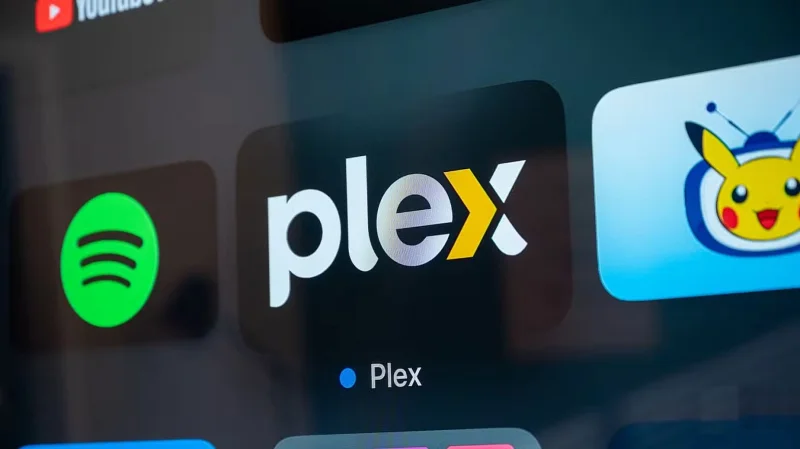
Plex App on Apple TV
While Smart TVs often come with a few popular apps pre-installed, they often don't support many new or specialized streaming services. Some apps aren't available at all or don't run well.
Streaming devices like Chromecast , Roku, and Fire TV Stick offer access to more apps. And they often offer better performance. In fact, these devices often have access to new apps before Smart TVs.
1. Much more cost effective setup
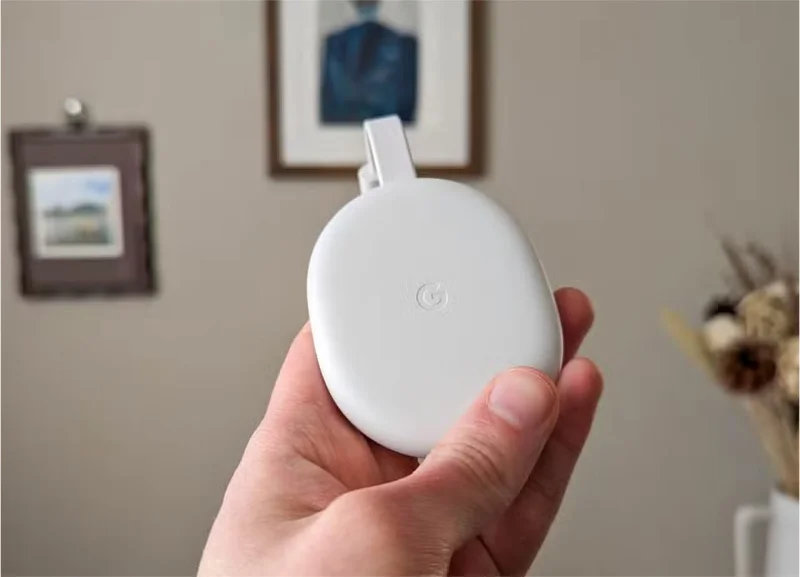
Chromecast 4K with Google TV
Getting both great performance and a high-quality picture on a Smart TV can be expensive. Higher-end models with fast software cost significantly more. But if you’re happy with your current TV’s screen and sound, adding a streaming stick is a much more cost-effective option.
For under $50, devices like the Chromecast with Google TV or the Fire TV Stick 4K offer faster performance, more reliable updates, and better app support than most built-in smart TV platforms. You don’t have to pay extra for software that might slow down within a year. And when it’s time to upgrade, replacing the device is much cheaper than replacing the entire TV.
If your TV still works fine in terms of screen and sound and it's just the software that's outdated, then upgrading to a streaming device makes much more sense.
Until manufacturers start taking software as seriously as screen and sound quality, many people will decide to stick with their streaming devices. They won't be replacing their Smart TVs anytime soon — at least not because of slow software.