Fix “No Bootable Device Found” After Installing Debian on UEFI
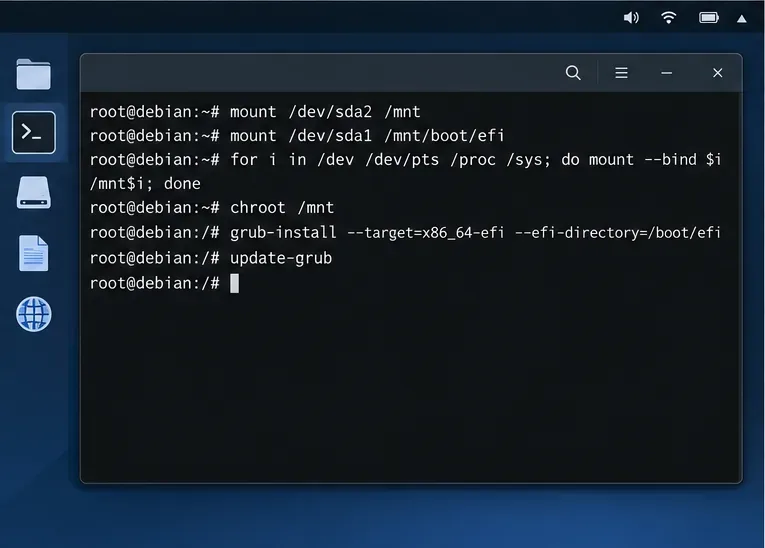
Fix Debian’s UEFI boot error by checking boot mode, the EFI System Partition, GRUB files, and firmware boot order—without reinstalling Debian first.
Using Windows File Explorer with keyboard shortcuts every day will help you perform operations faster than traditional operations. Below are some essential Windows File Explorer shortcuts every day.
Windows+E (Open File Explorer)
The Windows+E shortcut quickly opens File Explorer and takes you to the File Explorer home page. However, if you want to open it somewhere else, click the three-dot icon , then click Options , then select the other item you want to open right away from the Open File Explorer to drop-down menu .

Ctrl+T (Open a new File Explorer tab)
File Explorer has integrated tab feature like browser. When pressing Ctrl+T shortcut, a new Home tab will open. If you want to open another tab, you just need to adjust at Open File Explorer in Options.

Ctrl+N (New File Explorer window)
When you need to move files between folders, the Ctrl+N shortcut quickly opens two File Explorer windows side by side.
Ctrl+Shift+N (New Folder)
When you create a new folder, instead of right-clicking and using the context menu to create, you can simply press Ctrl+Shift+N to create a new folder.

Windows Key + Arrow
You can easily click and drag a Window across the screen, but if you want to drag a window to a specific side of the screen, a keyboard shortcut might be faster.
To minimize a window to one side of the screen, hold down the Windows key and then press the appropriate arrow key.
Ctrl+F (Search)
Instead of clicking the search bar, just press Ctrl+F whenever you need to find a file in Windows File Explorer.
Ctrl+W (Close File Explorer)
Ctrl+W is quite similar to the Alt+F4 shortcut in File Explorer, closing your current window immediately.
Fix Debian’s UEFI boot error by checking boot mode, the EFI System Partition, GRUB files, and firmware boot order—without reinstalling Debian first.
The Outlook Inbox Repair Tool fixes corrupted PST files quickly so you can recover emails and restore normal Outlook function. Follow these exact steps to run scanpst.exe without data loss.
Get the Adobe PDF Installer Offline to install Acrobat Reader on any PC without needing internet during setup. Follow these exact steps for the full standalone package.
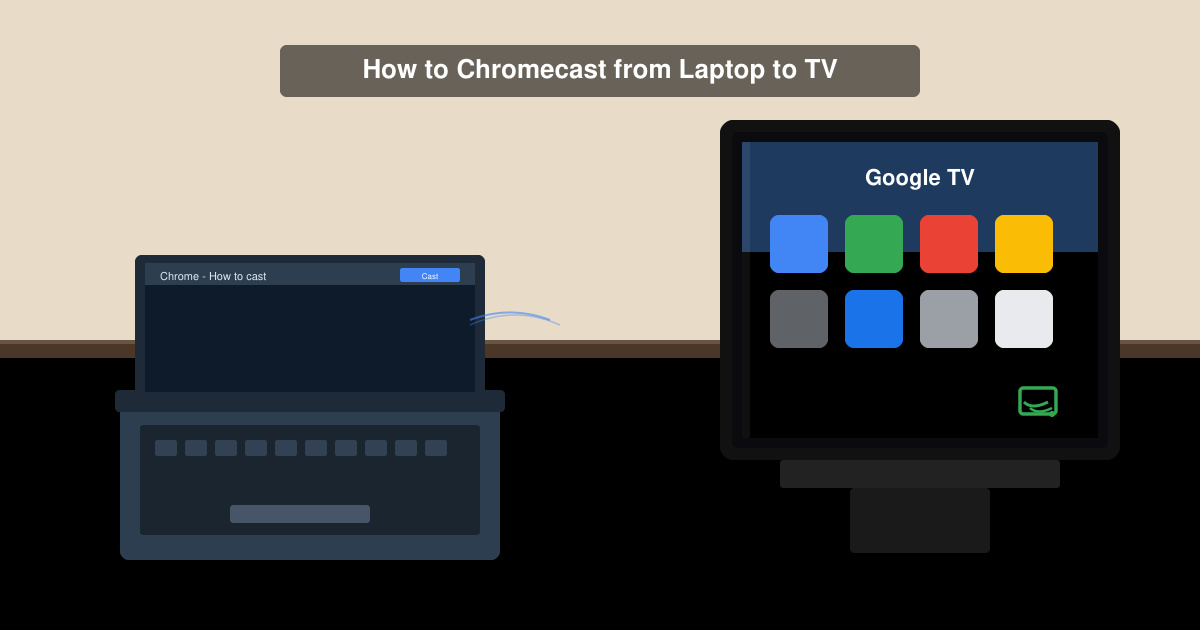
Learn how to Chromecast from laptop to TV with this step-by-step guide. Stream browser tabs, videos, or your full screen from Windows or Mac to your TV in minutes.
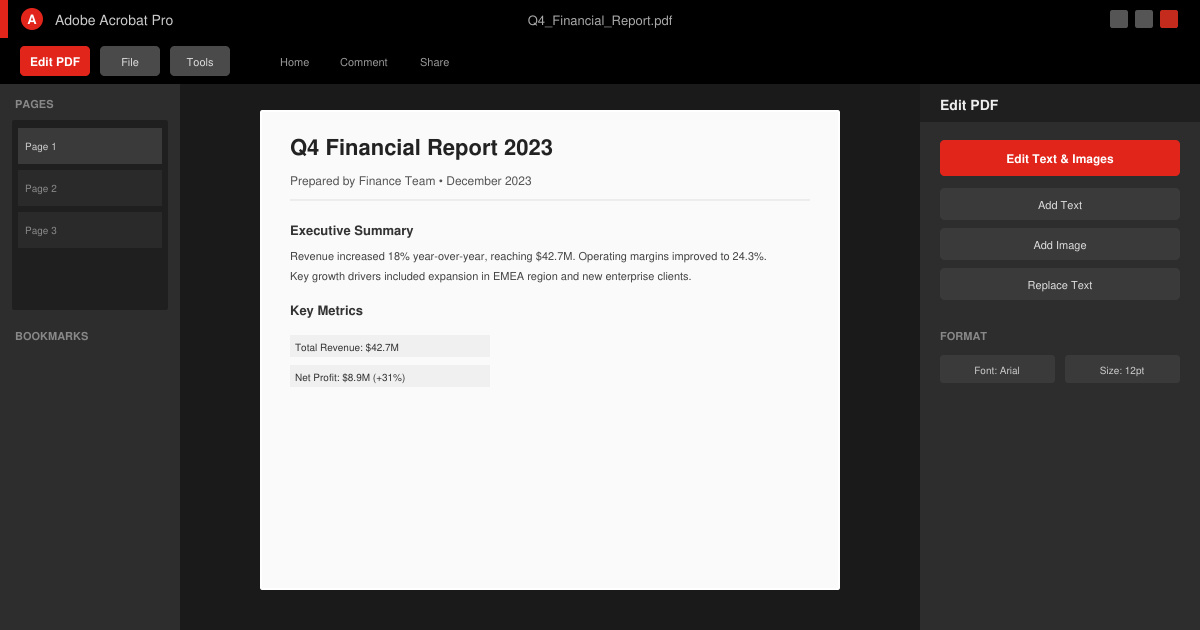
Learn how to edit an Adobe PDF file in Adobe Acrobat with precise steps for text, images, and layout changes. Make professional edits quickly and save time.
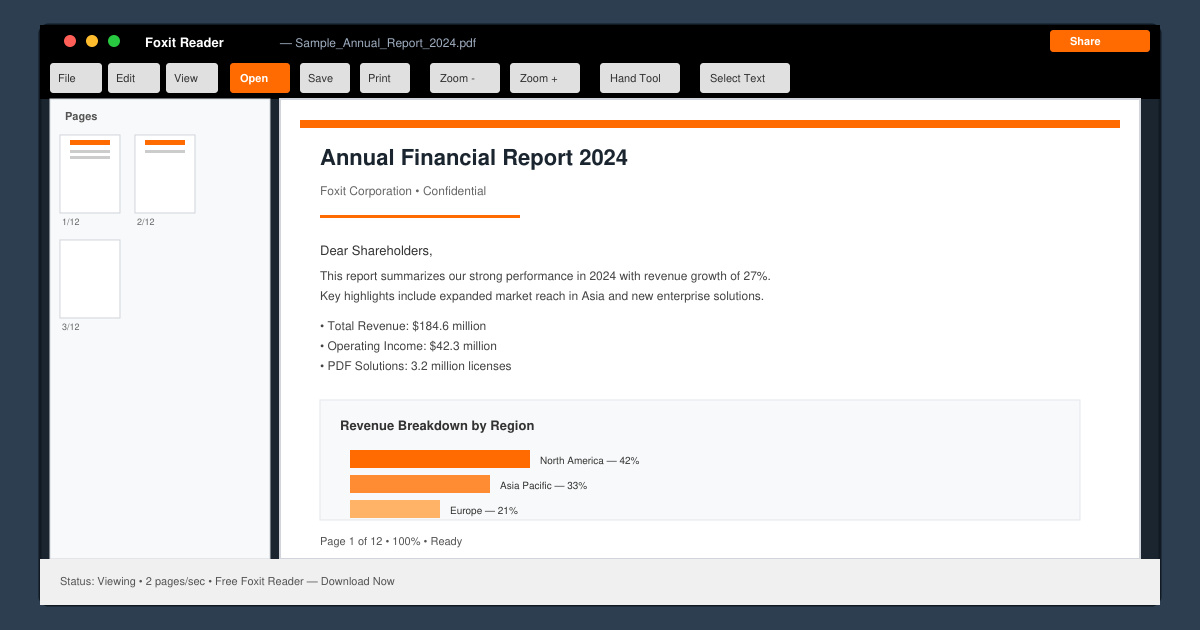
Get your Free Foxit Reader Free Download from the official source with this step-by-step guide that ensures a safe and quick installation for viewing PDFs.
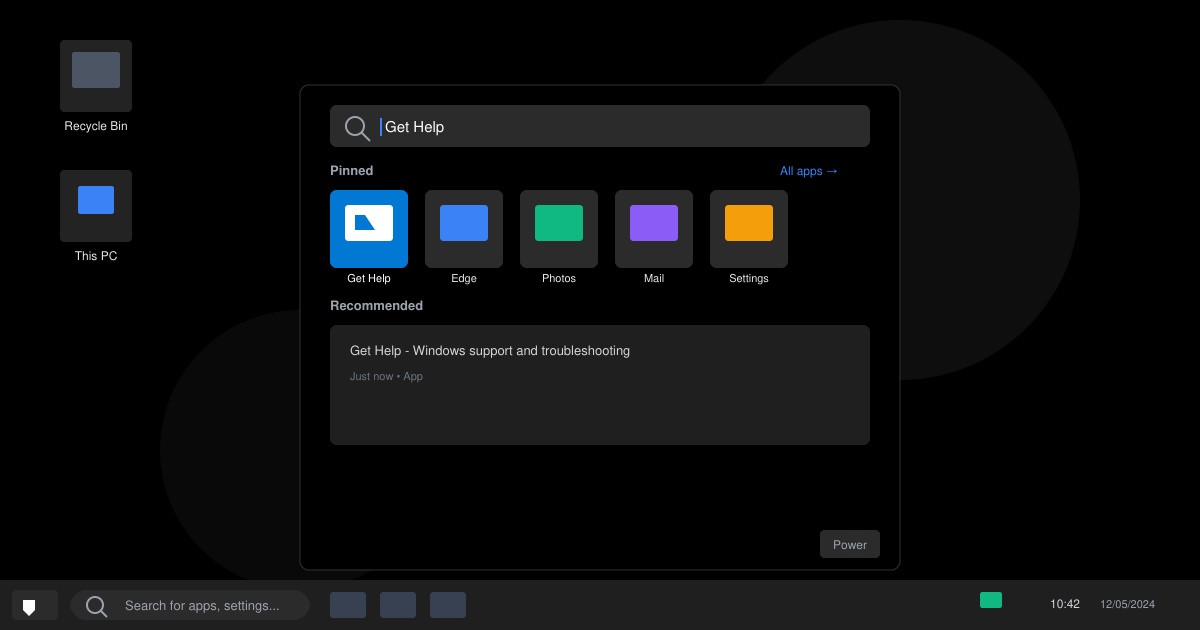
Learn how to get help in Windows 11 with built-in tools like the Get Help app and Quick Assist for fast, official support without third-party downloads.
Learn how to retract an Outlook email in Microsoft Outlook when you need to correct a mistake before the recipient opens it. Follow these precise steps for Exchange accounts.
Learn how to Chromecast in Samsung TV by connecting a Chromecast device and streaming from your phone or computer in just a few minutes.
Get the official Adobe Acrobat DC Reader free download safely. Follow this step-by-step guide to install the latest version for viewing and editing PDFs on Windows or Mac.