How to Update Google Chrome Browser

Learn how to update Google Chrome browser on Windows, Mac, and Android in minutes to enjoy better security, speed, and new features. Follow these clear steps.
It's easy to think of screenshots as temporary, but many of us never delete them. The danger is that some of them can become gold mines for hackers, identity thieves, or even just curious friends. So take a minute and scroll through your photo library to see if you have any of these screenshots—then back them up and delete them immediately.
7. Bank account balance
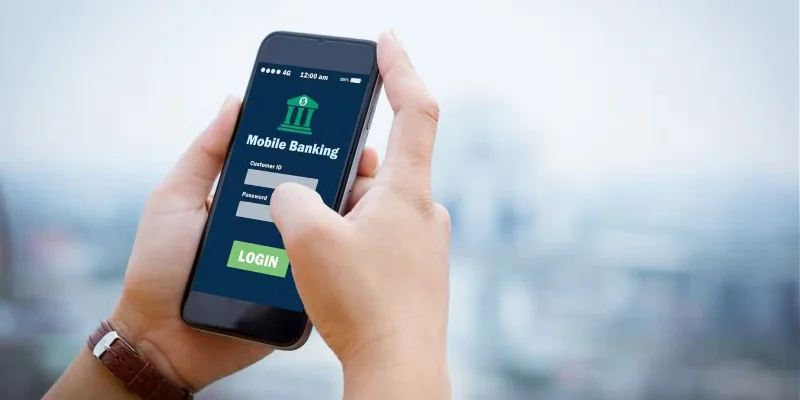
Taking a screenshot of your bank balance might seem harmless, whether you want to track your savings or confirm a transfer. But those seemingly harmless numbers can be dangerous in the wrong hands.
Bank screenshots often include more than just your balance. You might get a partial screenshot of your account number, recent transactions, or even your bank’s logo and app interface. If your phone is lost or hacked, someone could get information about where your bank is, how much money you have, and how you spend it.
With this type of information, cybercriminals can create convincing phishing messages, impersonate your bank, or even use them as part of a larger identity theft scheme.
6. Password or login information
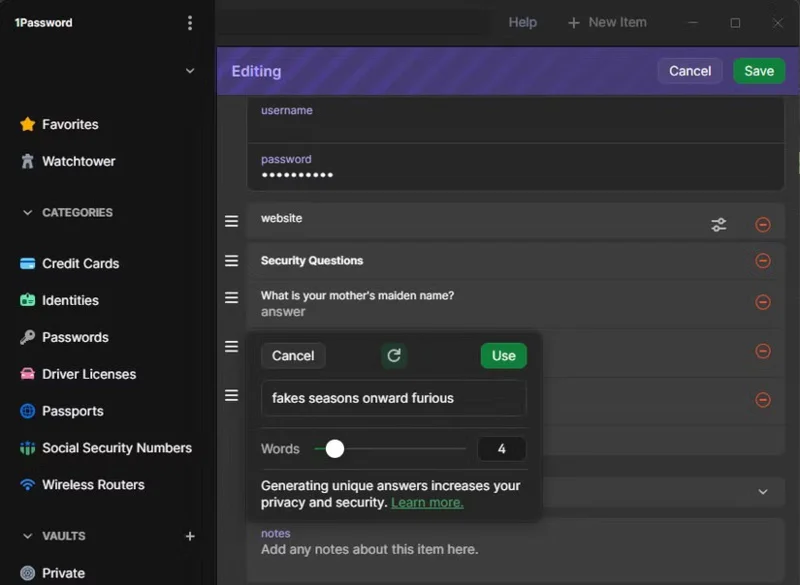
Maybe you just set up a new Wi-Fi network and took a screenshot of the password. Or maybe you took a photo of your password manager's vault for quick reference, or took a screenshot of your two-factor authentication (2FA) code before switching devices.
Whatever the reason, storing passwords or logins in your photo library is asking for trouble. Unlike a regular password manager , your photo library isn't encrypted, and chances are, multiple apps already have access to it.
Just one application vulnerability, cloud sync breach, or a curious person with unfettered access can lead to multiple compromised accounts.
5. Identity documents and travel documents
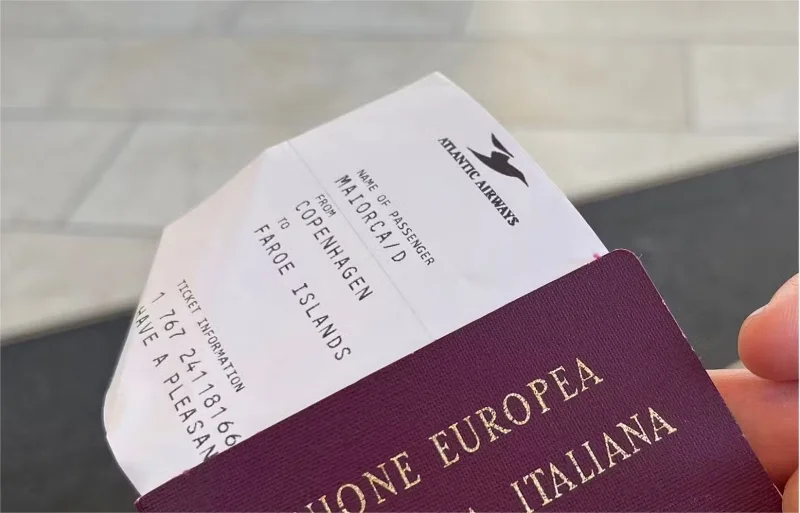
If you've ever traveled and wanted a copy of your passport, visa, or driver's license, you've probably taken a screenshot for your convenience. While that's understandable, it's not entirely safe.
These documents contain sensitive personal data: your full name, date of birth, nationality, document number, and sometimes even your signature or photo. If hackers gain access to your photo library, they can take your entire identity profile, not just a photo.
4. Private conversation
Saving screenshots of text messages, DMs, or emails may be commonplace, but the problem is that they often come with risks. You could accidentally get someone’s phone number, username, or email. Conversations can also delve into private matters, like personal stories, inside jokes, and business matters that should never leave the chat bubble.
If you really need to save a screenshot of a message, do yourself (and others) a favor and copy and paste the important part into a secure notes app, or remove the identifying parts and move it to a safer place.
3. Medical records or test results
Health information is very personal and should not be taken lightly, especially when it is captured. You may have saved your prescriptions, test results, or even hospital bills, but the problem is that your medical records reveal a lot. They can be misused in ways you might not expect.
If you need to access your health information on the go, it's safer to use your healthcare provider's official app, as it may have built-in privacy protections.
2. Purchase confirmation or e-ticket
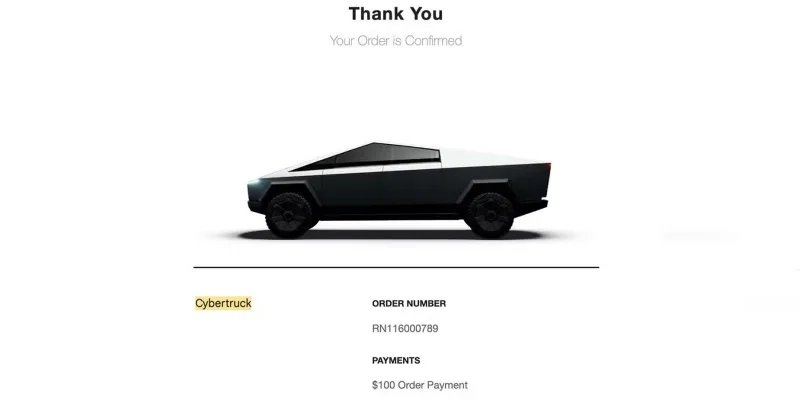
Screenshots of order confirmations, event tickets, or purchase receipts are also often filled with details that criminals can use for nefarious purposes. QR codes and barcodes in e-tickets are particularly dangerous. If someone has access to the image, they can scan the code and use it before you can. They can even resell the e-tickets screenshot online before you, the original owner, realize what has happened.
For receipts or online shopping confirmations, consider forwarding the emails to yourself with a simple custom subject line, then saving them to a designated folder in your inbox. That way, they're easy to find when you need them, and they don't sit dormant in your photo library for any nosy apps to peek at.
1. Working documents
Work-related screenshots can leak sensitive company information, project details, or customer data. Even seemingly mundane content can reveal names, logins, or undisclosed initiatives that could violate non-disclosure agreements (NDAs) or data protection policies.
Not only could this get you into trouble with your employer, but if your phone is compromised, the breach could extend far beyond your personal data.
Learn how to update Google Chrome browser on Windows, Mac, and Android in minutes to enjoy better security, speed, and new features. Follow these clear steps.
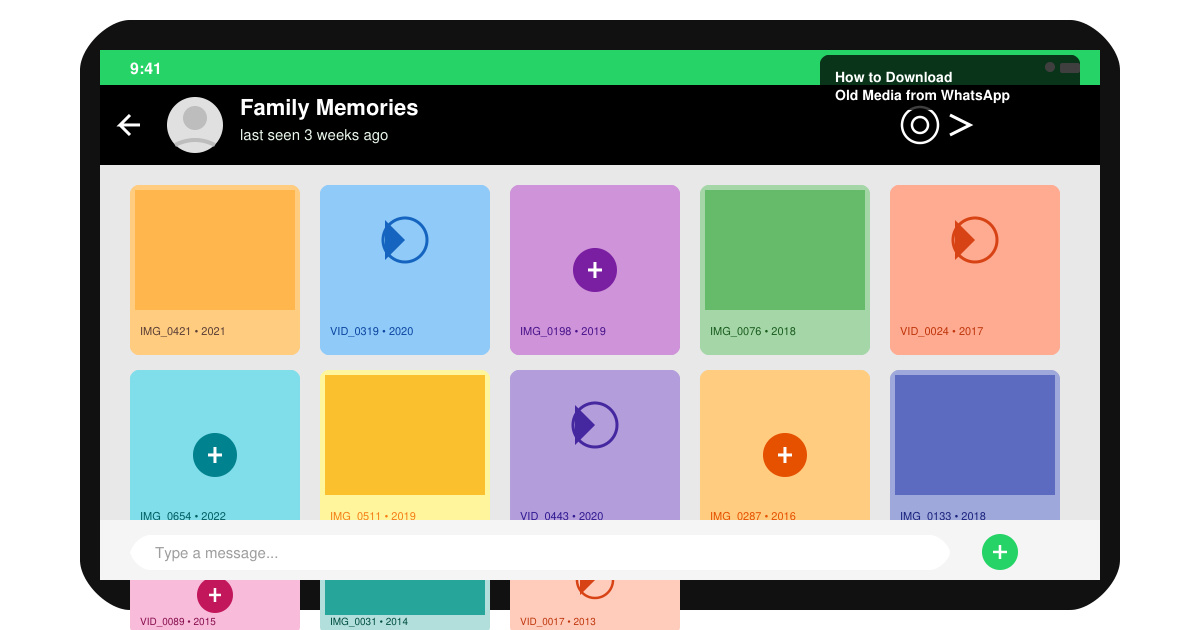
Learn how to download old media from WhatsApp and recover photos or videos from past chats. Follow these clear steps to save files that no longer appear in your gallery.
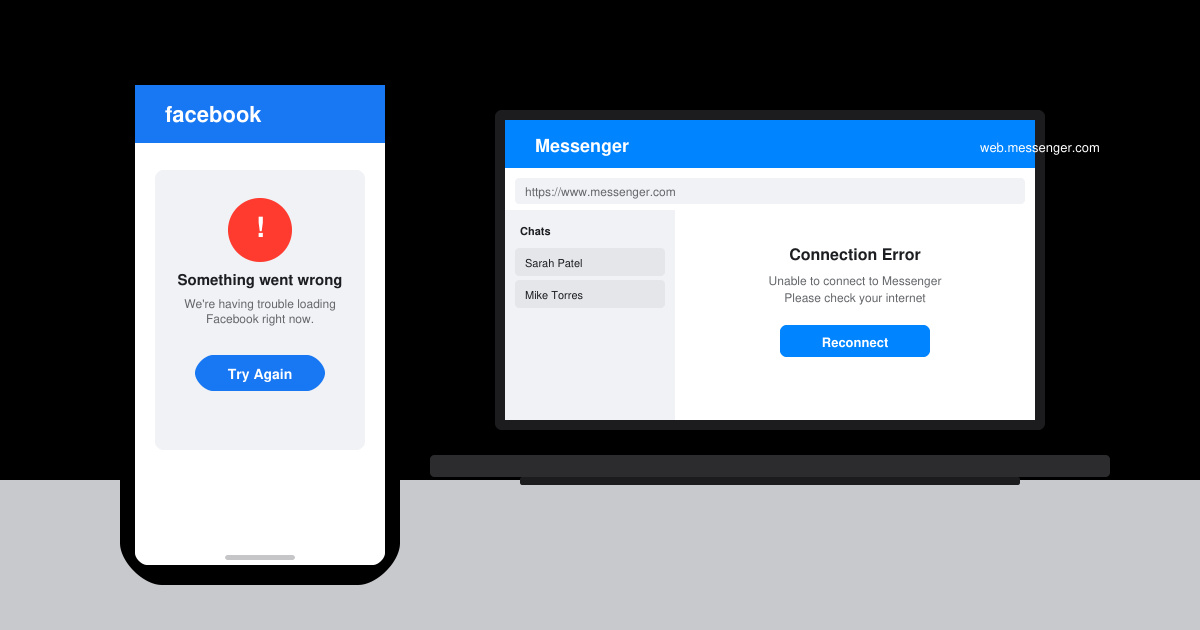
Facebook Messenger Isn T Working on your device? Use these exact troubleshooting steps to restore chats, calls, and notifications fast on Android, iOS, or desktop.
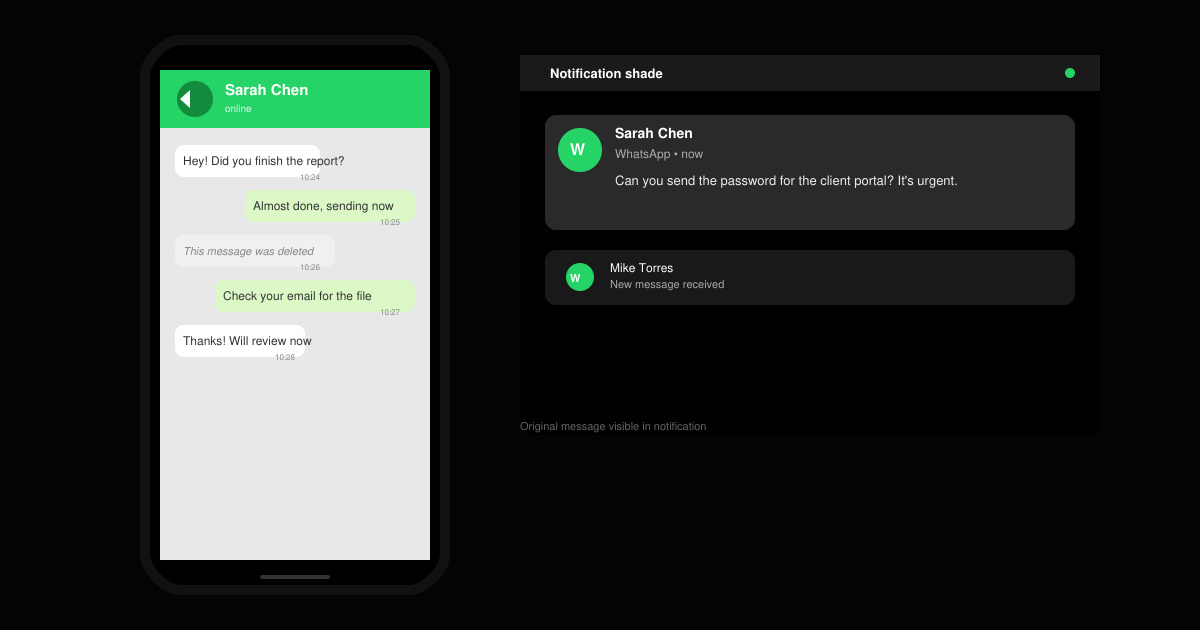
How to See Deleted WhatsApp Messages using your phone's built-in tools. Follow these exact steps to recover messages that contacts have deleted from chats.
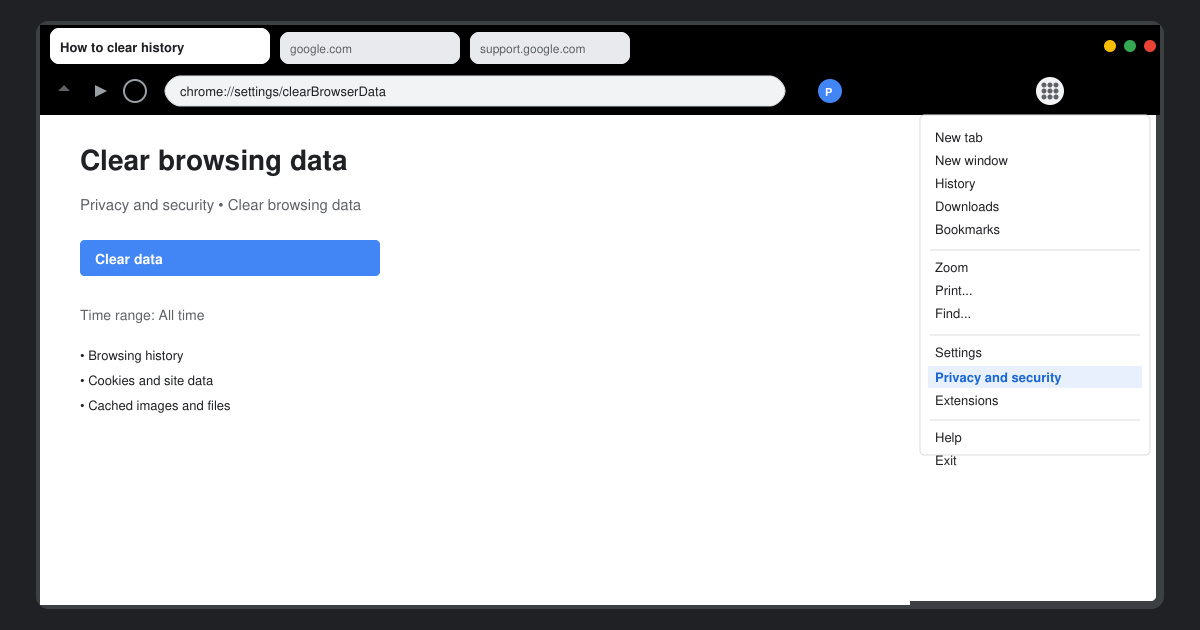
Learn how to clear browser history in Chrome on desktop and Android with this exact step-by-step process. Keep your browsing private and free up storage space quickly.
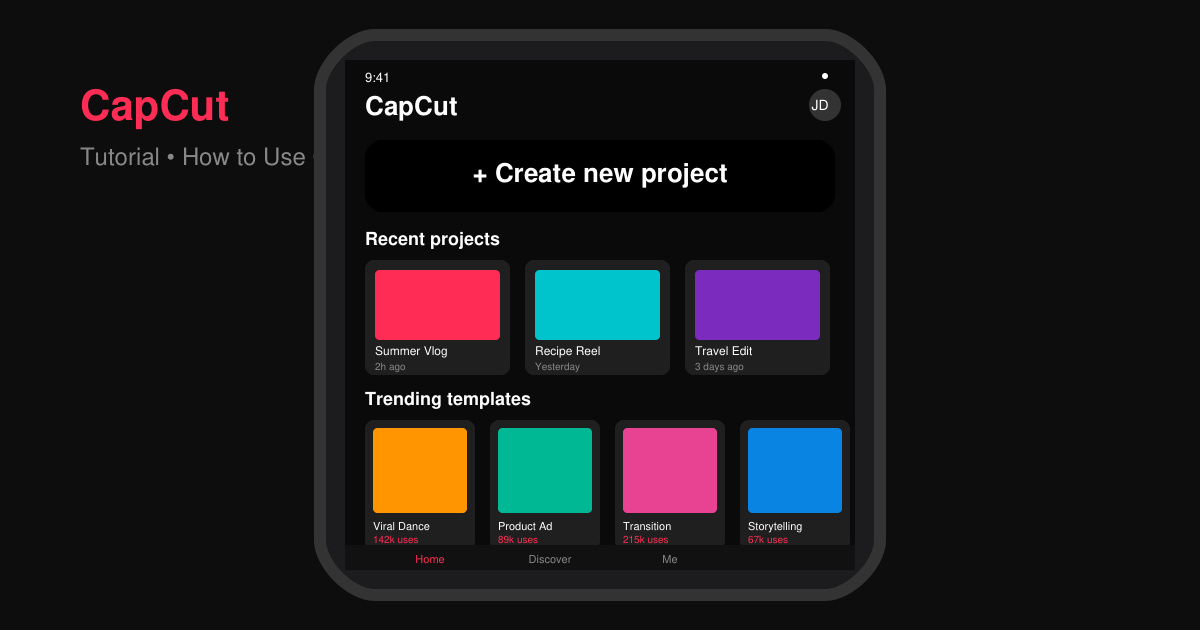
Master how to use CapCut with this practical walkthrough covering project setup, editing tools, effects, and export options for high-quality video results.
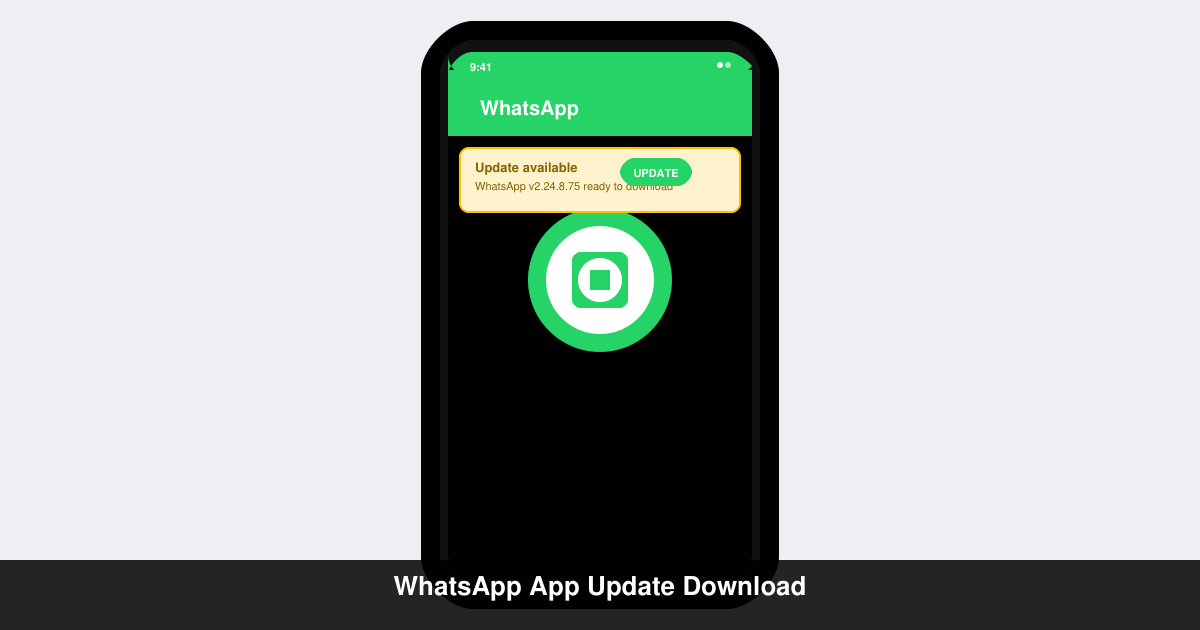
Get the latest WhatsApp App Update Download from official sources to access new features and security improvements. Follow these clear steps for Android and iOS devices.
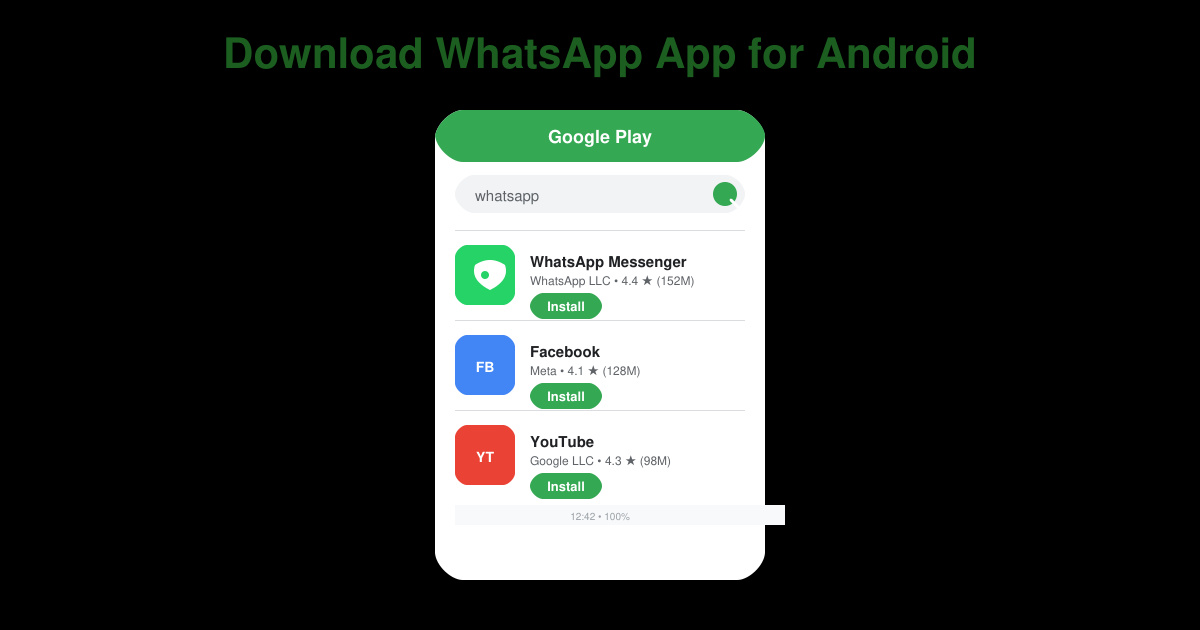
Learn how to safely Download WhatsApp App for Android from the official Google Play Store. Follow our clear step-by-step instructions to install the latest version quickly and securely.
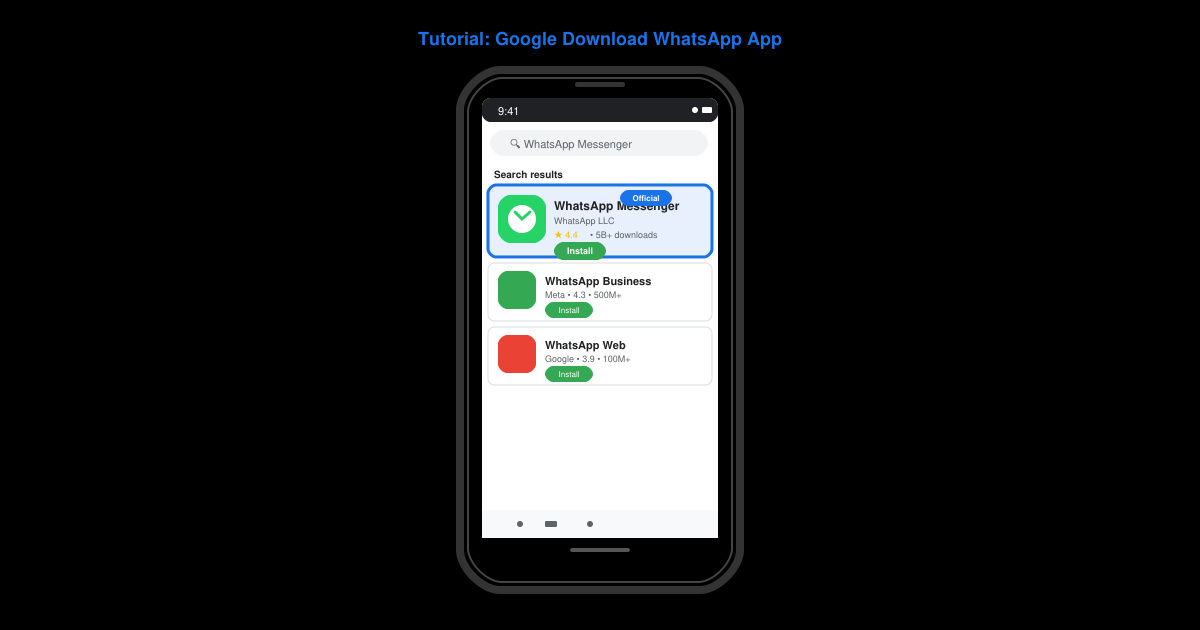
Google Download WhatsApp App safely through the Google Play Store with this clear guide. Get the official version on your Android device quickly and avoid fake downloads.
Facebook and Messenger not working can disrupt your day. Follow these targeted fixes to restore access quickly on mobile and desktop.