What Jamieson Greer’s Latest Trade Comments Mean for Canada–U.S. Relations
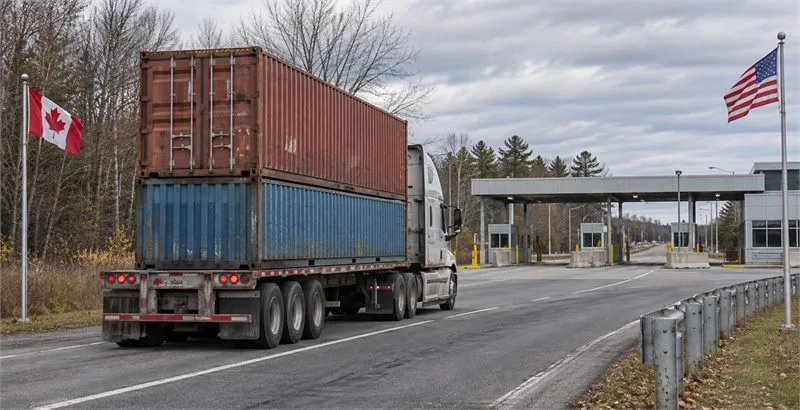
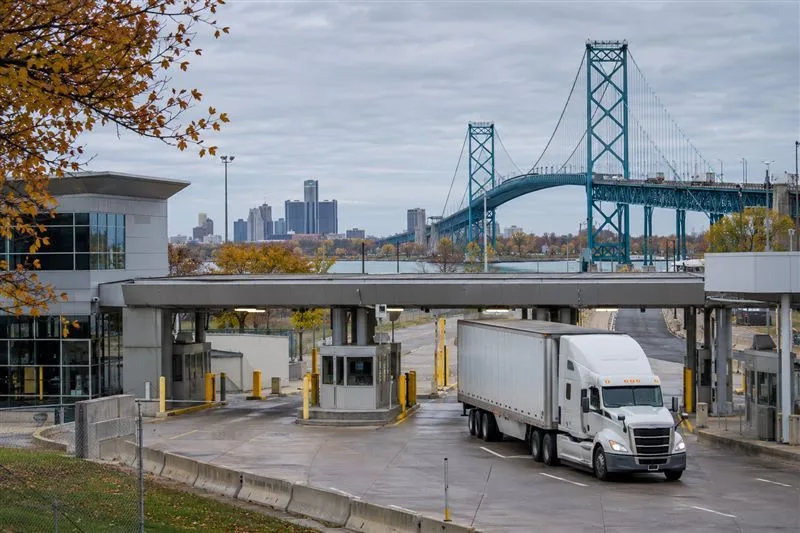
Greer says Canada and the U.S. are fairly close to a trade deal, but auto tariffs and other disputes remain. Here’s what his comments mean for Canada.
Information checked: November 24, 2026, 12:20 AM AEDT (UTC+11:00).
The 2026 AFL Rookie Draft on Monday, November 23, gave clubs another way to add talent after the November 19–20 national draft. It also highlighted an important distinction for fans: the regular rookie draft is not the same thing as a Category B pre-listing. Ordinary rookie selections take place through a draft order, while eligible Category B players can be signed under specific pathways and list rules.
There is a further change for the 2027 playing season. AFL clubs can use an expanded Category B arrangement that supports First Nations recruitment, with a third Category B spot available when the applicable First Nations condition is satisfied. That does not mean every available player can be signed outside the draft, or that every club automatically gains an unrestricted extra place.
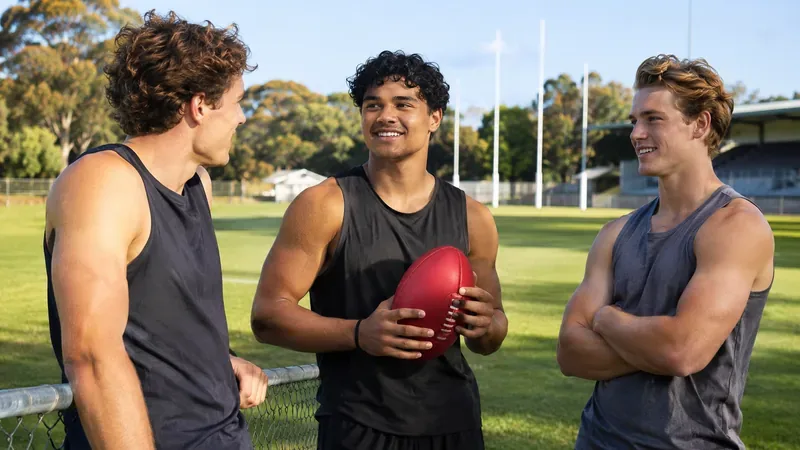
The national draft is the major annual recruitment event, usually associated with highly rated junior prospects. The Rookie Draft comes afterward and fills a different list-management function: it allows clubs with available rookie places to select players who remain eligible, including developing youngsters, mature-age footballers and players seeking another opportunity after being delisted.
In 2026, the national draft ran on November 19 and 20, followed by the pre-season and rookie drafts on November 23. The AFL scheduled the rookie draft for 3:00 p.m. AEDT in Melbourne, which was 04:00 UTC. Australia observes daylight saving time in Victoria in November; the corresponding offset is therefore UTC+11:00, not standard-time UTC+10:00. The schedule is an official AFL date and time, not a timestamp inferred from article publication.
Teams do not have to use every possible selection. The order and actual calls reflect list vacancies and the clubs choosing to participate. The pre-season draft is a separate selection mechanism, even when it is held on the same day. For the official date details, see the AFL's player movement calendar.
Age alone does not define the rookie pathway. The AFL explains that players aged 18 and older can nominate for the national draft, and the rookie pool can include players left unselected there. Eligible older players and former AFL-listed players may also be involved, so the word “rookie” does not necessarily mean a teenager or someone who has never played professionally.
A player still needs to satisfy the applicable AFL nomination, registration and list eligibility requirements. Being passed over in the national draft does not itself guarantee a rookie contract; a club needs a list opening and must decide to select or sign the player through the correct mechanism. Likewise, a club publicly saying it intends to re-draft a delisted player does not turn that plan into a selection until the formal process occurs.
The 2026 draft provided a concrete example of the mixed pool. The AFL's completed report lists Essendon taking Boston Dowling with the first rookie pick, while several clubs re-drafted players they had previously delisted. This example illustrates the system rather than serving as a comprehensive pick-by-pick results feed. See the AFL's 2026 rookie-draft report.
Category A is the normal rookie-list stream: players enter through the relevant draft or approved list mechanisms and occupy the club's ordinary rookie places. Category B is designed for narrowly defined recruitment categories that can sit outside that ordinary stream. The distinction is about how a player qualifies and how the club uses its list places, not simply whether the player is good enough to compete at AFL level.
| Question | Category A | Category B |
|---|---|---|
| Typical entry | Regular rookie selection and permitted re-listing mechanisms | Specific AFL-approved pre-listing or special eligibility pathway |
| Typical candidates | Undrafted juniors, mature-age players, delisted footballers | Eligible academy-linked, international, alternative-talent or First Nations players |
| List space | Uses ordinary rookie-list capacity | Uses restricted Category B capacity under applicable conditions |
| Senior AFL games | Eligible under the current AFL rules | Eligible under the current AFL rules |
The AFL's rulebook states that players listed as Category A or Category B rookies are eligible to play in the AFL competition. Older explanations that assume every rookie must first be promoted to the senior list before playing can therefore be misleading. Exact roster and contract rules still matter, and any historical category limits should be checked against the current rule changes.
First, the club identifies a candidate who qualifies under an approved pathway. That pathway could involve an eligible Next Generation Academy player not selected in the national draft, an international recruit, or a player whose sporting background meets an alternative-talent rule. Second, the club checks that it has the necessary Category B capacity and that the relevant nomination, pre-selection window and AFL approvals have been met. Third, the signing or pre-listing is lodged rather than treated as an ordinary rookie-draft pick.
This is why a Category B recruit can appear in an official list announcement without occupying a numbered selection in the televised rookie-draft sequence. In the AFL's 2026 report, Fremantle's Finlay Yeo and West Coast's Cody Lee were listed as pre-listed Category B rookies. They should not be mistaken for ordinary numbered picks in the rookie draft.
Fans should also avoid treating an academy affiliation as an unconditional right to sign a player. The applicable academy rules, national draft process and pre-listing conditions decide whether that path is available. The AFL has described the eligible NGA pre-selection mechanism in its 2026 rookie-draft preview.
The AFL confirmed an additional First Nations list opportunity for the 2027 AFL and AFLW seasons. For men's AFL lists, the important condition is that where all three Category B rookie spots are filled, at least one must be occupied by a First Nations player. It is therefore incorrect to describe three Category B spots as freely available for any combination of recruits.
The official eligibility statement also sets safeguards. Draft-eligible First Nations candidates must generally have nominated for the immediately preceding national draft, with an exception for delisted free agents. A club cannot delist one of its own First Nations players and immediately move that player to its Category B list: the AFL specifies a 12-month waiting period before that club can use the pathway. An existing First Nations Category B player counts toward the relevant representation requirement.
Clubs can access their own eligible NGA-aligned First Nations players in the specified pre-selection period, or eligible players through the prescribed supplementary signing period. The AFL also permits limited trial opportunities when a Category B place is open. These are specific list rules, not a second general-purpose draft. The official framework is set out in the AFL announcement on additional First Nations list spots.
Yes, being a rookie-listed player is not, by itself, a ban on senior AFL selection. The AFL's current rules expressly allow players on either Category A or Category B rookie lists to be selected for AFL competition. A player still needs to be fit, selected by the team and otherwise eligible under the league's rules. List status is not a prediction of how quickly someone will debut.
Nor does a rookie place automatically imply a short career or only a developmental role. Clubs use those places differently: some recruit teenagers who need time, some retain proven players for list-management reasons, and others target mature players who can provide depth immediately. The relevant question is how the club intends to use that particular player, rather than assuming all rookie contracts represent the same situation.
The end of the numbered picks does not necessarily close every recruiting avenue. The AFL's 2026 update identifies further possibilities through eligible Category B signings and the pre-season supplemental selection period, when clubs can assess suitable players for remaining list opportunities. A player not selected on November 23 may therefore still have a path to an AFL list, but a trial invitation or reported interest is not confirmation of a contract.
For readers following an individual club, the most useful sequence is to check the official draft result, look for an official pre-listing notice and then review any later supplemental signing. Those three actions are distinct. They also explain why a club's final list can contain more names than the list of numbered rookie-draft selections alone.
No. It can include eligible mature-age and former AFL-listed players, as well as younger prospects who were not selected in the national draft.
Not necessarily. An eligible Category B recruit may be pre-listed under a separate approved pathway and appear outside the numbered Rookie Draft selections.
No. Under the 2027 list arrangement, filling all three Category B places requires at least one First Nations player, and other pathway and eligibility conditions still apply.
Greer says Canada and the U.S. are fairly close to a trade deal, but auto tariffs and other disputes remain. Here’s what his comments mean for Canada.
U.S. Trade Representative Jamieson Greer says Canada and the U.S. are fairly close to a trade deal. Here’s what is confirmed, what remains unresolved and what to watch next.
U.S. Trade Representative Jamieson Greer says Canada and the U.S. are fairly close to a trade deal. Here’s what that could mean for Canadian prices and tariffs—and what remains uncertain.
New observational sky surveys and advanced telescope commissioning have eliminated 78 percent of Planet Nine's predicted search space, focusing the search on faint deep-sky corridors.
Why do astronomers believe a massive ninth planet lurks beyond Neptune? Discover the latest 2024–2026 dynamical evidence, orbital surveys, and search updates.
GTA VI is available on PS5 and Xbox Series X|S. Rockstar’s credits now confirm the actors behind Lucia and Jason and spotlight the game’s wider cast.
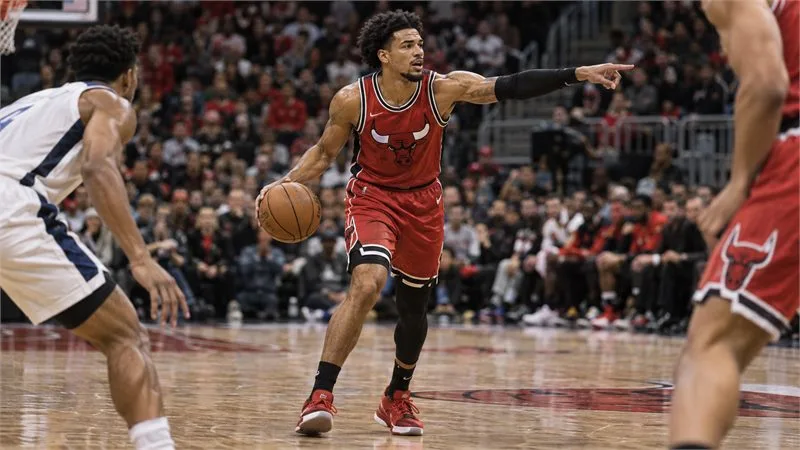
Josh Giddey set a career high with 22 assists against Denver. Here’s what his performance could mean for the Chicago Bulls’ offence and his role.
Starship Flight 15 reached orbit and Ship was caught at Starbase, but its booster recovery failed. Here are the mission’s key milestones and what comes next.
Grand Theft Auto VI is out now on PS5 and Xbox Series X|S. Here is everything confirmed about the release date, PC launch timeline, and core features.
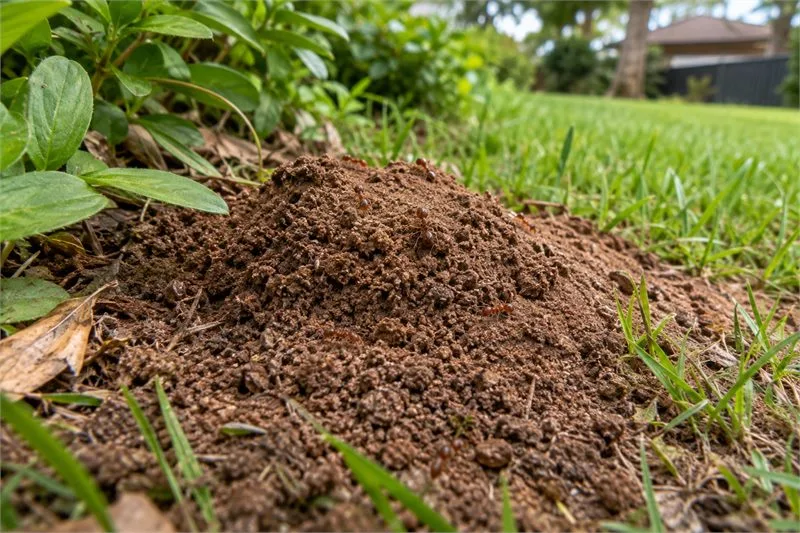
NSW treated a suspected fire ant nest in Auburn outside the Enfield control zone. Here’s what authorities have confirmed and what residents should know.