Would Europe Be Drawn into a Hypothetical U.S.-Israel-Iran Nuclear War? NATO Rules Explained

A guide to NATO Articles 4 and 5, UN self-defense rules, and why consultation does not mean automatic European entry into war.
Google Calendar is being targeted by hackers who are spoofing email headers to access users' private information. The scam could affect 500 million users, with sensitive personal and business information potentially stolen - but you can stay safe by changing a single setting.
How the Google Calendar Phishing Attack Works
The Google Calendar phishing campaign was first discovered by cybersecurity experts at Check Point Software.
Attackers send invitations that look like regular Google Calendar invites. To make the invitations look credible, they modify the email headers of the invitations to make them appear to be sent by a legitimate company or someone the target knows. Most of the invitations look exactly like regular Google Calendar invites, while others use a custom format.
The link in the invitation takes the target to a phishing page where the victim is asked to complete a fake authentication process, share personally identifiable information (PII) or business information, and in some cases, even share payment details. The stolen information is used for financial scams, credit card fraud, identity theft, and other fraudulent activities.
After realizing that Google's email scanning was flagging these malicious calendar invitations, the attackers modified their campaign and began using Google Forms and Google Drawings. Sending calendar invitation files (.ics) with links to Google Forms or Google Drawings allowed them to bypass Google's security scans.
After the user opens the Google form, they are asked to click on another link that leads to a phishing page, disguised as a reCAPTCHA or a fake support page.
Change this Google setting to protect yourself!
Google recommends changing your “known senders” settings in Google Calendar to protect yourself from this phishing and spoofing attack.
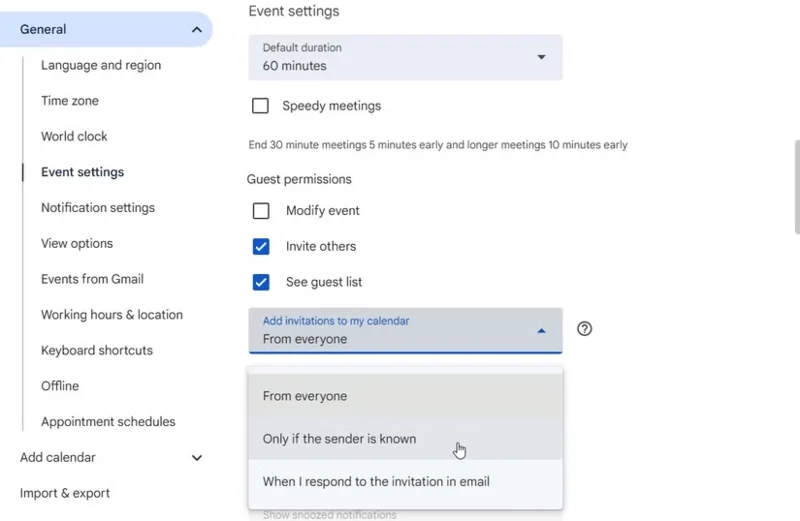
Changing this setting will filter all invitations added to your calendar to only include invitations from people in the same company you work for (with the same domain), people in your contacts list, or people you've interacted with before. You'll also get a warning when you receive an invitation from someone who isn't on your list or who you've never interacted with before.
As with all of these attacks, avoid clicking on clicks if you don't know the sender. Even if the sender is someone you know, it's best to contact the person to double-check first, especially if the invite is for an unexpected event or meeting.
A guide to NATO Articles 4 and 5, UN self-defense rules, and why consultation does not mean automatic European entry into war.
Assess claims about Iran in six steps, distinguishing uranium enrichment, weapons development and verified possession.
Understand nuclear decision authority in six steps, including US civilian control and the limits of public information about Israel.
A guide to official 2026 evidence on Hormuz shipping disruption, Iran-related claims, confirmed incidents, and what remains uncertain.
A source-based guide to nuclear escalation risks, UN Charter rules and NATO Article 5 in a strictly hypothetical Iran scenario.
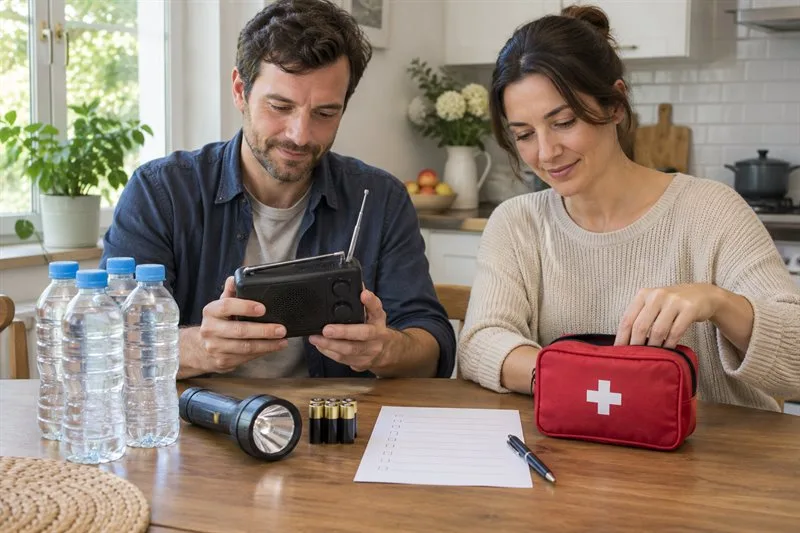
Use five steps to prepare for an outage; nuclear and EMP scenarios are hypothetical, and official shelter instructions come first.
Use 5 defensive steps to verify a cyber disruption, protect household accounts, and avoid mistaking an outage for war.
Use these 5 steps to assess climate effects from a hypothetical Iran strike, compare model assumptions, and avoid unsupported predictions.
Explore six steps for reading research on climate, food and ecosystem recovery after a hypothetical nuclear conflict.
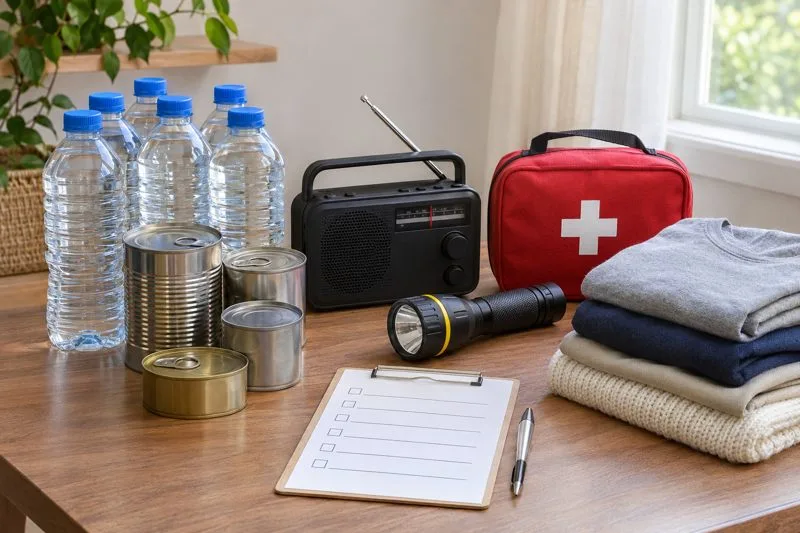
Build a practical fallout preparedness kit in six steps, with sealed food and water, a radio, medical supplies and shelter guidance.