Skype Free Phone Calls
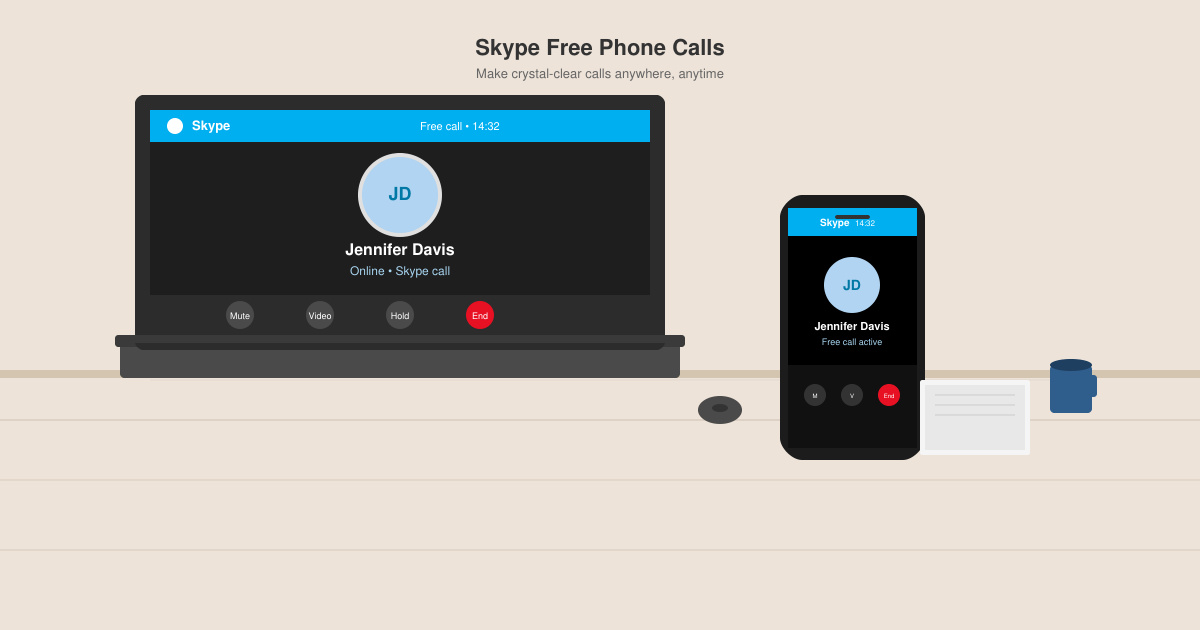
Skype Free Phone Calls let you connect with friends and family worldwide at no cost. Follow this guide to set up and start making free calls quickly and easily.
What are the different levels of earthquakes? This article will tell you about the different levels of earthquakes and other information related to this natural disaster.
An earthquake is a weak to strong shaking of the ground caused by the sudden movement of rock material beneath the Earth's surface. Earthquakes originate at tectonic plate boundaries. The epicenter is the point within the Earth where the earthquake begins, sometimes called the epicenter, and the point on the Earth's surface directly above its center of gravity is called the epicenter.
Earthquake intensity, energy release, and shaking intensity are all earthquake-related measurements that are often confused with each other. Their dependencies and relationships can be complex, and even one of these concepts alone can be confusing. This article will help you better understand earthquake intensity levels.
There are two ways we can measure the strength of an earthquake: magnitude and intensity. Magnitude is proportional to the energy released by an earthquake at its epicenter. It is calculated from earthquakes recorded by a device called a seismometer. It is expressed in Arabic numerals (e.g. 4.8, 9.0). Intensity, on the other hand, is the strength of an earthquake as felt and perceived by people in a given locality. It is a numerical rating based on the relative effects on people, objects, the environment, and surrounding structures.
Most scales are based on the amplitude of the seismic waves recorded by a seismograph. These scales take into account the distance between the earthquake and the recording seismograph, so the calculated magnitude should be roughly the same no matter where it is measured. Another scale is based on the physical size of the earthquake fault and the amount of slippage that occurs. Then there are measurements of the shaking intensity of the earthquake. The magnitude of an earthquake varies greatly from place to place.

The intensity of an earthquake can be measured with a seismometer.
There are two units of earthquake measurement (Seismic Units) which are magnitude and intensity.
Level : Indicates the magnitude of the earthquake, and uses the Richter scale to express it (Charles Richter 1900 - 1985) divided into 9 levels from 1 - 9. This unit is measured through the energy released by earthquake waves during an earthquake.
Every degree on the Richter scale represents a tenfold increase in amplitude, and in energy it corresponds to a approximately 31.6-fold increase.
For example, a magnitude 7 earthquake is 10 times more powerful than a magnitude 6 earthquake, and releases about 31.6 times more energy.
Humans standing on the surface can only feel an earthquake when it has a magnitude of 2 or higher on the Richter scale.
Intensity : Indicates the different effects caused by an earthquake on the ground. This unit is expressed on the Meccali scale with 12 divisions.
|
Level |
Intensity |
Consequences of earthquake |
|
From 1 to 3 Richter scale |
Level I |
Very weak, only machine can record |
|
Level II |
Very weak. Only people on high floors or lying still can feel it. |
|
|
Level III |
Weak. Hanging objects swing slightly. |
|
|
Level IV |
Just right. The water in the glass ripples. |
|
|
Level V |
Quite strong. The house shook, the water in the glass spilled out. |
|
|
From 3 to 4.5 Richter scale |
Level VI |
Strong. House has slight wall cracks, light objects in mobile home |
|
From 4.75 to 5.9 Richter scale |
Level VII |
Very strong. Houses were visibly damaged, people were swaying. |
|
From 5.9 to 6.5 Richter |
Level VIII |
Destruction. Houses were severely damaged, people and animals were injured, and cars lost control. |
|
Level IX |
Devastation. Houses were badly damaged, many cracks on the ground. |
|
|
From 6.5 to 7.75 Richter scale |
Level X |
Destruction. Solid structures were destroyed, high-rise buildings collapsed, the ground was deformed, and pipes burst. |
|
Level XI |
Catastrophe. Large cracks were created in the strata, railway rails were torn from the roadbed, and the landscape changed. |
|
|
From 7.75 to 8.25 Richter scale |
Level XII |
Terrible disaster. The terrain changed drastically, everything was completely destroyed including underground structures. |
Skype Free Phone Calls let you connect with friends and family worldwide at no cost. Follow this guide to set up and start making free calls quickly and easily.
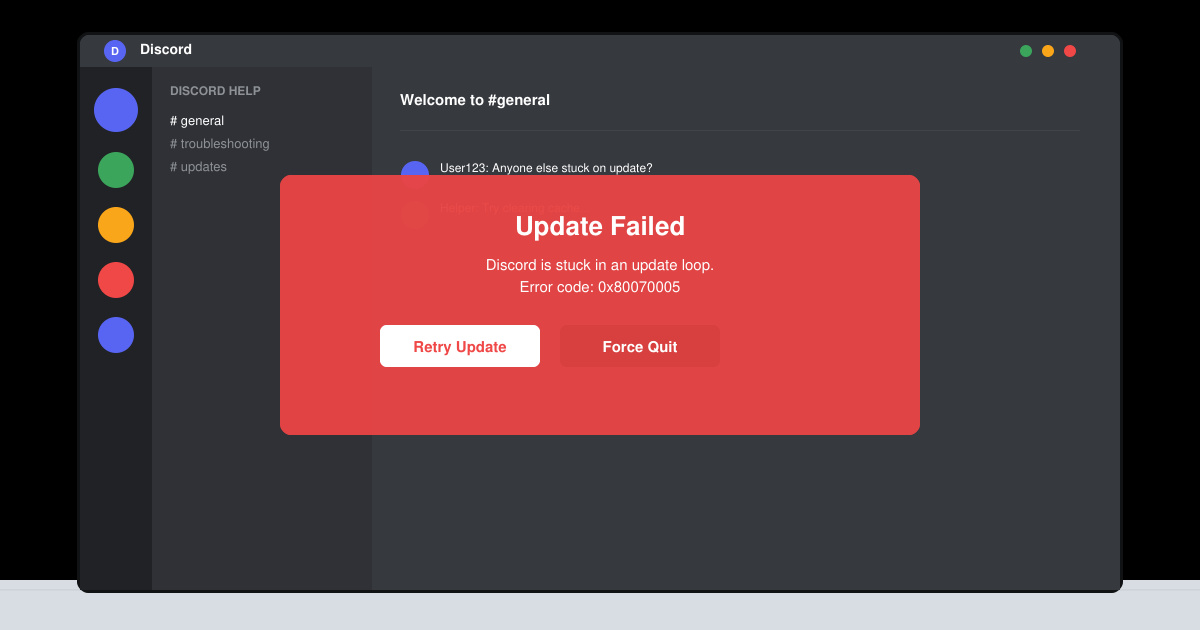
Stuck in the Discord Update Failed Loop? Follow these targeted fixes to break the cycle and complete the update without repeated failures or reinstalls.
Travel planning used to mean folders full of printed confirmations, handwritten notes, guidebooks, and a slightly terrifying number of browser tabs. Now, pretty much everything you need for a trip can live on the device already in your pocket.
Discover how Canva Free for Teachers gives educators full access to premium design tools at no cost. Verify your status and start creating classroom materials in minutes.
Skype How to Call International is simple and cost-effective once you set up credit and use the right country codes. Follow this guide to place clear calls from anywhere.
Make Skype to Skype Calls Free in minutes with this clear guide. Set up your account, add contacts, and start unlimited voice and video calls at no cost.
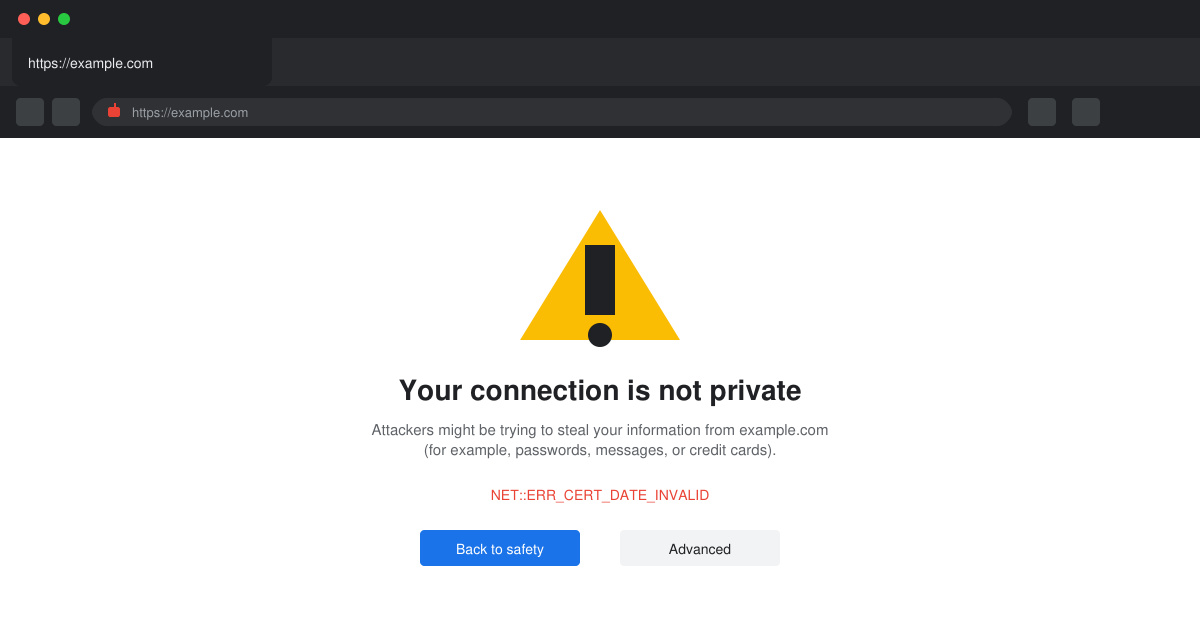
Fix the Your Connection is Not Private Chrome error quickly with these exact steps. Restore secure browsing by addressing certificate and settings issues in minutes.
Record heat has lifted air-conditioning demand while gas-market shocks have returned volatility to power prices. That creates a real risk of painful bills—but not a guaranteed, Europe-wide price explosion.
Large format printing has long faced criticism for its environmental impact. Traditional substrates, solvent-based inks, and short-lived promotional campaigns have all contributed to the perception that eye-catching graphics come at a high environmental cost.
Long-distance travel can involve heavy traffic, changing weather conditions, and rider fatigue. If you are also dealing with the responsibilities of moving home, such as packing belongings or coordinating accommodation, a long ride may add unnecessary pressure to an already busy schedule.