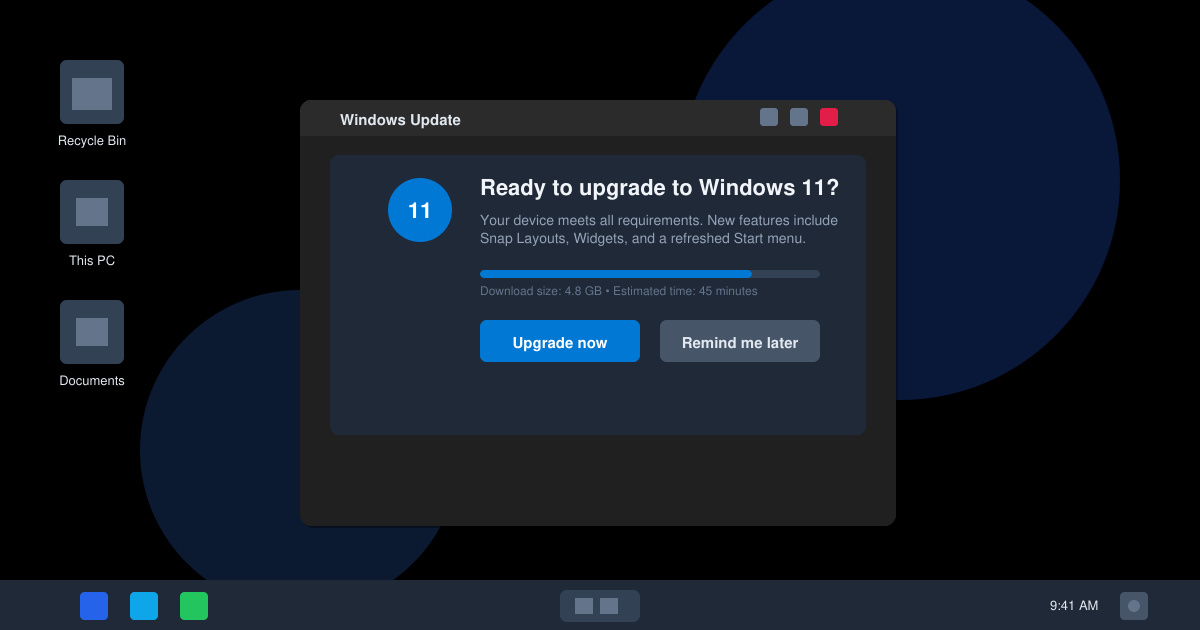
Encountering Windows 11 Error Code 0x80244018 can be frustrating, especially when you're eager to install the latest updates for better security and features. This error typically signals a problem with the Windows Update service, often due to network glitches, corrupted files, or service disruptions. Don't worry—it's a common issue with straightforward fixes. In this guide, we'll walk you through practical steps to resolve Error Code 0x80244018 and ensure your Windows 11 updates run smoothly. Let's dive in and get your PC updated hassle-free! 🚀
What Causes Error Code 0x80244018 in Windows 11?
Before jumping into fixes, understanding the root cause helps you tackle it effectively. The Error Code 0x80244018 usually appears when Windows Update fails to connect to Microsoft's servers. Common triggers include:
- Network connectivity issues: Unstable internet or firewall blocks preventing update downloads.
- Corrupted update files: Damaged cache in the Windows Update components.
- Service malfunctions: The Windows Update service or related dependencies not running properly.
- Third-party software interference: Antivirus or VPNs disrupting the process.
Recognizing these can make the troubleshooting feel less overwhelming. Now, let's move to the solutions—start with the simplest and progress if needed.
Step-by-Step Fixes for Windows 11 Error Code 0x80244018
We'll prioritize easy, no-risk methods first. Follow these in order for the best results. Remember to restart your PC after each step to apply changes.
1. Run the Windows Update Troubleshooter 🛠️
Microsoft built a handy tool to detect and fix Windows Update errors automatically. It's often the quickest win for Error Code 0x80244018.
- Press Windows + I to open Settings.
- Go to System > Troubleshoot > Other troubleshooters.
- Find Windows Update and click Run.
- Follow the on-screen prompts and restart your PC.
This tool scans for issues like service errors and applies fixes. Many users report success here—give it a try and see if your updates proceed!

2. Check and Reset Network Settings
Since Error Code 0x80244018 often ties to connectivity, ensure your network is stable. A quick reset can clear temporary glitches.
- Open Command Prompt as administrator (search for cmd, right-click, and select Run as administrator).
- Run these commands one by one, pressing Enter after each:
netsh winsock resetnetsh int ip resetipconfig /releaseipconfig /renewipconfig /flushdns
- Restart your computer and try updating again.
If you're on Wi-Fi, switch to a wired connection for stability. Also, temporarily disable any VPN or proxy— they can block update servers.
3. Clear the Windows Update Cache
Corrupted files in the update cache are a frequent culprit for update failed errors. Clearing it forces a fresh download.
- Stop the Windows Update service: Press Windows + R, type services.msc, and hit Enter.
- Find Windows Update, right-click, and select Stop.
- Open File Explorer and navigate to C:\Windows\SoftwareDistribution.
- Delete all contents inside the folder (don't delete the folder itself).
- Restart the Windows Update service by right-clicking it and selecting Start.
- Reboot and check for updates.
This step refreshes everything without harming your system. It's like giving your updates a clean slate! 😊
![File Explorer showing SoftwareDistribution folder for clearing update cache]()
4. Restart Windows Update Services
If services are stuck, restarting them can resolve Error Code 0x80244018. Use the Services app for this.
| Service Name |
Action |
Why It Helps |
| Windows Update |
Restart |
Resets the core update engine |
| Background Intelligent Transfer Service (BITS) |
Restart |
Handles file downloads for updates |
| Cryptographic Services |
Restart |
Ensures secure connections to servers |
To restart: In services.msc, right-click each service, select Restart. Set Startup Type to Automatic if it's not already.
5. Use the System File Checker (SFC) and DISM Tools
For deeper corruption, these built-in tools scan and repair system files that might be causing the Windows 11 update failed issue.
- Open Command Prompt as administrator.
- Run:
DISM /Online /Cleanup-Image /RestoreHealth (this may take 10-20 minutes).
- Then run:
sfc /scannow.
- Restart and attempt updates.
These commands pull healthy files from Microsoft if needed, making them reliable for stubborn errors.
6. Advanced Fixes: Manual Update or Reset Windows
If the above don't work, try downloading updates manually from the Microsoft Update Catalog. Search for your update KB number and install it offline.
As a last resort, reset Windows 11 while keeping files: Go to Settings > System > Recovery > Reset this PC. This reinstalls Windows without data loss but removes apps.
Pro tip: Ensure your antivirus is up to date and temporarily disable it during updates to rule out interference.
Preventing Future Windows 11 Update Errors
Once fixed, keep Error Code 0x80244018 at bay with these habits:
- Maintain a stable internet connection and avoid peak usage times for large downloads.
- Regularly run the troubleshooter and keep drivers updated via Device Manager.
- Enable automatic updates in Settings > Windows Update for seamless patches.
- Monitor Microsoft's support page for any ongoing server issues that could mimic this error.
By staying proactive, you'll enjoy a smoother Windows 11 experience. Updates are essential for security, so fixing this promptly keeps your device protected.
Final Thoughts
Resolving Windows 11 Error Code 0x80244018 doesn't have to be a headache—with these steps, most users get back to updating in under an hour. Start with the troubleshooter and work your way down; you'll likely succeed early on. If issues persist, consider reaching out to Microsoft Support for personalized help. Your frustration ends here—happy updating! 🎉
Have you faced this error before? Share your experience in the comments below to help others. Stay tuned for more Windows 11 troubleshooting tips!