What It Takes to Target an A+ Nextcloud Security Rating

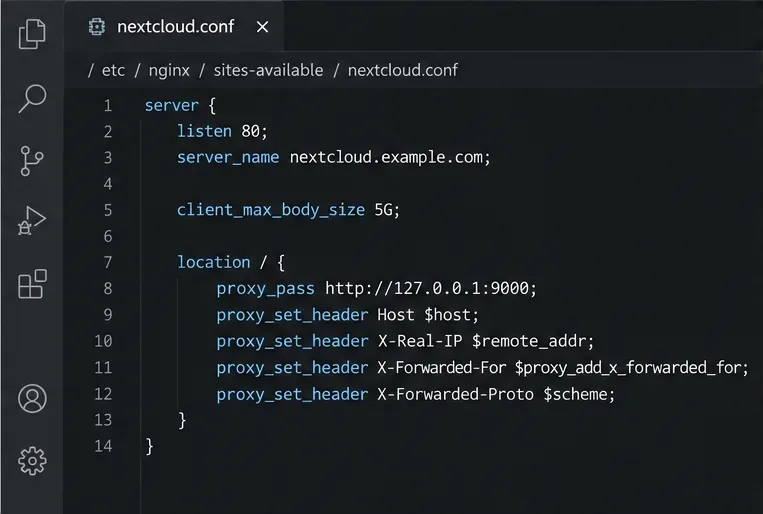
Fix common Nextcloud scan findings with current updates, HTTPS and HSTS, precise reverse-proxy trust, and checks against the public server.
Black Screen feature - Black screen on TeamViewer helps you hide the remote screen during connections to Windows, Mac, Linux computers. Below is how to use Black Screen on TeamViewer .
With TeamViewer Black Screen , you can ensure privacy in the workplace by hiding the content of the remote screen. When activating the black screen on TeamViewer :
Compatible
You can enable TeamViewer's black screen feature in connections on any desktop operating system (Windows, macOS and Linux) to Windows 7/8/10, Linux & macOS devices (TeamViewer 15.8 and above only).
Special requirements on macOS
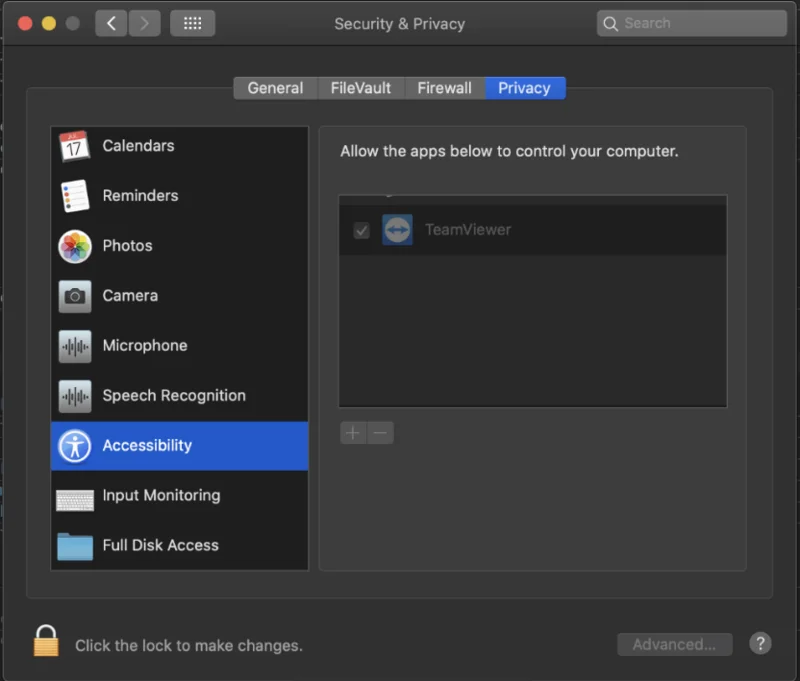
Due to technical limitations, macOS users can only activate TeamViewer's black screen if they select Start TeamViewer with System . Additionally, accessibility permissions need to be granted to the TeamViewer app, including on macOS 10.13.
With optional remote access settings, you should also:
Note, you cannot suppress keyboard input on the remote side while displaying system password fields due to limitations on macOS.
How to activate Black Screen on TeamViewer
During a remote control session
Click the Actions tab (1) in the Remote Control toolbar and select Show Black Screen (2).

Via the remote desktop's TeamViewer option
You can set TeamViewer Black Screen to be enabled by default on all connections to a specific device (for example, your work computer). Details of each step are as follows:
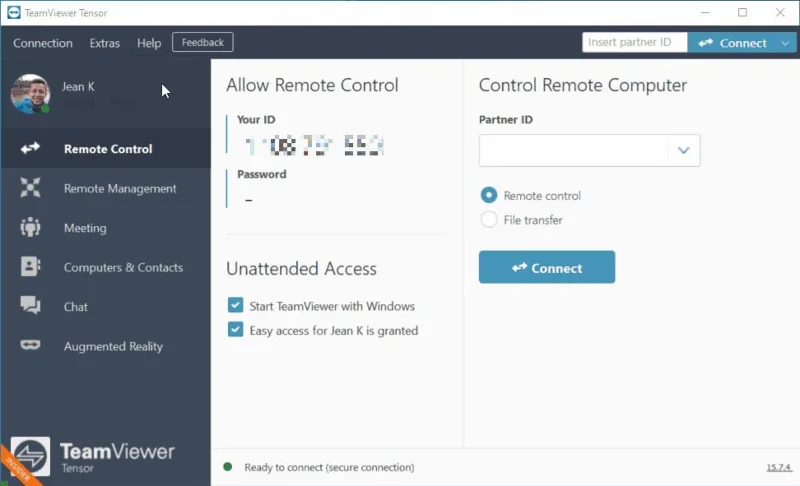
Go through the list of Computers & Contacts
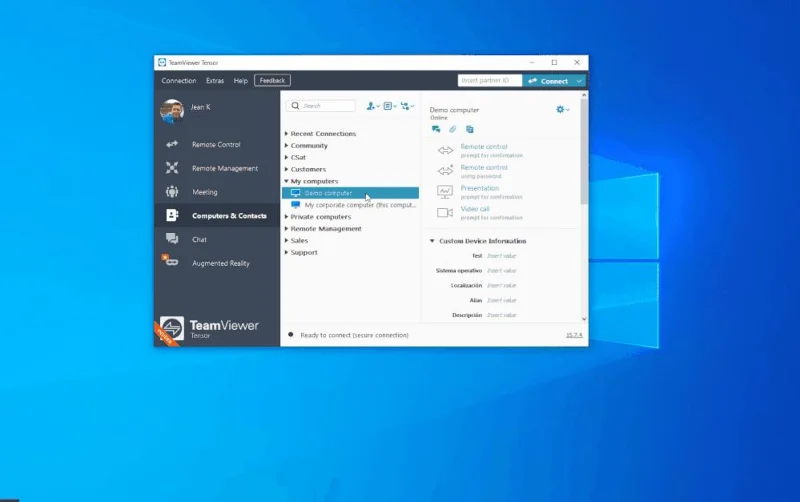
1. In the Computers & Contacts list , select the device, click the blue gear icon, then Properties .
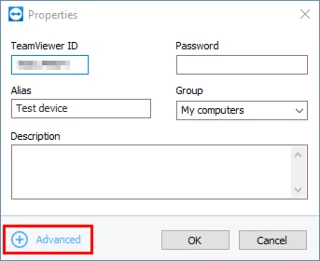
2. In the Properties menu, click Advanced .
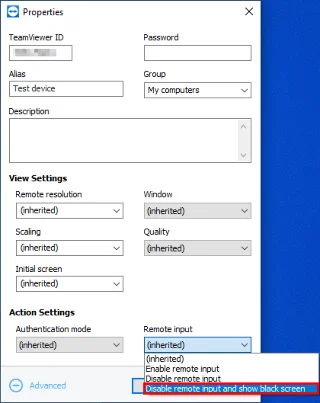
3. In the Remote input option in Actions settings , select Disable remote input and show black screen .
Click OK to save.
Note:
How to enable custom Black Screen on TeamViewer
You can customize this feature by inserting your favorite image when activating the black screen on TeamViewer.
On Windows
At the remote computer
1. Make sure the Start with system option is enabled and close TeamViewer .
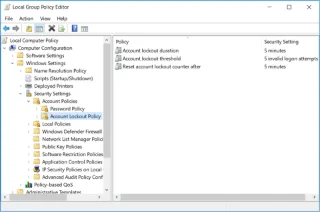
2. Open Registry Editor and go to the following path:
Computer\HKEY_LOCAL_MACHINE\SOFTWARE\WOW6432Node\TeamViewer3. Now click Edit , go to New and select String Value .
4. Rename the main entry CustomBlackScreen and add as value the path that takes you to the custom image and include the image filename in that path:
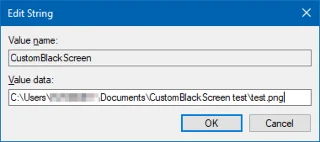
…click OK .
5. Now restart the TeamViewer service.
On the local computer
On macOS
On the remote computer
1. Make sure Start with system is enabled and close TeamViewer.
2. Open Terminal and add the following settings:
sudo defaults write /Library/Preferences/com.teamviewer.teamviewer.preferences.plist CustomBlackScreen -string "/path/to/test.png"Make sure the image is in the path you choose.
On the local computer
Note:
Above is how to use the TeamViewer Black Screen feature . Hope the article is useful to you.
Fix common Nextcloud scan findings with current updates, HTTPS and HSTS, precise reverse-proxy trust, and checks against the public server.
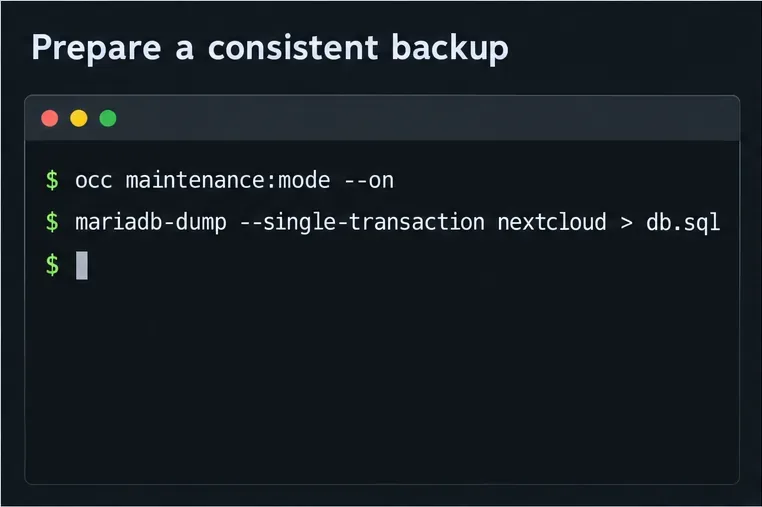
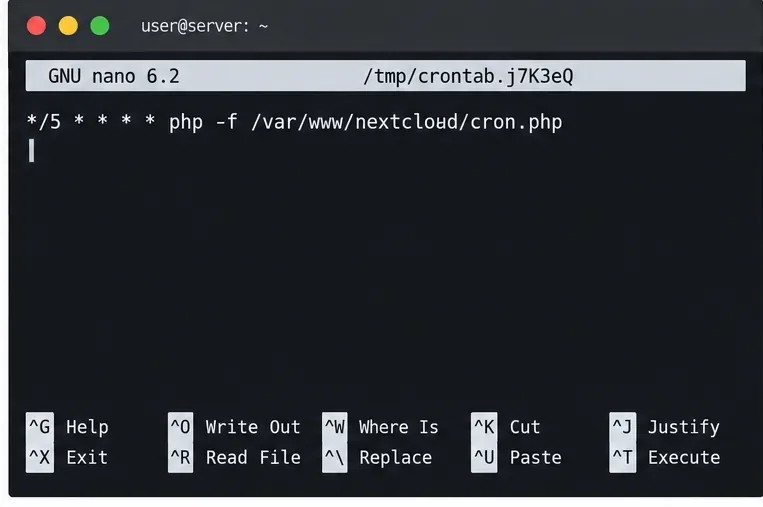
Back up Nextcloud’s files and MariaDB together, schedule encrypted Restic snapshots with cron, and verify recovery without risking the live server.
Configure Nextcloud SSE for the storage that needs it, protect encryption keys, and measure transfer and CPU impact before encrypting existing files.
Connect Nextcloud’s file search to Elasticsearch, index document contents, and choose a setup that fits your server and security needs.
Configure Nextcloud to remove deleted files after a defined retention period, schedule background jobs reliably, and avoid commands that purge every user’s trash.
Run Nextcloud’s OCC repair safely, preview the database changes, and check why the warning might remain.
Allow larger Nextcloud browser uploads by aligning PHP, Nginx or Apache, temporary storage, and timeout settings—and verify which limit is blocking the file.
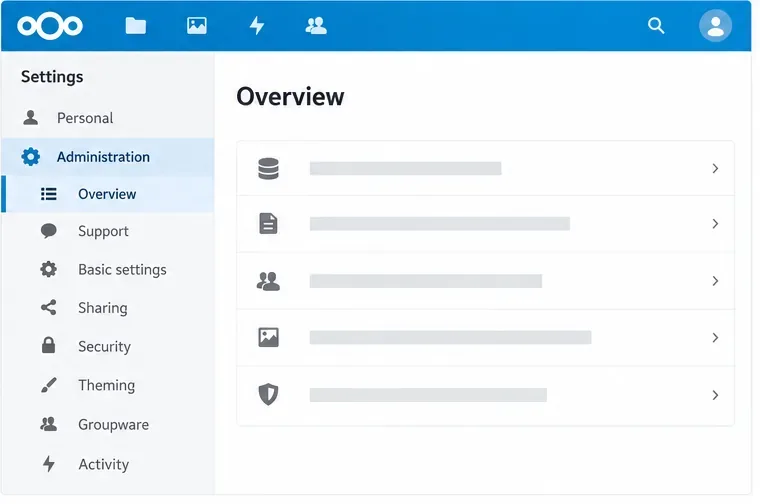
Set the PHP memory limit Nextcloud actually uses, restart the right service, and confirm the 512 MB setting in Admin Overview.
Mount a compatible object-storage bucket in Nextcloud using its S3 backend, with the right endpoint, credentials, access scope, and verification steps.
Safely move a Linux Nextcloud data directory to an external drive using a persistent UUID mount, maintenance mode, a verified copy, and the original-path symlink.