Imagine the peace of mind knowing your entire Windows 11 system is safely tucked away in the cloud, ready to restore at a moment's notice. Whether it's a sudden hardware failure or an accidental deletion, a solid cloud backup strategy can save the day. In this guide, we'll walk you through everything you need to know about how to backup your Windows 11 system to cloud—from built-in tools to third-party options. Let's dive in and secure your digital world! 😊
Why Backup Your Windows 11 System to the Cloud?
Local backups are great, but cloud backup for Windows 11 offers unmatched convenience and security. Your files are accessible from anywhere, automatically synced, and protected against disasters like fires or theft. With the latest Windows 11 updates in 2026, Microsoft has enhanced cloud integration, making it easier than ever to safeguard your OS, apps, settings, and personal data.
Key benefits include:
- Accessibility: Retrieve your data from any device worldwide.
- Automatic Updates: Backups run in the background without interrupting your workflow.
- Redundancy: Multiple copies ensure nothing is lost forever.
- Cost-Effective: Free tiers from providers like OneDrive keep it budget-friendly.
Ready to get started? We'll cover the most reliable methods, starting with Microsoft's own solution.
Method 1: Using OneDrive for Seamless Windows 11 Cloud Backup
OneDrive is the go-to for Windows 11 cloud backup because it's deeply integrated into the OS. Every Windows 11 user gets 5GB free, with options to upgrade to 1TB via Microsoft 365. Here's how to set it up:
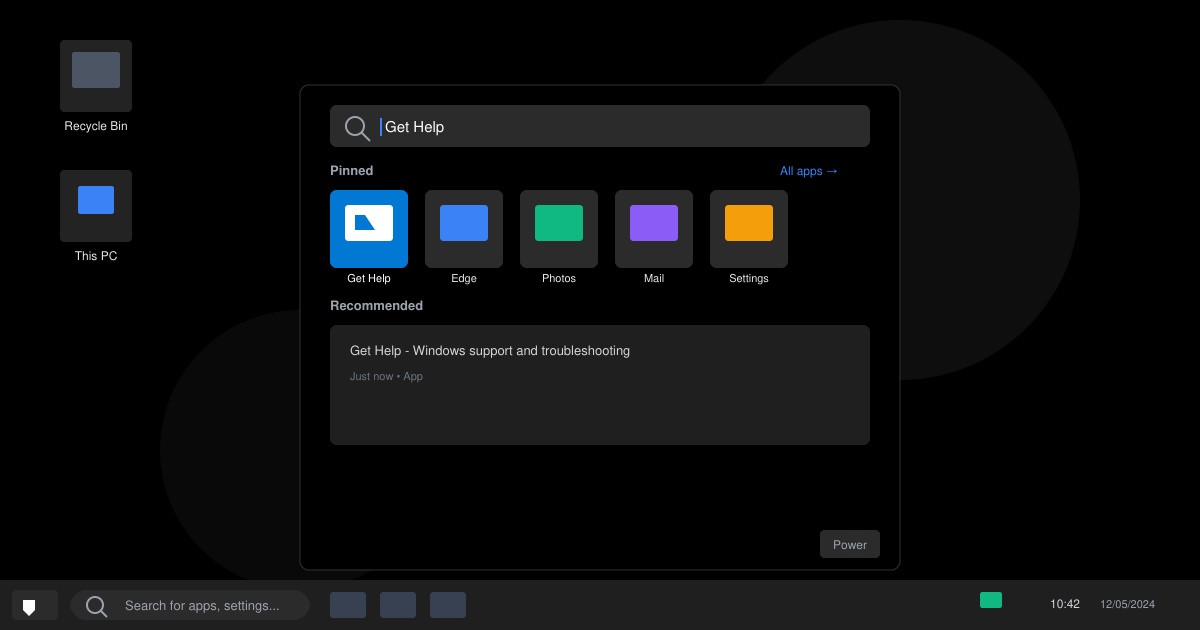
- Enable OneDrive: If not already installed, search for "OneDrive" in the Start menu and sign in with your Microsoft account. It's pre-installed on Windows 11.
- Backup Folders: Right-click the OneDrive icon in the system tray (cloud symbol) and select Settings > Backup tab. Choose folders like Documents, Pictures, and Desktop to sync automatically. This covers your personal files effortlessly.
- Full System Image Backup: For a complete Windows 11 system backup to cloud, use the built-in Backup and Restore tool. Go to Settings > Update & Security > Backup. Under "Back up using File History," connect to OneDrive. For imaging, search for "Create a recovery drive" and select cloud storage as the destination.
- Schedule and Automate: In OneDrive settings, enable "Files On-Demand" to save space while keeping everything backed up. Set it to run daily for ongoing protection.

Pro Tip: For larger backups, consider OneDrive's Personal Vault for encrypted storage—perfect for sensitive Windows 11 data. This method is ideal for beginners, as it feels like magic once set up. You'll sleep better knowing your system is covered! 🌟
Method 2: Google Drive for Cross-Platform Windows 11 Backups
If you're in the Google ecosystem, backup PC to Google Drive is a fantastic alternative. With 15GB free storage, it's generous for most users. The latest Drive for Desktop app (updated in 2026) supports full folder syncing and even system files.
- Install Drive for Desktop: Download from Google's official site. Sign in with your Google account.
- Select Backup Items: Launch the app, go to Preferences > My Computer. Check boxes for folders you want to back up, including user directories for a near-complete Windows 11 cloud backup.
- Advanced System Backup: To include OS settings, use Windows' built-in tools alongside Drive. Export registry keys or use third-party tools like Macrium Reflect (free version available) to create images, then upload to Drive manually.
- Monitor and Optimize: Use the web interface at drive.google.com to verify uploads. Enable offline access for quick restores.
This setup shines for multi-device users, ensuring your Windows 11 system data flows seamlessly to Android or other platforms. It's reliable and user-friendly—thumbs up for simplicity! 👆
Method 3: Third-Party Tools for Comprehensive Cloud Backups
For power users wanting more control, third-party apps elevate how to backup Windows 11 to cloud. Tools like Acronis True Image or EaseUS Todo Backup integrate directly with cloud services.
| Tool |
Cloud Partners |
Key Features |
Free Tier? |
| Acronis Cyber Protect Home |
OneDrive, Google Drive, Dropbox |
Full disk imaging, ransomware protection, mobile app |
Limited trial |
| EaseUS Todo Backup |
OneDrive, AWS, FTP |
Scheduled backups, incremental saves, easy restore |
Yes, basic version |
| Macrium Reflect |
Any cloud via manual upload |
Bootable rescue media, fast compression |
Free edition |
Here's a quick setup for EaseUS (free for home use):
- Download from EaseUS official site.
- Create a new backup task: Select "System Backup" for full Windows 11 system to cloud.
- Choose cloud destination (e.g., OneDrive) and schedule it weekly.
- Test the restore process to ensure everything works smoothly.
These tools add layers of security, like encryption and versioning, giving you confidence in your cloud backup. No more worries about data loss—high five! 🙌
![Third-party backup tool dashboard for Windows 11]()
Best Practices for Secure Windows 11 Cloud Backups
To maximize your Windows 11 cloud backup effectiveness, follow these tips:
- Encrypt Everything: Always use built-in encryption (BitLocker for Windows) before uploading.
- Combine Methods: Use local + cloud for the 3-2-1 rule (3 copies, 2 media types, 1 offsite).
- Regular Testing: Restore a file monthly to verify integrity.
- Monitor Storage: Upgrade plans as needed—OneDrive's 1TB is a steal at under $7/month.
- Stay Updated: Keep Windows 11 and apps current for the latest security patches.
Avoid common pitfalls like skipping system files or relying on a single provider. By diversifying, you're building a fortress around your data.
Restoring Your Windows 11 System from Cloud Backup
Backups are only as good as their restores. For OneDrive, sign in on a new device and sync folders. For full system recovery:
- Boot from Windows recovery media (create via Settings > Recovery).
- Select "Restore from a drive" and point to your cloud-synced image.
- Follow prompts—your Windows 11 system will be back in action.
With Google Drive or third-party tools, download the image first, then use the app's restore wizard. It's straightforward and restores your peace of mind quickly.
Conclusion: Take Control of Your Data Today
Backing up your Windows 11 system to cloud isn't just smart—it's essential in our digital age. Whether you choose OneDrive's simplicity, Google Drive's generosity, or a robust third-party tool, you're now equipped to protect what matters most. Start with a quick folder sync today, and build from there. Your future self will thank you! If you have questions, drop a comment below—we're here to help keep your tech journey smooth. 🚀