Imagine transforming your Microsoft Teams workspace into a powerhouse of automation and intelligence. In 2026, creating and managing a bot in Microsoft Teams is easier than ever, thanks to the latest advancements in Microsoft Bot Framework and Azure Bot Service. Whether you're streamlining workflows, answering queries 24/7, or integrating AI like Copilot, a custom bot can supercharge collaboration. This guide delivers precise, actionable steps to get you up and running—stick around for pro tips that keep bots thriving! 👍
Why Build a Bot for Microsoft Teams in 2026?
Bots handle repetitive tasks, personalize interactions, and scale with your team. From simple Q&A to complex integrations with Power Automate or AI models, they're game-changers. Ready to dive in? Let's start with the essentials.
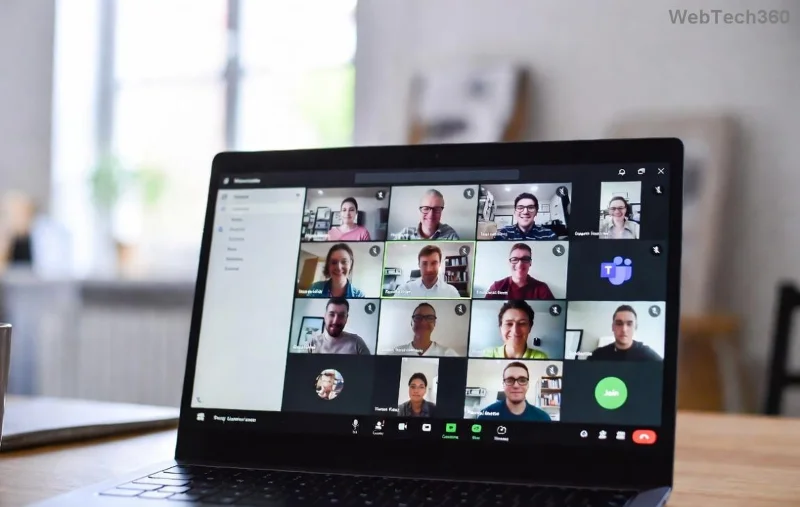
Prerequisites: Gear Up for Success 🛠️
Before coding, ensure these are ready:
- Azure Subscription: Free tier works for testing. Sign up at Azure Portal.
- Development Tools: Visual Studio Code, Node.js (v20+), or .NET SDK for code-based bots. For low-code, use Microsoft Copilot Studio.
- Microsoft Teams Account: Developer tenant recommended.
- Bot Framework Emulator: Download the latest from GitHub for local testing.
Pro tip: Enable multi-factor authentication on Azure for security from day one. Now, onto creation!
Step-by-Step: How to Create a Bot in Microsoft Teams 1️⃣
We'll use two paths: low-code with Copilot Studio (fastest for beginners) and code-first with Bot Framework SDK (for customization). Choose based on your skills.
Option 1: Low-Code Creation with Copilot Studio ⭐
- Go to Copilot Studio and sign in.
- Click New Copilot > Select Teams channel.
- Use the canvas to drag-and-drop topics, triggers, and generative AI nodes powered by latest GPT models.
- Test in the built-in emulator, then Publish.
Time: Under 30 minutes. Perfect for HR bots or FAQs!
Option 2: Code-First with Bot Framework Composer
| Step | Action | Key Command/Tool |
|---|
| 1. Install Composer | Download from GitHub | VS Code Extension |
| 2. Create New Bot | File > New Bot Project | Select Echo Bot template |
| 3. Design Dialogs | Visual editor for intents, entities | Adaptive Cards for rich UI |
| 4. Local Test | Start Bot > Connect Emulator | ngrok for tunneling |
Enhance with latest 2026 features like proactive messaging and task modules for immersive experiences.
![Step-by-step bot registration in Azure Bot Service for Teams integration]()
Register Your Bot in Azure Bot Service 🔑
Every bot needs an identity:
- In Azure Portal, search Azure Bot > Create.
- Enter bot name, subscription, and Microsoft App ID (auto-generated or manual).
- Under Channels, add Microsoft Teams—approve permissions like messaging.
- Copy Endpoint URL (e.g., https://yourbot.azurewebsites.net/api/messages).
- Generate App Password and update your bot code/config.
Security note: Use managed identities for production. Test via Teams App Studio or Developer Portal.
Deploy and Integrate into Microsoft Teams ⚡
- Package Your Bot: Use Manifest Generator in Teams Developer Portal.
- Zip manifest with icons > Sideload to Teams (Apps > Manage your apps > Upload).
- For app stores: Submit to Teams Store via Partner Center.
- Enable in team/channel: @mention your bot to interact!
Voila! Your bot is live. Try commands like "help" to verify.
Mastering Bot Management in 2026 📈
Creation is step one—management ensures longevity. Here's how:
Monitor Performance
- Azure Application Insights: Track conversations, errors, user metrics.
- Teams Analytics: View adoption in Admin Center.
Update and Scale
- Version Control: Git repo for dialogs/code.
- CI/CD: Azure DevOps pipelines for auto-deploys.
- Adaptive Cards 2.0+: Update UIs without app restarts.
Troubleshooting Common Issues ❌
| Issue | Solution |
|---|
| Bot not responding | Check endpoint health, Teams manifest permissions |
| Auth failures | Regenerate App Password, verify scopes |
| High latency | Scale Azure plan to Premium |
Advanced: Integrate with Graph API for user data or Power Virtual Agents for hybrid AI.
Pro Tips to Keep Your Bot Thriving Forever 🌟
- Personalize: Use user context for tailored responses.
- Privacy First: Comply with GDPR via data minimization.
- Future-Proof: Watch for Copilot extensibility in upcoming updates.
- Experiment: Start small, iterate based on feedback. 👏
Congrats—you're now equipped to create and manage a bot in Microsoft Teams like a pro! Deploy one today and watch productivity soar. Questions? Drop a comment below—we're building the future together. 🚀