Home
» Wiki
»
How to create rounded corner images in Photoshop
How to create rounded corner images in Photoshop
This tutorial will show you the best way to round corners in Photoshop. It will also show you how to add a border to your image after rounding the corners. And finally, the most important step, how to save the result with the transparency in the corners preserved.
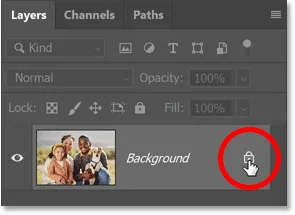
With the image open in Photoshop, start by going to the Layers panel where the image is located on the Background layer.
Click the layer's lock icon to unlock it. Photoshop will rename the layer to Layer 0 and the lock icon will disappear.
Unlock the Background layer.
Step 2: Select Rectangle Tool
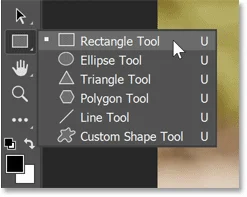
In the toolbar, select the Rectangle Tool.
If another shape tool is available, click and hold on that tool's icon and select the Rectangle Tool from the list.
Select the Rectangle Tool from the toolbar in Photoshop
Step 3: Set shape options
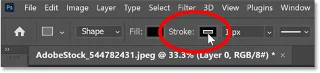
In the Options Bar, click the Stroke Color swatch.
Swatch Stroke Color in the Options Bar in Photoshop
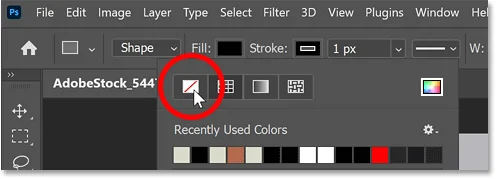
Set color to None to not show stroke.
Then press Enter ( Return on Mac) to close the color options.
Select None for the stroke color.
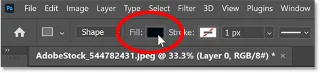
To the left of the stroke color is the Fill Color swatch .
Any color for the shape will do, so for the example we will leave it black (default shape color).
Swatch Fill Color.
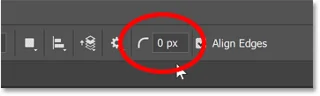
Also in the Options Bar is the Corner Radius option, where you can enter dimensions for the corners before drawing the shape.
Leave it at 0 for now because we will round the corners after drawing the shape.
Corner Radius option for Rectangle Tool in Photoshop
Step 4: Draw a rectangle
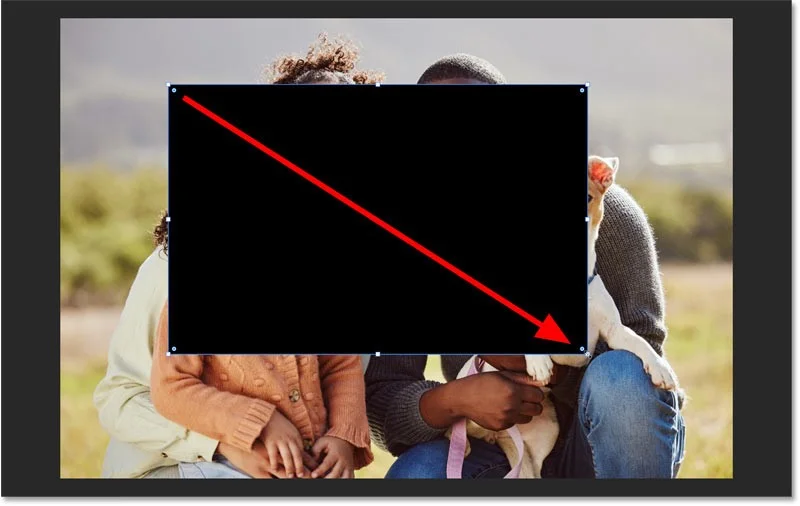
Click and hold in your document and drag the shape out. Don't worry about the size or position of the shape, we'll change it later.
Draw the initial shape.
In the Layers panel, the shape will appear on its own shape layer above the image.
New shape layer in the Layers panel.
Step 5: Center and resize the shape
Before resizing the shape, center the shape on the canvas.
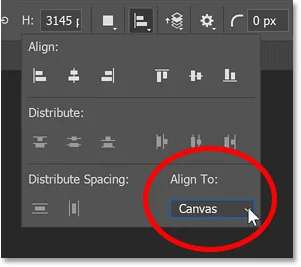
In the Options Bar, click the Path Alignment icon .
Path Alignment icon in the Options Bar.
Change the Align To option from Selection to Canvas .
The Align To option is set to Canvas.
Click the Align Horizontal Centers and Align Vertical Centers icons .
Then click anywhere on the Options Bar to close the box.
Align Horizontal Centers and Align Vertical Centers icons.
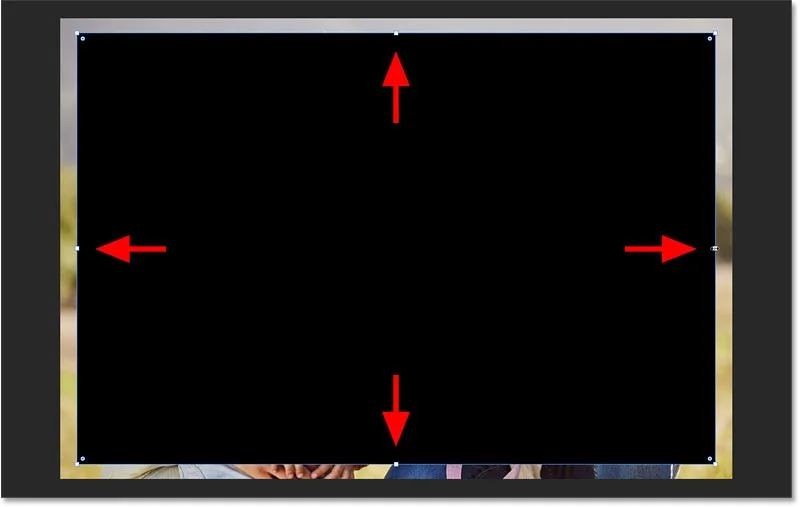
Now that the shape is centered, you can resize it from its center by holding down the Alt key on a Windows PC or the Option key on a Mac and dragging any of the transform handles.
Resizes a shape from its center.
Step 6: Round the corners of the shape
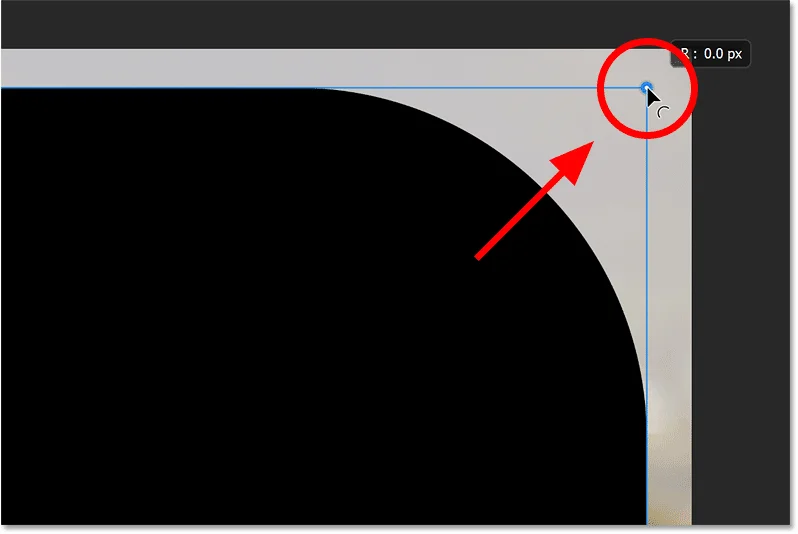
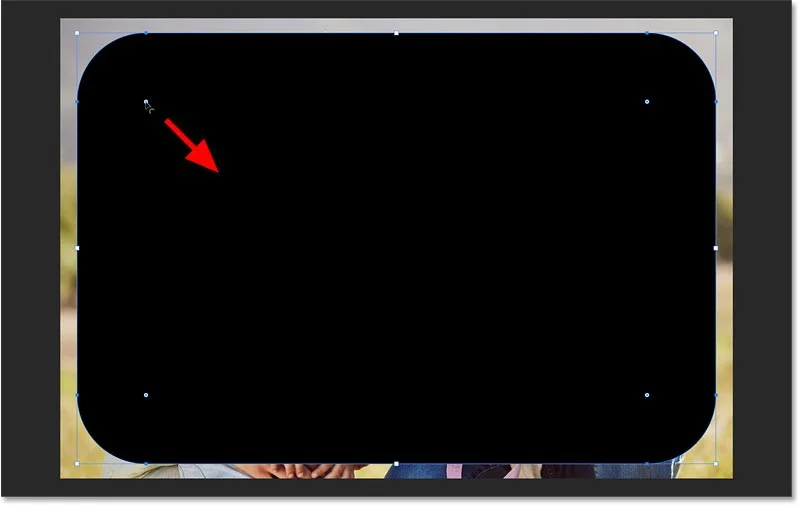
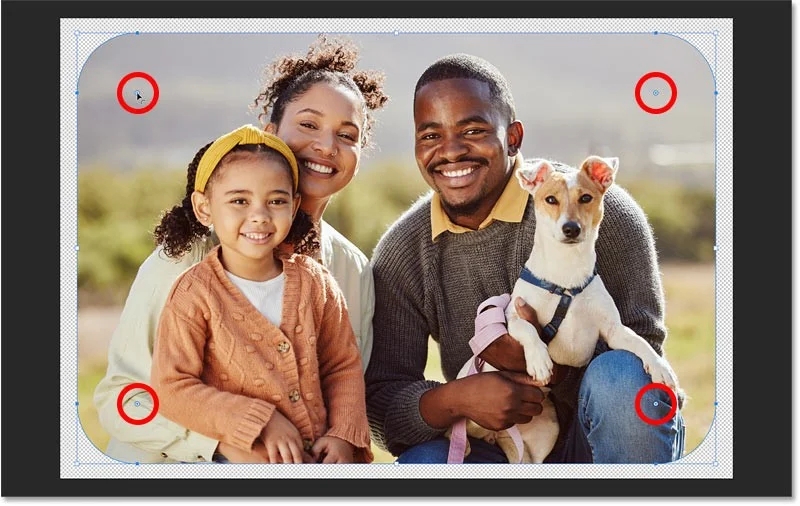
Notice the small circles at each corner of the shape. These are the Corner Radius controls .
The Corner Radius control is on the top left corner of the shape.
To round the corners, simply drag one of the circles.
Drag the circle to round the corners.
All four corners of the shape are rounded to the same extent.
Dragging a circle will round all the corners at once.
Round corners from the Properties panel
Another way to round corners is in the Properties panel. This second way is useful when you know the exact radius value you need.
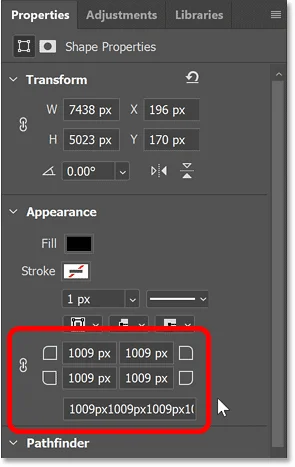
In the Properties panel, go to the Corner Radius options . You may need to scroll down to find them.
Here you can enter values for the angles at the top left, top right, bottom right, and bottom left corners of the shape.
Corner Radius options in the Properties panel.
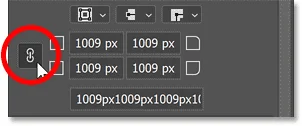
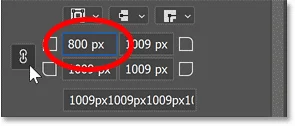
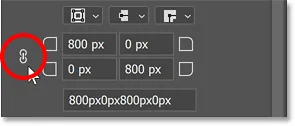
To set the radius for all 4 corners at once, first make sure the link icon is selected.
Link icon.
Then enter a value in any cell. For example, we will enter 800 px for the top left corner.
Enter a radius value for one of the corners.
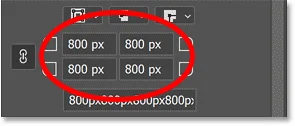
Press Enter ( Return on Mac) to accept and set that value for all 4 corners.
Now, all four corners have the same radius value.
How to round a corner separately from the others
In addition to rounding all four corners together, you can round each corner individually.
The easiest way is to hold down the Alt key on a Windows PC or the Option key on a Mac, then drag the circle for the angle you want to adjust.
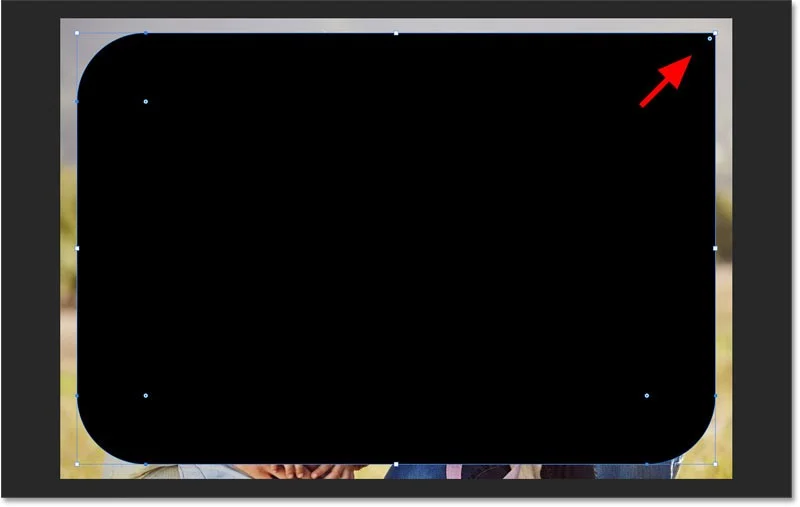
So if you want the top right corner to be pointed while the other corners remain rounded, you can hold down the Alt (Win) / Option (Mac) key and drag the circle of that corner back to its original position.
Rounds one corner of a shape separately from the other corners.
Hold down Alt (Win) / Option (Mac) to drag the circle without affecting the other corners.
And now we have one sharp corner (in the upper right corner) and three rounded corners.
Results after adjusting one angle separately.
Another way to adjust a corner individually is from the Corner Radius option in the Properties panel.
First, unlink the corners by unchecking the link icon.
Unlink corners.
Then enter a radius value for the corner. So if you want the bottom left corner to be pointed as well, you can enter a value of 0 px.
Press Enter ( Return on Mac) to accept.
Set bottom left radius to 0.
Now, we have two rounded corners and two acute corners.
Set bottom left radius to 0.
Result after adjusting the lower left corner alone.
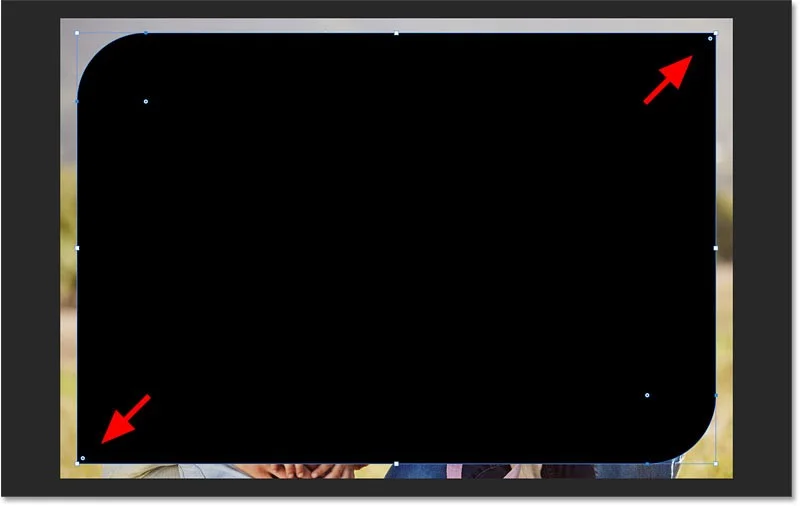
But notice that if you now drag a circle (without holding down the Alt or Option key ) to adjust all four corners together, the corners in the upper right and lower left corners are still less rounded than the other corners.
The corners are rounded to varying degrees.
Reset corners
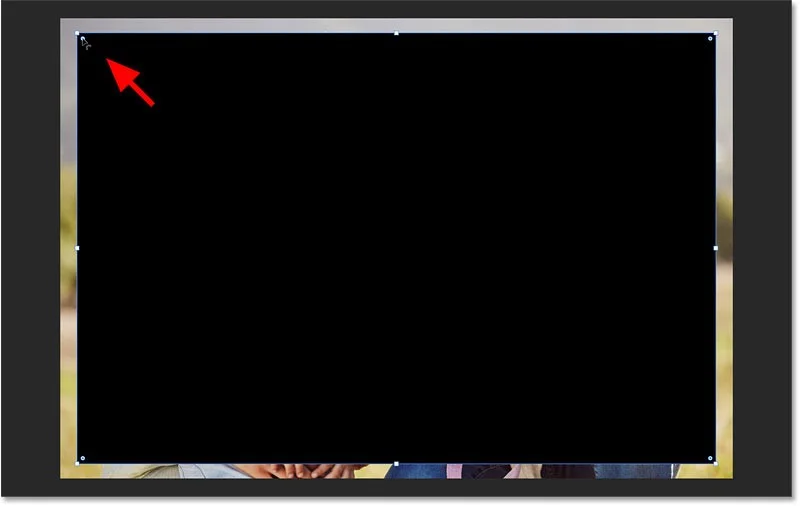
Drag the circles back to the corners to reset them to their original sharp corners.
Drag the circles to sharpen the corners.
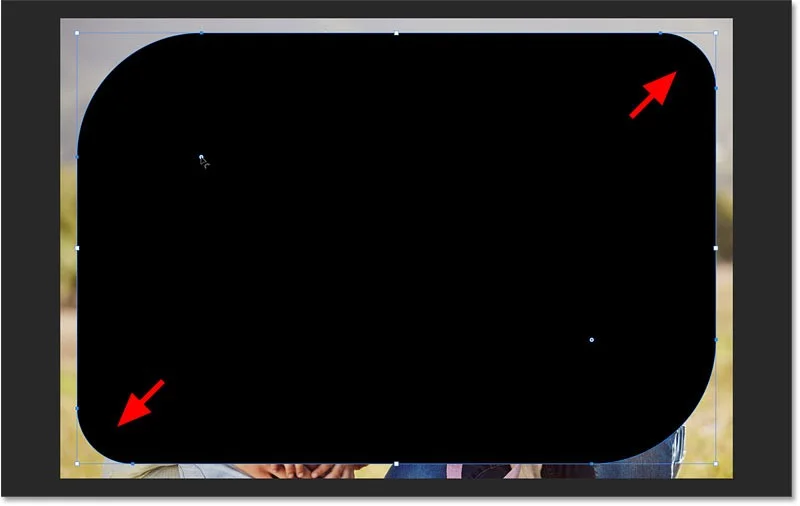
Then drag one of the circles to round them all to the same amount as you want.
Round all four corners together.
Step 7: Create clipping mask
Now that you have rounded the corners of the shape, you need to move the image into the shape. To do that, use a clipping mask.
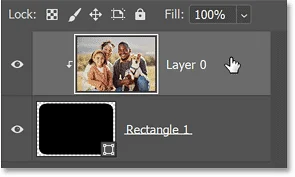
In the Layers panel, drag the image layer above the shape layer.
Drag the image onto the shape layer in the Layers panel.
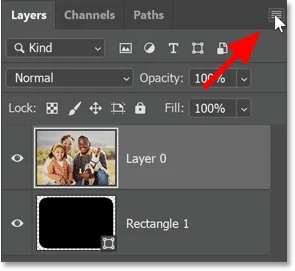
Then, while the image layer is active, click the menu icon of the Layers panel.
The Layers panel menu icon.
Click the menu icon.
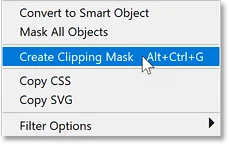
Select Create Clipping Mask .
Select the Create Clipping Mask command in Photoshop.
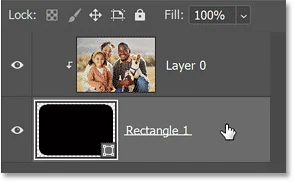
This command places the image inside a shape, making it appear to have rounded corners.
And everything outside the shape is now transparent, represented by a checkerboard pattern.
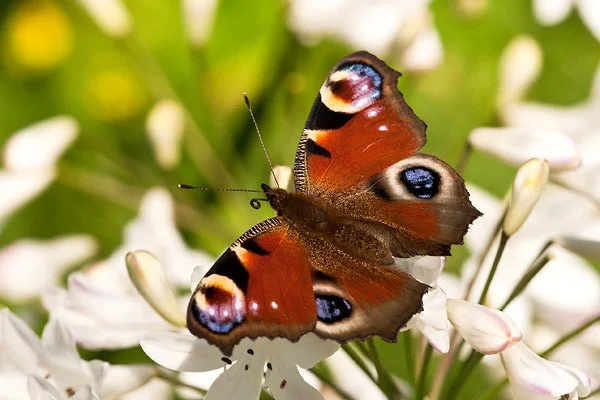
Photos now have rounded corners.
Step 8: Make final adjustments to the corners
You can still adjust the corners if needed, even if the photo is inside the shape.
Just reselect the shape layer in the Layers panel.
Select the shape layer.
As long as you keep the Rectangle Tool (or any shape tool) selected in the toolbar, the circles at the corners will reappear.
Drag a circle to adjust the roundness until you are satisfied with the result.
The Corner Radius circles reappear when the shape layer is selected.
To view the image without the shape controls getting in the way, select the image layer in the Layers panel.
And to bring the controls back, select the shape layer.
Switch between shape and image layers to show/hide shape controls.
Step 9: Cut out the transparent areas
Before we go any further, let's cut out the unnecessary transparent areas around the image, as all we really need is the transparency in the corners.
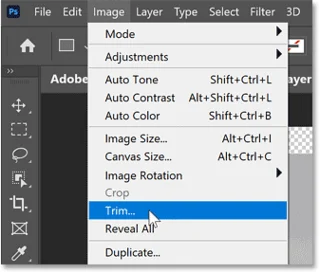
Go to the Image menu and select Trim .
Select the Trim command from the Image menu in Photoshop
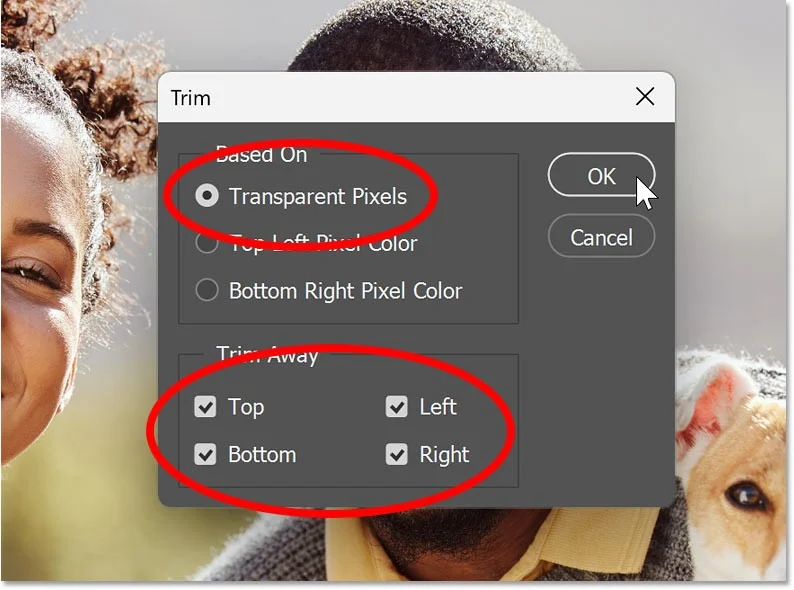
In the Trim dialog box , select Transparent Pixels at the top and make sure Top, Bottom, Left , and Right are all selected at the bottom.
Then click OK.
Trim Dialog Box in Photoshop
Photoshop cuts off all transparency except what remains in the corners.
Result after removing most of the transparent part.
Step 10: Add a border around the photo (optional)
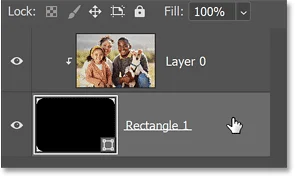
If you want to add a border around your image, make sure the shape layer in the Layers panel is selected.
Select the shape layer.
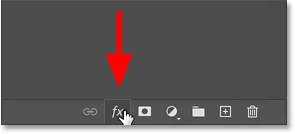
Click the layer effects (fx) icon at the bottom of the Layers panel.
Layer effect icon.
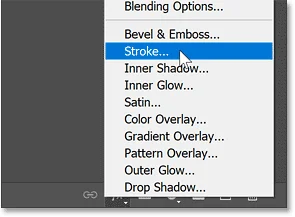
Select Stroke from the list.
Add a Stroke layer effect to the shape.
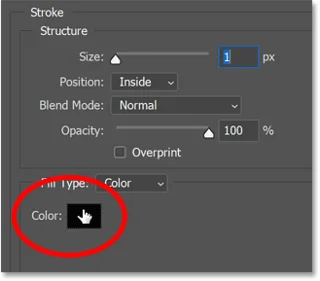
In the Layer Style dialog box, click the color swatch to select a color for the stroke.
Select stroke color.
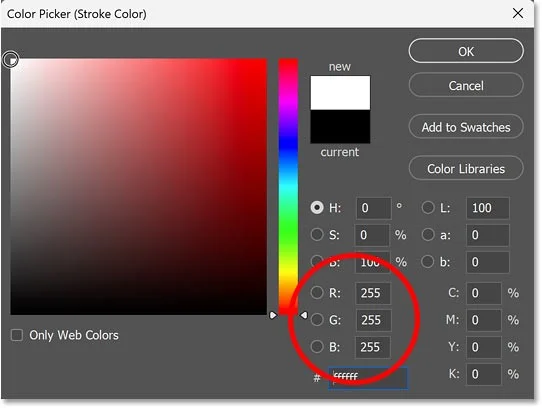
Then, select a color from the Color Picker. For example, we will select white (with R, G, and B values of 255).
Click OK to close the Color Picker when finished.
Select white from the Color Picker.
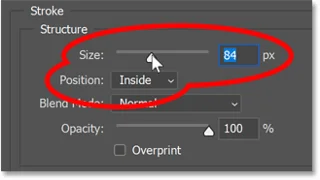
Back in the Layer Style dialog box, make sure that Stroke Position is set to Inside.
Then, drag the Size slider to set the width of the line. The size you need will depend on the size of your image.
Click OK to close the Layer Style dialog box when you're done.
Stroke Position and Size options.
This is the image with the stroke (outline) added.
A border is added around the image.
Step 11: Save image
Finally, to save the image and keep the rounded corners, you need to save the image in a format that supports transparency. JPEG won't work. Instead, save the image as a PNG .
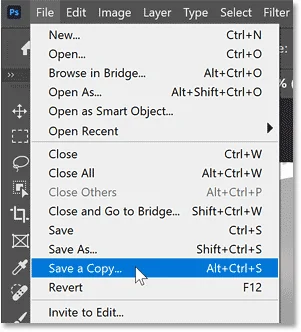
Go to the File menu and select Save a Copy (not Save As).
Go to File > Save a Copy
In the Save a Copy dialog box:
Navigate to where you want to save the file on your computer.
Change file type to PNG .
Name the file. For example, we will name it "rounded-corners".
Click Save .
Save file as PNG.
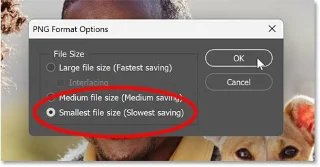
In PNG Format Options, select Smallest file size and click OK .
Your image is now saved with rounded corners.
PNG format option.
And that's it! That's how to round corners in Photoshop.