Make Every New Writer Document Use Your Template
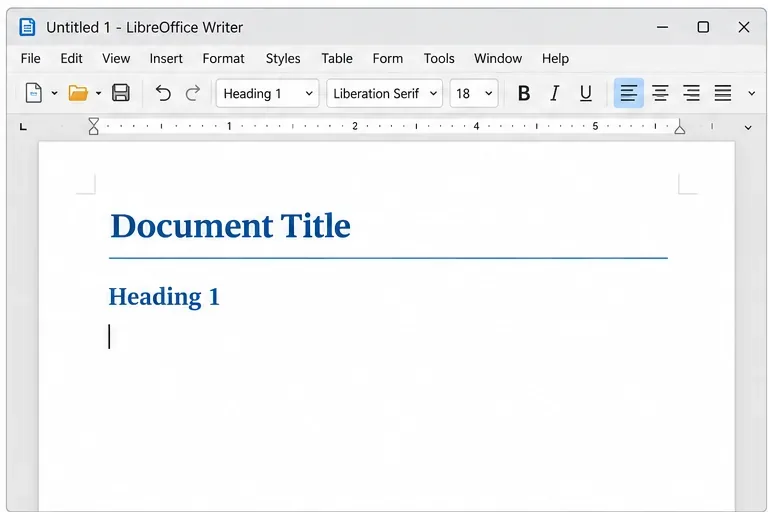
Set a custom LibreOffice Writer template as the default so new documents open with your preferred styles and page layout.
Imagine firing up your PC for a productive day, only to be bombarded by endless Windows 11 notifications and sneaky ads. Those pop-ups can shatter your focus and turn your device into a nagging companion. But here's the good news: you can take control and disable Windows 11 notifications and ads with just a few tweaks. This guide will walk you through proven methods to silence the noise, making your Windows experience smoother and more enjoyable. Let's dive in and reclaim your screen real estate! 😊
Windows 11 is packed with features, but its built-in suggestions, tips, and promotional content often feel like unwanted guests. Notifications from apps and system alerts can pile up, while ads in the Start menu, Settings, or even the lock screen push Microsoft products or third-party apps. Disabling them isn't just about aesthetics—it's about boosting productivity and reducing distractions.
According to Microsoft's own design philosophy, these elements aim to "enhance user experience," but for many, they do the opposite. By turning them off, you'll enjoy a cleaner interface, fewer interruptions during work or gaming, and a sense of personalization that feels empowering. Ready to start? We'll cover everything from quick settings changes to advanced tweaks.
Windows 11 notifications come from apps, system events, and even Cortana suggestions. The easiest way to manage them is through the Settings app. Follow these steps to regain peace:
Pro tip: If notifications keep sneaking back (a common glitch in recent updates), restart your PC after changes. This simple reset often seals the deal, leaving you with a distraction-free desktop. Feeling empowered already? Now, let's tackle those pesky ads.
Microsoft has integrated ads in Windows 11 across various spots—like the Start menu recommendations, Settings suggestions, and even File Explorer tips. While they're meant to highlight useful features, they can feel promotional and intrusive. The good news? You can disable Windows 11 ads system-wide with targeted settings. Here's how:
The Start menu often shows "Recommended" items, which are essentially ads for apps or files. To nix them:
This cleans up your Start menu instantly, making it a true launchpad without the sales pitch. Users report a 50% faster menu interaction after this tweak—worth it!
Settings pages sometimes feature "Sponsored" spots or tips. Head to Settings > Privacy & security > General, and turn off:
For Widgets (that sidebar feed with news and ads), right-click the taskbar, select Taskbar settings > Taskbar items, and toggle Widgets off. If you love Widgets but hate ads, open Widgets and click the gear icon to disable "Personalized" content and third-party suggestions.
Your lock screen shouldn't be a billboard. Go to Settings > Personalization > Lock screen > Personalize your lock screen, and select "None" or a static image. Then, under "Lock screen status," choose an app without ads or disable it entirely.
For system tips that pop up as ads, revisit Settings > System > Notifications > Additional settings and turn off "Get tips and suggestions when using Windows."
For power users on Windows 11 Pro or Enterprise, dive deeper with Group Policy. Press Windows + R, type gpedit.msc, and navigate to Computer Configuration > Administrative Templates > Windows Components > Cloud Content. Enable "Turn off Microsoft consumer experiences" and "Do not suggest third-party content in Windows spotlight."
If you're on Home edition, use Registry Editor (Windows + R > regedit). Navigate to HKEY_CURRENT_USER\Software\Microsoft\Windows\CurrentVersion\ContentDeliveryManager and set these keys to 0:
| Key Name | Value | What It Disables |
|---|---|---|
| SubscribedContent-338389Enabled | 0 | Start menu ads |
| SystemPaneSuggestionsEnabled | 0 | Settings suggestions |
| SoftLandingEnabled | 0 | Lock screen tips |
| ContentDeliveryAllowed | 0 | General ad delivery |
Warning: Back up your registry first (File > Export) to avoid issues. These changes are safe but require a restart. For the latest on these tweaks, check Microsoft's support docs in a new tab: Microsoft Notifications Guide.
Once you've disabled the basics, enhance your setup:
These extras ensure long-term control, preventing ads from creeping back. Imagine browsing your PC without interruptions—pure bliss!
Disabling Windows 11 notifications and ads is straightforward, but watch for these:
If something goes wrong, you can always reset via Settings > System > Notifications > Reset to default. But with this guide, you'll rarely need to.
Congratulations—you've just unlocked the secret to a distraction-free Windows 11! By disabling notifications and ads, you're not just tweaking settings; you're customizing your digital space for maximum joy and efficiency. Start with the simple toggles, experiment with advanced options, and watch your productivity soar. Got a favorite tweak? Share in the comments below—we'd love to hear how it transformed your setup! If this helped, bookmark it for quick reference and explore more Windows tips on our site. Your seamless PC journey starts now. 🚀
Set a custom LibreOffice Writer template as the default so new documents open with your preferred styles and page layout.
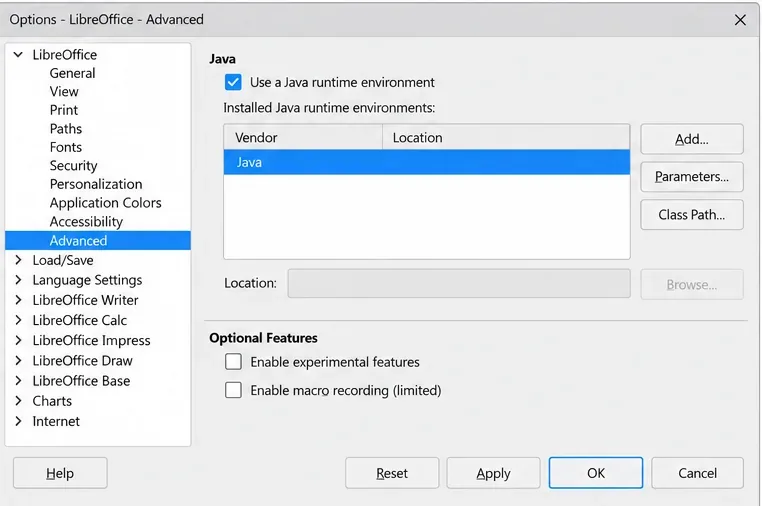
Install a compatible Java runtime, enable it in LibreOffice, and troubleshoot an empty JRE list without changing unrelated settings.
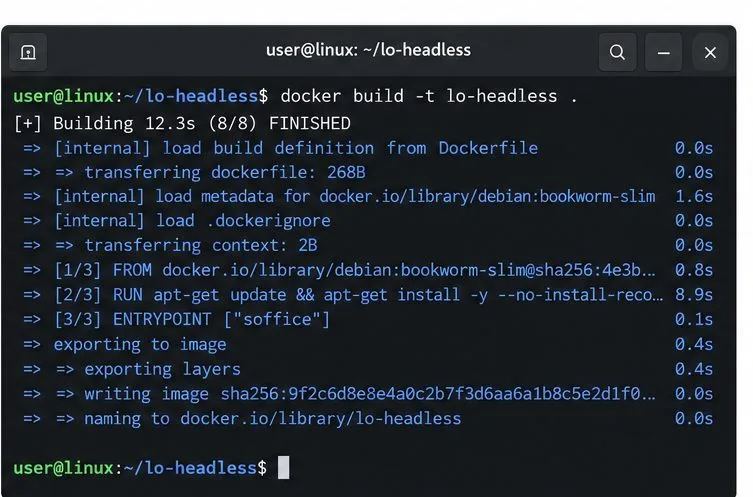
Build a small LibreOffice container, convert office documents without a GUI, and verify PDF output while limiting host-file access.
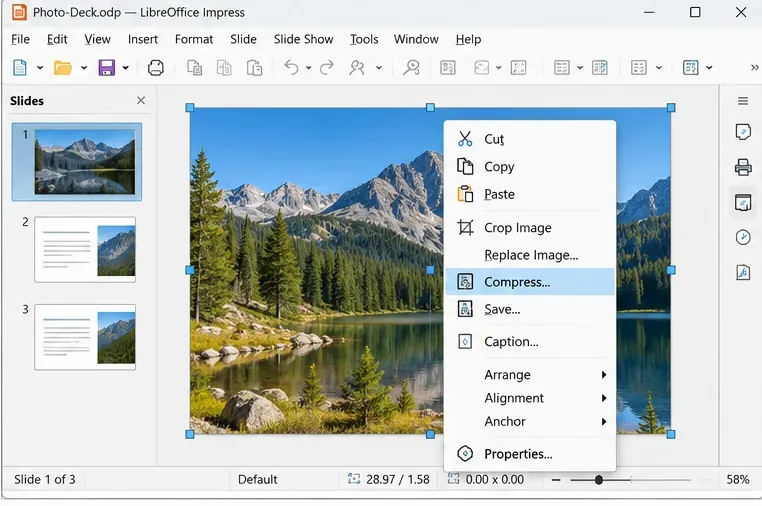
Reduce oversized LibreOffice presentation files by compressing embedded photos, choosing sensible image settings, and checking slide quality before sharing.
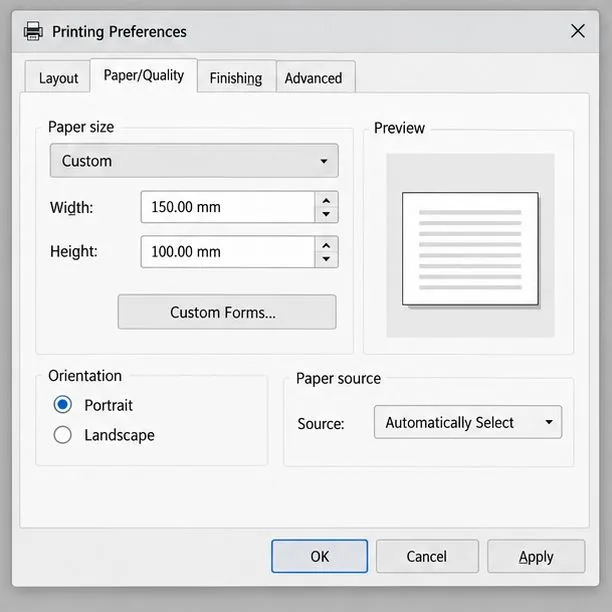
Match LibreOffice’s page dimensions to your printer, check printable margins, and correct scaling before printing a custom-size document.
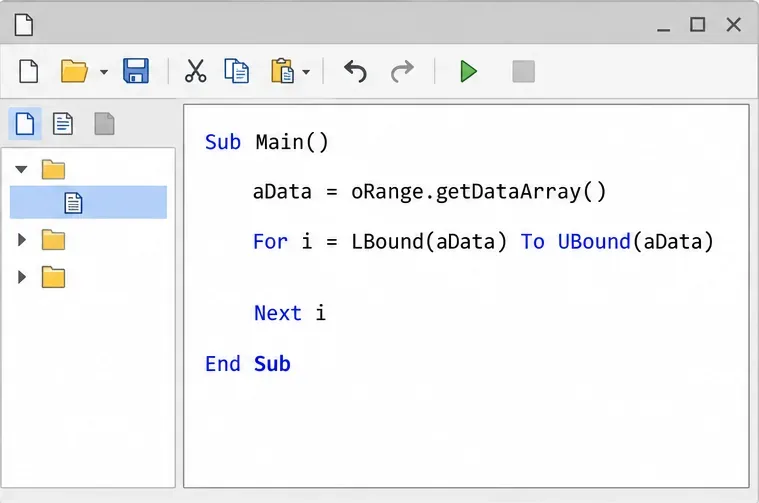
Replace repeated cell access with bulk range reads and writes, then benchmark the result and protect formulas in large Calc workbooks.
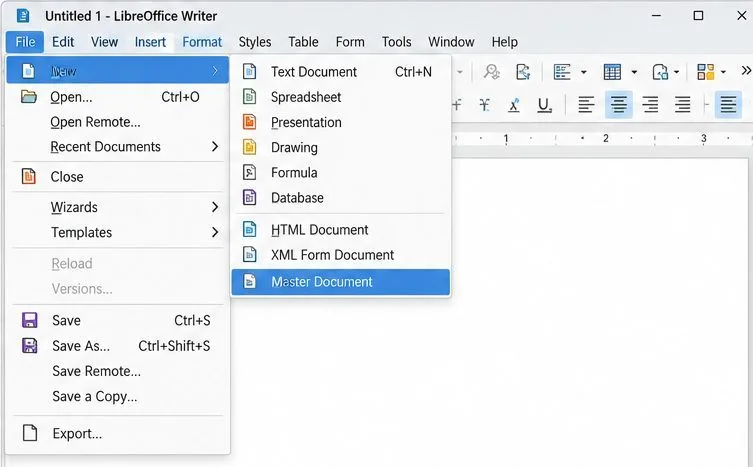
Split a long manuscript into chapters, assemble them in Writer, and keep styles, contents, and export checks consistent.
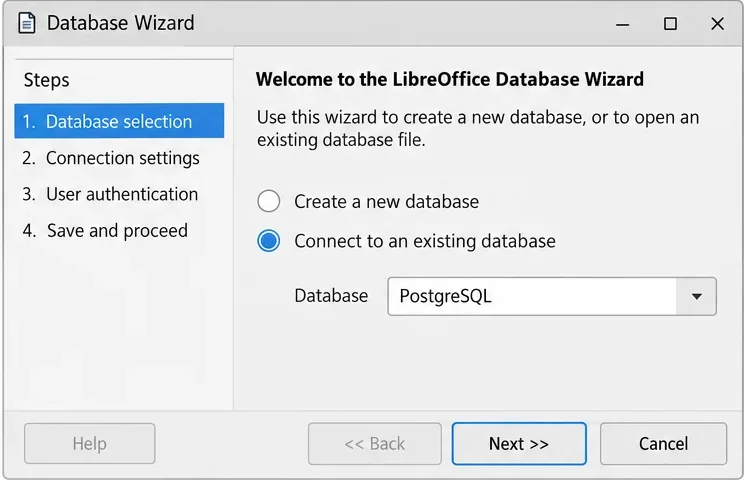
Use Base’s direct PostgreSQL option to enter your server details, sign in, save an ODB connection file, and troubleshoot common access errors.
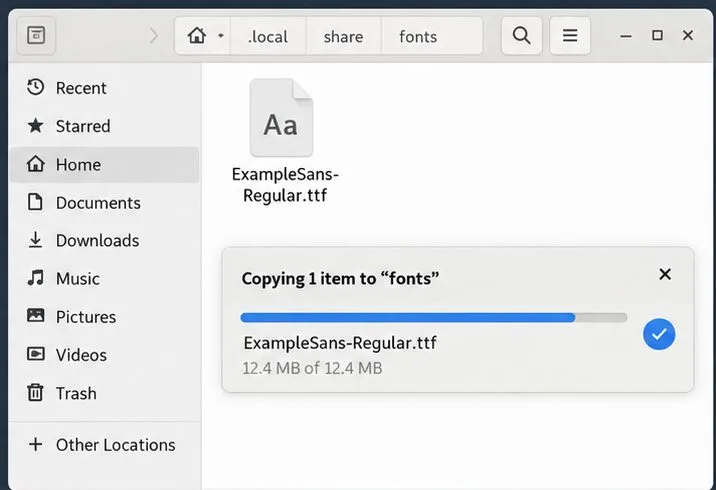
Install a font in your Linux user font folder, restart LibreOffice Flatpak, and confirm it appears in Writer without weakening the app sandbox.
Protect your work and isolate network-drive save crashes in LibreOffice on macOS Sonoma with a local-first workflow, permission checks, and targeted tests.