Make Every New Writer Document Use Your Template
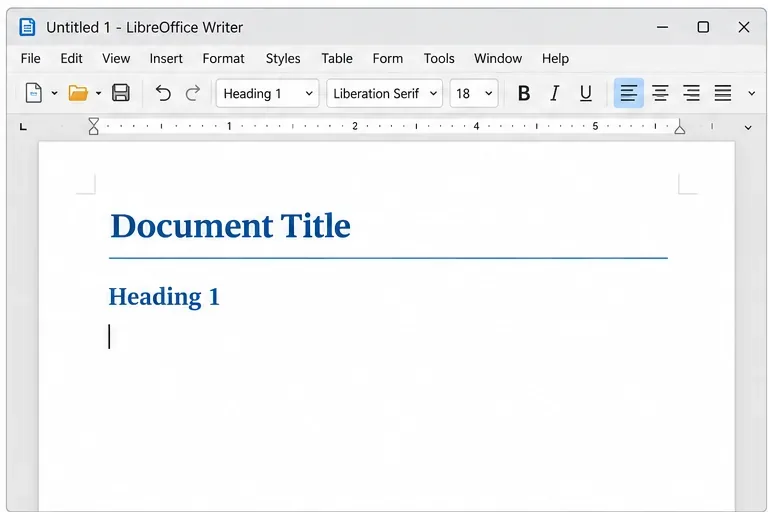
Set a custom LibreOffice Writer template as the default so new documents open with your preferred styles and page layout.
Imagine powering up your Windows 11 PC, only to be hit with the dreaded Memory Management error – a Blue Screen of Death (BSOD) that crashes everything and leaves you staring at a frustrating error code. It's a common headache for users, often tied to faulty drivers, corrupted files, or hardware glitches. But don't worry! This guide is your lifeline, packed with straightforward, effective solutions to banish the Windows 11 "Memory Management" Error for good. We'll walk you through each step with confidence-boosting clarity, so you can reclaim your productivity without the tech overwhelm. Let's dive in and get your system back on track! 😊
The Memory Management error in Windows 11 signals that your system's RAM (Random Access Memory) isn't handling data properly. This BSOD typically pops up during multitasking, gaming, or even simple browsing, halting operations to prevent further damage. According to Microsoft's latest diagnostics, it's often triggered by outdated drivers, software conflicts, or failing hardware – issues that have become more prevalent with Windows 11's advanced memory features like Virtual Memory optimization.
Why does this matter? Unresolved, it can lead to frequent crashes, data loss, and slowed performance. The good news? Most cases are fixable at home. Stick with us, and by the end, you'll not only fix it but also learn preventive tips to keep it from returning. Ready to troubleshoot? Let's start with the basics.
Before diving deep, let's rule out simple culprits. These initial steps often resolve the Memory Management Error in under 10 minutes.
If the error persists, move to driver diagnostics. Pro tip: Keep a notepad handy to jot down any new error messages – it'll help if you need advanced support later.
Drivers are the bridge between your hardware and Windows 11. A glitchy one, especially for graphics or storage, frequently triggers Memory Management issues. Here's how to fix it:
Feeling empowered? These tweaks have helped thousands restore stability. If drivers aren't the issue, let's scan for corruption next – it's a game-changer for persistent errors.
Corrupted system files can disrupt memory management. Windows 11's tools make repairs easy and automatic.
sfc /scannow and hit Enter. This scans and fixes protected files – expect it to take 10-20 minutes.DISM /Online /Cleanup-Image /RestoreHealth. It grabs fresh files from Microsoft servers to patch issues.chkdsk C: /f /r (replace C: with your drive). Restart when prompted – it checks for bad sectors that might fake memory problems.After these, reboot and test. Many users report the Windows 11 "Memory Management" Error vanishing here. If not, hardware might be lurking – but don't panic; we've got safe checks ahead.
If software fixes fall short, RAM could be the villain. Windows 11's memory integrity features (like Core Isolation) amplify small hardware flaws.
| Tool | How to Use | What It Does |
|---|---|---|
| Windows Memory Diagnostic | Search for it in Start menu, choose Restart now and check for problems | Scans RAM for errors during boot; results appear post-restart |
| MemTest86 (Free Tool) | Download from official site, create bootable USB, run overnight | Advanced test for faulty modules – detects issues SFC misses |
For reseating RAM: Power off, unplug, open your PC case, and gently remove/reinsert modules. If you have multiple sticks, test one at a time. Overclocked RAM? Reset to default in BIOS (press Del/F2 on boot).
🛑 Warning: If tests fail, consult a pro for replacement – but 80% of cases are software-related, so you're likely in the clear.
For rare holdouts, try these:
These steps, drawn from Microsoft's support docs, ensure comprehensive coverage. For more on BSOD troubleshooting, check Microsoft's official guide: Troubleshoot Blue Screen Errors.
Fix done? Great job! To keep the Memory Management error at bay:
Congratulations – you've just mastered fixing the Windows 11 "Memory Management" Error! Your PC should now hum along without interruptions. If issues linger, consider professional help or community forums like Reddit's r/Windows11. Share your success story in the comments – what's your go-to fix? Let's keep the conversation going! 👏
Set a custom LibreOffice Writer template as the default so new documents open with your preferred styles and page layout.
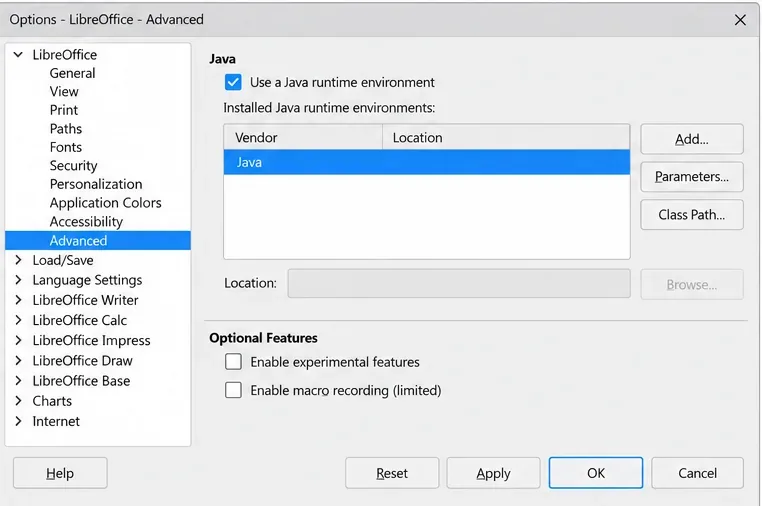
Install a compatible Java runtime, enable it in LibreOffice, and troubleshoot an empty JRE list without changing unrelated settings.
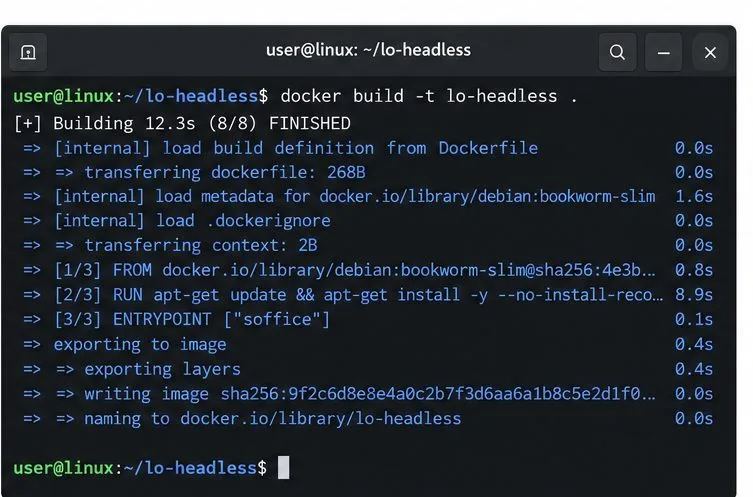
Build a small LibreOffice container, convert office documents without a GUI, and verify PDF output while limiting host-file access.
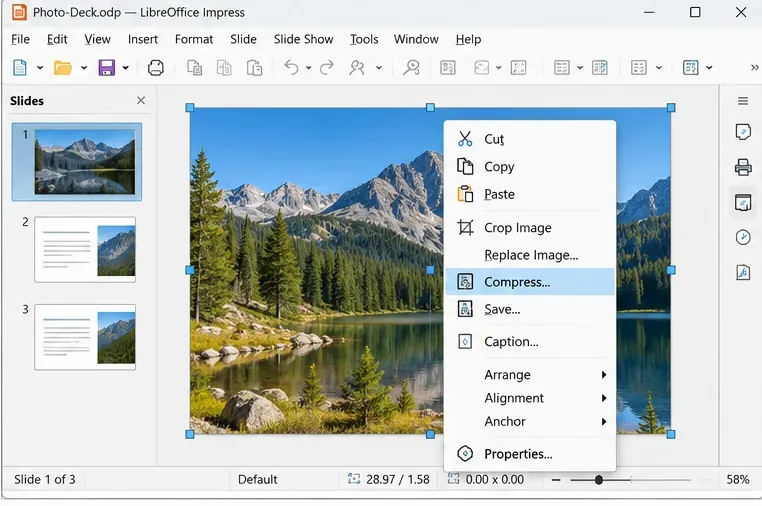
Reduce oversized LibreOffice presentation files by compressing embedded photos, choosing sensible image settings, and checking slide quality before sharing.
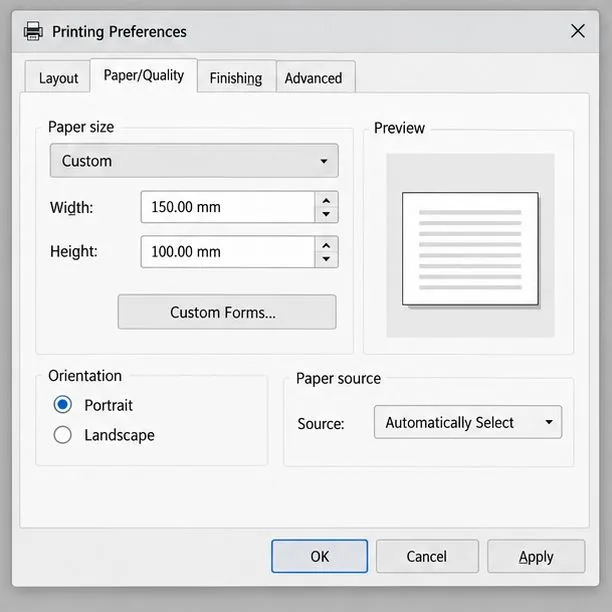
Match LibreOffice’s page dimensions to your printer, check printable margins, and correct scaling before printing a custom-size document.
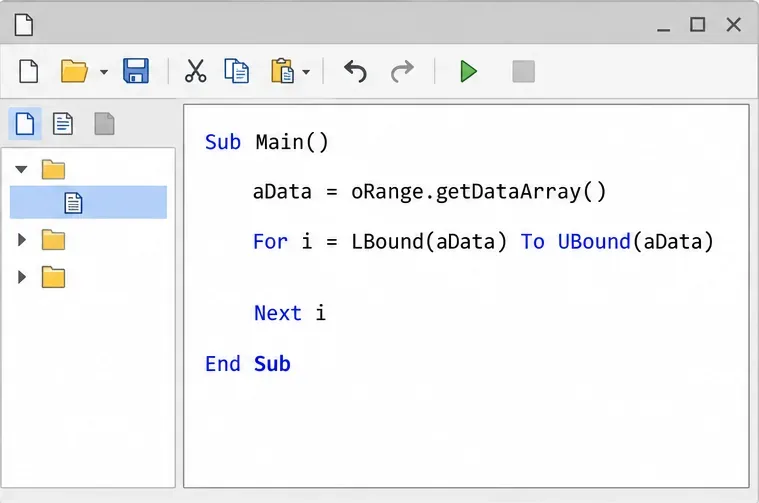
Replace repeated cell access with bulk range reads and writes, then benchmark the result and protect formulas in large Calc workbooks.
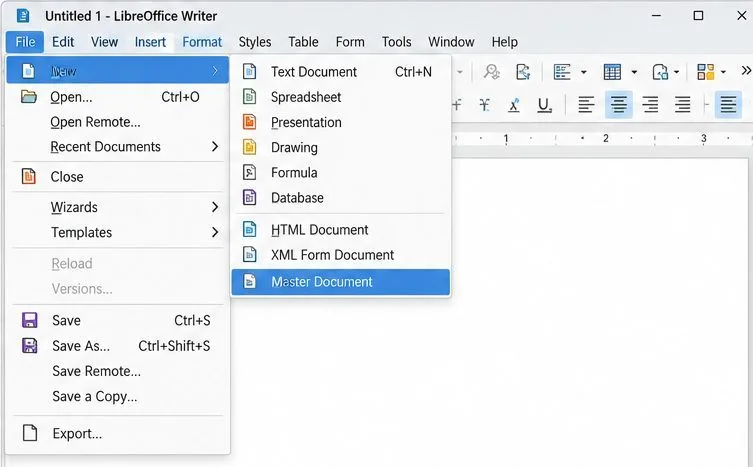
Split a long manuscript into chapters, assemble them in Writer, and keep styles, contents, and export checks consistent.
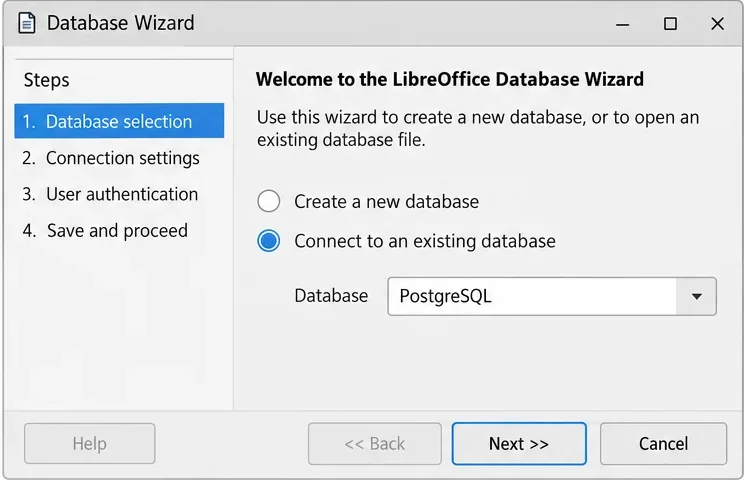
Use Base’s direct PostgreSQL option to enter your server details, sign in, save an ODB connection file, and troubleshoot common access errors.
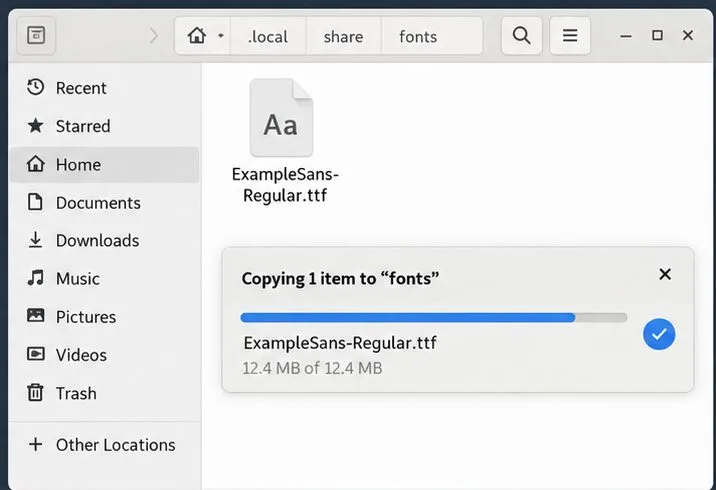
Install a font in your Linux user font folder, restart LibreOffice Flatpak, and confirm it appears in Writer without weakening the app sandbox.
Protect your work and isolate network-drive save crashes in LibreOffice on macOS Sonoma with a local-first workflow, permission checks, and targeted tests.