Make Every New Writer Document Use Your Template
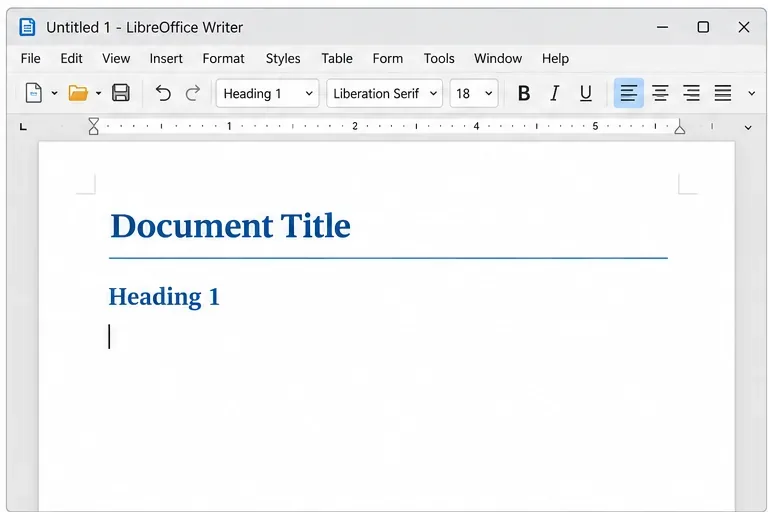
Set a custom LibreOffice Writer template as the default so new documents open with your preferred styles and page layout.
Imagine firing up your Windows 11 virtual machine, only to be hit with the frustrating Hyper-V Virtual Switch error. Your network adapter vanishes, connectivity drops, and your productivity grinds to a halt. 😩 Don't worry – you're not alone, and this guide is here to rescue you!
In this concise, action-packed article, we'll dive straight into the heart of the Hyper-V Virtual Switch error in Windows 11. We'll uncover what it is, why it happens, and – most importantly – how to fix it with simple, reliable steps. By the end, you'll have your Hyper-V setup purring like a well-oiled machine. Let's turn that frown upside down! 😊
The Hyper-V Virtual Switch is a core component of Microsoft's Hyper-V virtualization platform in Windows 11. It acts like a virtual network bridge, connecting your virtual machines (VMs) to your physical network or the internet. When it errors out, you might see messages like "Virtual switch not found," "Network adapter disconnected," or complete failure to create VMs.
This issue often rears its head during setup, after updates, or when tweaking network settings. Common symptoms include:
Understanding this error empowers you to tackle it head-on. Stick with us – the fixes are easier than you think!
Before we jump into fixes, let's pinpoint the culprits. Based on the latest reports from Microsoft forums and tech communities, here are the top triggers for the Hyper-V Virtual Switch error:
| Cause | Description | Impact |
|---|---|---|
| Incompatible Network Drivers | Outdated or conflicting drivers from your Wi-Fi or Ethernet adapter. | Prevents switch creation, leading to "no network" errors. |
| Windows Updates Gone Wrong | Recent Windows 11 patches (like those in 2026 builds) can disrupt Hyper-V configurations. | Sudden switch failures post-update. |
| BIOS/UEFI Virtualization Settings | VT-x/AMD-V not enabled, or Secure Boot interfering. | Hyper-V fails to initialize the virtual switch. |
| Corrupted Hyper-V Components | Damaged files from improper shutdowns or malware. | Intermittent or total loss of virtual networking. |
| Resource Conflicts | Other hypervisors (e.g., VirtualBox) clashing with Hyper-V. | Switch errors during VM startup. |
Spot any of these in your setup? Great – now let's fix them. We'll start with the quickest wins and escalate to advanced troubleshooting. Ready? Let's roll! 🚀
We'll tackle this systematically. Follow these steps in order, testing your VMs after each one. Most users resolve the issue by step 3. Pro tip: Back up your important VMs before starting.
Sometimes, the simplest fix is the best. A full system reboot can reset network stacks and clear temporary glitches.
If that doesn't cut it, move on – but hey, you've just saved time if it works! 👍
Outdated drivers are a prime suspect for Hyper-V Virtual Switch woes. Let's get everything current.
Recent 2026 updates have patched many Windows 11 Hyper-V bugs, so this step often resolves the error instantly.
If the switch is corrupted, rebuilding it from scratch is your golden ticket. This is the most effective fix for many users.
Voila! Your Hyper-V Virtual Switch should now bridge networks flawlessly. If you hit a snag, ensure no VPNs or firewalls are blocking it.
For deeper issues, PowerShell commands can reinstall Hyper-V without a full OS reset. Run as Administrator.
# Disable Hyper-V
Disable-WindowsOptionalFeature -Online -FeatureName Microsoft-Hyper-V-All

# Restart PC (do this manually)

# Re-enable Hyper-V
Enable-WindowsOptionalFeature -Online -FeatureName Microsoft-Hyper-V-All

# Restart again
After reboot, recreate the switch as in step 3. This flushes out corrupted files and often fixes stubborn Hyper-V errors.
If basics fail, dig deeper.
sfc /scannow, then DISM /Online /Cleanup-Image /RestoreHealth.For official guidance, check Microsoft's Hyper-V troubleshooting page: Microsoft Docs on Hyper-V Troubleshooting.
Fixed it? Awesome! 🎉 To avoid future headaches:
By following these, you'll enjoy rock-solid virtualization without the drama.
There you have it – a no-nonsense blueprint to conquer the Hyper-V Virtual Switch error in Windows 11. Whether it's a quick driver update or a full reset, these steps have helped thousands regain control. If you're still stuck, drop a comment below or reach out to Microsoft Support for personalized help.
Now, go ahead and spin up those VMs with confidence. Your tech journey just got smoother – high five! ✋ What's your go-to fix for Hyper-V issues? Share in the comments to help fellow readers.
Set a custom LibreOffice Writer template as the default so new documents open with your preferred styles and page layout.
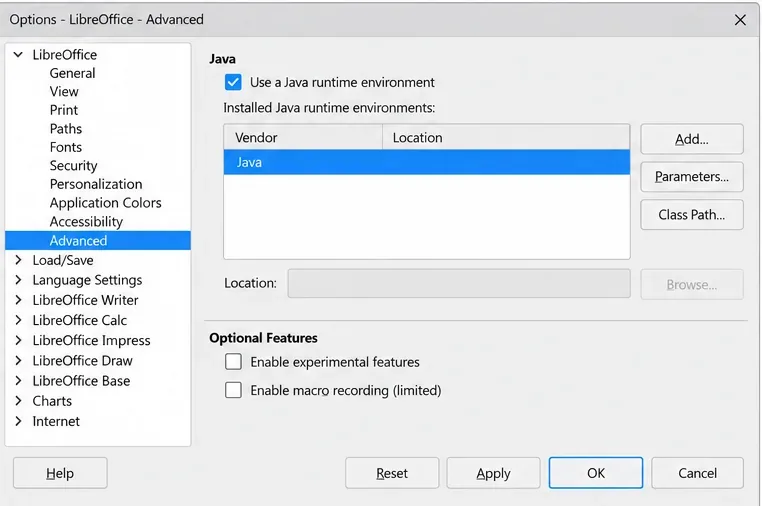
Install a compatible Java runtime, enable it in LibreOffice, and troubleshoot an empty JRE list without changing unrelated settings.
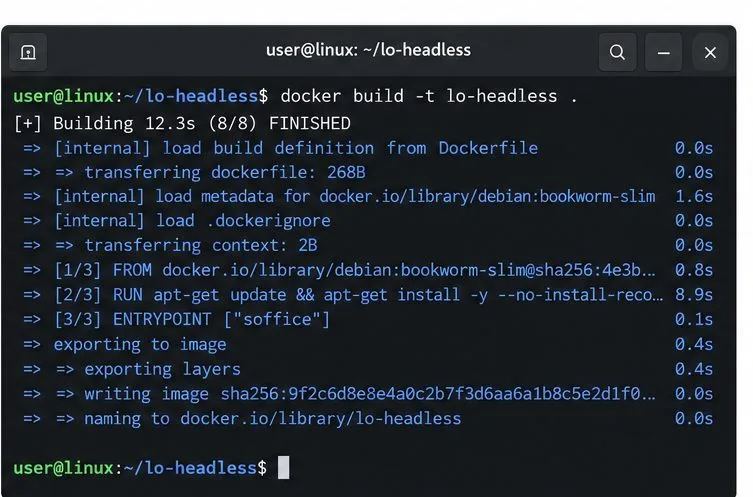
Build a small LibreOffice container, convert office documents without a GUI, and verify PDF output while limiting host-file access.
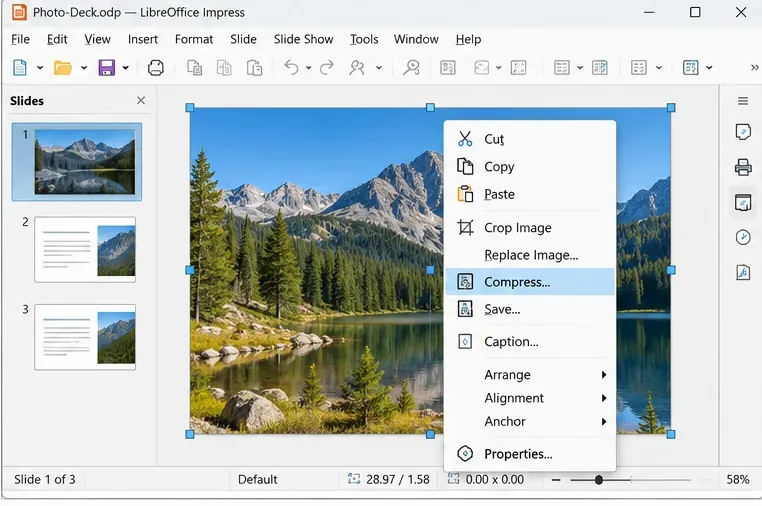
Reduce oversized LibreOffice presentation files by compressing embedded photos, choosing sensible image settings, and checking slide quality before sharing.
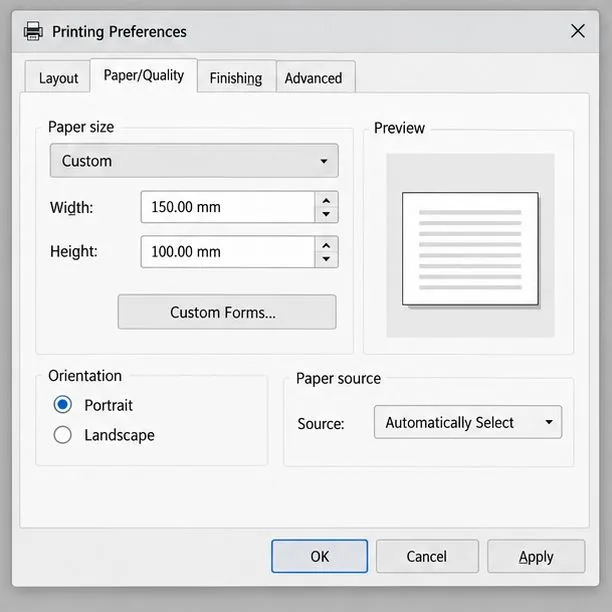
Match LibreOffice’s page dimensions to your printer, check printable margins, and correct scaling before printing a custom-size document.
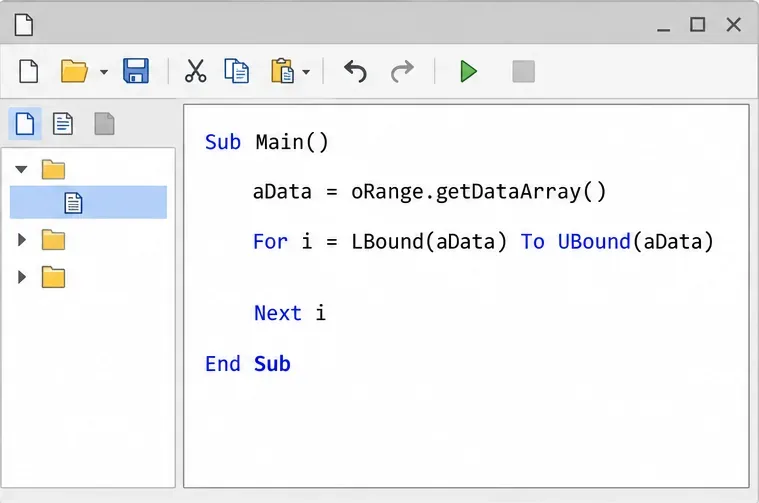
Replace repeated cell access with bulk range reads and writes, then benchmark the result and protect formulas in large Calc workbooks.
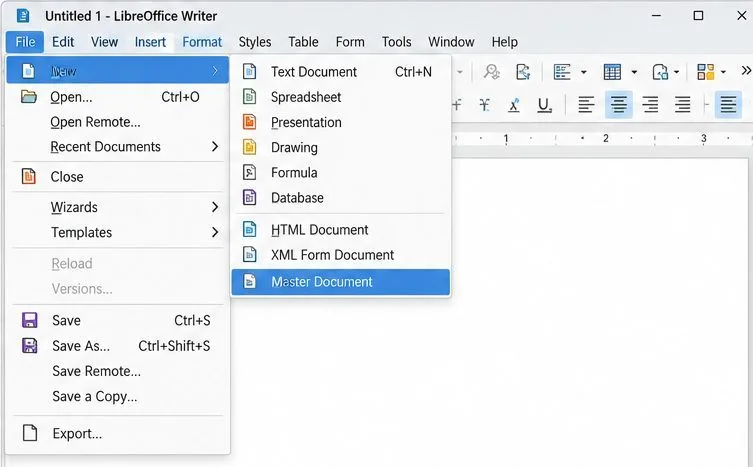
Split a long manuscript into chapters, assemble them in Writer, and keep styles, contents, and export checks consistent.
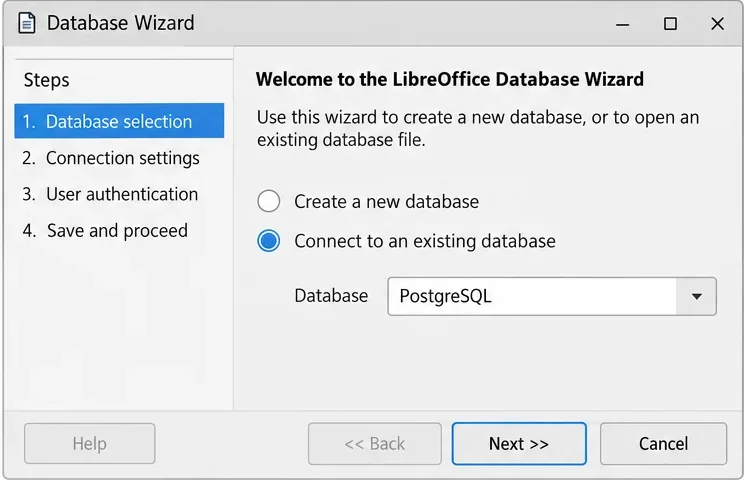
Use Base’s direct PostgreSQL option to enter your server details, sign in, save an ODB connection file, and troubleshoot common access errors.
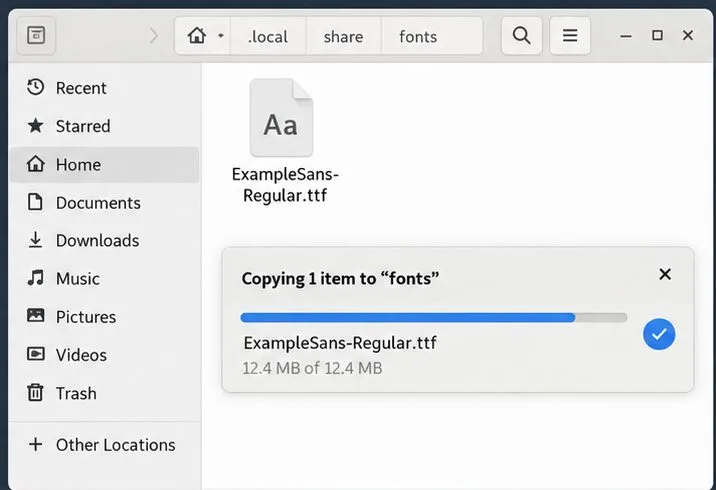
Install a font in your Linux user font folder, restart LibreOffice Flatpak, and confirm it appears in Writer without weakening the app sandbox.
Protect your work and isolate network-drive save crashes in LibreOffice on macOS Sonoma with a local-first workflow, permission checks, and targeted tests.