Make Every New Writer Document Use Your Template
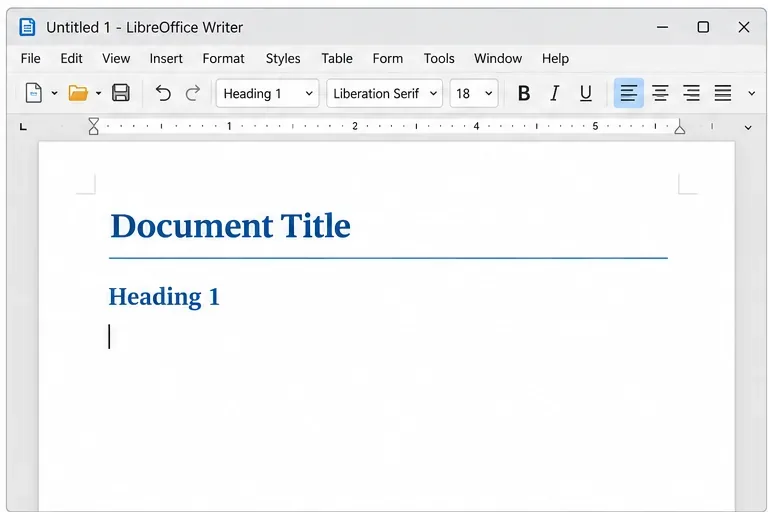
Set a custom LibreOffice Writer template as the default so new documents open with your preferred styles and page layout.
Imagine this: You're eager to grab the latest security patches or new features for your Windows PC, but bam! You hit the dreaded "We Couldn't Connect to the Update Service" error. 😩 It's frustrating, right? This common Windows Update hiccup can halt your updates, leaving your system vulnerable or missing out on improvements. But don't worry – you're not alone, and it's fixable!
In this guide, we'll dive straight into practical, up-to-date solutions to get you back on track. We'll focus on the most effective methods based on the latest Windows troubleshooting recommendations, ensuring your PC runs smoothly. By the end, you'll have a updated system and feel that sweet relief of success. Let's roll up our sleeves and fix this step by step.
The "We Couldn't Connect to the Update Service" error typically pops up during Windows Update checks. It means your PC can't reach Microsoft's update servers, often due to network glitches, corrupted files, or service disruptions. This isn't a rare issue – millions face it, especially after major Windows releases or network changes.
Common culprits include:
Good news? Most fixes are straightforward and don't require advanced skills. We'll start with the simplest ones and escalate as needed. Follow along, and you'll likely resolve it in under 30 minutes.

Before diving deep, let's rule out the obvious. A surprising number of "We Couldn't Connect to the Update Service" cases vanish with these basics. Think of it as giving your PC a fresh start. 👍
Pro Tip: After these, head to Settings > Update & Security > Windows Update and click "Check for updates." If the error persists, move on. You're making progress already!
Windows comes with a smart tool designed exactly for issues like "We Couldn't Connect to the Update Service." It's like having a mini IT expert on hand. No downloads needed – it's built-in and updated with the latest patches.
Here's how:
This tool detects corrupted files or service errors and resolves up to 80% of update problems on the spot. If it finds nothing, don't fret – we've got more tools in our kit. Feeling empowered yet? Keep going!
If the troubleshooter falls short, corrupted update files might be the villain. Resetting these components flushes out the bad stuff without harming your data. It's a safe, recommended fix from Microsoft.
Warning: Close all apps and run as admin. We'll use Command Prompt for precision.
| Command | Purpose |
|---|---|
| net stop wuauserv | Stops Windows Update service |
| net stop cryptSvc | Stops Cryptographic Services |
| net stop bits | Stops Background Intelligent Transfer Service |
| net stop msiserver | Stops Windows Installer |
Then restart services with:
Close Command Prompt and retry Windows Update. This method has helped countless users – it's like hitting the reset button on your update system. 🎉
Sometimes, sneaky malware or outdated drivers block connections. Let's tackle that head-on to ensure a clean "We Couldn't Connect to the Update Service" fix.
If you're on Windows 11, ensure your system is fully patched via optional updates. This step often uncovers hidden issues, making your PC faster overall.
Still stuck? Time for pro-level moves. These are safe but require care.
For the latest guidance, check Microsoft's official support at support.microsoft.com. If nothing works, consider a system restore or professional help – but most users succeed here.
Now that you've fixed it, let's keep it that way! Schedule regular updates, maintain antivirus, and avoid sketchy downloads. Enable automatic updates in Settings for seamless protection. Your PC will thank you with reliable performance. 🚀
Congrats on tackling this – you're now a Windows Update pro! If issues linger, drop a comment below or visit Microsoft forums. Stay updated and safe out there.
Article based on the most recent Windows troubleshooting practices as of 2026.
Set a custom LibreOffice Writer template as the default so new documents open with your preferred styles and page layout.
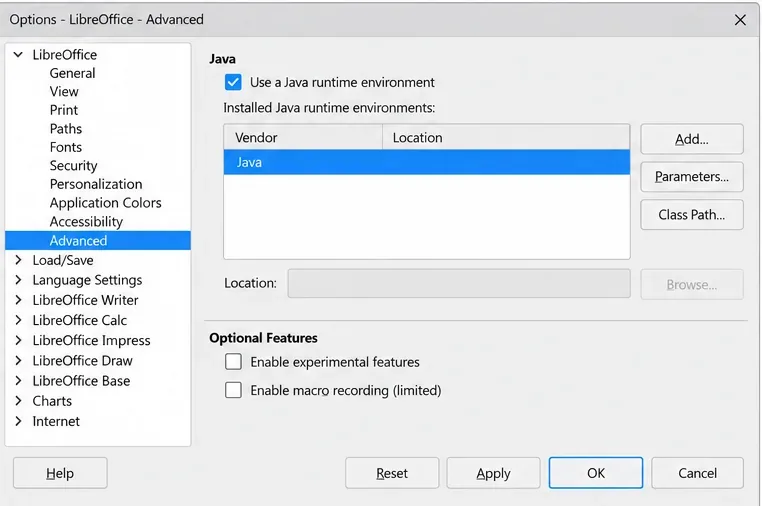
Install a compatible Java runtime, enable it in LibreOffice, and troubleshoot an empty JRE list without changing unrelated settings.
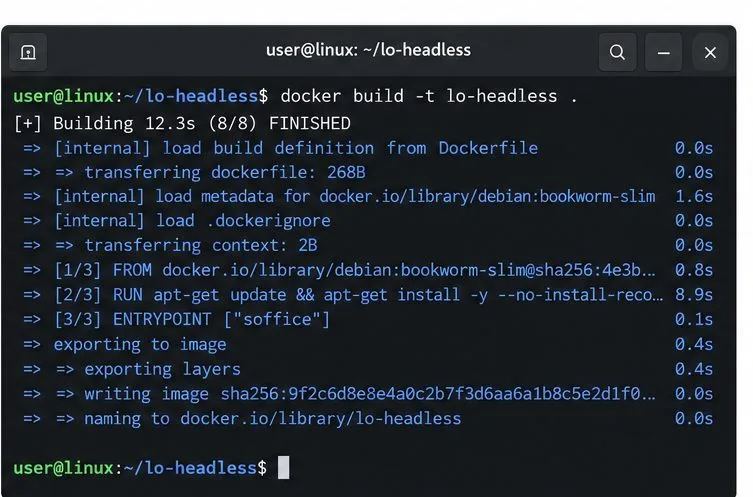
Build a small LibreOffice container, convert office documents without a GUI, and verify PDF output while limiting host-file access.
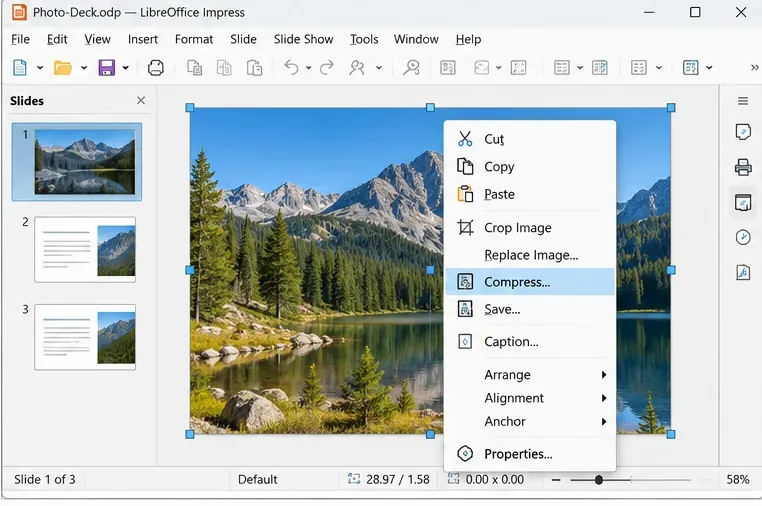
Reduce oversized LibreOffice presentation files by compressing embedded photos, choosing sensible image settings, and checking slide quality before sharing.
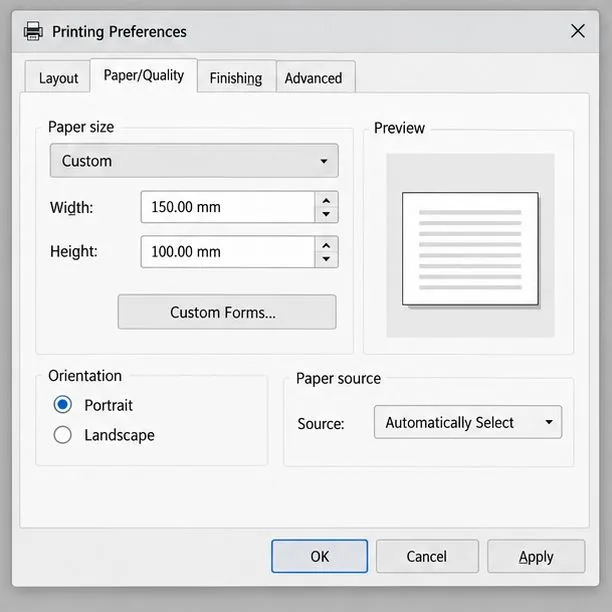
Match LibreOffice’s page dimensions to your printer, check printable margins, and correct scaling before printing a custom-size document.
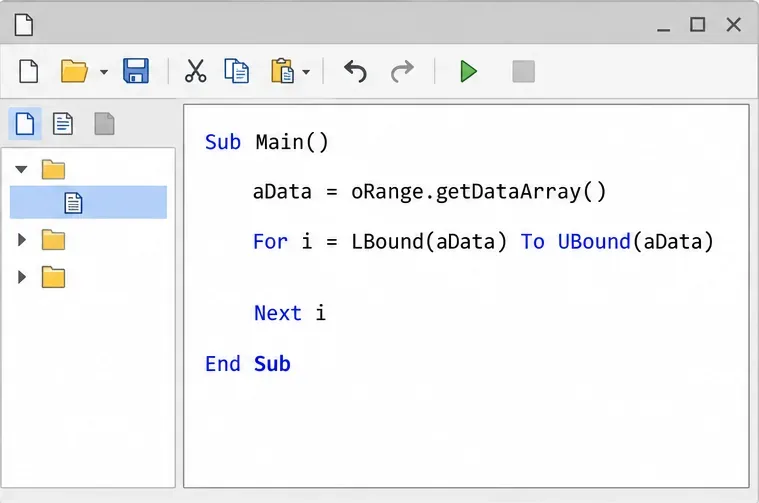
Replace repeated cell access with bulk range reads and writes, then benchmark the result and protect formulas in large Calc workbooks.
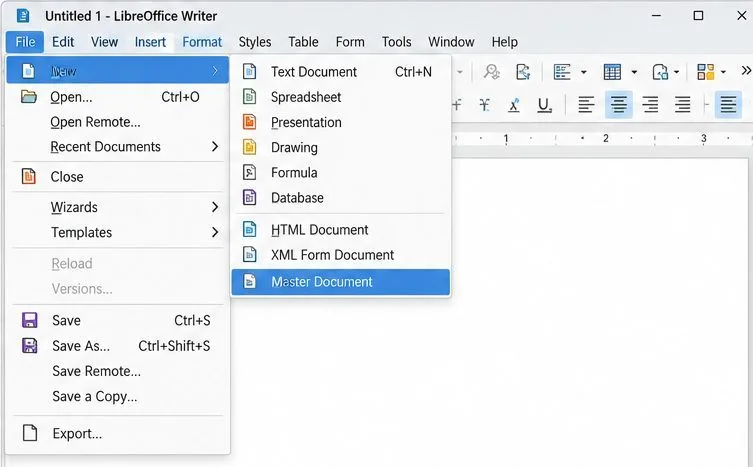
Split a long manuscript into chapters, assemble them in Writer, and keep styles, contents, and export checks consistent.
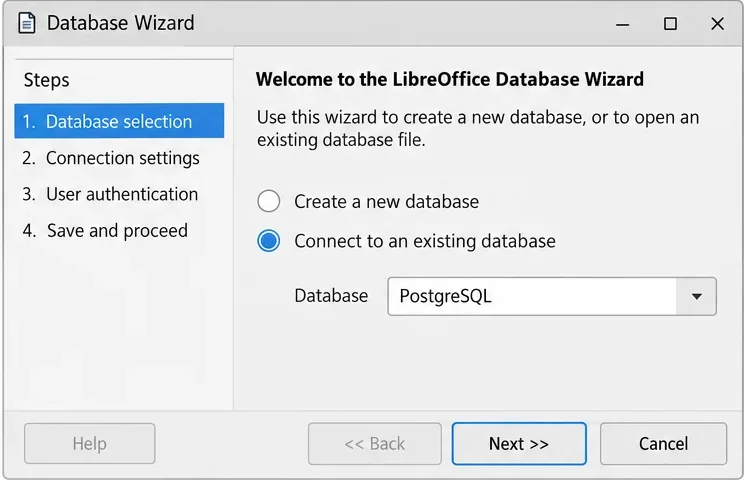
Use Base’s direct PostgreSQL option to enter your server details, sign in, save an ODB connection file, and troubleshoot common access errors.
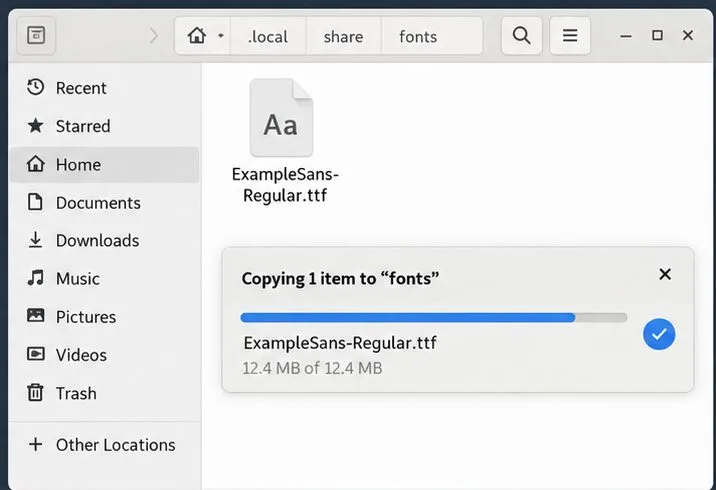
Install a font in your Linux user font folder, restart LibreOffice Flatpak, and confirm it appears in Writer without weakening the app sandbox.
Protect your work and isolate network-drive save crashes in LibreOffice on macOS Sonoma with a local-first workflow, permission checks, and targeted tests.