ccTalk (aka TalkTV Live) is one of the quite special free chat software. Because unlike other chat tools, ccTalk is voice chat software. Users can directly download and install the version corresponding to their operating system and use to make acquaintances, make new friends or chat with friends without calling.
If you do not have, you can download and install ccTalk immediately to experience the interesting, engaging when participating in one of the chat rooms of this software.
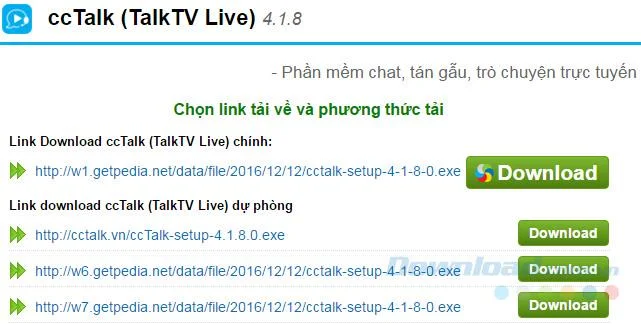
Download ccTalk for computer
Step 1 : Access the link above and select the left mouse button on Download .
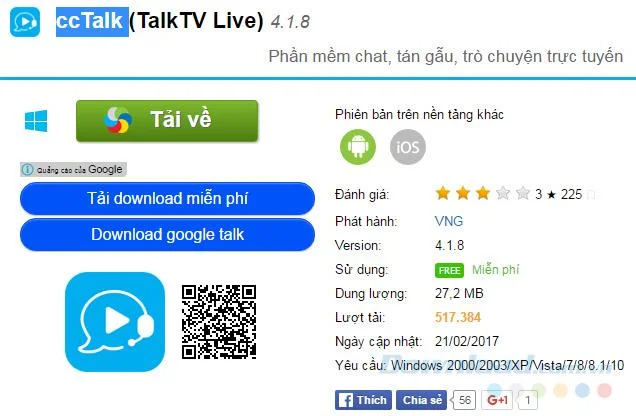
Step 2 : Select the link below or click Download to download the installation file.

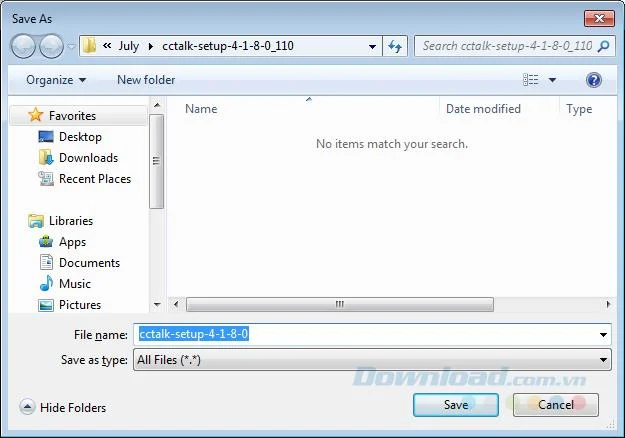
Step 3 : Select the location to save this installation file on the computer and then click Save to save.

Install TalkTV for computer
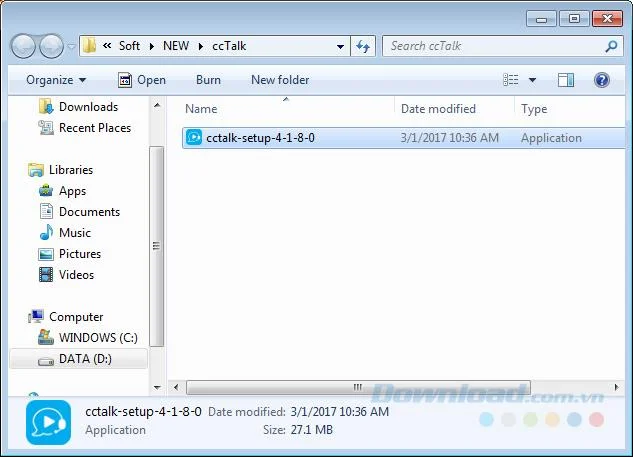
Step 1 : Find the location to save the installation file that you just downloaded, double-click the file to install.

Step 2: First interface, select Go to.

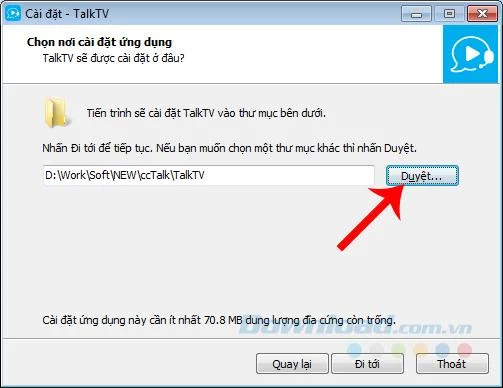
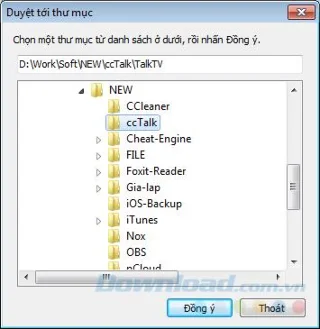
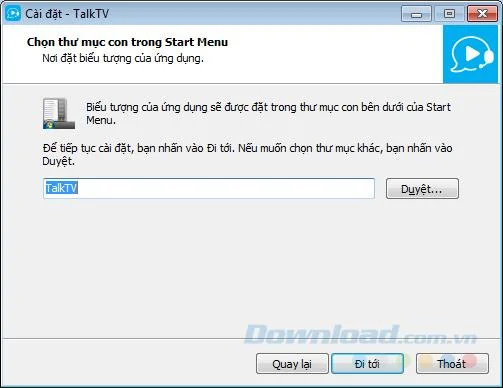
Step 3 : Choose the installation right at the suggested location by clicking Go or click Browse to find a new location.

A small Windows window appears, select the folder to use and then Agree.

Step 4: Continue to select Go to .

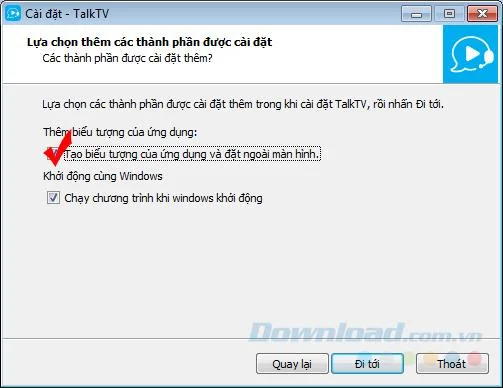
Step 5: Tick the corresponding items to set for each use of TalkTV.
- Create an application icon and place it outside of the screen.
- Run the program when Windows starts.
Then choose to go to .

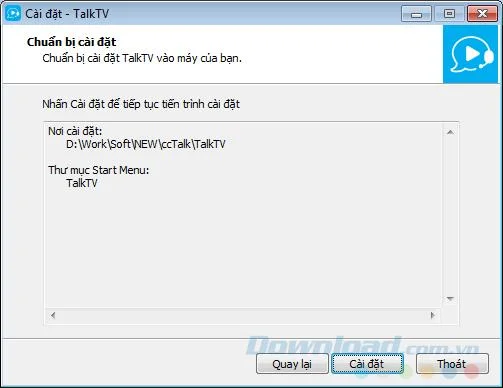
Step 6: Click Install to start installing this free voice chat software on your computer.

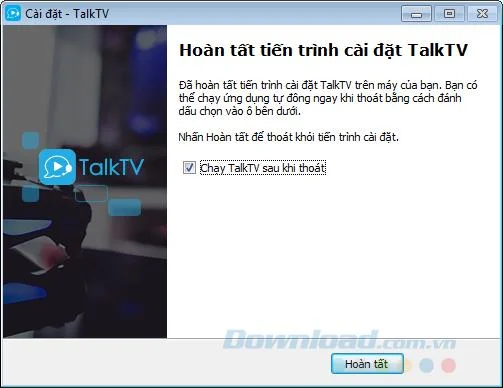
Step 7: Wait for the process to complete and then select Finish to close the installation window.

The main interface of TalkTV appears. You log in with your Zing account to start using.