Clear the ownCloud PHP Memory Warning in the Correct Runtime
Set ownCloud’s web PHP memory limit, restart the matching service, and verify the active value without confusing it with CLI settings or upload limits.
On the desktop, you have utilities like WinZip and 7-Zip to easily extract files. However, what should I do if I want to extract the ZIP file on Google Drive without downloading it?

How to extract ZIP files on Google Drive
If someone shares a compressed ZIP file from a cloud folder, you have no way to decompress the file without downloading it to your computer. From the desktop, you can unzip the file, then process the contents inside. But this method is time-consuming, especially when you then need to re-upload its content to Google Drive .
If you don't want to waste time and decompress ZIP files more quickly, you can try the ZIP Extractor utility.
ZIP Extractor is a Chrome extension, capable of extracting ZIP files in Google Drive. If you have to do a lot of work in the cloud, this can be a significant time-saving file extraction tool on Google Drive.
Install this Chrome extension from the Chrome Web Store. Or open a Google Drive account > New > More > Connect more apps . Find ZIP Extractor and install it.

Now you can select any compressed file in Google Drive to extract it. Select the file and right-click Open with the ZIP Extractor to open the ZIP file in Drive. On first use, this utility will ask you to grant access to Google Drive. Then, the decompression process will take place in a few steps:

Above is how to extract a ZIP file in Google Drive without downloading it to your computer. Hope the article is useful to you.
Set ownCloud’s web PHP memory limit, restart the matching service, and verify the active value without confusing it with CLI settings or upload limits.
Find out whether MySQL, PHP, socket settings, or database permissions are blocking ownCloud 10, then verify a safe fix.
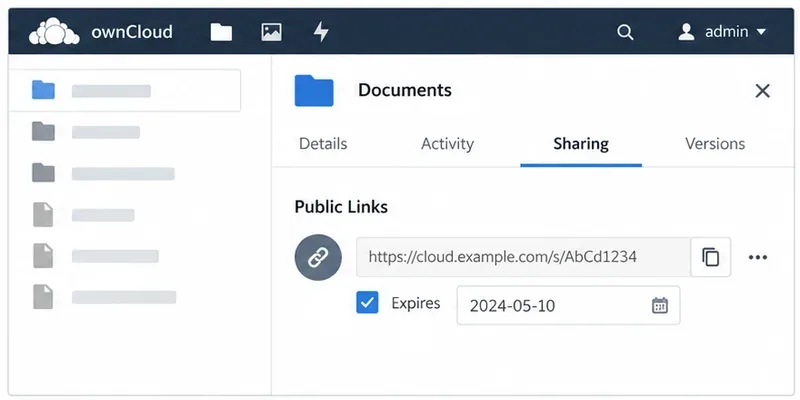
Make public link expiration mandatory in ownCloud Classic, set a maximum lifetime, and check existing shares that may need separate cleanup.
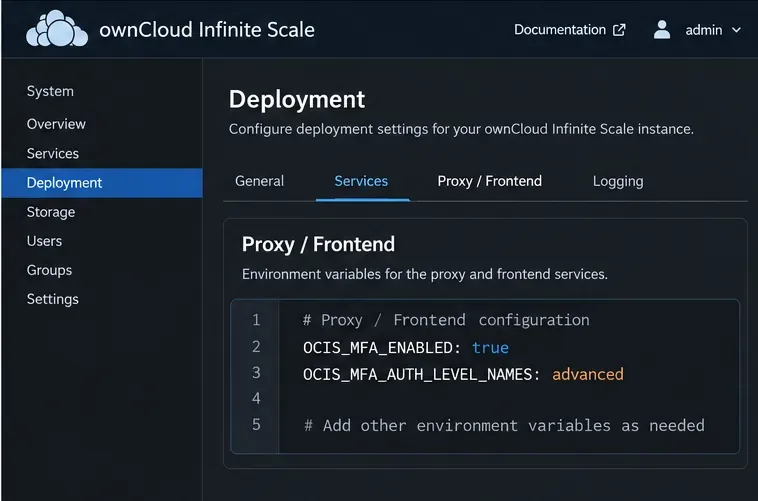
Enable TOTP through Keycloak, enroll users safely, and understand when Infinite Scale’s route-level MFA settings apply.
Check whether the issue is an OC10 and 7.x compatibility break or a damaged CSync journal, then apply the right fix without deleting synced files.
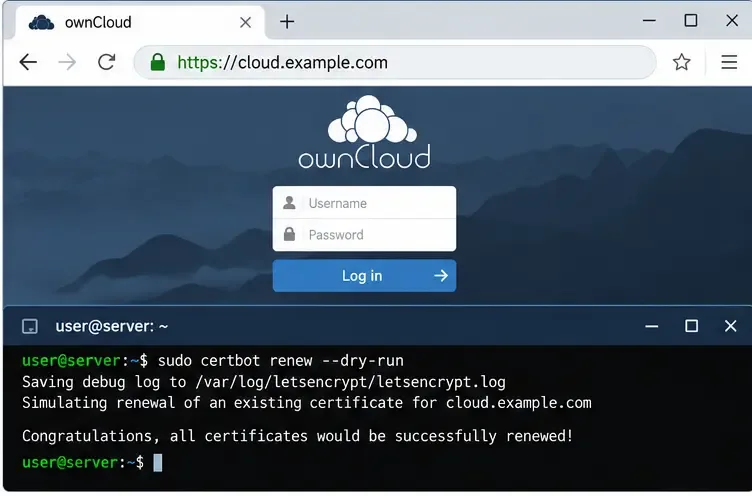
Choose HTTP-01 or DNS-01, configure an ownCloud reverse proxy, and verify Certbot renews HTTPS certificates automatically.
Configure oCIS LDAP sign-in, align user and group lookups, and verify TLS and schema settings before rollout.
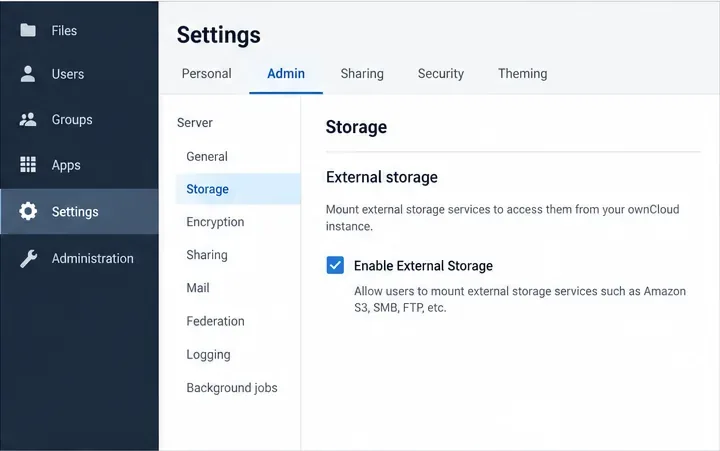
Add an Amazon S3 bucket to ownCloud 10, prepare compatible credentials and endpoints, and check access without confusing a mount with primary storage.
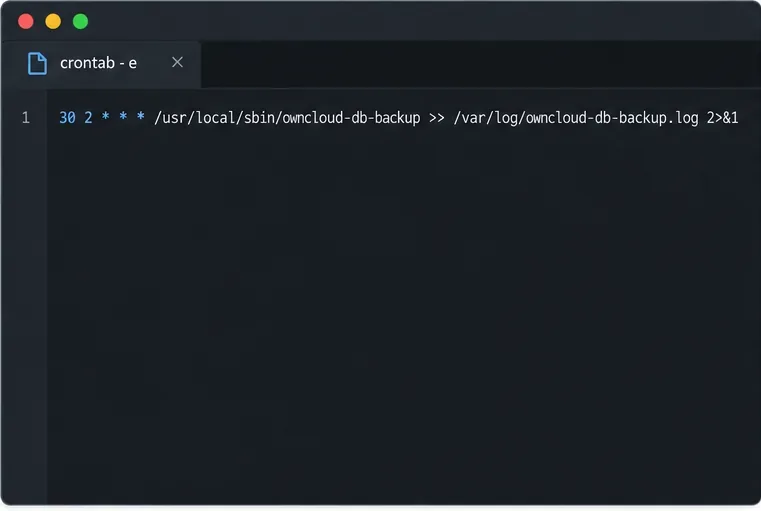
Schedule protected MariaDB dumps for ownCloud Server, handle maintenance mode safely, and verify each backup before relying on it.
Plan an ownCloud 10 to oCIS migration with the supported app, ordered commands, identity checks, and a clear list of data that needs separate handling.