Encrypt Pi-hole Upstream DNS on Ubuntu Server 24.04

Set up dnscrypt-proxy as Pi-hole’s local DoH bridge on Ubuntu 24.04, with a localhost-only listener, resolver selection, and checks before switching DNS.
PXE-E61 errors are often related to the Preboot eXecution Environment (PXE) supported by some motherboards. PXE is a special boot mode that allows the computer to search and load operating systems that can boot over the network instead of from the local hard drive.
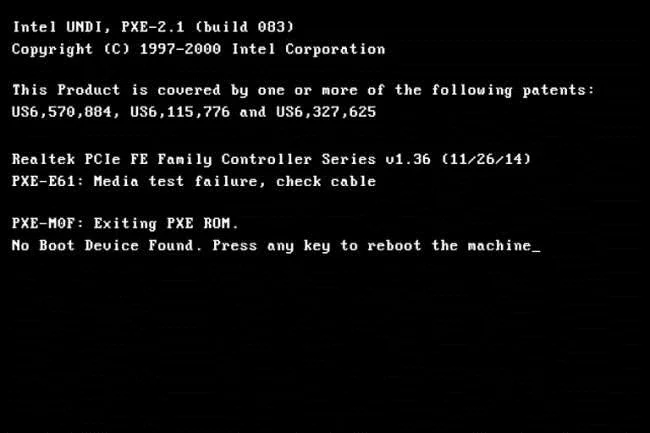
PXE-E61 usually occurs when a user accidentally boots up a network device that doesn't really exist, arising due to a misconfiguration in the BIOS but also due to a hard drive error.
PXE-E61: Media test failure, check cable
PXE-M0F: Exiting Intel PXE ROM.
PXE-M0F: Exiting Intel Boot Agent.
No Boot Device Found. Press any key to reboot the machine.
PXE-E61 errors are usually presented with white text on a black background before the computer boots up and always contain one of the above.
1. Change the boot order in the BIOS to boot from the hard drive instead of the network. This action will force the BIOS to find the operating system installed on the local hard drive. This is how to set up most computers.
2. Access the BIOS and make sure it can detect the hard drive. You may see PXE-E61 error if the computer boots into a damaged or disconnected hard drive.
Look for the Boot menu , make sure the Boot Drive Order screen displays the hard drive and there is no "No Boot Drive" message. If the BIOS does not see the hard drive, turn off the computer, turn on the PC tree, check that the hard drive cable is connected correctly.
3. If you are trying to boot from a USB device such as an external drive, make sure the device can actually boot. Otherwise, the BIOS will look for a different replacement device and will use the network, which leads to a PXE-E61 error.
You can use a program like Rufus to create a USB device that can boot the PC. Also, double check that the boot order configured to boot from USB, connected devices and USB ports is working.
4. Enter BIOS, turn off PXE if you do not want to use it. That option is called Boot to Network or Ethernet and is always in the Boot menu.
5. Other ways to fix errors:
Hope the article is helpful to you!
Set up dnscrypt-proxy as Pi-hole’s local DoH bridge on Ubuntu 24.04, with a localhost-only listener, resolver selection, and checks before switching DNS.
Check Ubuntu’s touchpad settings, confirm Wayland, and test GNOME’s built-in swipes before troubleshooting apps or hardware.
Create and verify a two-disk Debian 12 RAID 1 data array, format it safely, and configure it to assemble and mount after reboot.
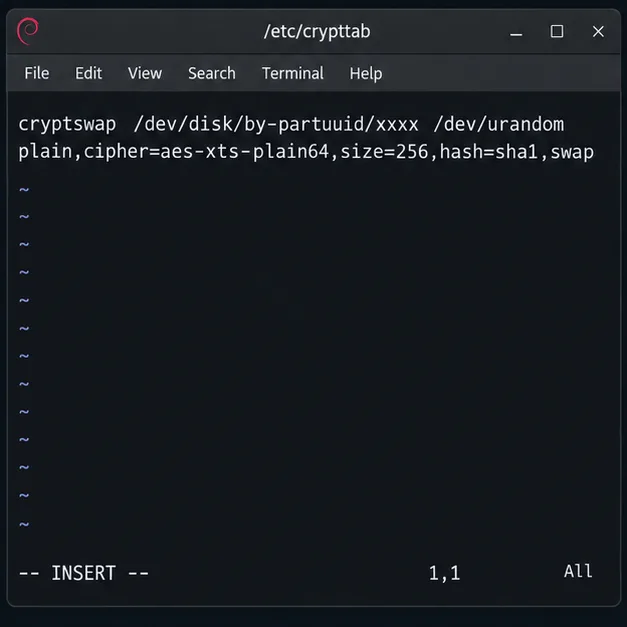
Set up random-key encryption for an existing Debian 12 swap partition, verify the active dm-crypt mapping, and understand the hibernation trade-off.
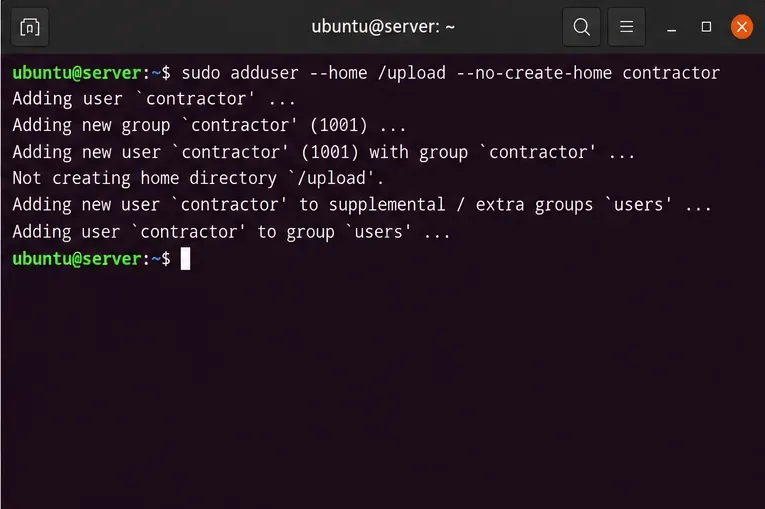
Restrict Ubuntu 24.04 SSH accounts to designated SFTP folders with chroot, proper permissions, Match rules, and safe tests—without granting shell access.
Find which process owns Ubuntu’s dpkg frontend lock, let package work finish, and repair interrupted installations without deleting lock files.
Set up scheduled Btrfs system snapshots on Ubuntu Desktop with Timeshift, verify the Ubuntu subvolume layout, choose retention, and understand what snapshots cannot protect.
Plan a safer Debian 12 to Testing migration: upgrade through Stable, back up, clean APT sources, simulate dependency changes, and verify what changed.
Diagnose Ubuntu Server emergency mode safely. Read boot logs, check root and fstab mounts, repair a failed unit, handle filesystem errors, and verify a clean reboot.
Set up a Debian 12 WireGuard VPN server for one remote client. Configure keys, IPv4 forwarding, nftables NAT, firewall access, and connection checks.