Home
» PC Tips
»
How to fix the error “Ethernet doesnt have a valid IP configuration”
How to fix the error “Ethernet doesnt have a valid IP configuration”
Sometimes DHCP fails to get a valid IP address from the Network Interface Card, it will display an error message “Ethernet doesn't have a valid IP configuration”. This error restricts users from accessing the Internet and they receive error messages like Limited Connectivity or No internet access. If you are facing the same problem, read this article to know how to fix the error.
On every computer, dynamic IP configuration is enabled by default. Therefore, users do not need to manually set it up to connect to the network with DHCP Server. However, sometimes DHCP cannot get a valid IP address, leading to the above error. Here are some ways to help you fix the error “Ethernet doesn't have a valid IP configuration”.
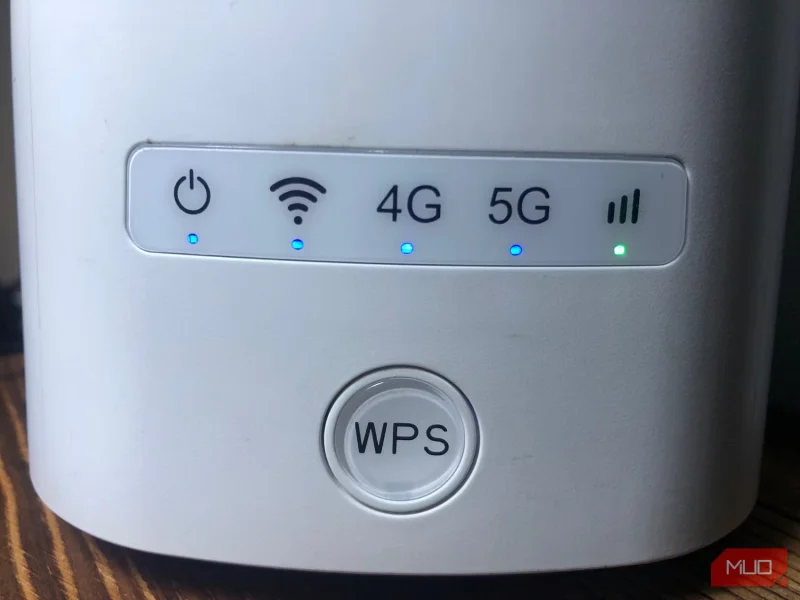
Start troubleshooting by performing some basic checks. First, restart your computer. Then, disconnect the Ethernet cable from your computer and router and reconnect it. Make sure the Ethernet cable isn’t damaged. Also, connect the Ethernet cable to different ports on your router and computer to rule out any port issues. Then, restart your router (or reset it).
If these basic checks fail to identify the primary cause of the error, you can proceed with the remaining fixes listed below.
2. Electrostatic discharge
The presence of static electricity on your computer can cause unforeseen errors. It can also affect your Ethernet connection. So, discharge the static electricity to eliminate this possibility. To do so, turn off your computer, disconnect any peripherals, and remove the power cable. Then, hold the power button for 15-20 seconds to discharge the static electricity.
Then, reconnect the power cable and restart your PC. Run the troubleshooter again and if the error persists, apply the next fix.
3. Reset TCP/IP Stack and Winsock Catalog
Winsock is an API used by network applications to access network services such as TCP/IP and it stores its information in a database called Winsock Catalog. Resetting the TCP/IP Stack and Winsock Catalog often resolves network-related issues. To perform this reset via Command Prompt, you can follow these steps:
1. Open Windows Search and type "Command Prompt".
2. Right-click on Command Prompt and select Run as administrator .
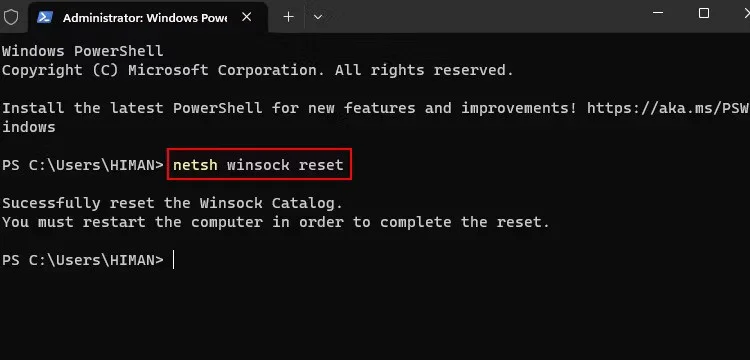
3. To reset the Winsock Catalog, type "netsh winsock reset" and press Enter. Allow Windows to reset it; you should see a message that says "Successfully reset the Winsock Catalog" or "Winsock reset completed successfully" once the process is complete.
Reset Winsock Catalog in Windows Command Prompt.
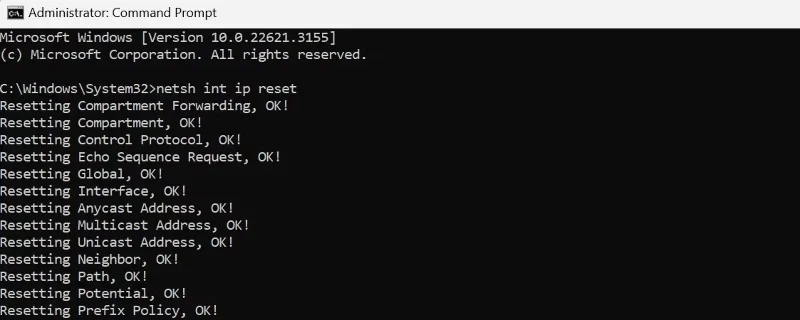
4. To reset the TCP/IP Stack, type "netsh int ip reset" and press Enter. Wait for the process to complete, then restart your computer to apply the changes.
Reset TCP/IP Stack in Windows Command Prompt.
4. Configure IPv4 to automatically obtain an IP address
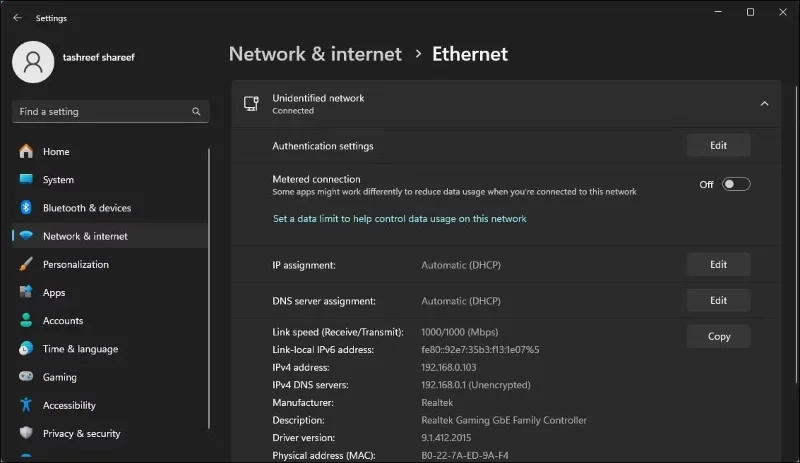
If you've configured your IP address manually, consider setting up your router or other access point to automatically assign it. To do this, follow these steps: Right-click the Start button and select Settings . Then, navigate to Network & internet in the left sidebar and open Ethernet settings .
Configure IPv4 to automatically obtain an IP address
In network properties, click the Edit button next to IP assignment and select Automatic (DHCP) from the drop-down menu. Finally, click Save to apply the changes.
5. Release and renew your IP address
Refreshing your Internet connection by releasing and renewing your IP address can resolve IP conflicts and other network issues. Releasing your IP address will free it from your router, while renewing will assign your device the same or a different IP address, which resolves most IP address-related errors.
To release and renew your IP address, follow these steps:
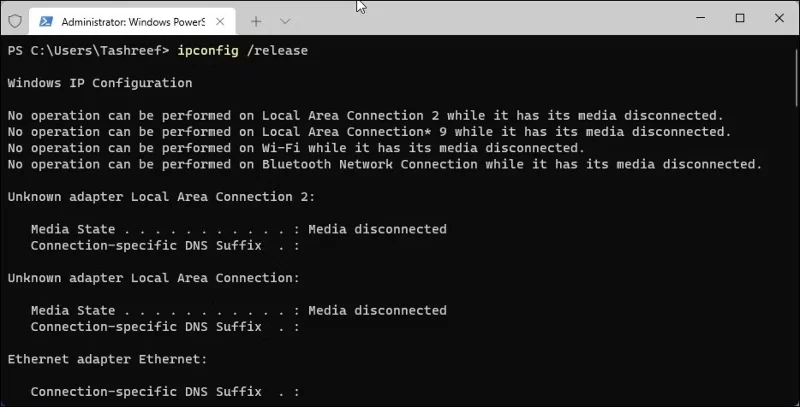
2. Type "ipconfig/release" and press Enter. This will disconnect your device from the Internet.
Release IP Address in Windows 11
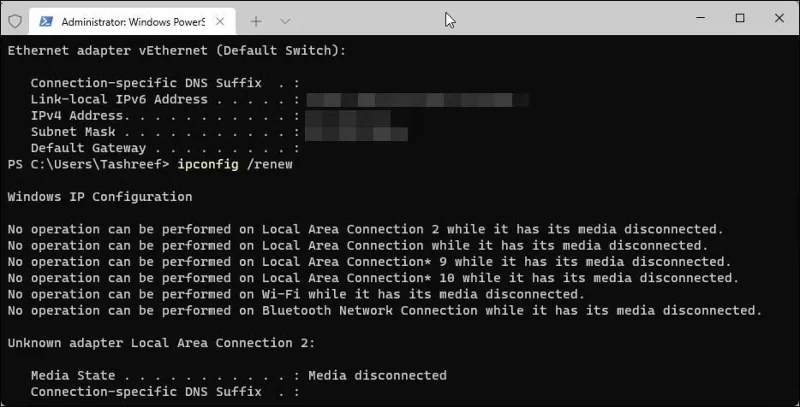
3. Then type "ipconfig /renew" and press Enter. This will reconnect you to the Internet.
Renew IP address in Windows 11.
6. Clear DNS cache
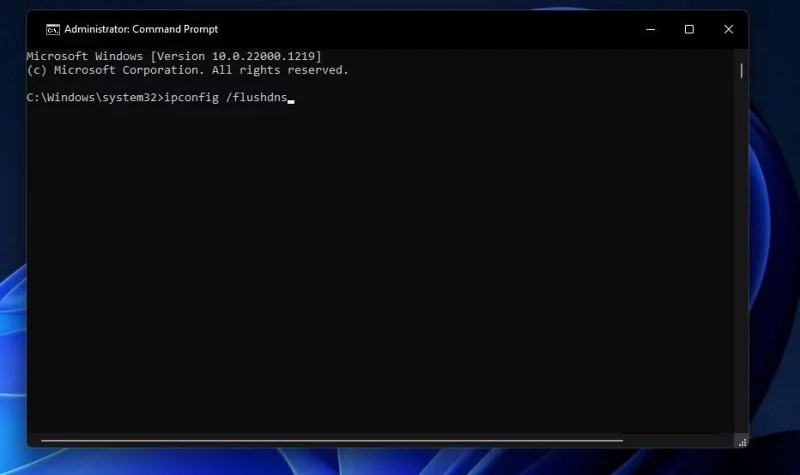
Flushing DNS will remove the DNS records from your cache and prompt your device to retrieve information from DNS again. This often resolves network-related issues. To clear the DNS cache on your Windows PC, open the Command Prompt app with admin rights, type the following command, and press Enter :
ipconfig /flushdns
Clear DNS cache from Command Prompt.
Once you've cleared your DNS cache, restart your computer. Then, run the troubleshooter if your Ethernet connection is still not working. If the problem persists, proceed to the next fix.
7. Reinstall Ethernet driver
A corrupted Ethernet driver can also cause the error. To eliminate this possibility, uninstall and reinstall the Ethernet driver from scratch. Before doing so, make sure you have a copy of the Ethernet driver. If you don’t have one, you can connect your PC to WiFi to download it, or download it to another device and transfer it to your PC via USB.
Once you have the driver file, follow these steps:
Right-click the Start button and select Device Manager .
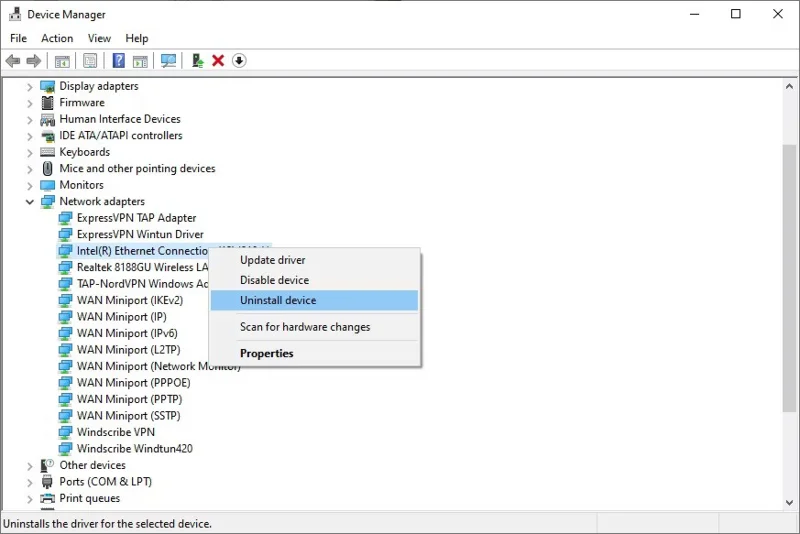
Then, expand the Network adapters category .
Right-click on the Ethernet driver file and select Uninstall device .
Uninstall the Ethernet adapter from device manager.
Then, run the driver file you downloaded earlier and follow the on-screen instructions to install it. If the problem persists after reinstalling the driver, disable the proxy server.
8. Disable Proxy Server over LAN
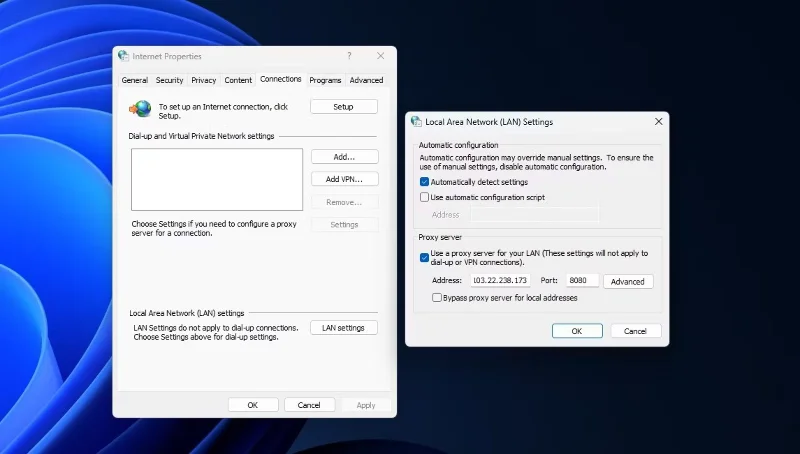
Configuring a Proxy Server over the LAN may interfere with the router's ability to assign IP addresses to your PC. Therefore, make sure that the Proxy Server is not enabled and disable it if it is currently enabled. To do so, follow these steps:
Type " Internet Options " in the Windows search bar and open it.
Then, navigate to the Connections tab and click the LAN settings button .
If the box next to Use a proxy server for your LAN is checked, uncheck this box to disable the proxy server.
Finally, click Apply > OK to apply the changes you have made.
Disable Proxy Server in Internet Options settings.
9. Temporarily disable antivirus
Interference from Windows Defender or third-party antivirus software can cause the error mentioned. To rule out this possibility, temporarily disable your security suite. Temporarily disable Windows Security on Windows 11 or Windows 10. If you use third-party antivirus software, disable or temporarily uninstall it.
If turning off antivirus protection doesn't resolve the issue, your last option is to contact your Internet service provider (ISP).
If you are unable to identify the root cause of the problem despite applying the above fixes, there may be a hardware issue with the router that you cannot resolve independently. Therefore, contact a representative from your Internet Service Provider (ISP) and ask them to help investigate the issue further.
Above are the best methods to fix Ethernet doesn't have a valid IP Configuration error.