Fix “No Bootable Device Found” After Installing Debian on UEFI
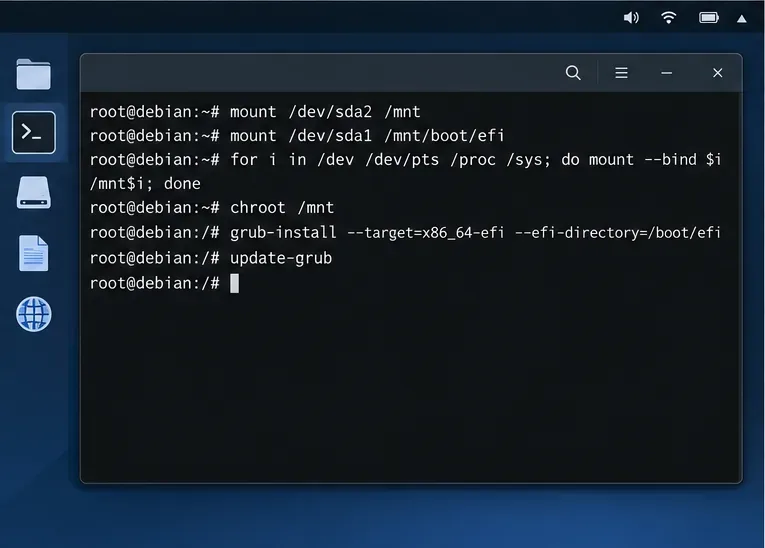
Fix Debian’s UEFI boot error by checking boot mode, the EFI System Partition, GRUB files, and firmware boot order—without reinstalling Debian first.
Imagine needing to tweak a crucial setting in your Windows 11 system, only to find the Registry Editor stubbornly refusing to open. Frustrating, right? 😩 Don't worry – this common hiccup can often be resolved with simple, effective steps. In this guide, we'll walk you through targeted solutions to get your Registry Editor not opening issue fixed fast, so you can regain control over your PC's inner workings. Whether it's a permissions glitch or a corrupted file, we've got you covered with up-to-date methods that prioritize safety and ease.
Why does this happen? The Registry Editor (regedit.exe) is a powerful tool for editing the Windows registry, but it can fail to launch due to security restrictions, malware, or system updates. By the end of this article, you'll not only fix the problem but also learn preventive tips to avoid it in the future. Let's dive in and get your system back on track! 🚀
Before jumping into fixes, it's helpful to know what's going wrong. In recent Windows 11 builds, the Registry Editor might not open if:
Recognizing these causes empowers you to choose the right fix. And the good news? Most solutions require no advanced tech skills – just a bit of patience. Ready to troubleshoot? Follow these steps in order, starting with the simplest.
Sometimes, it's just a permissions issue. Elevating privileges often does the trick without deeper intervention.
regedit and hold Ctrl + Shift while pressing Enter. This forces it to run as admin.Pro Tip: If this works but the issue persists normally, right-click regedit.exe in the Start menu, select Run as administrator for future use. This simple tweak resolves Registry Editor not opening for many users right away.
Background processes can interfere. Restarting Explorer often clears temporary locks on the registry.
If antivirus is the culprit, temporarily disable it (e.g., Windows Defender via Settings > Privacy & security > Windows Security) and test. Remember to re-enable it afterward for safety. This method shines when software conflicts cause the regedit not launching problem.
Damaged system files are a frequent villain in Windows 11 Registry Editor not opening scenarios. The built-in SFC tool scans and fixes them automatically.
sfc /scannow and press Enter. Let it run – this might take 10-15 minutes.If SFC finds issues but can't fix them, follow up with DISM: In the same admin Command Prompt, run DISM /Online /Cleanup-Image /RestoreHealth, then rerun SFC. These tools are part of Microsoft's latest maintenance suite and ensure your Windows registry access is rock-solid.
For stubborn cases, re-registering the app can refresh its components. PowerShell makes this straightforward in Windows 11.
Get-AppxPackage *Windows.PurchaseDialog* | Reset-AppxPackage (This resets related system apps; adapt if needed for registry specifics).regsvr32 /u url.dll followed by regsvr32 url.dll (unregisters and re-registers core DLLs).This approach is especially useful post-update glitches. If you're uncomfortable with commands, no sweat – copy-paste them exactly as shown.
Third-party apps might be hijacking registry access. A clean boot starts Windows with minimal services.
msconfig, and press Enter.If it opens now, re-enable services one by one to pinpoint the offender. This methodical process keeps your troubleshooting focused and frustration-free.
If the above doesn't work, consider these deeper dives:
For Safe Mode access: Boot into it, run regedit, and export your hives as a backup before edits. Always back up the registry first (File > Export in regedit) to avoid mishaps. 👍
Fixing is great, but preventing Registry Editor not opening ensures long-term peace of mind. Here's a quick table of best practices:
| Tip | How to Implement | Why It Helps |
|---|---|---|
| ⭐ Regular Backups | Use File > Export in regedit weekly. | Quick recovery if something goes wrong. |
| ⚠️ Avoid Untrusted Edits | Only change keys you understand; research first. | Prevents corruption leading to launch failures. |
| 🔒 Keep UAC Enabled | Don't disable it in Settings > Accounts > Sign-in options. | Maintains security without blocking legit access. |
| 🛡️ Update Antivirus | Whitelist regedit.exe in your security software. | Stops false positives from interfering. |
Implementing these habits will make your Windows 11 experience more reliable. Feeling empowered yet? You've got the tools to conquer this issue!
Dealing with Registry Editor not opening in Windows 11 doesn't have to derail your day. Start with running as admin, escalate to SFC scans if needed, and you'll likely be editing the registry in no time. If problems persist, consider reaching out to Microsoft Support for personalized help – your PC deserves to run smoothly. Share your success story in the comments below; we'd love to hear how these tips worked for you! 👏 Stay tuned for more Windows troubleshooting guides to keep your system optimized.
Fix Debian’s UEFI boot error by checking boot mode, the EFI System Partition, GRUB files, and firmware boot order—without reinstalling Debian first.
The Outlook Inbox Repair Tool fixes corrupted PST files quickly so you can recover emails and restore normal Outlook function. Follow these exact steps to run scanpst.exe without data loss.
Get the Adobe PDF Installer Offline to install Acrobat Reader on any PC without needing internet during setup. Follow these exact steps for the full standalone package.
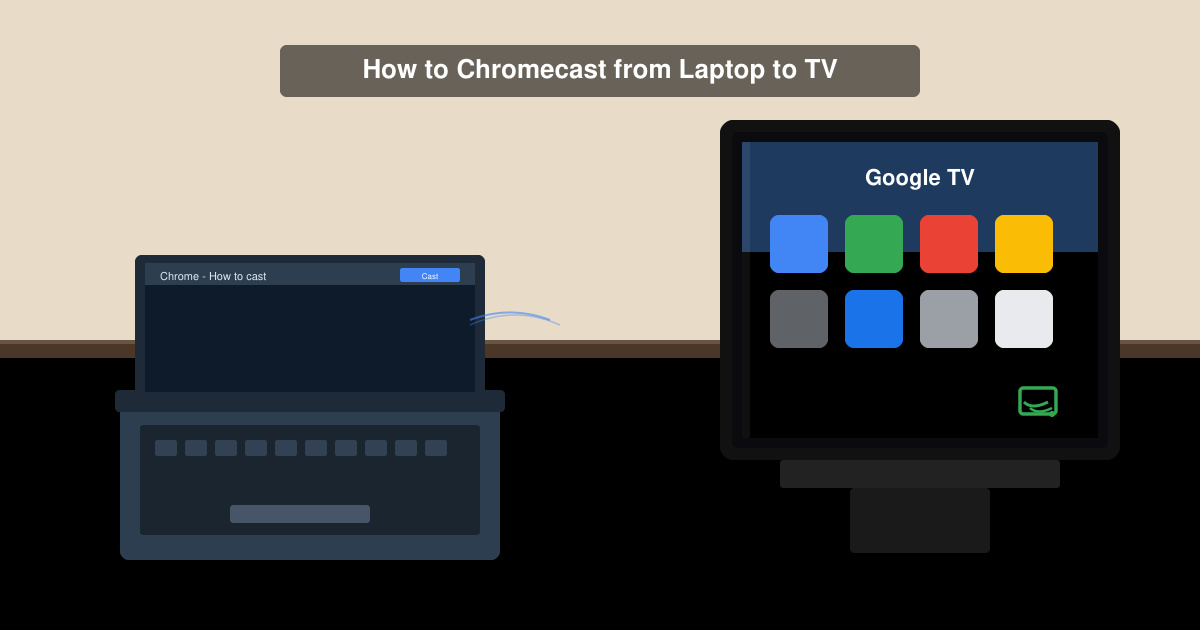
Learn how to Chromecast from laptop to TV with this step-by-step guide. Stream browser tabs, videos, or your full screen from Windows or Mac to your TV in minutes.
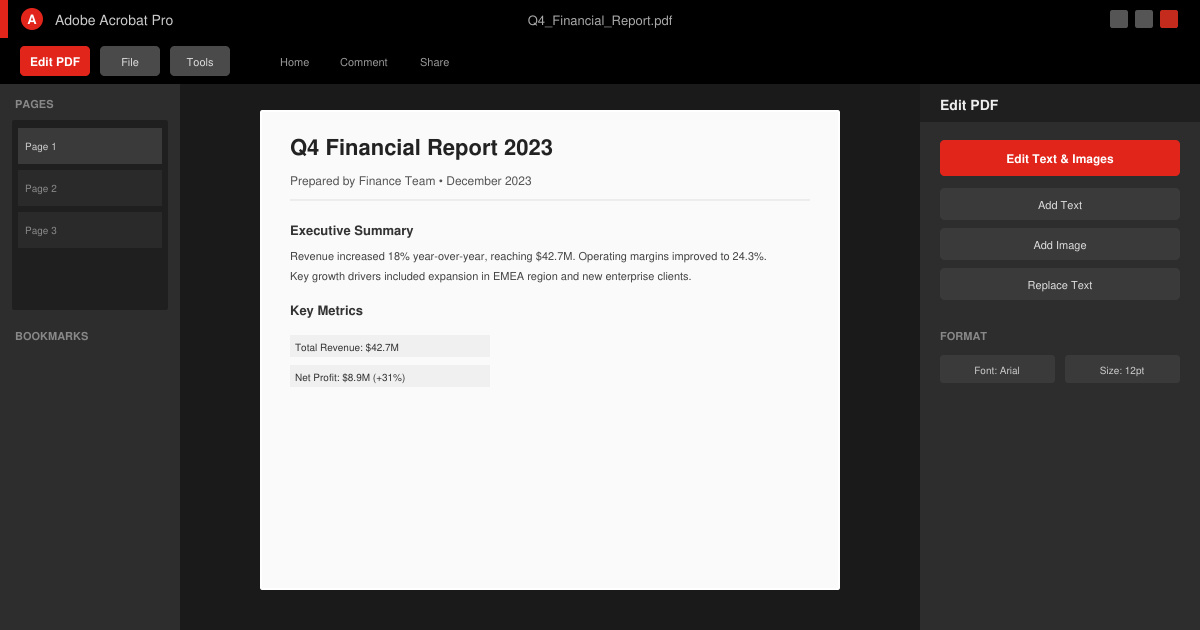
Learn how to edit an Adobe PDF file in Adobe Acrobat with precise steps for text, images, and layout changes. Make professional edits quickly and save time.
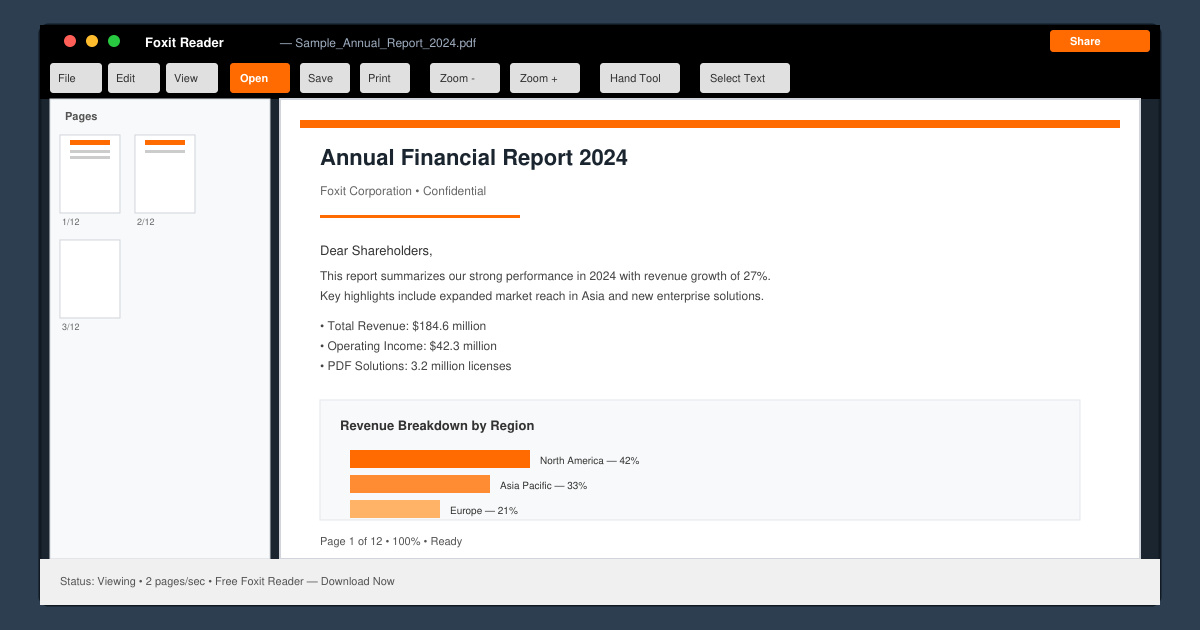
Get your Free Foxit Reader Free Download from the official source with this step-by-step guide that ensures a safe and quick installation for viewing PDFs.
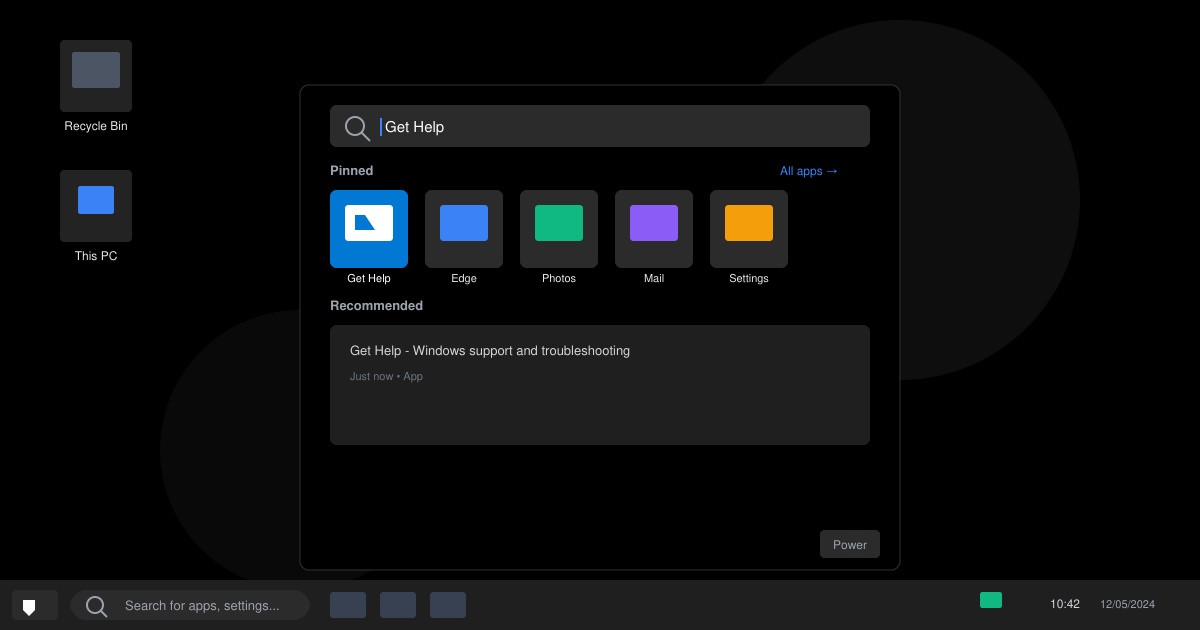
Learn how to get help in Windows 11 with built-in tools like the Get Help app and Quick Assist for fast, official support without third-party downloads.
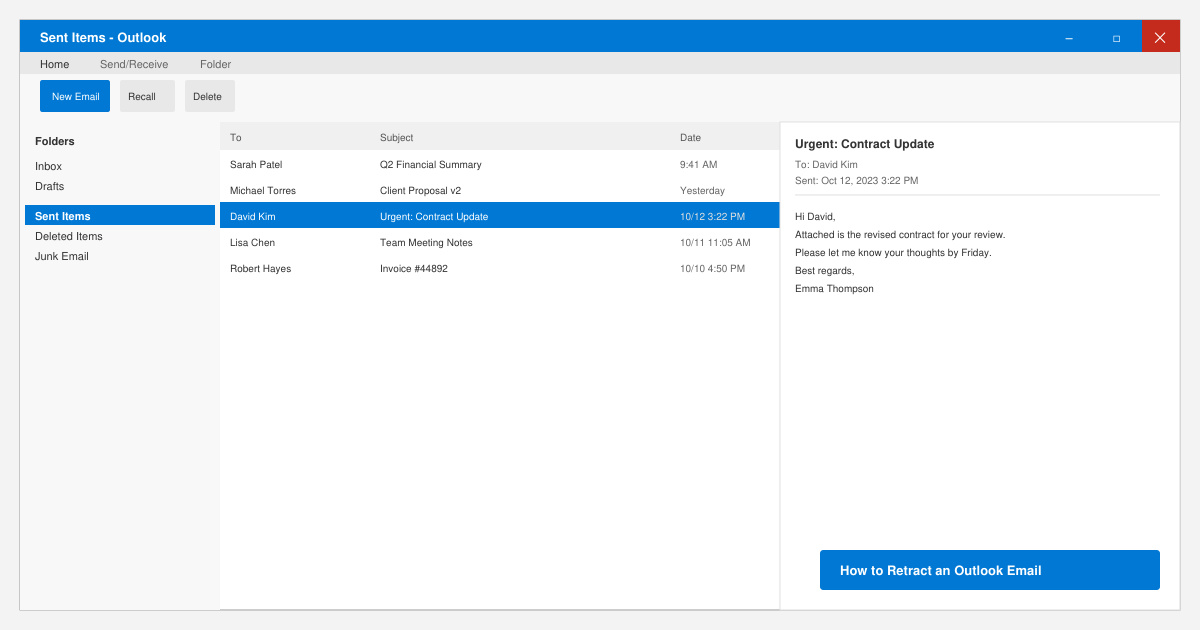
Learn how to retract an Outlook email in Microsoft Outlook when you need to correct a mistake before the recipient opens it. Follow these precise steps for Exchange accounts.
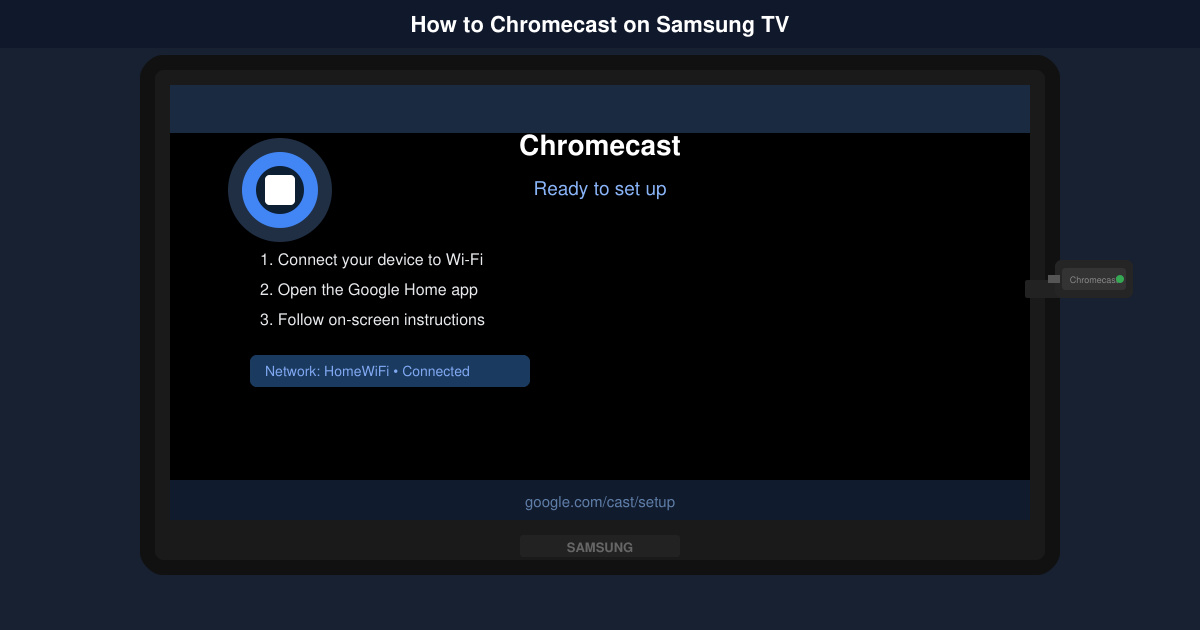
Learn how to Chromecast in Samsung TV by connecting a Chromecast device and streaming from your phone or computer in just a few minutes.
Get the official Adobe Acrobat DC Reader free download safely. Follow this step-by-step guide to install the latest version for viewing and editing PDFs on Windows or Mac.