Imagine powering up your gaming rig after a quick nap, only to find your RGB lights stuck in a chaotic, unsynced mess. Frustrating, right? If you're dealing with Windows 11 RGB not syncing after sleep, you're not alone. This common issue disrupts the immersive glow of your peripherals, from keyboards to mice and headsets. But don't worry— we've got your back with straightforward, effective solutions to get everything back in harmony. Let's dive in and restore that perfect sync, step by step, so you can focus on what matters: gaming without interruptions. 😊
Why Does RGB Syncing Fail After Sleep in Windows 11?
Before we jump into fixes, understanding the root cause can make troubleshooting smoother. In Windows 11, sleep mode (or hibernation) is designed to save power by suspending processes, but it often conflicts with RGB software like Razer Synapse, Corsair iCUE, or Logitech G HUB. These programs rely on constant communication with your hardware, and when Windows wakes up, drivers or background services might not resume properly, leading to desynced lights.
Recent updates to Windows 11 have improved power management, but edge cases persist, especially with third-party RGB controllers. Factors like outdated drivers, power plan settings, or software conflicts exacerbate the problem. The good news? Most fixes are simple tweaks that won't require a tech overhaul. Stick with us, and you'll have your setup shining brightly in no time.
Quick Fixes to Try First: Restart and Basic Checks
Start with the basics—these often resolve RGB not syncing after sleep without deeper dives. Follow these steps in order for the best shot at success.
- 👉 Restart Your System and Peripherals: A full reboot clears temporary glitches. Unplug your RGB devices, restart Windows 11, then reconnect. Test sleep mode: Put your PC to sleep (Win + X > U > S), wake it (spacebar or power button), and check if lights sync.
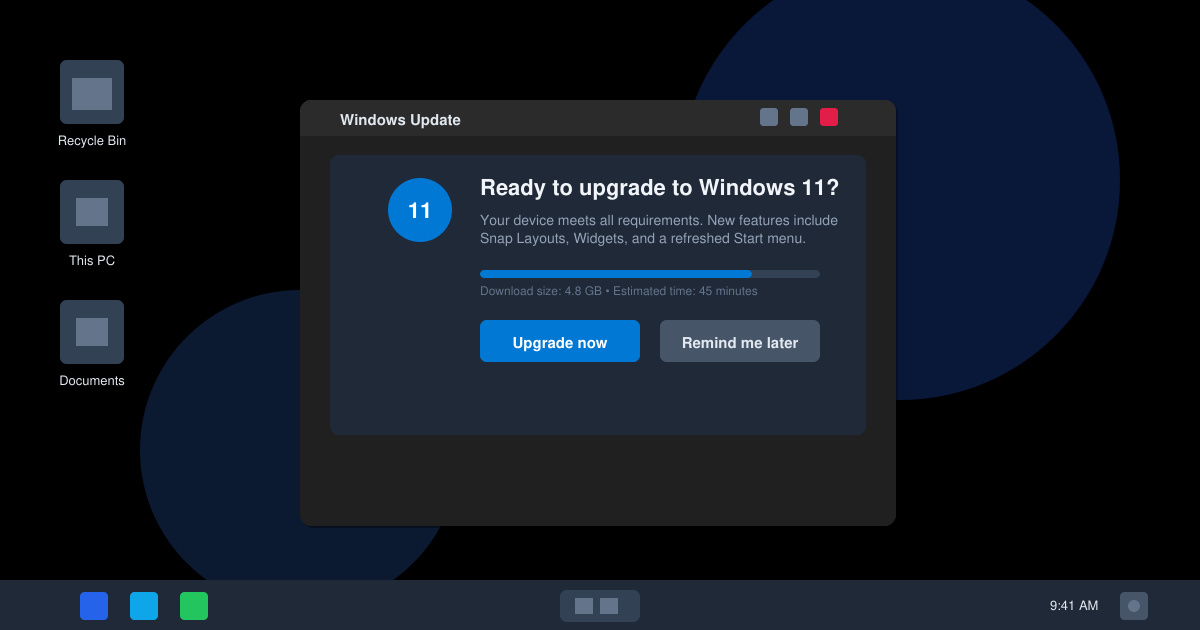
- Update Windows 11: Head to Settings > Windows Update > Check for updates. Install any available patches—these often address sleep-related bugs in power management.
- Check Device Connections: Ensure USB ports are stable. Try a different port or cable; faulty connections can mimic sync issues.
If these don't cut it, let's move to software-specific solutions. Your RGB ecosystem (e.g., Razer, Corsair) might need targeted attention.
Software-Specific Fixes for Popular RGB Platforms
RGB syncing relies on dedicated apps, and each has quirks in Windows 11. Here's how to tackle the most common ones. We'll focus on actionable steps to minimize downtime.
Razer Synapse: Resolving Sleep Sync Woes
Razer users often report Razer Synapse RGB not syncing after sleep. This stems from the app's background service pausing during low-power states.
- Open Razer Synapse and go to Settings > Synapse > Enable "Start Synapse with Windows."
- In Windows Power Options (search "power plan" in Start menu), set "USB selective suspend" to Disabled under Advanced settings.
- Reinstall Synapse: Download the latest version from Razer.com. Uninstall via Apps & Features, restart, and reinstall.
Pro tip: If issues persist, disable Fast Startup in Power Options > Choose what the power buttons do > Uncheck "Turn on fast startup." This ensures a cleaner wake-up process. 🎉
Corsair iCUE: Getting Lights Back in Sync
For Corsair setups, Corsair iCUE RGB not syncing after sleep is a frequent complaint, often tied to plugin conflicts or driver hiccups.
| Step |
Action |
Expected Outcome |
| 1 |
Launch iCUE > Settings > Software & Games > Disable conflicting plugins (e.g., if using with other RGB apps). |
Reduces interference during sleep wake-up. |
| 2 |
Update iCUE to the latest version via the app's update checker. |
Patches sleep-related bugs from recent releases. |
| 3 |
In Device Manager (Win + X > Device Manager), expand Universal Serial Bus controllers > Right-click USB Root Hub > Properties > Power Management > Uncheck "Allow the computer to turn off this device to save power." |
Prevents USB power suspension affecting RGB signals. |
After these changes, test by sleeping and waking your PC multiple times. Your Corsair gear should sync flawlessly, bringing that vibrant glow back to life.
Logitech G HUB and Other Brands
Similar issues plague Logitech G HUB. Update the app from Logitech's site, and apply the USB power tweak mentioned above. For ASUS Aura, MSI Mystic Light, or NZXT CAM, check their respective forums for Windows 11-specific patches—many have released updates addressing sleep sync in the latest versions.
General advice: Avoid running multiple RGB apps simultaneously, as they can fight for control, worsening post-sleep desyncs. If you're mixing brands, consider unified software like OpenRGB for better compatibility (download from openrgb.org).
![Troubleshooting RGB sync on Windows 11 with software interface]()
Advanced Troubleshooting: When Basic Fixes Aren't Enough
If Windows 11 RGB syncing issues linger, it's time for deeper interventions. These steps build on the basics, ensuring comprehensive coverage.
- Update or Reinstall Drivers: Outdated chipset or USB drivers are culprits. Use Device Manager to update, or download fresh ones from your motherboard manufacturer's site (e.g., ASUS, Gigabyte). For NVIDIA/AMD GPUs, grab the latest from their official pages.
- Adjust Power Plan Settings: In Power Options > Change plan settings > Change advanced power settings:
- Processor power management > Minimum processor state: Set to 5% (prevents aggressive sleep throttling).
- Sleep > Unattended sleep timeout: Set to 0 minutes.
- PCI Express > Link State Power Management: Off.
These tweaks keep RGB services active during transitions.
- Run System File Checker and DISM: Open Command Prompt as admin (Win + S > cmd > Run as admin). Type:
sfc /scannow
Then:
DISM /Online /Cleanup-Image /RestoreHealth
Restart and test. This repairs corrupted system files that might disrupt syncing.
- BIOS/UEFI Check: Enter BIOS (usually Del or F2 on boot) and ensure USB power delivery is enabled. Update BIOS if available—check your mobo maker's support page for the latest stable version.
⚠️ Warning: BIOS updates carry risks; follow instructions carefully. If you're uncomfortable, seek professional help.
Preventing Future RGB Sync Issues in Windows 11
Once fixed, prevention is key to avoiding repeat headaches. Enable "Always keep RAM" in Registry Editor (regedit > HKEY_LOCAL_MACHINE\SYSTEM\CurrentControlSet\Control\Session Manager\Memory Management > Set ClearPageFileAtShutdown to 0)—but back up your registry first!
Also, consider third-party tools like QuickSleep or power management apps that whitelist RGB services. Regularly update your software stack to stay ahead of bugs. With these habits, your RGB lighting will remain synced, enhancing every session.
Final Thoughts: Reclaim Your RGB Glory
Dealing with Windows 11 RGB not syncing after sleep can dim your setup's vibe, but armed with these steps, you're equipped to fix it swiftly. Start with quick checks, move to software tweaks, and escalate as needed—most users see results in under 30 minutes. Your gaming oasis deserves that flawless, synchronized glow. If problems persist, drop a comment below or consult official support. Happy gaming, and may your lights always shine bright! 🚀
Remember, staying proactive with updates keeps everything running smoothly in the ever-evolving world of Windows 11.