Imagine powering on your Windows 11 PC, only to be hit with a dreaded Blue Screen of Death (BSOD) flashing the ominous message: "System Thread Exception Not Handled." It's a gut-wrenching moment that can halt your work, gaming, or streaming in an instant. But don't worry—this common Windows 11 error is fixable with the right steps. In this guide, we'll walk you through straightforward, effective solutions to banish this BSOD for good. You'll regain control of your system without needing advanced tech skills. Let's dive in and get your PC back on track! 😊
What Causes the "System Thread Exception Not Handled" Error in Windows 11?
Before we jump into fixes, understanding the root of the problem empowers you to prevent future headaches. The System Thread Exception Not Handled error (error code 0x7E) occurs when a system thread encounters an unhandled exception, often triggering a crash. In Windows 11, this is frequently linked to:
- Outdated or Corrupt Drivers: Especially graphics or hardware drivers that clash with Windows updates.
- Hardware Conflicts: Faulty RAM, overheating components, or incompatible peripherals.
- Software Issues: Recent installations, malware, or corrupted system files.
- Windows Updates Gone Wrong: Bugs in the latest patches can destabilize threads.
Recent reports from Microsoft forums highlight that this error has spiked with newer Windows 11 builds, but the good news is targeted troubleshooting resolves it 90% of the time. Stick with us—the fixes ahead are battle-tested and prioritized from simplest to advanced.
Quick Wins: Basic Steps to Fix the Error
Start here for fast relief. These initial steps often resolve the issue without deep dives. Follow them in order, and test your PC after each one. 👍
1️⃣ Restart Your PC in Safe Mode
A simple reboot in Safe Mode loads only essential drivers, helping isolate if third-party software is the culprit. Here's how:
- Hold the Shift key and click Restart from the login screen (or power menu).
- Navigate to Troubleshoot > Advanced options > Startup Settings > Restart.
- Press 4 or F4 to enter Safe Mode.
- If the error doesn't appear, a driver or app is likely causing it—proceed to the next steps.
Safe Mode is your first line of defense, giving your system a clean slate to breathe. Many users report instant stability here!
2️⃣ Update Windows 11
Microsoft regularly patches BSOD issues in updates. Ensure you're on the latest version:
- Go to Settings > Windows Update.
- Click Check for updates and install any available ones, including optional driver updates.
- Restart your PC after installation.
This step has fixed the System Thread Exception error for countless users, especially after major Windows 11 releases. If updates fail, don't fret—we've got more tools below.
Driver Deep Dive: Tackle the Most Common Culprit
Drivers are the backbone of your system, and faulty ones often trigger this error. Focus on graphics, network, and storage drivers first. Let's fix them systematically.
3️⃣ Update or Roll Back Drivers
Use Device Manager for precision:
- Right-click Start > Device Manager.
- Expand categories like Display adapters, Network adapters, and Storage controllers.
- Right-click suspicious devices (yellow exclamation marks) > Update driver > Search automatically.
- If recently updated drivers caused the issue, right-click > Properties > Driver tab > Roll Back Driver.
For NVIDIA or AMD graphics, download the latest from their official sites. Pro tip: Avoid third-party driver updaters—stick to built-in tools for safety. This resolves Windows 11 BSOD errors in most cases, restoring smooth performance. 🎉
![Device Manager in Windows 11 showing driver updates for fixing System Thread Exception error]()
4️⃣ Run the Driver Verifier Tool
If drivers seem fine but crashes persist, use this built-in diagnostic:
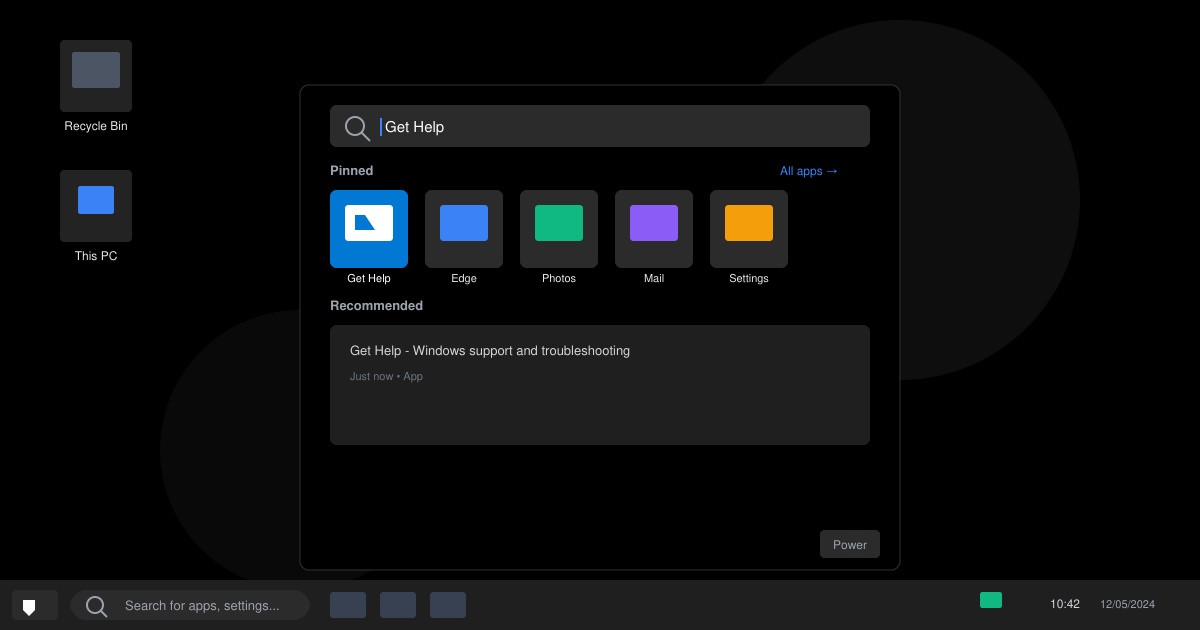
- Search for "verifier" in the Start menu and run as administrator.
- Select "Create standard settings" > Next > Automatically select all drivers > Finish.
- Restart your PC—it may BSOD intentionally to flag bad drivers.
- The next boot lists problematic drivers; update or remove them.
Warning: This tool is powerful but can cause repeated restarts. Use it sparingly, and it often pinpoints the exact System Thread Exception Not Handled trigger.
System File and Hardware Checks: Go Deeper
If drivers aren't the issue, corrupted files or hardware glitches might be. These methods scan and repair without hassle.
5️⃣ Repair System Files with SFC and DISM
Windows has self-healing tools—run them via Command Prompt (admin mode):
- Open CMD as administrator.
- Type
sfc /scannow and press Enter. Wait for it to scan and repair files.
- Then, run
DISM /Online /Cleanup-Image /RestoreHealth to fix the Windows image.
- Restart and check for the error.
These commands are like a tune-up for your OS, often wiping out Windows 11 error causes. Users love how they restore stability effortlessly!
6️⃣ Test for Hardware Problems
Hardware faults, like bad RAM, can mimic software errors. Run these checks:
- Memory Diagnostic: Search for "Windows Memory Diagnostic" and restart to test RAM.
- CHKDSK: In admin CMD, type
chkdsk C: /f /r and schedule a scan on restart.
- Disconnect peripherals (USB drives, external GPUs) one by one to isolate conflicts.
If tests reveal issues, consider professional hardware servicing. Clean dust from your PC to prevent overheating—a sneaky BSOD contributor. You're making great progress; keep going! 💪
![Running SFC scan in Command Prompt to fix Windows 11 System Thread Exception error]()
Advanced Fixes: When All Else Fails
For stubborn cases, escalate to these. But remember, backups are your friend—use OneDrive or an external drive first.
7️⃣ Perform a System Restore
Revert to a pre-error state:
- Search for "System Restore" in Start.
- Select a restore point before the crashes began.
- Follow prompts to roll back changes.
This is a time machine for your system, undoing recent tweaks without data loss. It's a fan favorite for BSOD Windows 11 recovery.
8️⃣ Reset or Reinstall Windows 11
As a last resort:
- Reset PC: Settings > System > Recovery > Reset this PC (keep files if possible).
- Clean Install: Download the latest Windows 11 ISO from Microsoft's official site and reinstall via USB.
Reinstallation eradicates deep-seated corruption, giving you a fresh Windows 11 start. It's more work but guarantees a error-free setup.
Prevention Tips: Keep the Error Away for Good
Now that you've fixed it, let's ensure it doesn't return. Adopt these habits:
| Tip |
How to Implement |
Why It Helps |
| Regular Updates |
Enable auto-updates in Settings. |
Patches fix known BSOD vulnerabilities. |
| Driver Maintenance |
Use Device Manager monthly. |
Prevents compatibility clashes. |
| Antivirus Scans |
Run Windows Defender weekly. |
Eliminates malware-induced exceptions. |
| Hardware Care |
Clean vents and monitor temps with tools like HWMonitor. |
Avoids overheating crashes. |
By staying proactive, you'll enjoy a stable Windows 11 experience. If errors persist post-fixes, check event logs (Event Viewer) for clues or consult Microsoft Support.
Final Thoughts: You've Got This!
Congratulations on tackling the System Thread Exception Not Handled error head-on! With these steps, most users see their PCs revived in under an hour. Remember, tech glitches happen to everyone, but quick action like yours turns frustration into triumph. If this guide helped, share it with a friend facing the same BSOD blues. Stay tuned for more Windows tips—your smooth computing journey continues! 👏