How to install and change fonts on Samsung Galaxy smartphones

You can download and try new system fonts on your Samsung Galaxy device and customize them to your liking. Below is how to install and change fonts on Samsung Galaxy .

How to install and change fonts on Samsung Galaxy smartphones

Samsung's One UI skin is one of the coolest Android skins around. Its design balances well between providing the right feature set and customization options for users.

One of the best customization features of One UI is the option to change and try out new system fonts on Samsung Galaxy devices. If you want a completely new look for your "phone", follow the instructions on how to change the font on Samsung Galaxy below.

Instructions for changing fonts on Samsung Galaxy

Samsung allows you to change the font on most Galaxy devices running One UI. Changing the system font will affect the operating system and all installed apps.

By default, Samsung preinstalls SamsungOne and Gothic Bold fonts along with the default system font. However, you can install more fonts from the Galaxy Store. Note, Google Play Store does not support system fonts for this device.

How to change system font on Samsung Galaxy

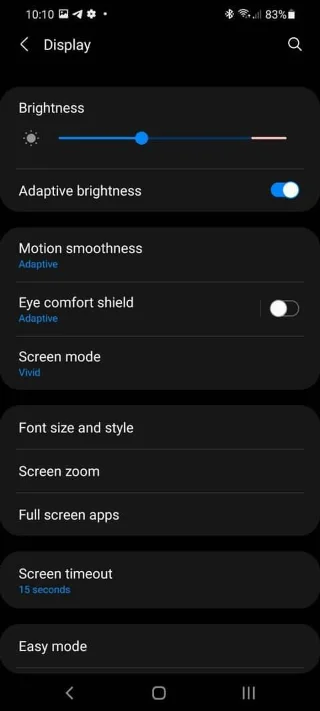
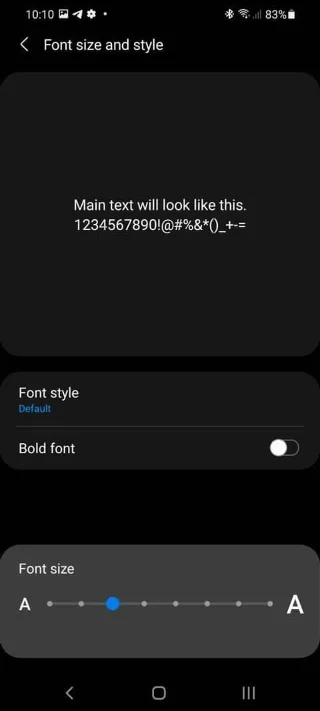
  1. On Samsung Galaxy smartphones, go to Settings > Display > Font size and style > tap Font Style .
  2. All font names will be displayed in their original style. Continue choosing the font you like.

As soon as you touch the font you want, it will be applied to the entire system. If you prefer to use system fonts in bold style, enable Bold font from Settings > Display > Font size and style .

How to install and change fonts on Samsung Galaxy smartphones

How to install and change fonts on Samsung Galaxy smartphones

How to install and change fonts on Samsung Galaxy smartphones

You can also change the font size here by dragging the slider left or right. Increasing the font size too large can cause some interface elements to be lost in some cases.

How to install new fonts on Samsung Galaxy

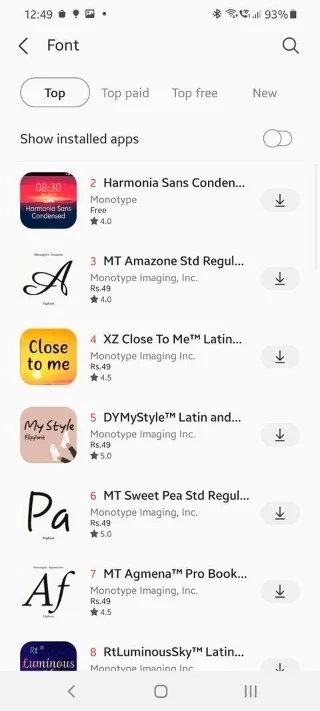
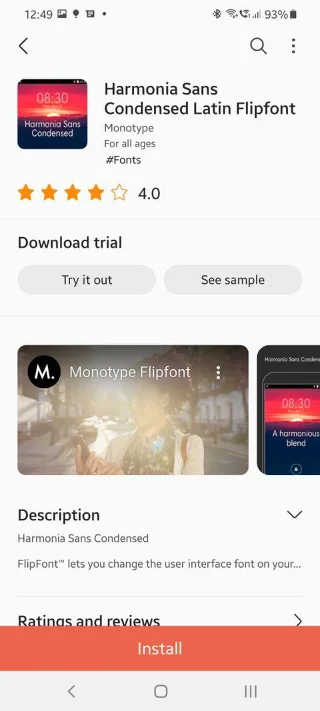
Installing new fonts on Samsung Galaxy devices is quite simple. However, you must use the Galaxy Store to install new fonts because installing them from other sources may lead to compatibility errors.

  1. Navigate to Settings > Display > Font size and style > Font style on your Samsung Galaxy device.
  2. Tap Download fonts . This action will open the Galaxy Store with a list of all the fonts you can download.
  3. Most of the fonts available here are available for a fee, so make sure to check out all the screenshots before deciding on the font you like. After purchasing the font, it will automatically be installed on your Samsung phone.
  4. Again, go to Settings > Display > Font size and style > Font style and tap the new font you just downloaded to apply it system-wide.

How to install and change fonts on Samsung Galaxy smartphones

How to install and change fonts on Samsung Galaxy smartphones

Above is how to install and change fonts on Samsung Galaxy phones . Hope the article is useful to you.
Leave a Comment

National Voter Registration Day 2026 Is Today: How to Register or Check Your Status

National Voter Registration Day 2026 Is Today: How to Register or Check Your Status

National Voter Registration Day is September 15, 2026. Learn how to register online, by mail, or in person and verify your voter status.

Podcasting Trends You Need to Know in 2026: A Beginner’s Roadmap

Podcasting Trends You Need to Know in 2026: A Beginner’s Roadmap

New to podcasting? Learn the 2026 trends shaping video, discovery, transcripts, AI, analytics, monetization, and a practical launch plan.

UGC Masterclass: Build User-Generated Content That Earns Trust and Drives Action

UGC Masterclass: Build User-Generated Content That Earns Trust and Drives Action

A practical UGC masterclass for sourcing, permissioning, briefing, publishing, and measuring customer and creator content without losing authenticity.

Why Community Building Is the New Marketing — and When It Is Not

Why Community Building Is the New Marketing — and When It Is Not

Community building can deepen trust, retention, feedback, and advocacy, but it is not a replacement for every marketing channel. Compare the tradeoffs and choose the right model.

Navigating Social Media Algorithm Changes in 2026: What’s Confirmed, Contextual, and Still Unknown

Navigating Social Media Algorithm Changes in 2026: What’s Confirmed, Contextual, and Still Unknown

Learn what major social platforms have actually confirmed about ranking changes in 2026, what depends on context, and how to adapt without chasing myths.

Authentic Storytelling in Brand Marketing: How to Build Trust Without Sounding Scripted

Authentic Storytelling in Brand Marketing: How to Build Trust Without Sounding Scripted

Learn how to make brand storytelling feel credible, human, and specific—using proof, real tension, ethical customer stories, and a practical authenticity check.

Email Marketing Strategies for Q4 Success: What to Prioritize, Test, and Trade Off

Email Marketing Strategies for Q4 Success: What to Prioritize, Test, and Trade Off

Build a smarter Q4 email strategy by balancing reach, frequency, discounts, automation, deliverability, and measurement for profitable holiday growth.

How to Create Short-Form Video That Converts: A Practical Framework

How to Create Short-Form Video That Converts: A Practical Framework

Learn how to create short-form video that converts by balancing hooks, format, authenticity, CTA, platform fit, and testing across TikTok, Reels, and Shorts.

The Shift from Influencers to Key Opinion Consumers (KOCs): What Brands Need to Know in 2026

The Shift from Influencers to Key Opinion Consumers (KOCs): What Brands Need to Know in 2026

Why are brands testing KOCs instead of relying only on influencers? Learn what KOCs are, why social commerce favors them, common myths, and how to run a measurable pilot.

TikTok SEO in 2026: How to Rank Videos in Search Without Keyword Stuffing

TikTok SEO in 2026: How to Rank Videos in Search Without Keyword Stuffing

Learn a practical TikTok SEO workflow for 2026: find real search demand, match search intent, optimize each video, and measure what improves visibility.