Home
» PC Tips
»
How to Open and Use MSConfig on Windows 10
How to Open and Use MSConfig on Windows 10
MSConfig is a versatile tool that is great for managing the startup process on your computer. It can also be used for more than just troubleshooting performance and stability issues. This article will show you how to access and use MSConfig on Windows 10.
How to access MSConfig
Where is MSConfig in Windows 10? Many users may wonder this question. In this section, Quantrimang.com will show you how to access MSConfig through 2 ways.
Method 1: Access MSConfig via Windows Search
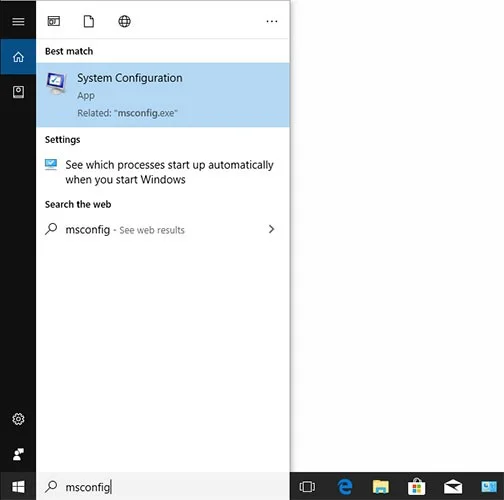
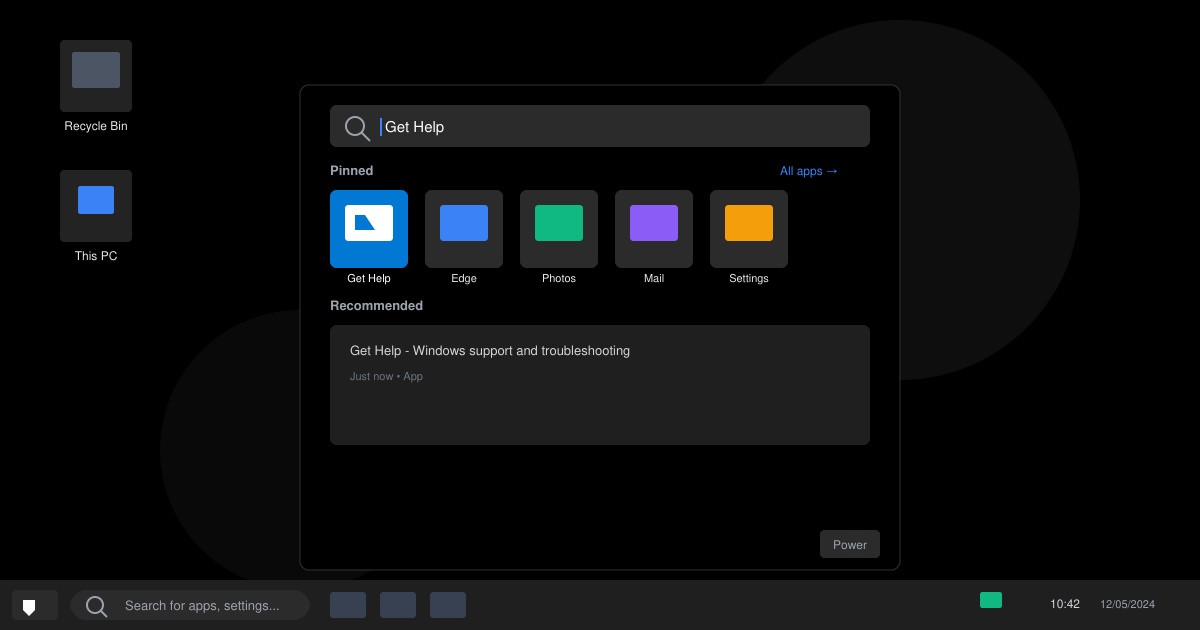
Click inside the Windows search box on the taskbar and type "msconfig" into it. Then click the best search result: System Configuration.
Access MSConfig via Windows Search
Method 2: Access MSConfig via the Run dialog box
Step 1Win : Press the + keys at the same time Rto call the Run dialog box.
Step 2 : Type "msconfig" into the Run box and then press the key Enterto open System Configuration .
Access MSConfig via the Run dialog box
How to use MSConfig
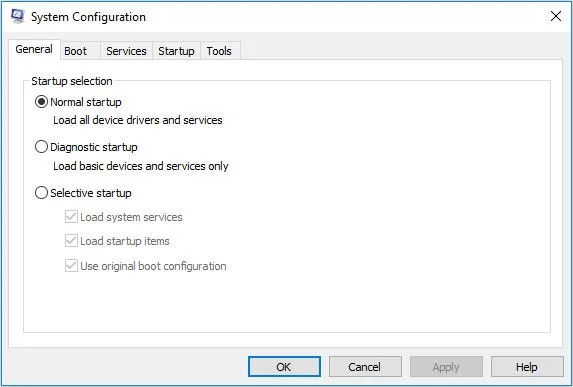
When you open System Configuration , you will see a window that looks like this:
The System Configuration window consists of five different tabs: General, Boot, Services, Startup , and Tools . The other tabs and options under these tabs are useful in managing your computer. Let's learn what they do.
1. General Tab
General Tab
When you open System Configuration , the General tab will be displayed by default. It gives you 3 Startup options :
Normal startup : This mode will start Windows as is with all startup items, drivers, and services installed. In this mode, there are virtually no restrictions on what can be added to the startup process.
Diagnostic startup : Similar to booting into Safe Mode , this mode only runs Windows services and drivers. It can help you eliminate Windows files and services that are the source of possible system stability problems.
Selective startup : This mode runs basic Windows drivers and services, allowing you to select which services and other startup items you want to run, from the Services and Startup tabs . This way, you can slowly identify what is causing problems with your startup.
2. Boot Tab
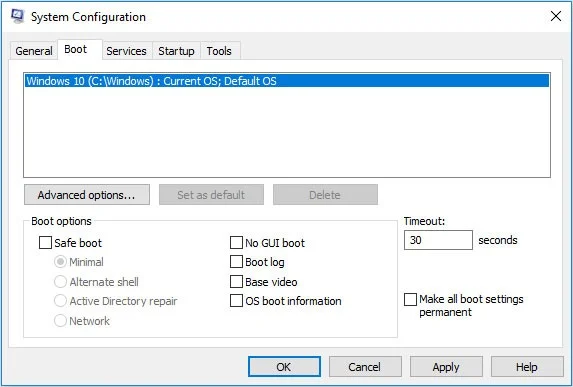
The Boot tab is displayed as shown below:
Boot Tab
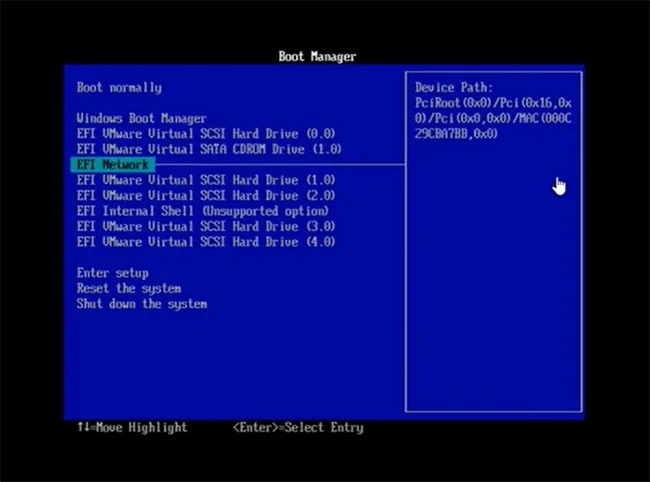
In the top area, a white box lists the operating systems installed on the current machine. In the white box, there are other important functions such as Advanced options and Boot options .
Warning : Be careful when choosing Make All Boot Settings Permanent . Once you choose this option and save it, there is no easy way to revert to the previous settings. You will have to change everything manually.
Advanced options : This feature allows you to configure things like the number of processors, memory size, and Global Debug settings .
Boot options : This feature allows you to activate your Windows into different boot modes by checking different options.
Safe Boot Minimal : Boots into Windows GUI running only critical services and disabling networking.
Safe Boot Alternate Shell : Boot into Command Prompt running critical services, disabling networking and GUI.
Safe Boot Active Directory Repair : Boot into Windows GUI running critical services and Active Directory .
Safe Boot Network : Boot into Windows GUI running important services and networking.
No GUI Boot : Does not display the Windows Vista splash screen when you boot.
Boot Log : Stores information from the boot process in a log located in %systemroot%, called ntbtlog.txt.
Base Video : Loads the system with standard VGA drivers instead of hardware-specific drivers.
OS Boot Information : Displays all drivers during boot as they load.
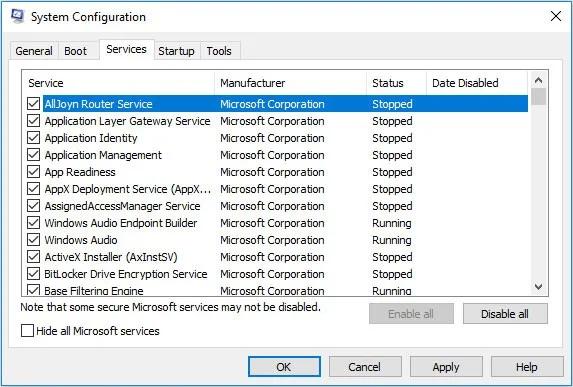
3. Services Tab
Services Tab
When the operating system starts, only the services checked here can run at startup. If you don't want some services to run at startup, uncheck them here.
If you believe that any Windows service is causing the problem, this section allows you to deselect it and help you find the exact culprit. However, be careful when you decide to disable a service as it can cause other problems.
4. Startup Tab
Startup Tab
In this tab, there is only one option: Open Task Manager . As its name suggests, this option will help you open Task Manager . In Task Manager , you can monitor processes and hardware performance, disable startup items, end tasks, etc.
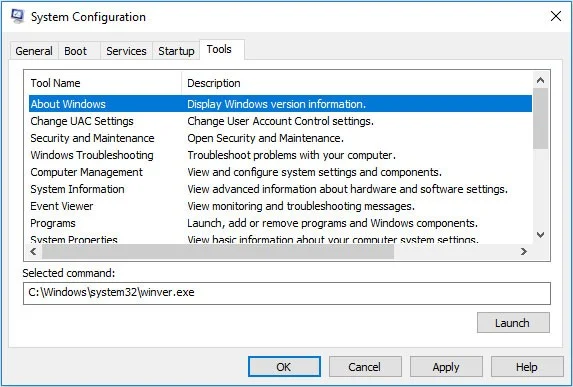
5. Tools Tab
Tab Tools
The Tools tab lists a number of Windows administrative tools. To use these tools, simply select the one you want and then click the Launch button.