Deploy Shared Pardus Wallpapers and Policies with Lider Ahenk
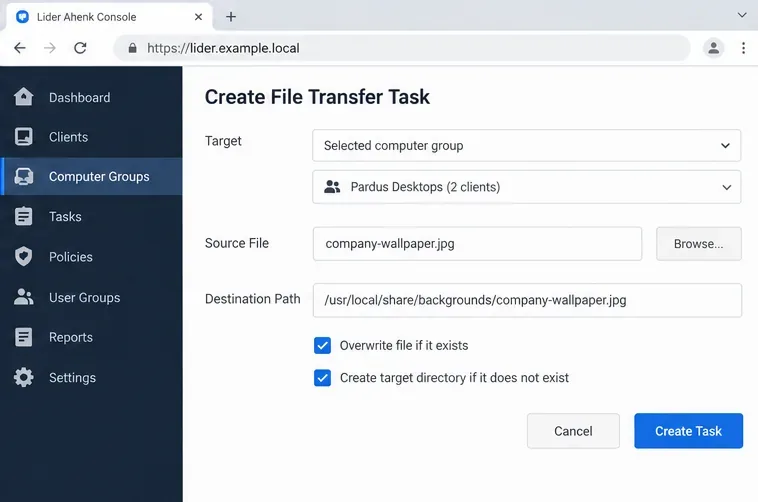
Distribute a custom wallpaper to Pardus clients, configure Xfce or GNOME desktops, and apply Lider Ahenk user policies with safe pilot checks.
You can actually open multiple programs at once with a single shortcut. Below is how to use a shortcut to open many applications on Windows 10 .
How to open multiple programs with one shortcut on Windows 10
Just find that application's shortcut, right-click on it and select Properties . Target is the item we are looking for. But we will divide it into Start in and executable file.
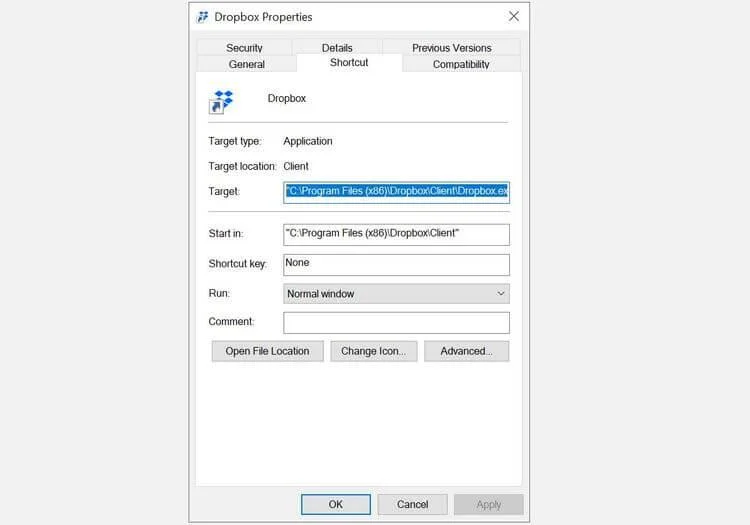
Next, copy the content in that field and paste it into a blank Notepad window. Do the same with other software you want to open with a common shortcut.
Open the Notepad file you just copied the links to the software above and adjust it like the example below:
@echo off
cd "C:\Program Files (x86)\Dropbox\Client\"
start Dropbox.exe
cd "C:\Program Files\Notepad++\"
start notepad++.exe
Exit
Here is an example of a complete batch file script. It will open Dropbox and Notepad++ at the same time. You can change them with a link to the software you want to open.
Detailed analysis of components in the script:
@echo offThis element separates the command shown in the command prompt that is used to run the batch file.
cd "C:\Program Files\Notepad++\"Path to the software folder.
start notepad++.exeOpen the software run file in the above folder. Note, some programs like Dropbox need a specific destination, such as the /home directory . You will also see it in Properties .
ExitExit the program.
In Notepad, save this file (Make sure Save as type to All Files ) in .bat format . Note down the path to save the file because you will need it in the next step.
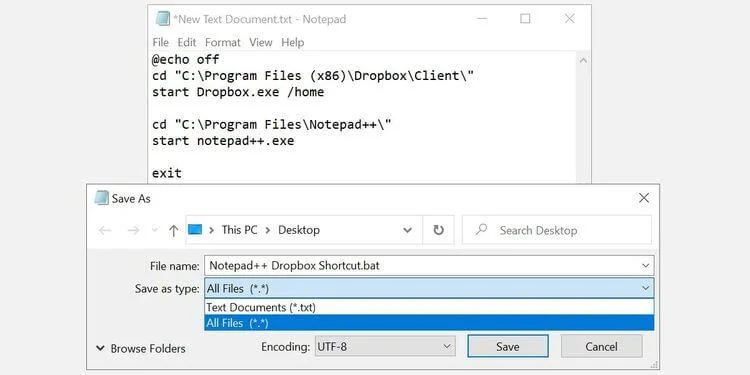
Now you can use batch files to open programs, but why not break it up a bit? If you want to use a custom file icon for batch files, you should use a shortcut.
Right-click on the desktop and select New > Shortcut . Choose a location, ideally coinciding with the batch file. Click Next . Then, enter the shortcut name and click Finish .
Now right-click on the new shortcut file, select Properties , update the Target field to point to the batch file. Click Apply and OK to save changes & exit.
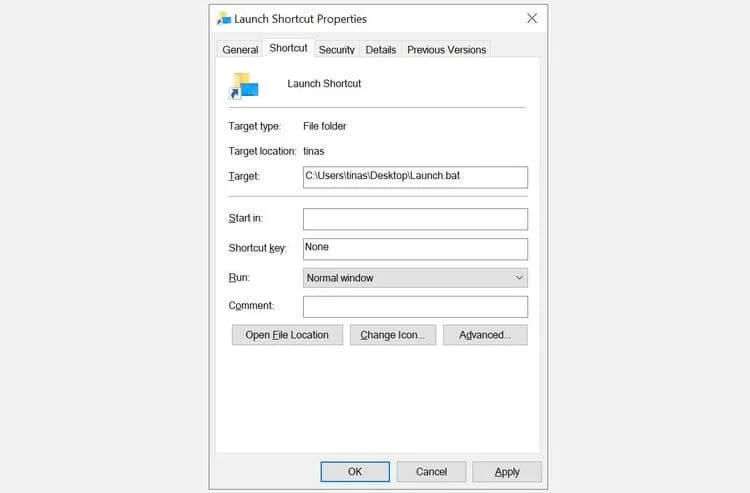
This step is optional. If you choose to ignore it, you will use the same Windows icon for the created batch file shortcut. If you plan to create multiple shortcuts, you should assign unique icons to each shortcut.
Right-click on the shortcut file, click the Shortcut tab > click the Change Icon button . Windows will check for an icon for the batch file and will come up with no results. That's okay. You just need to click OK .
You can now select an icon from the Change Icon menu . Click OK to confirm your selection, then click OK again to close the shortcut properties.
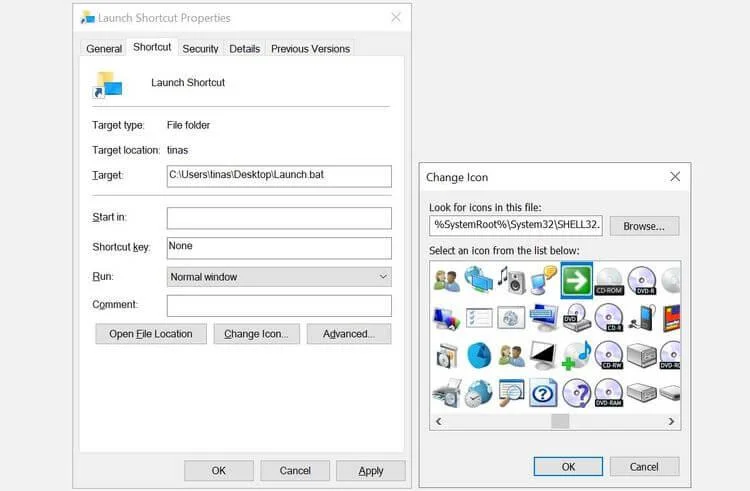
Now double click on the shortcut icon on your computer. You'll see a command prompt window briefly open, then close, then the applications you selected will open.
If all is in order, move your shortcut to a convenient location. For example, you can pin it to the Start menu or Quick Access ; Both options are visible in the shortcut's right-click menu.
Finally, don't forget to delete shortcuts that are no longer needed on the desktop.
Above is how to open many software with one shortcut on Windows. Hope the article is useful to you.
Distribute a custom wallpaper to Pardus clients, configure Xfce or GNOME desktops, and apply Lider Ahenk user policies with safe pilot checks.
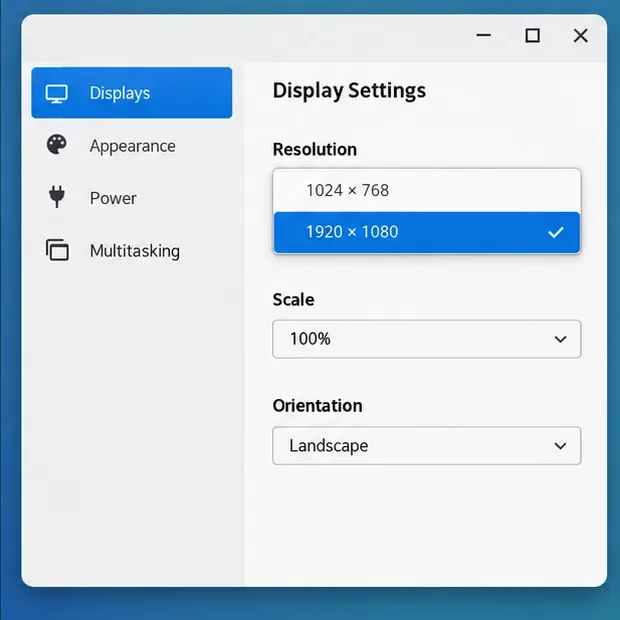
Fix a 1024 × 768 ceiling by checking SPICE, virtual video, the guest channel, and spice-vdagent—with safe checks when Pardus lacks a package candidate.
Set up the Lider server, configure its installer safely, register Ahenk endpoints, and verify a pilot before expanding central management.
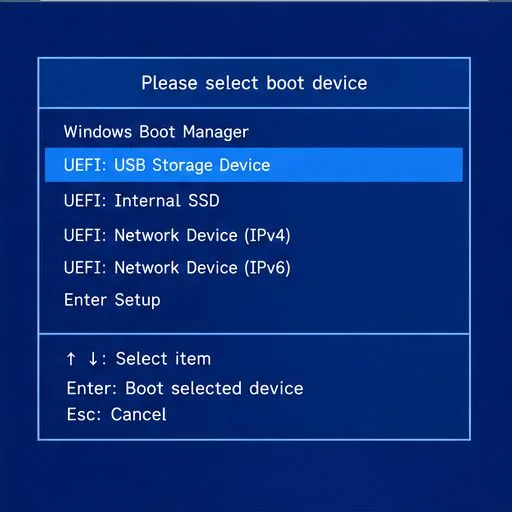
Download the official Pardus 23 desktop ISO, write it safely with Rufus, and boot a Windows PC into a temporary Live session.
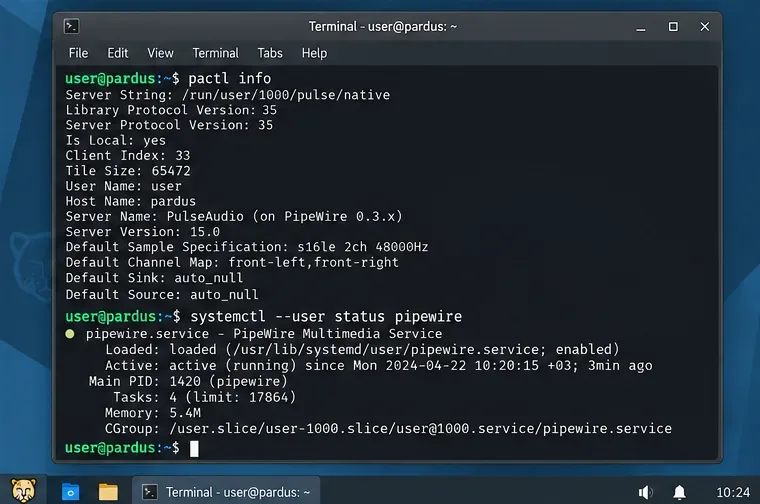
Find out why Pardus 23 cannot detect your sound card, then use targeted ALSA, firmware, and PipeWire or PulseAudio checks to restore playback.
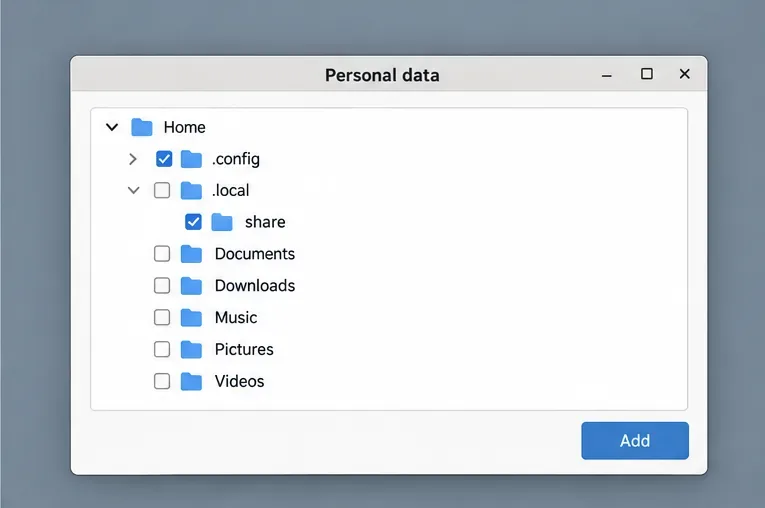
Save HamoniKR preferences to external storage, include hidden home folders, and choose a safe restore mode when moving to a fresh installation.
Install and configure xrdp on Pardus, choose the right Xfce session, restrict network access, and verify that remote login works.
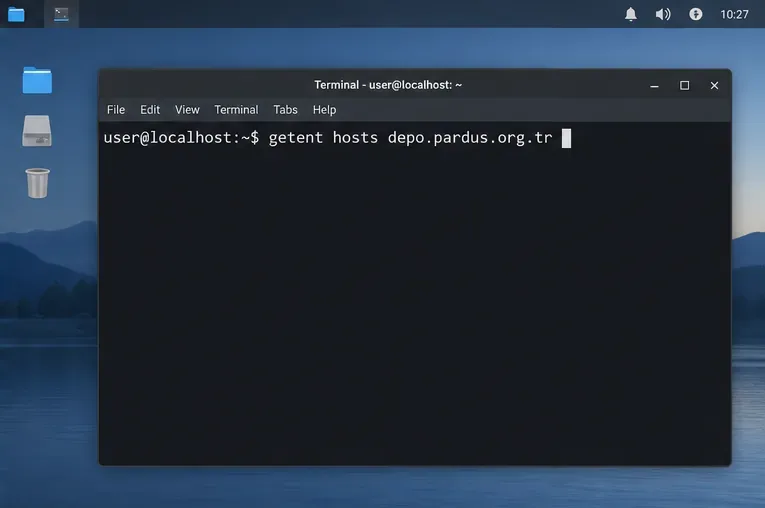
Diagnose Pardus 23 APT connection failures, confirm the official yirmiuc sources, and restore apt update without bypassing package signature checks.
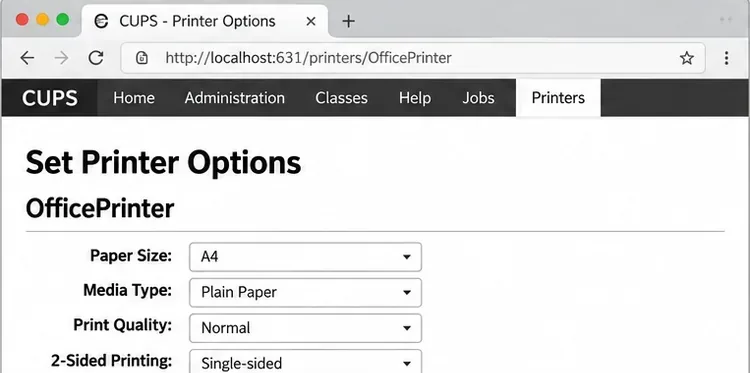
Configure printers on Harmonica OS using CUPS, compare driverless IPP with legacy drivers, and verify USB or network printing with a test page.
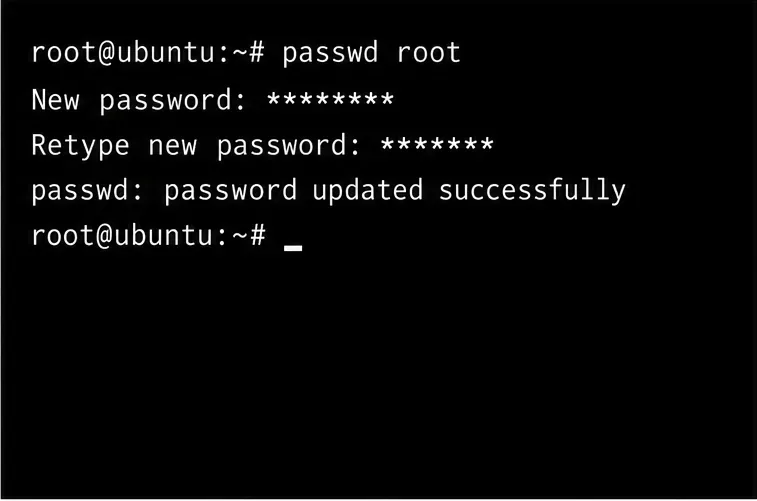
Use a recovery shell to set a new Harmonica OS root password, with checks for encrypted disks, read-only filesystems, and accounts that use sudo.