Would Europe Be Drawn into a Hypothetical U.S.-Israel-Iran Nuclear War? NATO Rules Explained

A guide to NATO Articles 4 and 5, UN self-defense rules, and why consultation does not mean automatic European entry into war.
We've all been there: Clicking the Chrome icon, then waiting for the browser to launch. Waiting for the homepage to load can be frustrating, but the wait can seem endless. Are you tired of the lag? If so, try these Chrome optimization methods to make your Chrome launch faster.
Table of Contents
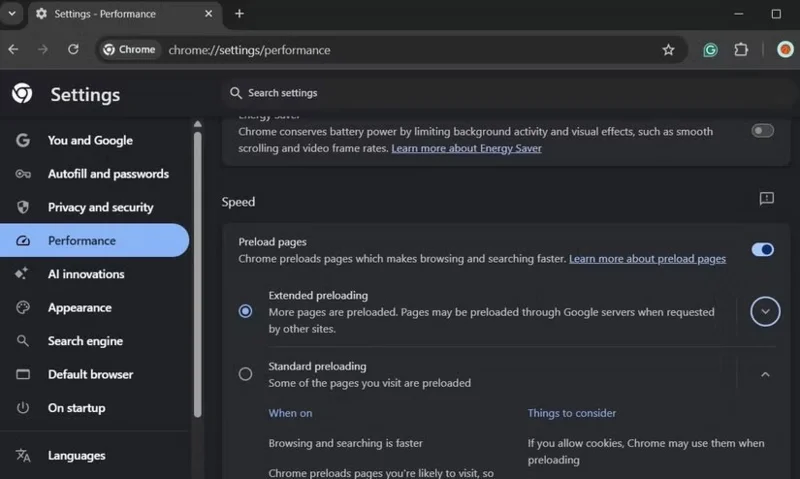
One of the first things you can do to make Google Chrome start up quickly is to enable preloading of web pages. This feature allows Chrome to predict what pages you might visit next, so it can start loading them in the background before you click a link.
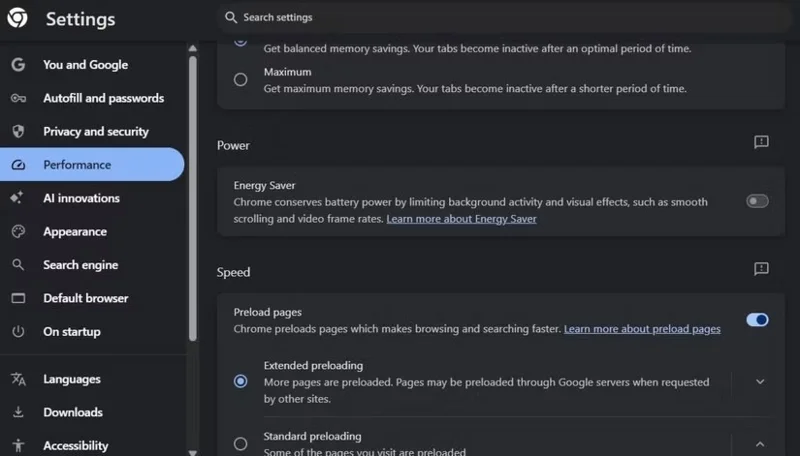
This way, when Chrome starts, the browser doesn't have to wait for you to click on links; they're already partially loaded. To enable preloading of web pages, go to Settings > Performance > Speed and turn on the Preload pages toggle .
Chrome offers a couple of options in this menu: Extended preloading and Standard preloading . Many people prefer Extended preloading because it allows Chrome to load most pages based on your browsing behavior.
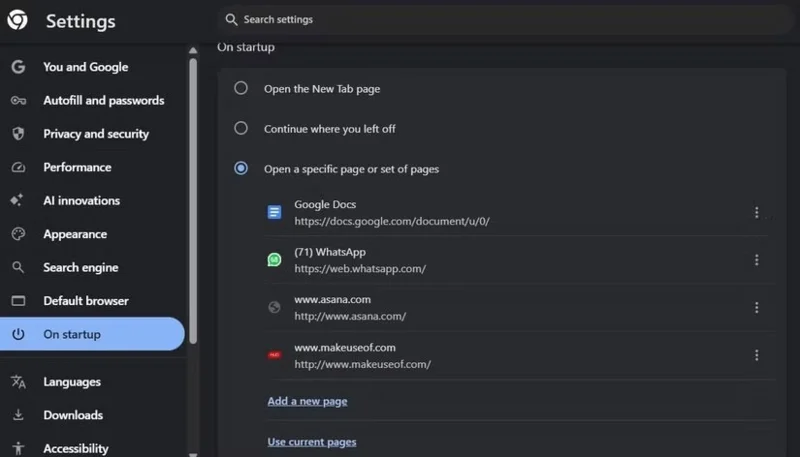
Most people have a specific set of websites that they open every time they launch Chrome. However, opening each website by typing in the address, clicking on home page shortcuts, or even navigating through the bookmarks menu can be time-consuming.
You can configure Chrome to automatically open these pages on startup, and this makes a huge difference. Now when you launch Chrome, it not only loads your main page, but also loads other pages you frequently visit in the background. So when you switch to the second tab, it’s already ready.
Opening your favorite pages one by one as you start working saves you a lot of time.
However, if you work primarily from home, saving battery life is often not a priority. Turning this feature off will significantly improve your Chrome experience, both in terms of startup time and overall performance.
You can go to Settings > Performance > Power and turn off the Energy Saver toggle . If you want this feature to automatically activate when your battery gets lower, you can leave the toggle on and select Turn on only when your battery is at 20% or lower .
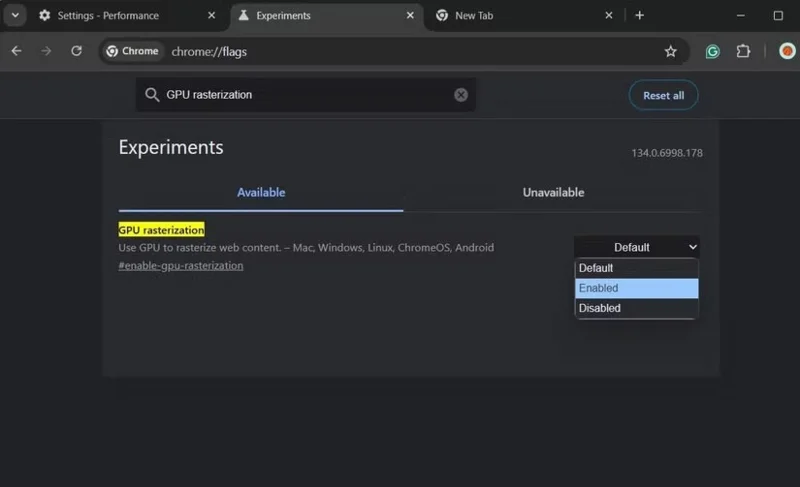
Rasterization is the process by which Chrome converts an image or vector object into pixels that can be displayed on screen. By default, Chrome relies on the CPU to handle this task. However, when GPU Rasterization is enabled, Chrome shifts this process to the graphics card , which is better equipped for such tasks.
This results in a faster rendering experience, especially noticeable when you launch Chrome. The GPU Rasterization option isn't available in Chrome's regular settings menu, but you can easily enable it via Chrome's hidden flags menu.
Unfortunately, Chrome Flags are not permanent settings. Sometimes they are removed without warning, while other times they are incorporated into Chrome’s actual settings. So you’ll have to pay attention to this.
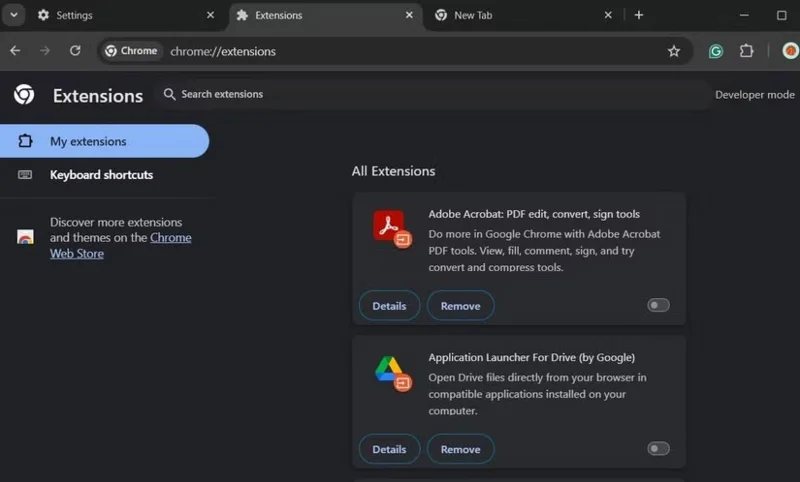
Every time you start Chrome, all extensions have to load and initialize, which takes time and resources. So while extensions are extremely useful, having too many extensions will significantly slow down Google Chrome's performance.
To avoid this, reduce the number of extensions you use in Chrome. Be careful to only choose extensions that you really need and use every day. This simple change has increased Chrome's startup speed, because fewer extensions mean fewer background processes running at startup.
Recently, many people started using AdGuard DNS to block ads, trackers, and malicious domains. However, immediately after setting it up, they noticed a significant delay before the first page loaded every time they launched Chrome.
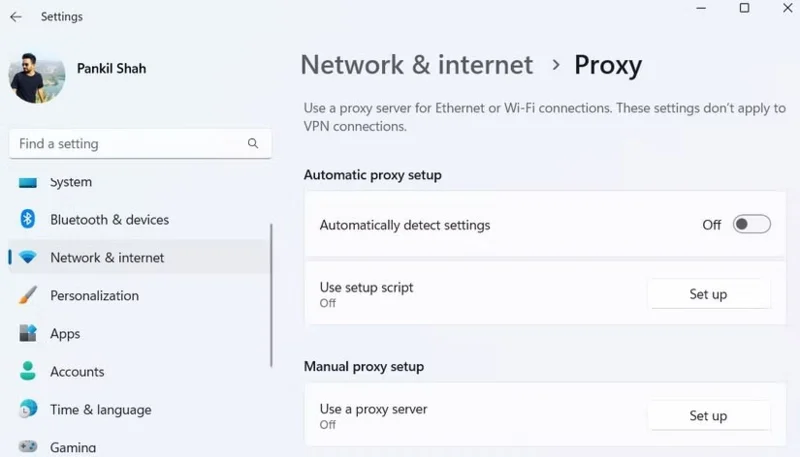
After some searching and testing, the culprit was found via a Reddit thread. It turned out that Automatic Proxy Detection was the main cause of the lag, and turning it off fixed the issue instantly. You can do the same by going to Settings > Network & Internet > Proxy and turning off the Automatically detect settings toggle .
A guide to NATO Articles 4 and 5, UN self-defense rules, and why consultation does not mean automatic European entry into war.
Assess claims about Iran in six steps, distinguishing uranium enrichment, weapons development and verified possession.
Understand nuclear decision authority in six steps, including US civilian control and the limits of public information about Israel.
A guide to official 2026 evidence on Hormuz shipping disruption, Iran-related claims, confirmed incidents, and what remains uncertain.
A source-based guide to nuclear escalation risks, UN Charter rules and NATO Article 5 in a strictly hypothetical Iran scenario.
Use five steps to prepare for an outage; nuclear and EMP scenarios are hypothetical, and official shelter instructions come first.
Use 5 defensive steps to verify a cyber disruption, protect household accounts, and avoid mistaking an outage for war.
Use these 5 steps to assess climate effects from a hypothetical Iran strike, compare model assumptions, and avoid unsupported predictions.
Explore six steps for reading research on climate, food and ecosystem recovery after a hypothetical nuclear conflict.
Build a practical fallout preparedness kit in six steps, with sealed food and water, a radio, medical supplies and shelter guidance.