Stop ownCloud File Lock Timeouts with the Right Backend
Distinguish database lock contention from expired WebDAV locks, then choose and configure the right ownCloud 10 fix.
How to play sound on multiple speakers and headphones at the same time when using MacBook ? Let's find out with Download.vn !
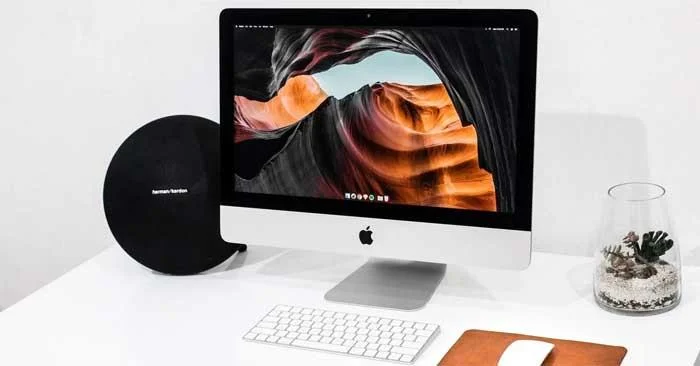
While you can easily switch between audio output devices in macOS, that's obviously not the way to use multiple speakers at the same time. In some situations, you may want to send audio from your Mac to more than one speaker. For example, it may not be possible to listen to music from a well-placed Bluetooth speaker around the house during a large gathering, or two people may want to use separate headphones to watch a movie.
Whatever your reason for wanting to spread sound to your surroundings, Apple has a way to help you. All thanks to one simple tool. Here's how to play audio through multiple speakers on Mac.
How to create a multi-output device on Mac
If you want to send audio to multiple AirPods , headphones, or speakers in macOS, you need to create a multi-output device in the Audio MIDI Setup app. The process is quite simple.
To play music across multiple devices on Mac, start by connecting all audio output devices to your Mac. Then, open the Audio MIDI Setup application . You can find the app in Applications > Utilities or search via Spotlight .
Now click the + button in the bottom left corner and select Create Multi-Output Device .
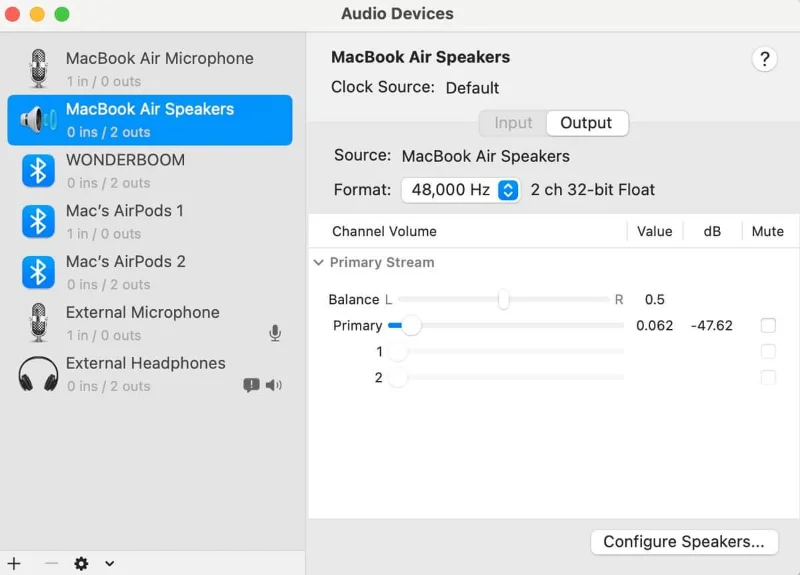
Check all the devices you want to add. If you don't see the device here, make sure it's successfully connected to your Mac.
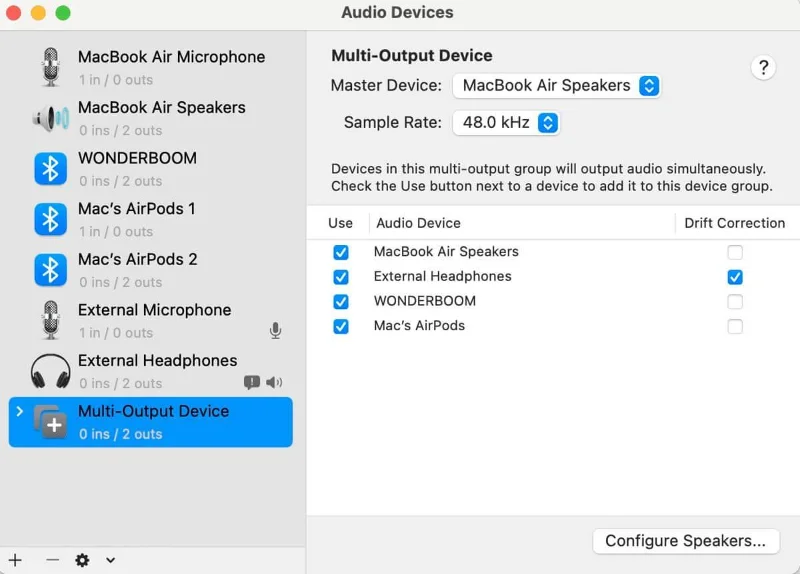
Finally, click the Sound icon in the menu bar or go to System Preferences > Sound > Output and select Multi-Output Device .
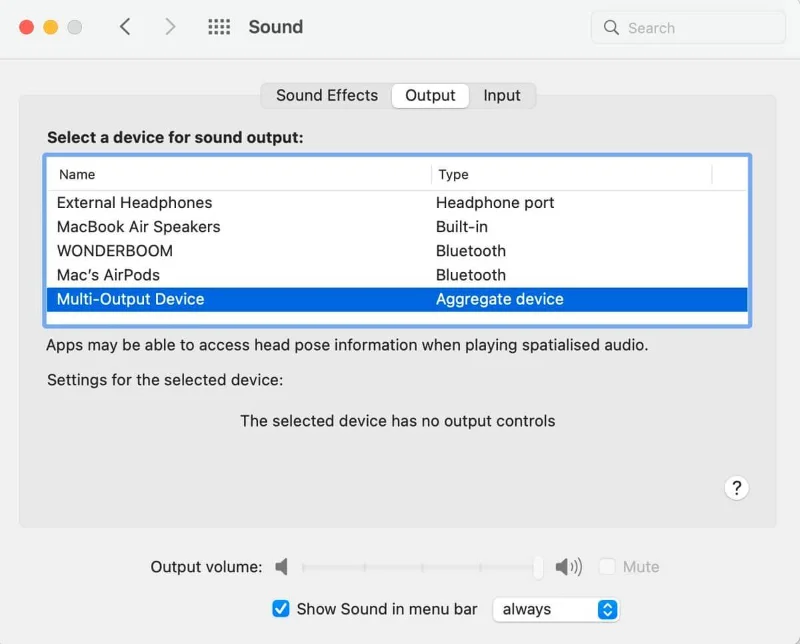
When you enable multi-output mode, you lose the ability to change volume using Mac buttons or standard operating system controls. However, when you select a device in the Audio MIDI Setup menu, you'll see a slider labeled Primary that can be used to adjust each volume. Additionally, you can use the volume controls available on the devices.
If you want to rename a multi-output device, you can do so by clicking the current name in the side menu and going to another option.
Audio MIDI Setup is a useful macOS tool
Some of macOS's most useful features are often hidden. If you don't dive into the settings or explore each built-in application, you probably don't know the full capabilities of this operating system.
App Audio MIDI Setup is extremely useful. It gives users more control over their audio devices and can also help fix stubborn audio errors. Hopefully the above guide helps you learn how to play music through multiple speakers and headphones when using macOS.
Distinguish database lock contention from expired WebDAV locks, then choose and configure the right ownCloud 10 fix.
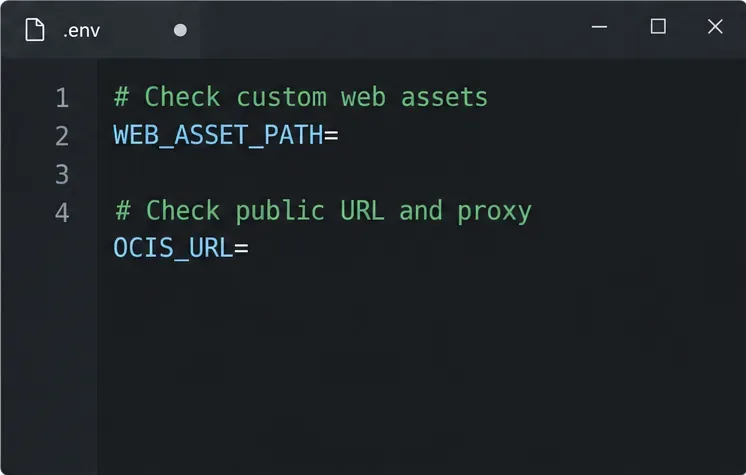
Trace a blank ownCloud Web screen to browser cache, missing web assets, service errors, or reverse-proxy URL settings with targeted checks.
Set ownCloud’s web PHP memory limit, restart the matching service, and verify the active value without confusing it with CLI settings or upload limits.
Find out whether MySQL, PHP, socket settings, or database permissions are blocking ownCloud 10, then verify a safe fix.
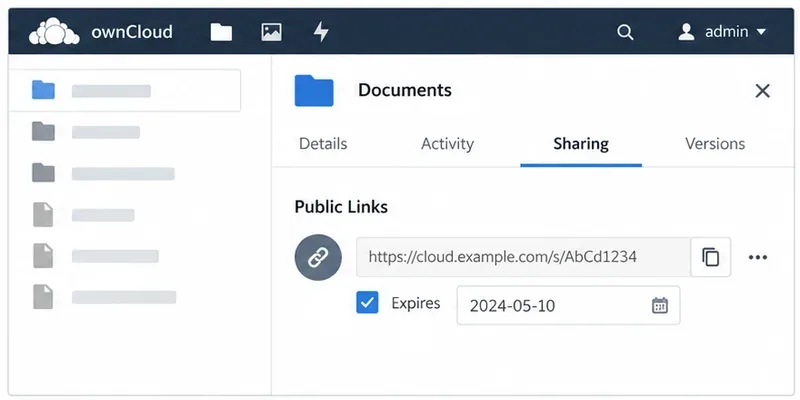
Make public link expiration mandatory in ownCloud Classic, set a maximum lifetime, and check existing shares that may need separate cleanup.
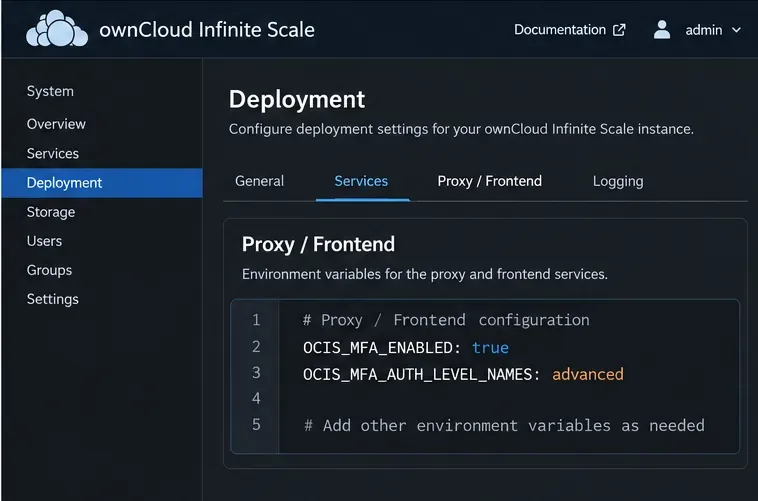
Enable TOTP through Keycloak, enroll users safely, and understand when Infinite Scale’s route-level MFA settings apply.
Check whether the issue is an OC10 and 7.x compatibility break or a damaged CSync journal, then apply the right fix without deleting synced files.
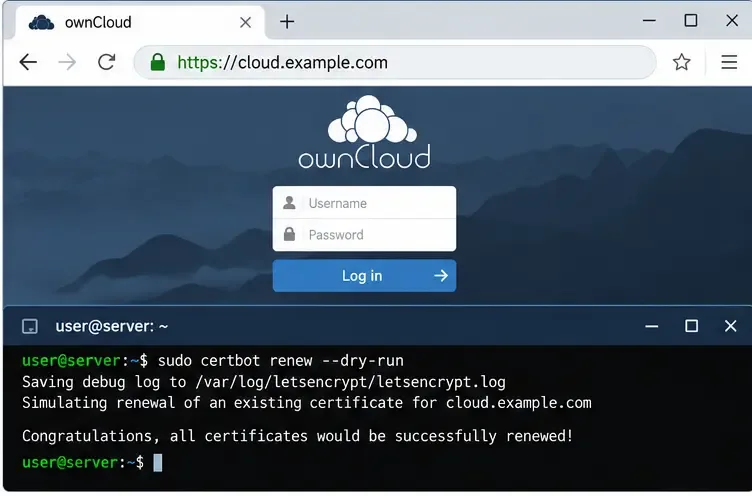
Choose HTTP-01 or DNS-01, configure an ownCloud reverse proxy, and verify Certbot renews HTTPS certificates automatically.
Configure oCIS LDAP sign-in, align user and group lookups, and verify TLS and schema settings before rollout.
Add an Amazon S3 bucket to ownCloud 10, prepare compatible credentials and endpoints, and check access without confusing a mount with primary storage.