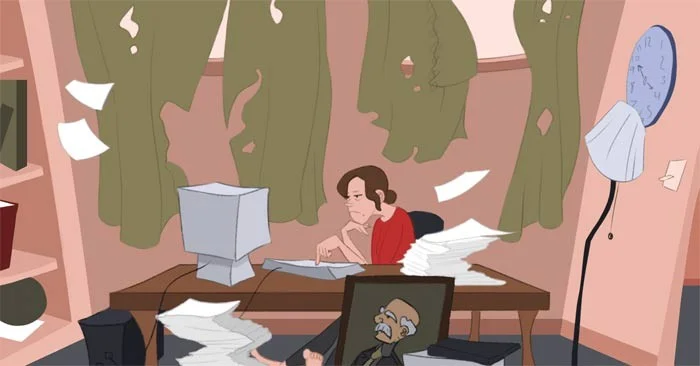
How to protect your mental and physical health when in a toxic environment

Dealing with toxic situations, whether at work, at social events, or within a group of friends, can be incredibly difficult. Negativity can drain your energy, affect your mental health, and even impact your productivity and relationships. The good news is that with the right strategies, you can manage these situations effectively. Here are some tips to help you handle toxic environments tactfully and maintain your peace of mind .

How to protect your mental and physical health when in a toxic environment

How to live well in a mentally "toxic" environment

Handling negative situations at work

  1. Identify the source: Recognizing the source of the toxicity is the first step to addressing it. It could be an individual, a group, or even a pervasive office culture. Is it a negative co-worker, a difficult boss, or a lack of clear communication?
  2. Set boundaries: Set clear boundaries to protect your emotional health. If a co-worker is consistently negative or intrusive, politely but firmly set limits on your interactions with them. Avoid discussing personal issues and focus on professional topics.
  3. Document Everything: In a toxic work environment, documenting interactions can be crucial. Keep detailed notes of problematic incidents, especially if they involve unprofessional behavior or unfair treatment. This documentation can be valuable if you need to escalate the issue to human resources or higher management.
  4. Seek support: Don’t hesitate to seek support from trusted colleagues or mentors. Sometimes, discussing your experience with someone knowledgeable can provide clarity and advice. If the situation doesn’t improve, consider talking to your human resources department for formal resolution.
  5. Focus on self-care: Maintaining your mental health is paramount. Engage in activities that reduce stress and promote well-being, such as exercise, meditation, or hobbies. A healthy work-life balance can help you cope with the toxicity you may experience at work.

How to protect your mental and physical health when in a toxic environment

Handling negative situations at social gatherings

  1. Stay Calm and composed: At social events, toxic behavior can come in the form of confrontations or passive-aggressive comments. When faced with such situations, stay calm and composed. Reacting emotionally can escalate the situation, while a measured approach helps you manage it better.
  2. Use active listening skills: Sometimes people act out because they feel unheard or misunderstood. Practice active listening skills—showing genuine interest in their point of view without necessarily agreeing with them. This can defuse tension and create a more positive atmosphere.
  3. Redirect the conversation: If a discussion becomes toxic, try to redirect it to more neutral or positive topics. This change can help de-escalate the conflict and maintain a pleasant environment for everyone.
  4. Limit exposure: If certain individuals consistently bring negativity to social gatherings, consider limiting your interactions with them. You can excuse yourself from conversations or even leave early if the environment becomes too unpleasant.
  5. Practice assertiveness: Assertiveness involves expressing your thoughts and feelings openly and respectfully. If someone's behavior is out of line, let them know how it affects you and set clear boundaries. Assertiveness can often prevent misunderstandings and reduce conflict.

How to protect your mental and physical health when in a toxic environment

Handling negative situations with friends

  1. Address the issue directly: If a friend's behavior becomes "toxic," address the issue directly and honestly. Use "I" statements to describe how their actions affect you, such as " I feel hurt when you do that ." This approach is less likely to cause defensiveness and opens up a more open dialogue.
  2. Re-evaluate the relationship: Not all friendships are meant to last forever. If you have tried to work things out multiple times without any improvement, it may be time to re-evaluate the value of the relationship. You may want to distance yourself from friends who are constantly bringing negativity into your life.
  3. Set clear boundaries: Similar to managing negative work situations, setting boundaries with friends is important. Identify what behaviors are unacceptable and communicate these boundaries clearly. Healthy friendships must respect these limits.
  4. Seek out new connections: Expand your social circle to include positive, supportive individuals. Being around kind and encouraging people can create a more balanced and enriching social life.
  5. Focus on the positive: Emphasize positive interactions and experiences. Celebrate successes, share upbeat stories, and engage in activities that foster joy and connection. Fostering a positive environment can balance out any negativity you may encounter.

In short:

Coping with toxic situations requires a combination of self-awareness, clear communication, and emotional resilience. Whether you are facing challenges at work, in social settings, or in friendships, these strategies can help you navigate and manage negativity effectively. Remember, protecting your mental and emotional health is essential, and you can prioritize your health in these situations.

Leave a Comment

Couples Costume Ideas for 2026: Iconic Pairs and Clever Tropes

Couples Costume Ideas for 2026: Iconic Pairs and Clever Tropes

Find a couples costume that fits your style, budget, and comfort level, from Addams Family classics to original inside-joke duos.

Last-Minute High School Halloween Costumes That Take 5 Minutes

Last-Minute High School Halloween Costumes That Take 5 Minutes

Need a last-minute high school Halloween costume? Compare 10 easy closet-based ideas by prep time, comfort, school-day practicality, and simple safety checks.

When to Start Decorating for Halloween in 2026

When to Start Decorating for Halloween in 2026

Use a simple 2026 Halloween decorating timeline for indoor décor, outdoor displays, and fresh pumpkins, with practical adjustments for weather and events.

5 Halloween Cocktails That Are Easy to Serve at Your 2026 Bash

5 Halloween Cocktails That Are Easy to Serve at Your 2026 Bash

Mix five vivid, approachable Halloween cocktails with measured recipes, simple prep tips, and an alcohol-free option for your party guests.

15 HR-Approved Office Halloween Costumes for 2026

15 HR-Approved Office Halloween Costumes for 2026

Find 15 office-friendly Halloween costume ideas for 2026, with practical checks for dress codes, respectful themes, comfort, and workplace safety.

Spooky but Sweet: Halloween Party Ideas for Elementary Schools

Spooky but Sweet: Halloween Party Ideas for Elementary Schools

Plan a fun elementary school Halloween party with easy crafts, games, inclusive treats, costume tips, and a sample 75-minute classroom schedule.

Side Hustles That Actually Pay in 2026: 7 Realistic Options and the Tradeoffs to Know

Side Hustles That Actually Pay in 2026: 7 Realistic Options and the Tradeoffs to Know

Compare realistic side hustles for 2026 by startup cost, fees, flexibility, and income control, with current tax and scam guidance from official sources.

Remote Work Ergonomics in 2026: Upgrade Your Home Office Without Overbuying

Remote Work Ergonomics in 2026: Upgrade Your Home Office Without Overbuying

Upgrade your home office ergonomics with current OSHA and NIOSH guidance on chair fit, monitor height, laptop setup, lighting, and movement.

Why Emotional Intelligence Matters in Leadership—and How to Build It

Why Emotional Intelligence Matters in Leadership—and How to Build It

Learn why emotional intelligence matters in leadership, where it helps most, how to strengthen it, and how to tell whether your approach is working.

How to Transition to a Tech Career Without a Degree: A Results-First Roadmap for 2026

How to Transition to a Tech Career Without a Degree: A Results-First Roadmap for 2026

A practical roadmap for moving into tech without a degree: choose an accessible role, build job-ready skills, prove them with projects, and use hiring feedback to improve.