Pop Culture Costume Ideas That Will Dominate Halloween 2026

Plan a recognizable Halloween 2026 look with pop culture costumes inspired by Spider-Man, Supergirl, Toy Story 5, Moana, Mario, and Wednesday.
Snapping apps to your Windows 11 desktop gives you quick access to any important files and tools you use frequently. Shortcuts are useful little icons you can place on your desktop to eliminate the need to open folders on your computer over and over again to launch an app.
Also, some third-party apps don’t integrate well with the Start menu and you won’t be able to find them even in Windows search. In such cases, you’ll need to create shortcuts on your desktop for quick access.
If you are used to Windows 10 or older versions, you may have difficulty placing applications on the desktop in the new Windows 11 interface. The following article will show you how to add applications or icons to the desktop in Windows 11 .
Add application shortcuts to Windows 11 desktop
There are several ways you can create or add app shortcuts to your desktop in Windows 11.
The easiest and simplest way to add an application shortcut to the desktop in Windows 11 is to drag and drop the application from the Windows Start menu. Follow these steps to add an application icon to the desktop:
First, click the Start button on the taskbar to open the Start menu. Then, click the All apps button in the upper-right corner of the Start menu.
In All apps , locate the app you want to create a shortcut for on your desktop. Now, click on the app and drag it to the desktop.
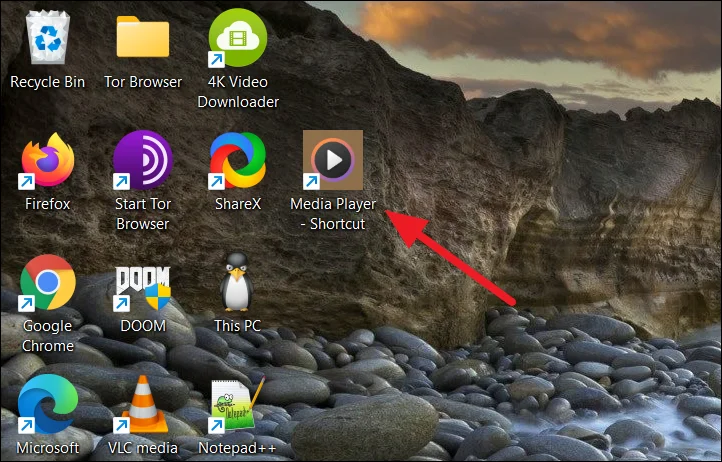
Now the application shortcut will appear on the desktop.
When you install a third-party app from any source other than the Windows Store, it is created in the Windows Start-up folder. You can create desktop shortcuts from here. Follow these instructions to create shortcuts from the Start-up folder:
To get started, click the Start button on the taskbar. Then, search for the app you want to add to your Windows 11 desktop, right-click it on Best match , and select Open file location . For example, I'm looking for Notepad++ here.
Alternatively, you can also click All apps in the top right corner.
Now, from the list of applications, find the application for which you want to create a shortcut on the desktop. Then, right-click on the application, expand More and select Open file location from the submenu.
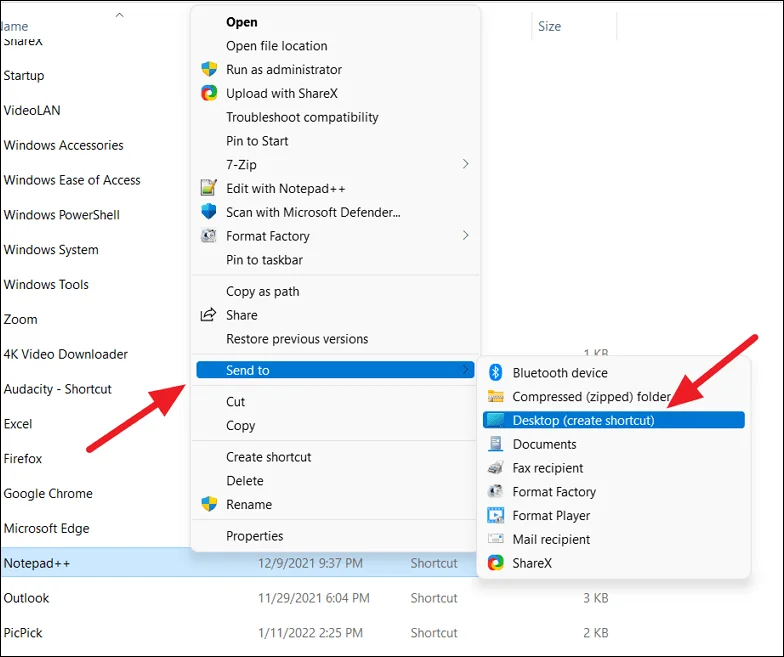
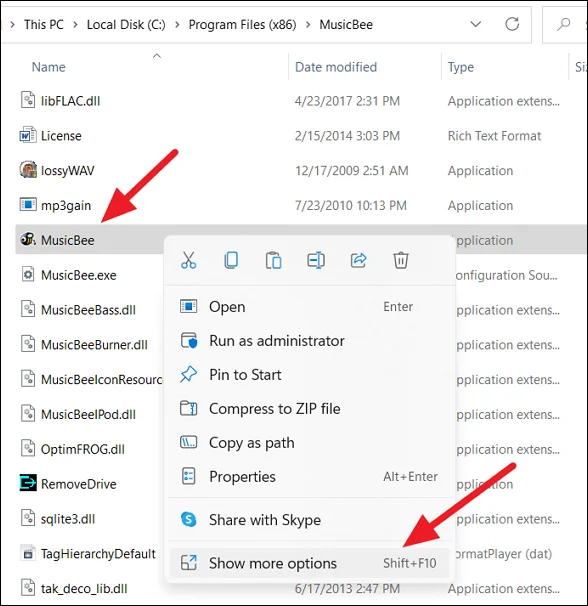
This will open the Start Menu folder. Now right-click on the program icon and select Show more options to expand the classic context menu.
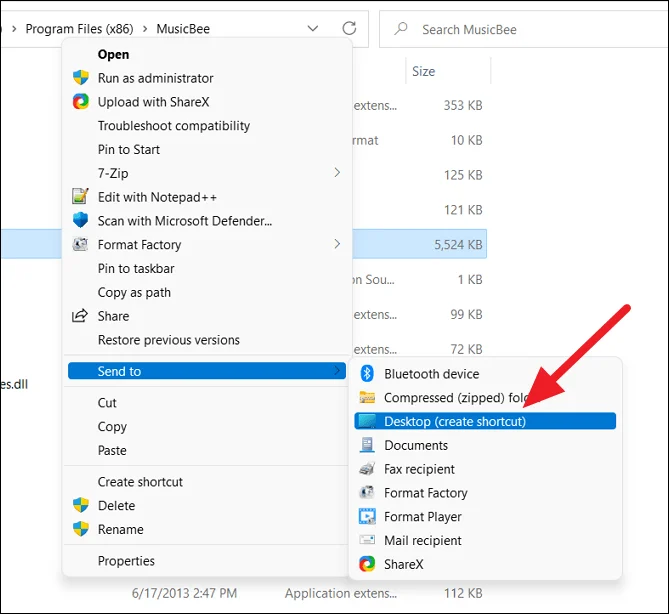
Now you will see the old classic context menu. Here, click Send to and then select Desktop (create shortcut ) from the submenu. You can also click the Copy button in the new context menu or press Ctrl + C to copy the file and paste it to the desktop.
This will add the selected application icon (shortcut) to your Windows 11 desktop.
The above methods can help you create shortcuts for third-party apps, but not for Windows Store programs or built-in Windows apps. This third method will help you create shortcuts for both third-party apps and Windows Store programs. Here’s how you do it:
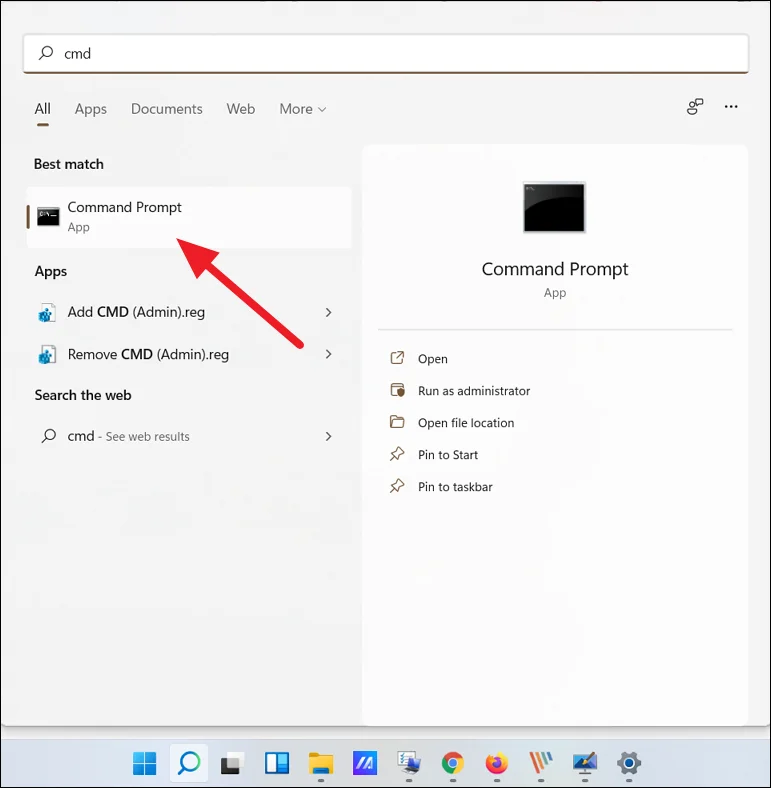
Open Windows search, type CMD and click Command Prompt from the search results. Alternatively, press Win + R then type CMD and press Enter to open Command Prompt .
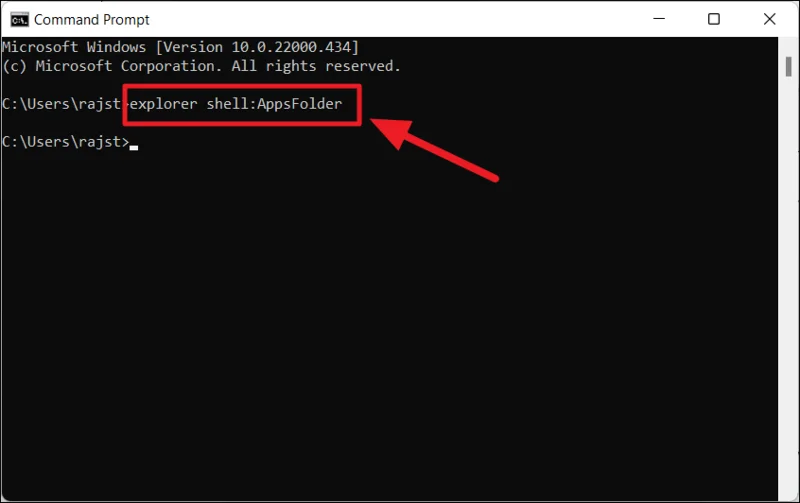
In Command Prompt, type the following command and press Enter to run it:
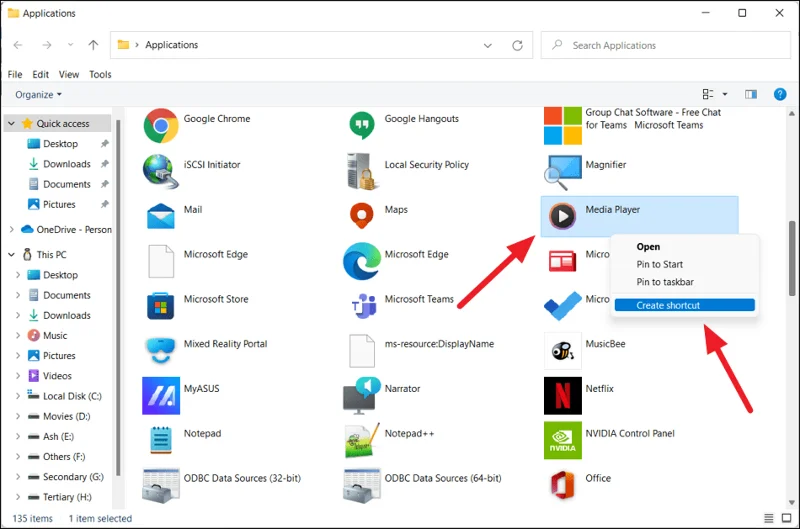
explorer shell:AppsFolderThis will open the Applications folder, where you can find all your pre-loaded Windows apps, Windows Store apps, and third-party programs. Now, find the app for which you want to create a desktop shortcut. Then, right-click on the app and select the Create shortcut option.
Now click Yes to go to the shortcut confirmation window.
Now your shortcut will appear on your Windows 11 desktop.
However, for some apps like portable apps, test apps, or other apps, you cannot create a shortcut using any of the above methods. For those apps, you have to add the app to the desktop from the installation folder.
First, navigate to the folder where the app is installed or stored (for portable apps), right-click on the app (.exe) and select Show more options .
Then, select Send to and click the Desktop (create shortcut) option . By default, most applications are installed in the Program Files or Program Files (x86) folder in the C drive. You can find your applications there.
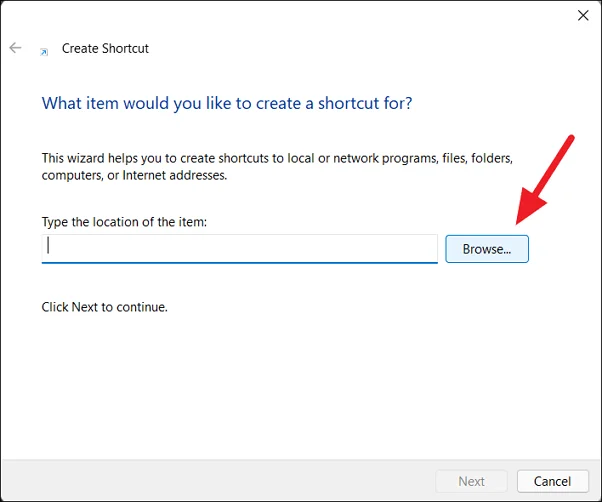
Alternatively, you can right-click an empty area on your desktop, click New and select Shortcut.
In the Create Shortcut dialog box , click the Browse button.
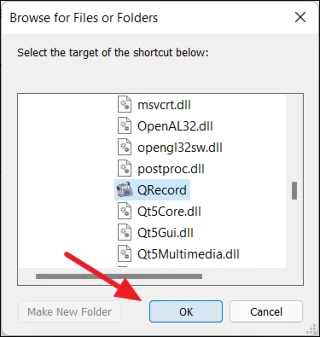
Then navigate to your software installation location and select the application (.exe file) and click OK.
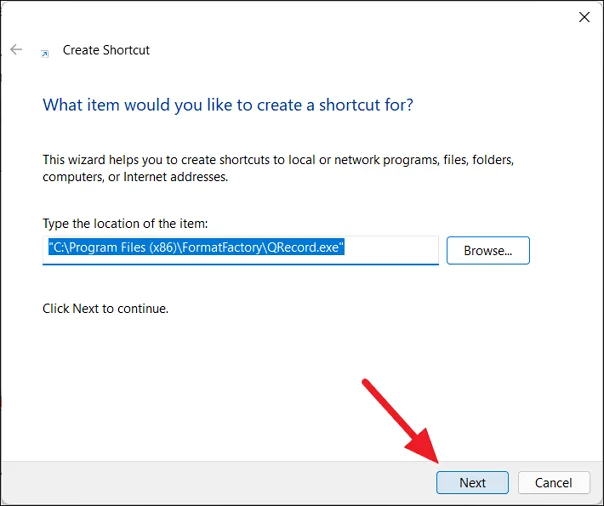
Then click the Next button to continue.
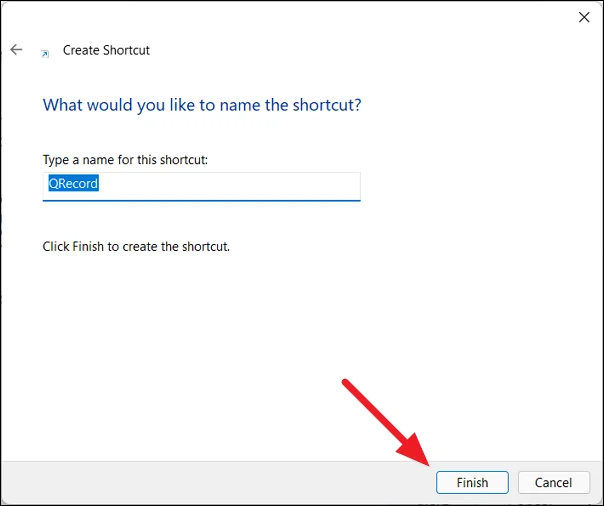
Next, you can rename the shortcut to your desired name or leave the default name and click Finish.
Your new shortcut is now available on your desktop for use.
Plan a recognizable Halloween 2026 look with pop culture costumes inspired by Spider-Man, Supergirl, Toy Story 5, Moana, Mario, and Wednesday.
Sort leftover Halloween candy safely, share or repurpose sealed treats, and choose food use or compost for pumpkins based on their condition.
Compare workplace Halloween costume choices by respect, dress code, mobility, and safety—and learn when a subtle accessory or a policy check is the better option.
Find a couples costume that fits your style, budget, and comfort level, from Addams Family classics to original inside-joke duos.
Need a last-minute high school Halloween costume? Compare 10 easy closet-based ideas by prep time, comfort, school-day practicality, and simple safety checks.
Use a simple 2026 Halloween decorating timeline for indoor décor, outdoor displays, and fresh pumpkins, with practical adjustments for weather and events.
Mix five vivid, approachable Halloween cocktails with measured recipes, simple prep tips, and an alcohol-free option for your party guests.
Find 15 office-friendly Halloween costume ideas for 2026, with practical checks for dress codes, respectful themes, comfort, and workplace safety.
Plan a fun elementary school Halloween party with easy crafts, games, inclusive treats, costume tips, and a sample 75-minute classroom schedule.
Compare realistic side hustles for 2026 by startup cost, fees, flexibility, and income control, with current tax and scam guidance from official sources.