Would Europe Be Drawn into a Hypothetical U.S.-Israel-Iran Nuclear War? NATO Rules Explained

A guide to NATO Articles 4 and 5, UN self-defense rules, and why consultation does not mean automatic European entry into war.
In this article, we will guide you how to regain access to your hard drive when it fails.
How to regain access to hard drive
When you connect a previously used drive to a new or different computer, either as an external drive or an internal drive, you will not have access to that drive. When you try to view, add, or delete files on that drive, you will receive an error message: " E:\ is not accessible. Access is denied ". The message on your drive may be different, but don't worry, there is a solution.
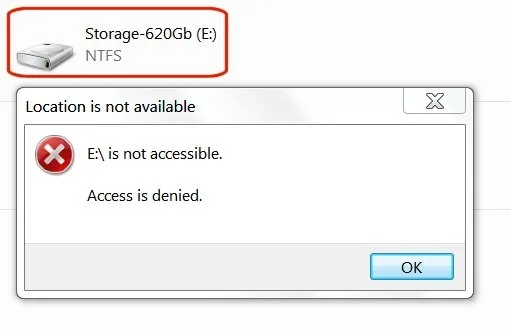
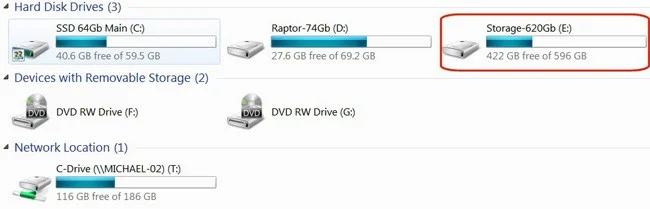
In Windows 7, when you look at your drives in Windows Explorer, one of the drives you just added won't report any data about its size or free space.
This problem is fixed quite simply with a two-step process. First, you need to take back ownership of the hard drive, then give yourself permission as the new owner.
Note : Do not try this on the C:\ drive (boot drive), as it will change the system and force you to reinstall Windows.
1. Regain ownership
In Windows Explorer, right-click the drive you want to take ownership of, and then select Properties from the drop-down menu.
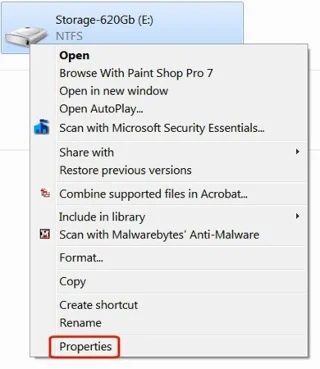
Click the Security tab .
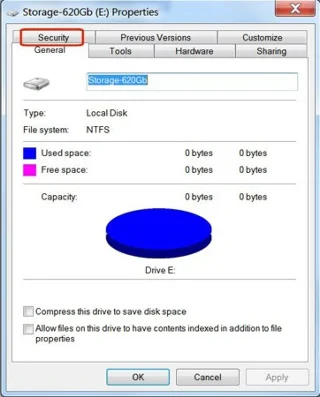
Click the Advanced button .
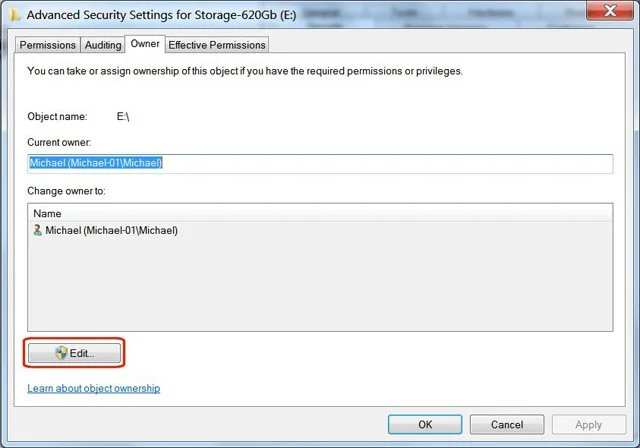
Click the Owner tab in Advanced Security Settings .
Click the Edit button.
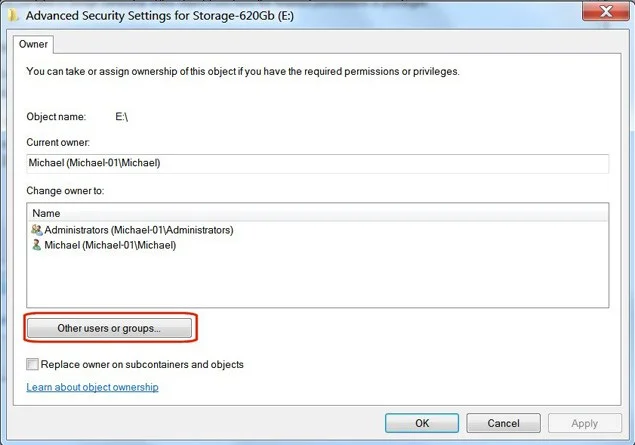
Click the Other users or groups button.
In the “ Object Types " section, uncheck all boxes except Users, then click OK .
Click the Advanced button.
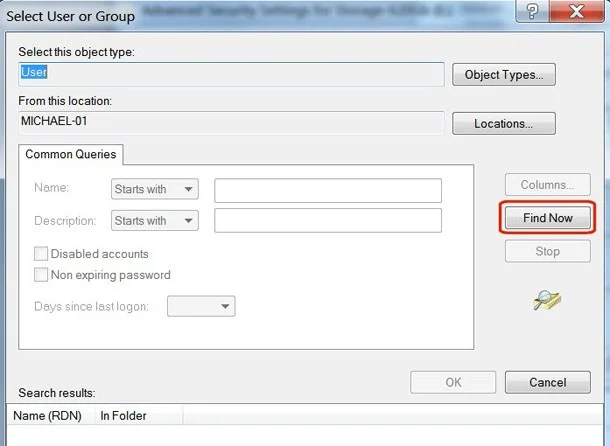
Click the Find Now button.
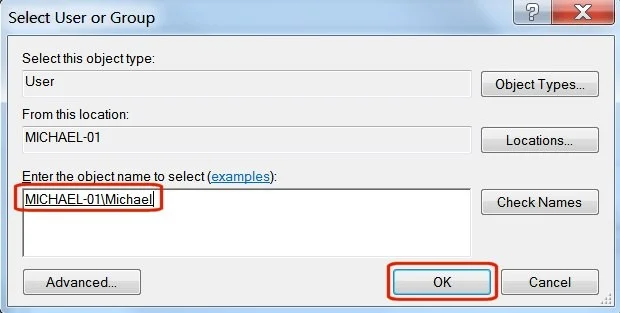
In the Search Results section , click the user name that you use to log in to Windows, and then click OK.
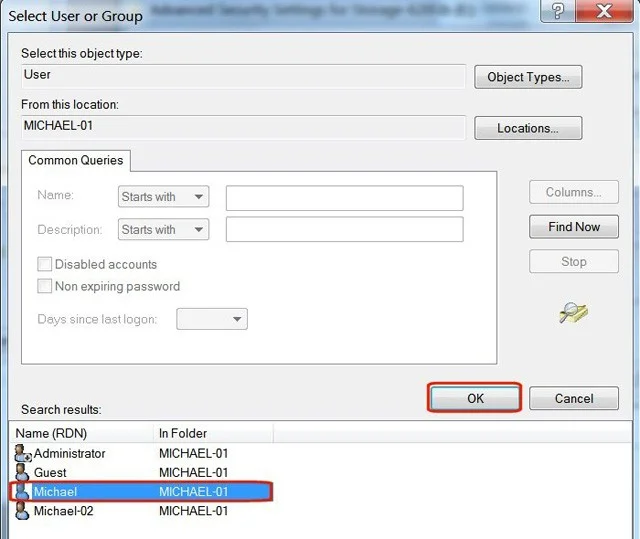
Verify the correct username in the object window and click OK.
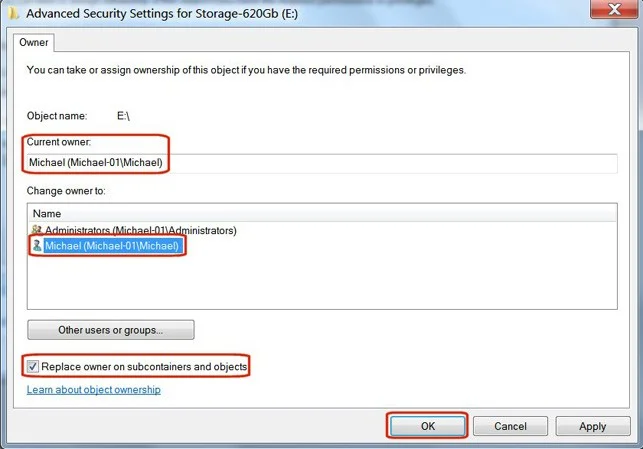
Check the box next to Replace owner on subcontainters and objects .
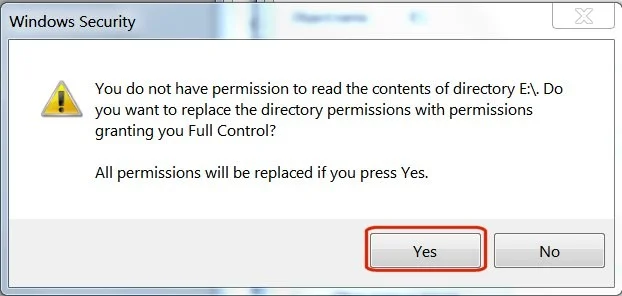
You will see a warning message " All permissions will be replaced… ". This is normal. Click Yes .
A status window appears, notifying you that file permissions have changed.
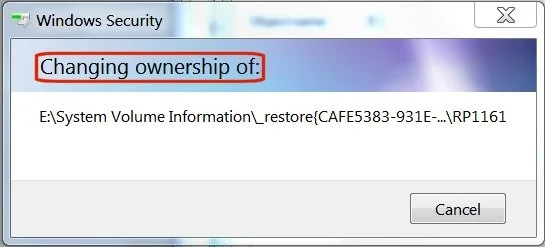
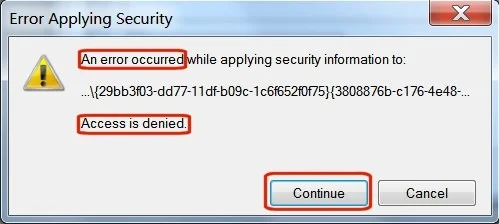
If you see an “ Access is denied ” error message , that’s okay. That message is just referring to a specific system file that is in use. You don’t need to access it. Just press the Continue button.
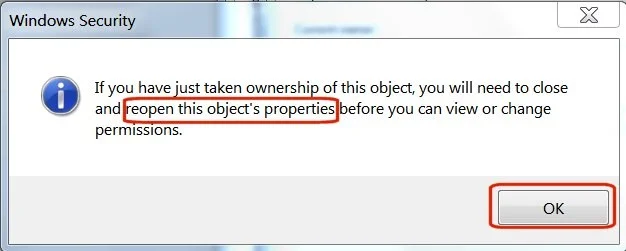
Click OK on the final message in the Windows Security window.
By doing the above steps, you have successfully regained ownership of your hard drive.
2. Grant access
In Windows Explorer, right-click the drive you just took back ownership of, then select Properties from the drop-down menu.
Under Properties, select the Security tab . You'll see your username in the Group or user names window . Click the username to highlight it, then click the Edit button .
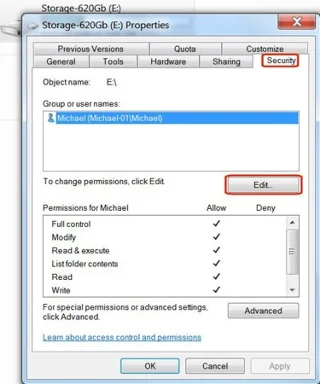
In the Allow column , check the Full control box , and then click the OK button .
The hard drive will appear in Windows Explorer with information about its size and free space. You can click on it, view its folders, and then add, delete, or modify files as needed.
With a few simple steps, you can regain access to your hard drive. If you encounter a similar error, don't forget to use this method!
Good luck!
A guide to NATO Articles 4 and 5, UN self-defense rules, and why consultation does not mean automatic European entry into war.
Assess claims about Iran in six steps, distinguishing uranium enrichment, weapons development and verified possession.
Understand nuclear decision authority in six steps, including US civilian control and the limits of public information about Israel.
A guide to official 2026 evidence on Hormuz shipping disruption, Iran-related claims, confirmed incidents, and what remains uncertain.
A source-based guide to nuclear escalation risks, UN Charter rules and NATO Article 5 in a strictly hypothetical Iran scenario.
Use five steps to prepare for an outage; nuclear and EMP scenarios are hypothetical, and official shelter instructions come first.
Use 5 defensive steps to verify a cyber disruption, protect household accounts, and avoid mistaking an outage for war.
Use these 5 steps to assess climate effects from a hypothetical Iran strike, compare model assumptions, and avoid unsupported predictions.
Explore six steps for reading research on climate, food and ecosystem recovery after a hypothetical nuclear conflict.
Build a practical fallout preparedness kit in six steps, with sealed food and water, a radio, medical supplies and shelter guidance.