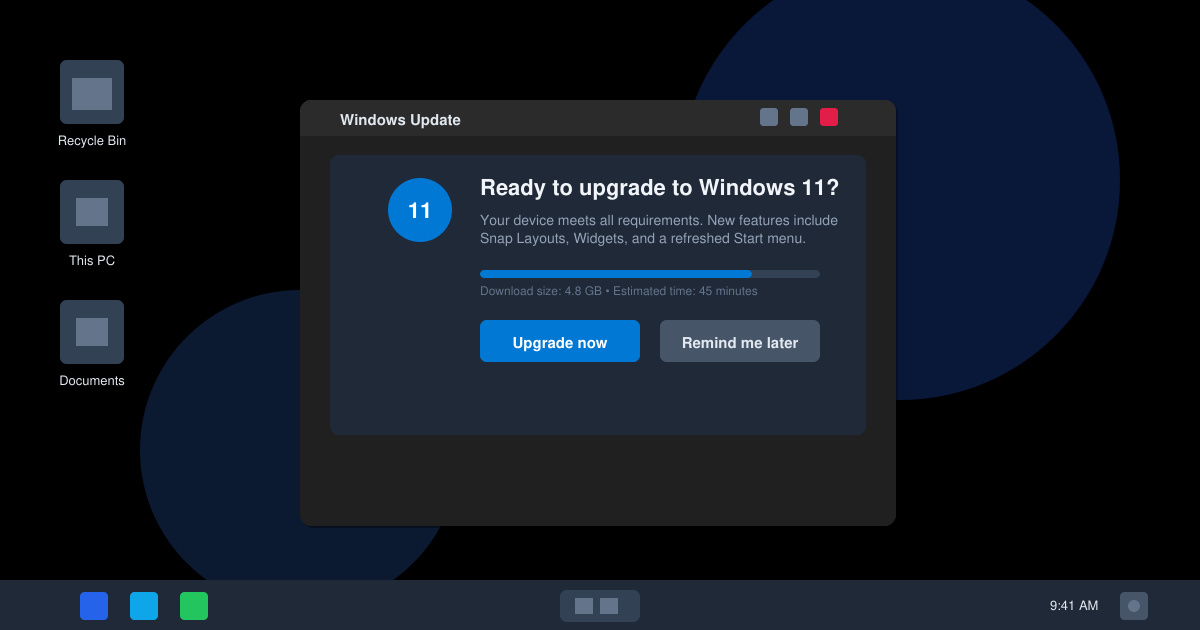
Imagine this: You're excited for the latest Windows 11 features, but updates keep failing with cryptic error codes. Frustrating, right? 😩 Don't worry—corrupted Windows 11 update components are a common hiccup, often caused by damaged files, network glitches, or software conflicts. The good news? You can fix them without calling in the pros. In this guide, we'll walk you through straightforward, effective methods to repair corrupted Windows 11 update components, restoring your system's health and keeping you up-to-date. Let's dive in and get your PC back on track!
Understanding Corrupted Windows 11 Update Components
At the heart of Windows 11 updates is the Windows Update service, which handles downloading and installing patches, security fixes, and new features. When components like the update cache, delivery optimization files, or the BITS (Background Intelligent Transfer Service) get corrupted, updates stall. Symptoms include error codes like 0x80070002, endless "checking for updates" loops, or outright failures.
Why does this happen? It could be a sudden power loss during an update, malware interference, or even a faulty driver. But fear not—these issues are fixable with built-in tools and a bit of patience. By the end of this article, you'll have a smooth-updating Windows 11 machine, ready for the newest enhancements. Ready to start? Let's troubleshoot step by step.
Step 1: Run the Built-in Windows Update Troubleshooter
The easiest first line of defense is Microsoft's own Windows Update Troubleshooter. It's like a diagnostic wizard that scans for and auto-fixes common corrupted Windows 11 update components. Here's how to launch it:
- 🔧 Press Windows key + I to open Settings.
- Navigate to System > Troubleshoot > Other troubleshooters.
- Find Windows Update and click Run.
- Follow the on-screen prompts—it'll detect issues and suggest repairs.
This tool often resolves minor corruptions without further ado. If it reports "Potential problems found" and fixes them, restart your PC and check for updates again. Success rate? High for simple glitches, leaving you with a sigh of relief! 🚀 If it doesn't cut it, move to the next step.
Step 2: Reset Windows Update Components Manually
For deeper issues, resetting the Windows Update components clears out corrupted files and restarts services fresh. This method stops and restarts key services, then flushes the update cache. It's a bit more hands-on but incredibly effective.
Important: You'll need admin privileges. Close all apps and ensure you're connected to the internet.
- Right-click the Start button and select Terminal (Admin) or Command Prompt (Admin).
- Copy and paste these commands one by one, pressing Enter after each (they'll take a minute or two):
| Command |
Purpose |
| net stop wuauserv |
Stops Windows Update service |
| net stop cryptSvc |
Stops Cryptographic Services |
| net stop bits |
Stops Background Intelligent Transfer Service |
| net stop msiserver |
Stops Windows Installer |
| ren C:\Windows\SoftwareDistribution SoftwareDistribution.old |
Renames the update cache folder |
| ren C:\Windows\System32\catroot2 Catroot2.old |
Renames the catroot folder |
| net start wuauserv |
Restarts Windows Update |
| net start cryptSvc |
Restarts Cryptographic Services |
| net start bits |
Restarts BITS |
| net start msiserver |
Restarts Windows Installer |
After running these, reboot your PC. Windows will rebuild the folders automatically. Head back to Settings > Windows Update to scan anew. Many users report this as a game-changer for stubborn corrupted update components. Pat yourself on the back—you're making progress! 👏
![Command Prompt window running Windows Update reset commands]()
Step 3: Use the System File Checker (SFC) and DISM Tools
If resets don't fully resolve the corruption, turn to SFC /scannow and DISM. These Microsoft utilities scan and repair core system files that might be tying up your updates.
- Open Command Prompt as Administrator again.
- First, run: DISM /Online /Cleanup-Image /RestoreHealth. This grabs fresh files from Windows Update servers (needs internet) and can take 10-30 minutes.
- Once done, run: sfc /scannow. It checks for and replaces corrupted system files.
- Restart and test updates.
Pro tip: If DISM fails due to update issues, create Windows 11 installation media on a USB and point DISM to it with /Source parameter for offline repairs. This duo tackles even the trickiest Windows 11 update corruptions, ensuring your system is rock-solid.
Step 4: Additional Fixes for Persistent Problems
Sometimes, corrupted Windows 11 update components stem from external factors. Here are targeted solutions:
- Clear Temporary Files: Go to Settings > System > Storage > Temporary files, and delete what's safe. This frees up space and removes junk that clogs updates.
- Disable Third-Party Antivirus Temporarily: Security software can interfere—pause it during updates, then re-enable.
- Check Disk for Errors: Run chkdsk C: /f /r in admin Command Prompt (schedule for next restart). Bad sectors can corrupt files.
- Update Drivers: Use Device Manager to update key drivers, especially network ones, as outdated ones block downloads.
For error code specifics, like 0x800f081f, search Microsoft's support site. If you're on a metered connection, switch to unlimited to avoid throttling.
![Windows 11 Settings menu for troubleshooting updates]()
Preventing Future Corruptions: Best Practices
Now that you've repaired your Windows 11 update components, let's keep them that way. Schedule regular maintenance:
- ⭐ Enable automatic updates in Settings > Windows Update > Advanced options.
- Keep at least 20GB free on your C: drive.
- Avoid interrupting updates—use your laptop plugged in.
- Run monthly scans with Windows Security to nix malware.
These habits ensure seamless Windows 11 experiences, so you can focus on what matters: enjoying your PC without the headaches.
When to Seek Professional Help
If all else fails—say, repeated crashes or hardware suspicions—consider a clean install via Microsoft's Windows 11 download page. Back up data first! For hardware woes, a tech repair shop is your friend. But most cases? These steps will have you sorted.
Congratulations—you've conquered corrupted Windows 11 update components! Your system should now update flawlessly, bringing the latest security and features. If this guide helped, share it with a friend facing the same issue. Happy computing! 🎉