Stop ownCloud File Lock Timeouts with the Right Backend
Distinguish database lock contention from expired WebDAV locks, then choose and configure the right ownCloud 10 fix.
Self-canceling shared links on Google Drive is one of the effective and useful ways to use Google Drive that users do not know. This will help us not only secure the data but also to avoid unnecessary inconveniences.
Google Drive is one of the most commonly used online storage services today. Sharing data on this tool is also a Google Drive trick , which is how many users choose to work daily.
Download Google Drive for Android
Download Google Drive for computers
Step 1: Log in to your Google Drive account.

Step 2: Open another tab and access this link , click Review Permisions.

Step 3: A notification window appears, left-click on Allow - Allow.

Step 4: A new interface appears, you follow the steps shown on it. The first is to go to Open Drive to select a document, file to share with others.

Select the data to share with others and then click Open to send.

Step 5: Now you will get to the details of the setup, including setting permissions for the people in the group, which you share this data (who can see, who is allowed to edit). Also in the Set Expiration section , select the two arrow icons below to determine the time allowed for your data to exist. Time ranges from a few hours to months or years.

For example, only this data is allowed to "live" within 7 hours of submission
After selecting the time, just left click on Set Expiration to send the data you have just set. At this point a short information will appear for you to look back last.
You can click on Cancel (red) to cancel the sending process.

Step 6: Check your email address (if you are the recipient).

Click Open to use. The data shared with this setup is still completely normal and can perform any operation without any difficulties. However, after the installation period has expired, the file will automatically "lock" and will no longer be available for use.

If you want your data to be used in a limited way and to avoid long-term problems, then determining the lifetime of Google Drive data is one of the best ways to use it. This online hosting service most effectively.
I wish you successful implementation!
Distinguish database lock contention from expired WebDAV locks, then choose and configure the right ownCloud 10 fix.
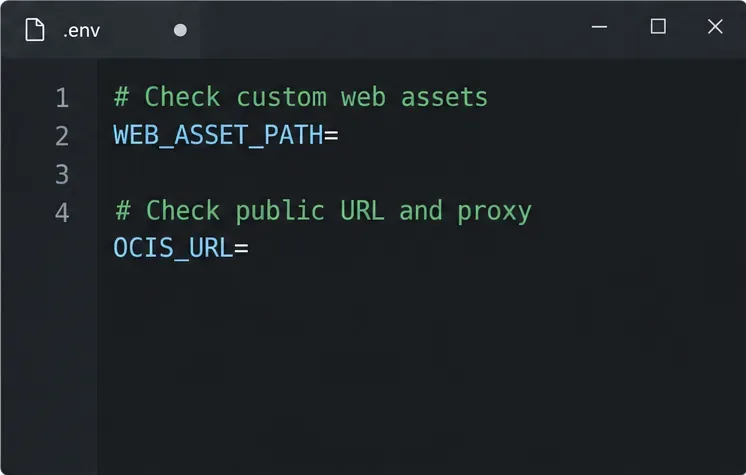
Trace a blank ownCloud Web screen to browser cache, missing web assets, service errors, or reverse-proxy URL settings with targeted checks.
Set ownCloud’s web PHP memory limit, restart the matching service, and verify the active value without confusing it with CLI settings or upload limits.
Find out whether MySQL, PHP, socket settings, or database permissions are blocking ownCloud 10, then verify a safe fix.
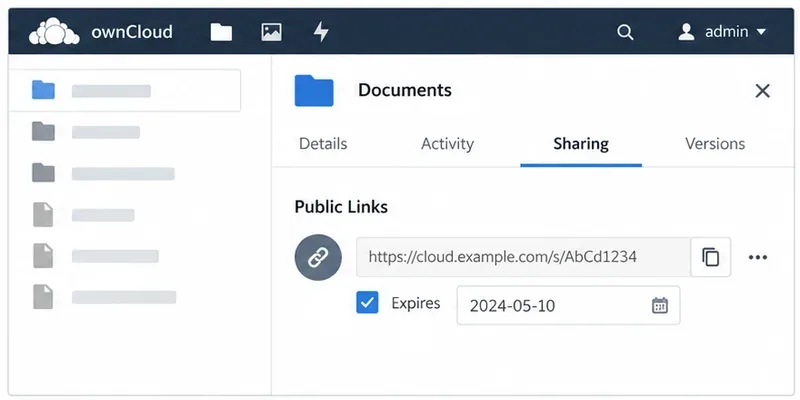
Make public link expiration mandatory in ownCloud Classic, set a maximum lifetime, and check existing shares that may need separate cleanup.
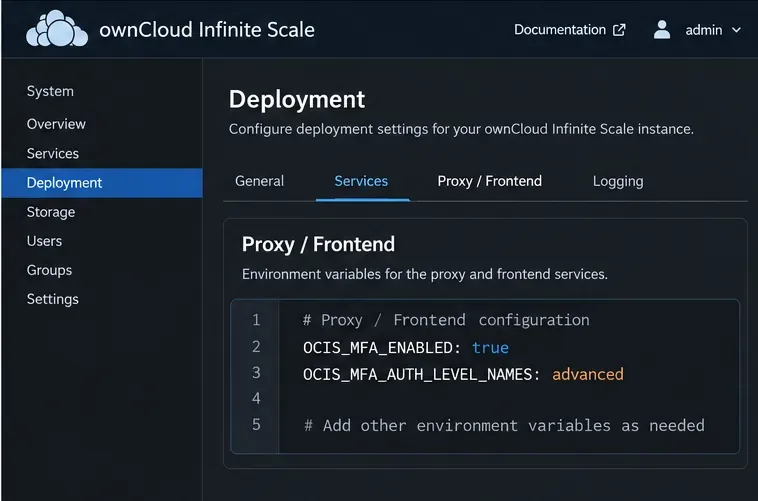
Enable TOTP through Keycloak, enroll users safely, and understand when Infinite Scale’s route-level MFA settings apply.
Check whether the issue is an OC10 and 7.x compatibility break or a damaged CSync journal, then apply the right fix without deleting synced files.
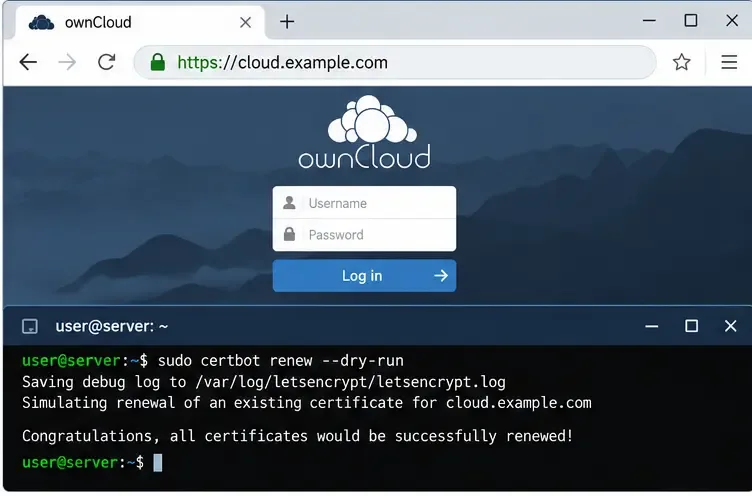
Choose HTTP-01 or DNS-01, configure an ownCloud reverse proxy, and verify Certbot renews HTTPS certificates automatically.
Configure oCIS LDAP sign-in, align user and group lookups, and verify TLS and schema settings before rollout.
Add an Amazon S3 bucket to ownCloud 10, prepare compatible credentials and endpoints, and check access without confusing a mount with primary storage.