When to Start Decorating for Halloween in 2026

Use a simple 2026 Halloween decorating timeline for indoor décor, outdoor displays, and fresh pumpkins, with practical adjustments for weather and events.
What to do if your feet get blisters from wearing shoes? This article will guide you on how to fix blisters from wearing shoes .
When wearing shoes that are too tight or made of too hard material and having to walk a lot, your feet will blister . The blister initially causes the skin on your feet to be sore and painful, then the pain goes away but there is fluid inside. There are 2 cases: mild cases only cause discomfort, while severe cases can make you unable to walk. If you are unlucky enough to have blisters on your feet, follow the steps below to help your feet heal quickly!
Method 1: Treating Blisters
1. Find out what causes blistering
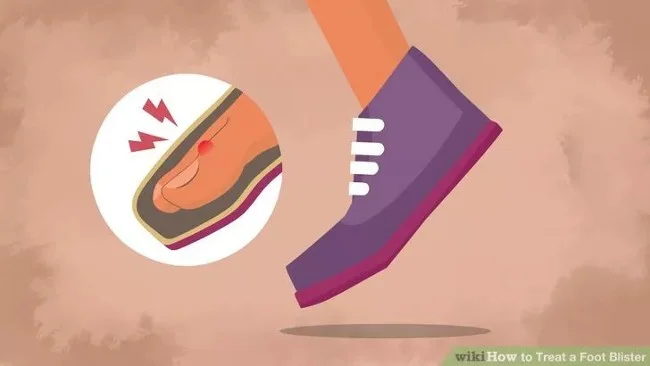
If you have blisters on your feet, friction may be the culprit. Walking or standing for several hours each day puts pressure on your heels, soles, and toes. The longer you stand during the day, the higher your risk of developing blisters. Of course, not everyone who walks or stands for long periods of time gets blisters.
Blisters on the feet are often caused by friction, heat, dirt, and moisture. These factors occur when hiking, exercising, or skating, especially when you wear shoes or socks that do not fit your feet properly.
They often appear when you wear new shoes for a long time, without letting your feet relax. This is because new shoes are often very hard compared to the soft skin on your feet, or maybe because the shoes do not fit your feet.
Excessive humidity or sweat can also cause blisters on your feet. This is common during hot weather for athletes, especially runners. Small blisters form when sweat clogs the pores on your feet. Blisters can also develop after sunburn.
2. Detect blisters early before they become too serious
Follow these tips to prevent blisters on your feet and keep them from getting worse:
Method 2: Treating Blisters on the Skin
Friction blisters on the feet usually heal on their own within a few days with home treatment.
Unfortunately, some blisters do not respond to home treatments or get worse over time. See your doctor if your blister is extremely painful or interferes with your ability to walk. You should also see your doctor if you have a fever, nausea, or chills along with your foot blister. These could be signs of infection.
Your doctor may drain the blister with a sterile needle. If infection is suspected, your doctor may test the fluid in the blister to determine the cause.
You may be tempted to pop your blister. But it's best to leave it alone because an open blister can become infected. Covering your blister with a bandage can help protect it until it heals.
If you leave your blister alone, it may dry out and disappear. This can be uncomfortable, depending on the size of the blister. While you should not pop a blister, drying it out safely can help reduce pain. Here are some steps you can take at home:
1. Wash the skin around the blister with warm water and soap.
Additionally, try applying an antibacterial ointment to the blistered area.
2. Let the blister heal on its own.
3. Pop the blister if necessary
4. Disinfect the blistered skin area
5. Bandage the blistered area.
6. Let the blister heal on its own.
Remove the protective bandage to allow the wound to air dry.
7. Don't aggravate the injury
8. Keep the wound clean
Check the blister daily and keep it clean . You can also apply iodine ointment if needed.
How to Prevent Blisters on Your Feet
Preventing blisters on your feet involves addressing the underlying cause. If you have blisters due to friction, wearing shoes that fit properly is the first line of defense. If your feet rub against a particular area of the shoe, wearing insoles can provide extra cushioning and reduce friction.
Buy shoe soles
If you are an athlete, make sure to keep your feet dry. Apply baby powder to reduce sweating or wear sweat-wicking socks designed for athletes. These socks dry faster and reduce moisture.
Buy sweat socks
If a cosmetic product (powder, lotion, soap) or allergen causes blisters on your feet, avoid the irritant to reduce the chance of new blisters. For blisters caused by a medical condition, discuss possible treatments with your doctor. Treating the underlying problem can reduce your risk of blisters.
You may be interested in : What disease does dark eye circles indicate? Can dark eye circles be treated at home?
Use a simple 2026 Halloween decorating timeline for indoor décor, outdoor displays, and fresh pumpkins, with practical adjustments for weather and events.
Mix five vivid, approachable Halloween cocktails with measured recipes, simple prep tips, and an alcohol-free option for your party guests.
Find 15 office-friendly Halloween costume ideas for 2026, with practical checks for dress codes, respectful themes, comfort, and workplace safety.
Plan a fun elementary school Halloween party with easy crafts, games, inclusive treats, costume tips, and a sample 75-minute classroom schedule.
Compare realistic side hustles for 2026 by startup cost, fees, flexibility, and income control, with current tax and scam guidance from official sources.
Upgrade your home office ergonomics with current OSHA and NIOSH guidance on chair fit, monitor height, laptop setup, lighting, and movement.
Learn why emotional intelligence matters in leadership, where it helps most, how to strengthen it, and how to tell whether your approach is working.
A practical roadmap for moving into tech without a degree: choose an accessible role, build job-ready skills, prove them with projects, and use hiring feedback to improve.
Build a credible LinkedIn personal brand in 2026 with current profile, content, newsletter, analytics, verification, and visibility guidance from LinkedIn.
Quiet quitting and quiet firing are catchy labels, not diagnoses. Learn what is verified, what depends on context, and what employees and managers can do next.








