Troubleshoot ownCloud 10 MySQL Connection Failures
Find out whether MySQL, PHP, socket settings, or database permissions are blocking ownCloud 10, then verify a safe fix.
With the situation of heavily polluted water sources in our country, water purifiers are present in most households. In the process of using the water purifier, you will inevitably encounter problems such as the machine running continuously but not having clean water, the sewage valve being loud, the water taking out the gas bubble, etc. The information below will help you find the cause and how to fix this situation.
- The machine runs continuously for a long time but still has no clean water.
- Water flowing into cup No. 1 is not full, but only half a cup or 1/3 cup.
- The sewage valve is loud.
- The pump part of the water filter beeps.
- The intake hose and the wastewater line have air bubbles coming out.
- The water taken out of the cup has white bubbles.
If you see these phenomena in your water purifier, then surely your machine has a faulty air bubbles.

Water removed from the cup with white bubbles.
It can be due to the following reasons:
- Sudden loss of water supply while the machine is operating.
- The water supply for the water purifier is weak.
- When replacing filter elements, filters or repairing cores, filters without blowing air.
- When the filter is installed, let the machine run immediately while the water has not been fully flowing into the filter system.

It is possible that when you replace the water filter element, you do not release air bubbles.
- First, you disconnect the power supply and lock the pressure valve of the water purifier .
- Next, you remove the front elbow of the RO filter to remove the air inside the filter cup.
- After removing the air in the cup, turn the filter cup and leave about 1-2 genetic lines, then plug in the power and open the pressure vessel to fill the cup to help push the air out of the cup and then tighten the cup. back to the beginning.
- You perform the same steps with filters 1,2,3.
- Once done, check to see if the machine still sounds and if the water is still bubbles. If so, continue with the steps above.
Note: When you have done the above steps too many times and still cannot fix the error of the machine, you should ask a water purifier to come to repair it promptly.
Find out whether MySQL, PHP, socket settings, or database permissions are blocking ownCloud 10, then verify a safe fix.
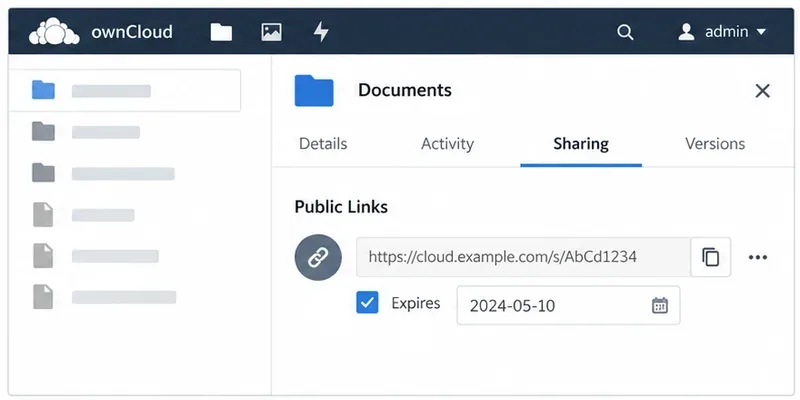
Make public link expiration mandatory in ownCloud Classic, set a maximum lifetime, and check existing shares that may need separate cleanup.
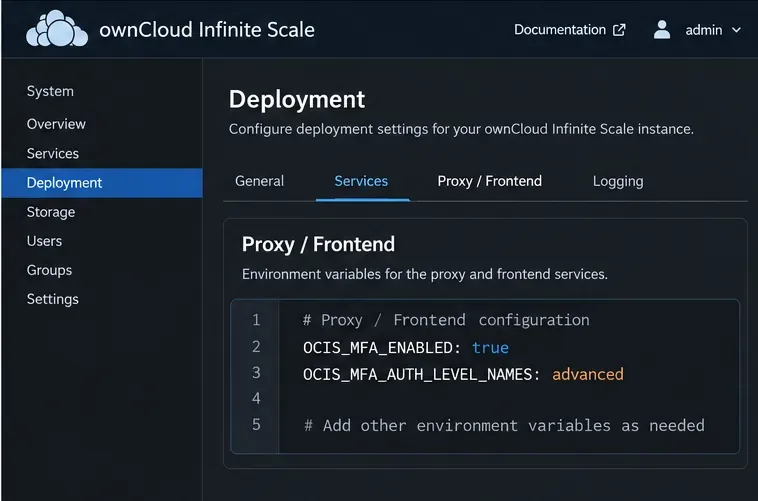
Enable TOTP through Keycloak, enroll users safely, and understand when Infinite Scale’s route-level MFA settings apply.
Check whether the issue is an OC10 and 7.x compatibility break or a damaged CSync journal, then apply the right fix without deleting synced files.
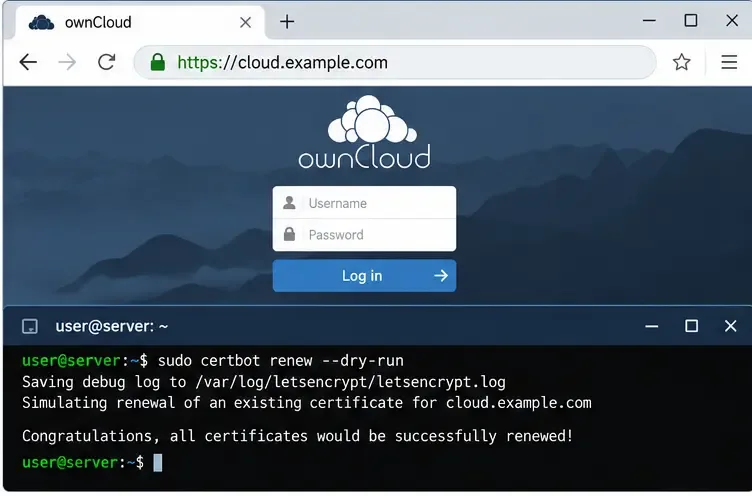
Choose HTTP-01 or DNS-01, configure an ownCloud reverse proxy, and verify Certbot renews HTTPS certificates automatically.
Configure oCIS LDAP sign-in, align user and group lookups, and verify TLS and schema settings before rollout.
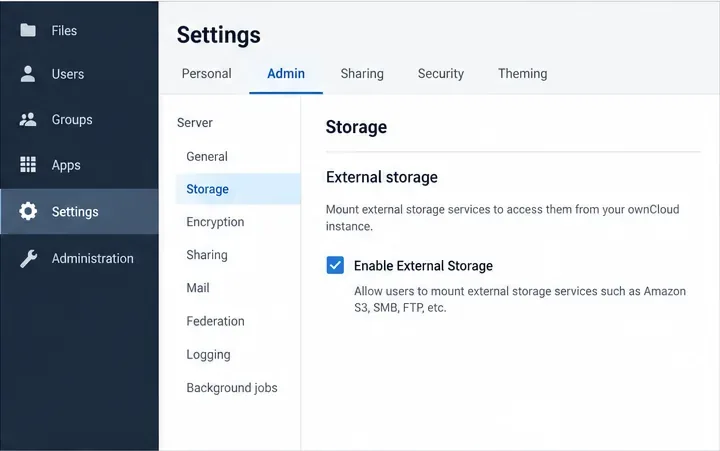
Add an Amazon S3 bucket to ownCloud 10, prepare compatible credentials and endpoints, and check access without confusing a mount with primary storage.
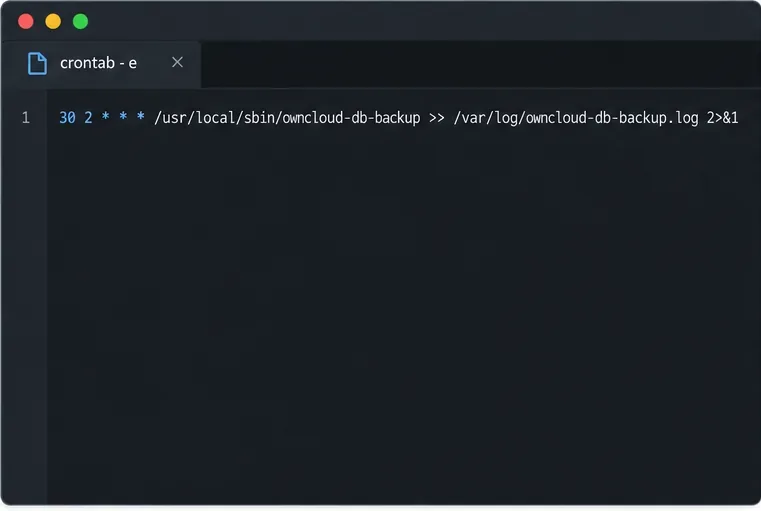
Schedule protected MariaDB dumps for ownCloud Server, handle maintenance mode safely, and verify each backup before relying on it.
Plan an ownCloud 10 to oCIS migration with the supported app, ordered commands, identity checks, and a clear list of data that needs separate handling.
Replace ownCloud Classic 10 logos and tune web UI colors with a theme app, while avoiding upgrade and integrity-check pitfalls.