How to Update Google Chrome Browser

Learn how to update Google Chrome browser on Windows, Mac, and Android in minutes to enjoy better security, speed, and new features. Follow these clear steps.
The presence of a light sensor system has helped the screen on Android phones to automatically adjust the brightness to suit your surroundings. This is very useful in many different usage scenarios, but it does not always work perfectly, as the user wants. This article will guide you how to turn off the automatic screen brightness feature on Android, and adjust it manually.
Problems with auto-brightness on Android
Most Android devices today call the automatic screen brightness feature “Adaptive Brightness.” What’s cool about this feature is that it not only uses the light sensor to automatically adjust the screen brightness to suit the surrounding environment, but it can also learn your usage habits and make adjustments that the system deems appropriate. For example, if you always have a habit of reducing the screen brightness at a certain time of day, this feature will gradually learn that habit and automatically adjust it for you.
However, in many specific usage situations, you may want to adjust the screen brightness yourself, instead of having to “listen” to the system’s arrangement. In those situations, temporarily disable “Adaptive Brightness” and adjust everything manually.
Disable auto-brightness on Android
Before we get started, it’s important to note that due to the variety of Android customizations, the titles of the settings will vary slightly from one customization to another. However, the basic setup steps will be similar. In this article, we’ll take a phone running “stock Android” as an example: the Google Pixel.
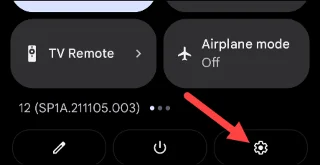
First, you need to access the system settings menu by swiping down from the top of the screen once or twice and tapping the gear icon. Or you can also tap the Settings gear icon right on the home screen.
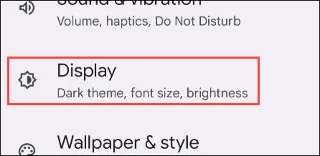
In the Settings menu, scroll down and click on “ Display ” .
Look for the “ Adaptive Brightness ” option , and tap the corresponding toggle switch next to it to turn it off.
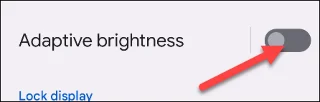
That's it. You can now adjust the screen brightness on your device completely manually. Repeat the same steps to enable this feature later if needed.
Learn how to update Google Chrome browser on Windows, Mac, and Android in minutes to enjoy better security, speed, and new features. Follow these clear steps.
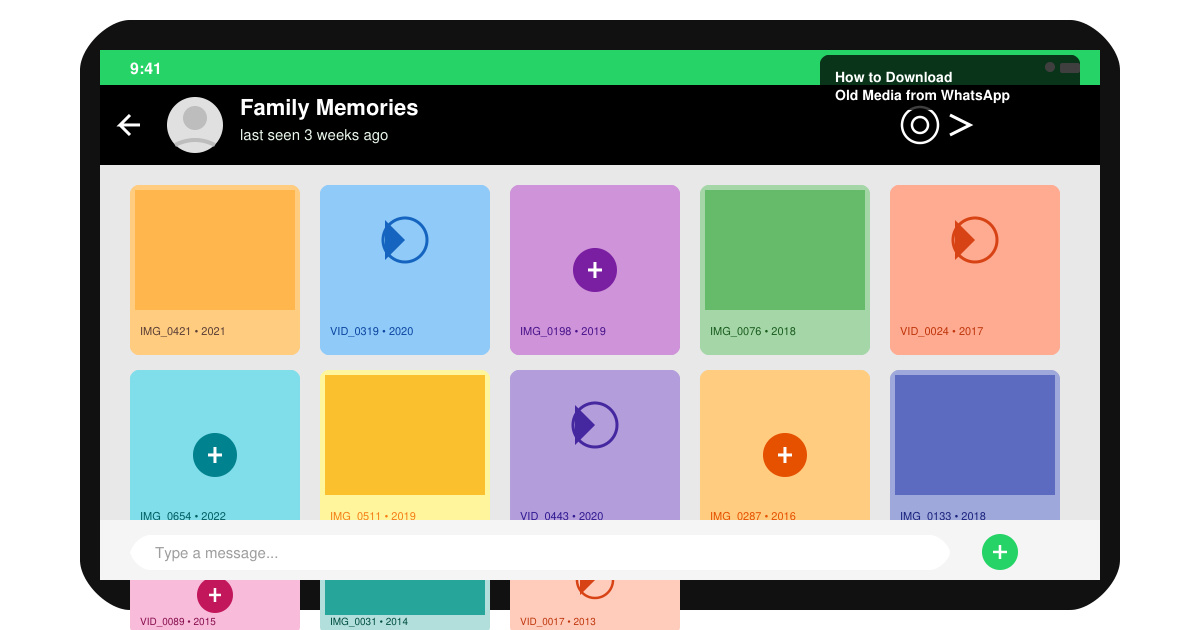
Learn how to download old media from WhatsApp and recover photos or videos from past chats. Follow these clear steps to save files that no longer appear in your gallery.
Facebook Messenger Isn T Working on your device? Use these exact troubleshooting steps to restore chats, calls, and notifications fast on Android, iOS, or desktop.
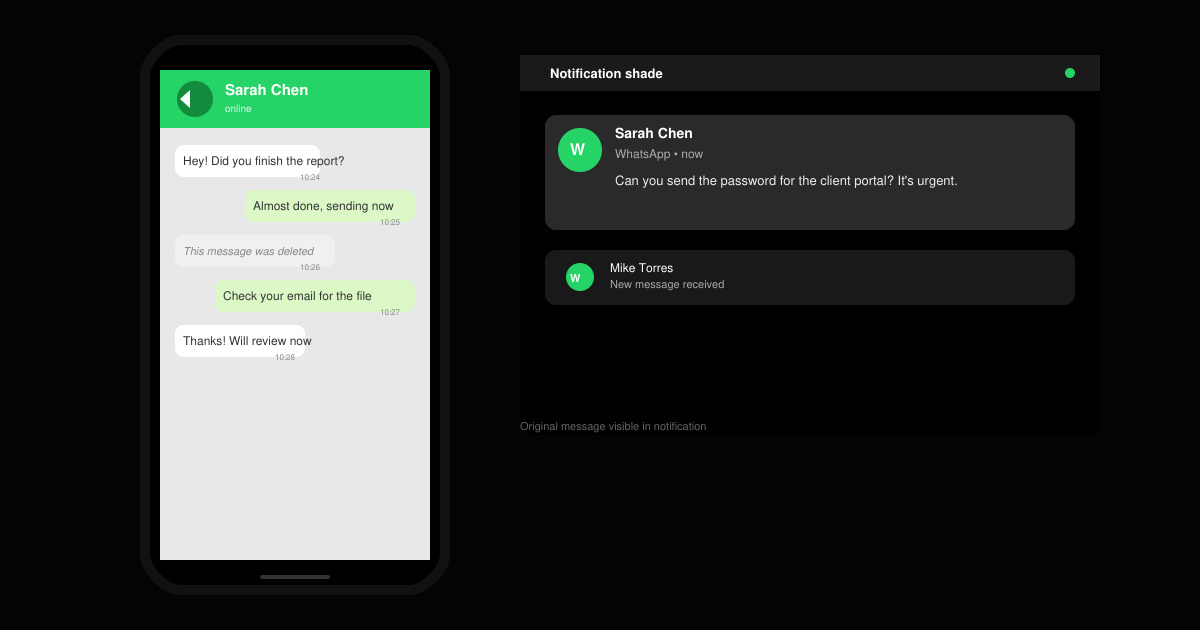
How to See Deleted WhatsApp Messages using your phone's built-in tools. Follow these exact steps to recover messages that contacts have deleted from chats.
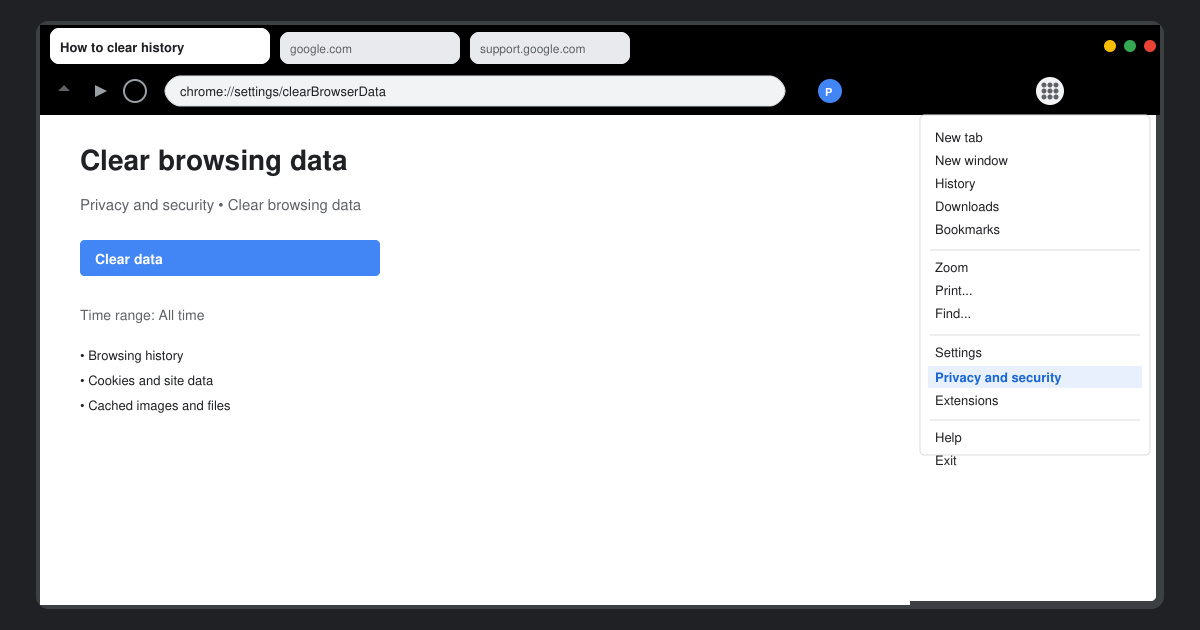
Learn how to clear browser history in Chrome on desktop and Android with this exact step-by-step process. Keep your browsing private and free up storage space quickly.
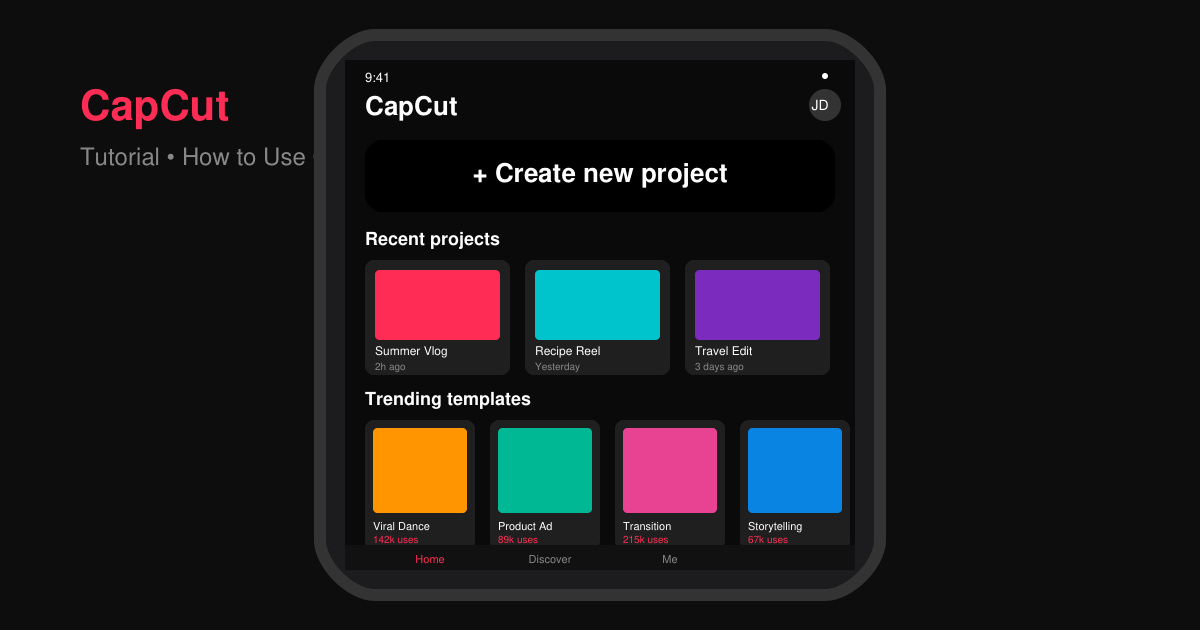
Master how to use CapCut with this practical walkthrough covering project setup, editing tools, effects, and export options for high-quality video results.
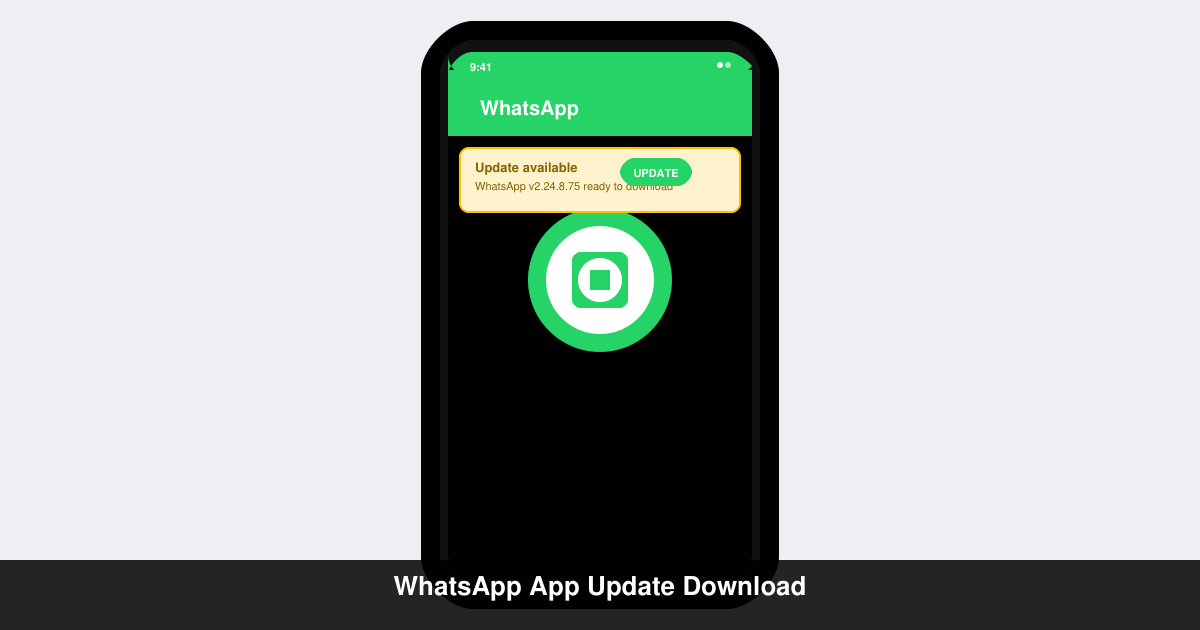
Get the latest WhatsApp App Update Download from official sources to access new features and security improvements. Follow these clear steps for Android and iOS devices.
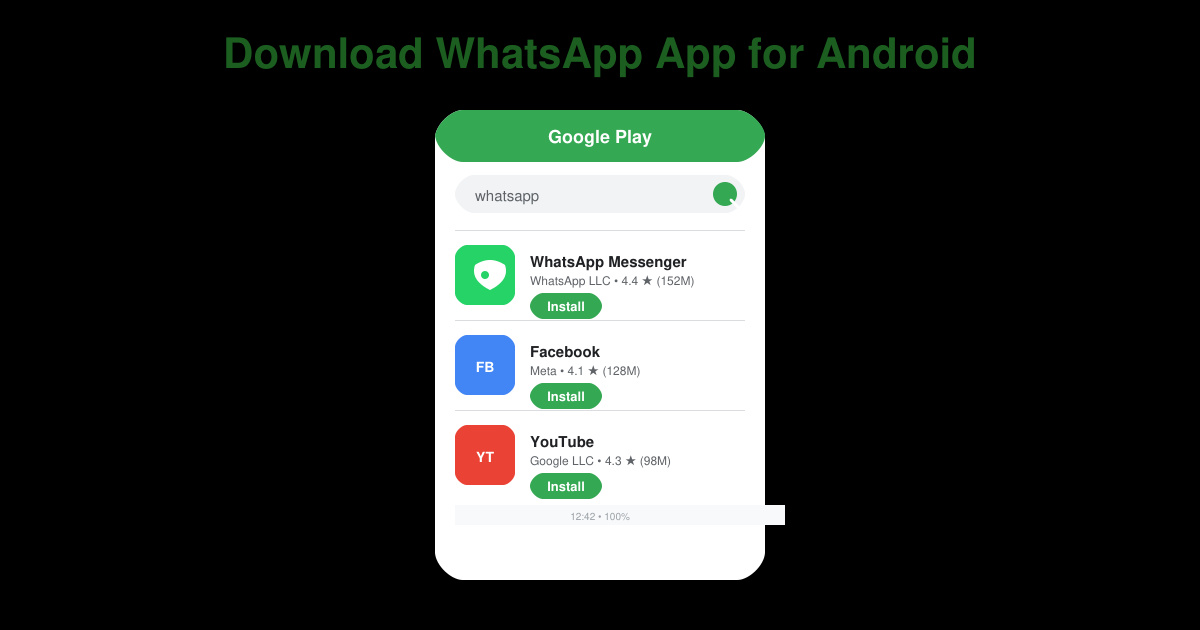
Learn how to safely Download WhatsApp App for Android from the official Google Play Store. Follow our clear step-by-step instructions to install the latest version quickly and securely.
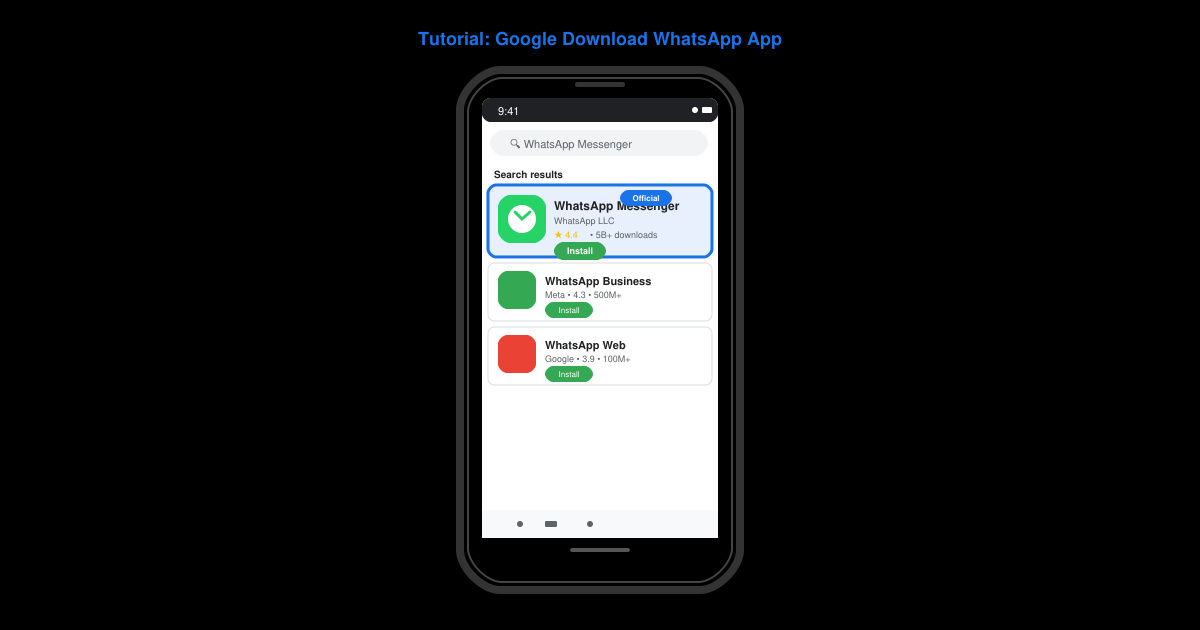
Google Download WhatsApp App safely through the Google Play Store with this clear guide. Get the official version on your Android device quickly and avoid fake downloads.
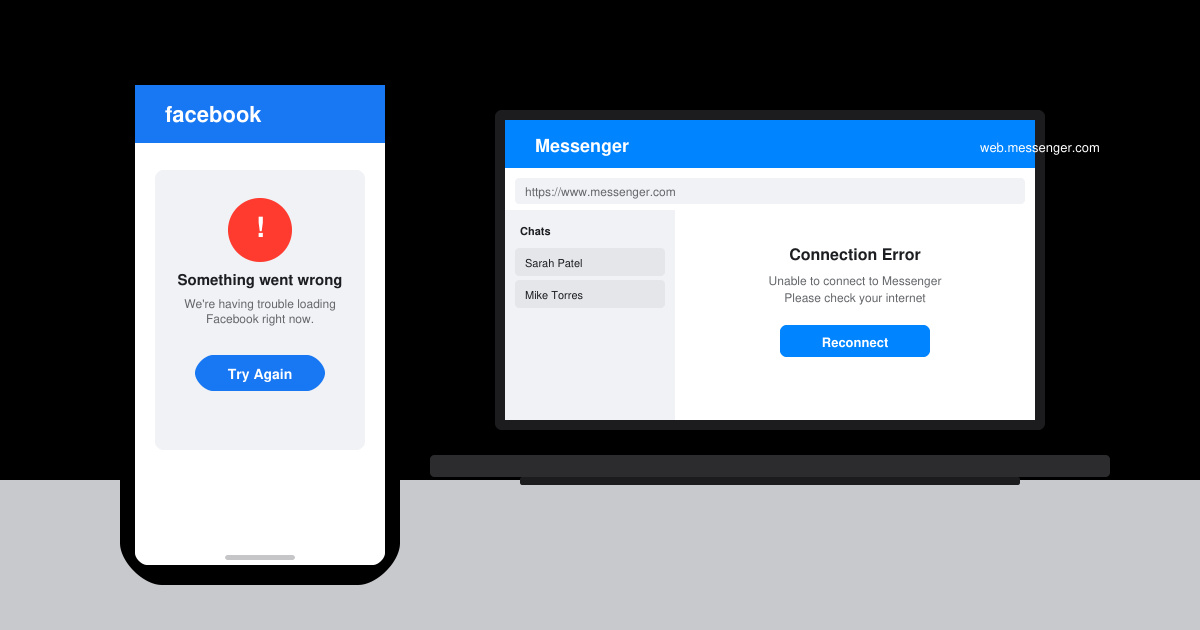
Facebook and Messenger not working can disrupt your day. Follow these targeted fixes to restore access quickly on mobile and desktop.