Get YaST’s X11 Forwarding Working Over SSH
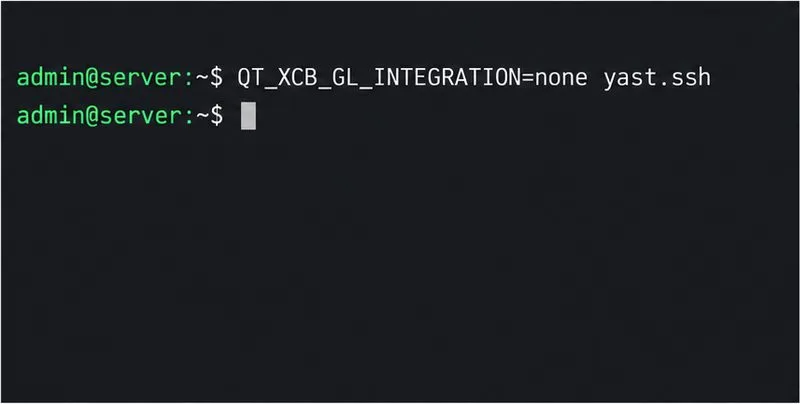
Fix YaST’s XIO launch error over SSH, verify X11 forwarding and xauth, and switch to the ncurses interface when a remote window is unnecessary.
Google is rolling out sound emojis to Google Phones. Users can play sound effects from emojis like laughter and drums during phone calls. And the person on the other end of the line can also hear the sound from the emojis. Here's how to use sound emojis on Google phones.
How to use sound emoji on Google phone
Step 1:
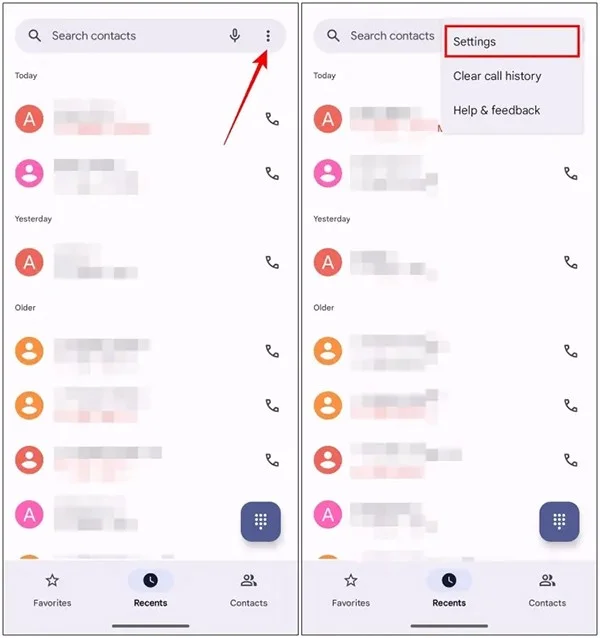
You open the phone application and then click on the 3 dots icon in the top right corner. Next, the user clicks on Settings in the displayed list.
Step 2:
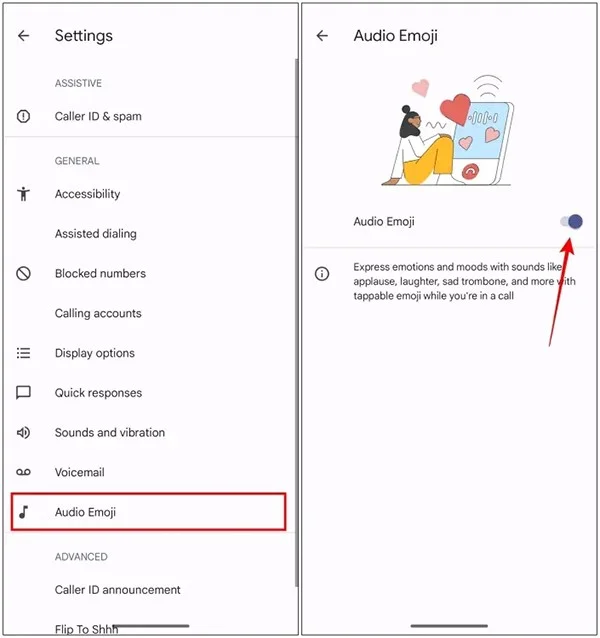
Switch to the settings interface on the phone, we continue to click on the Audio Emoji option below the list. At this time, the user needs to activate Audio Emoji to use.
Step 3:
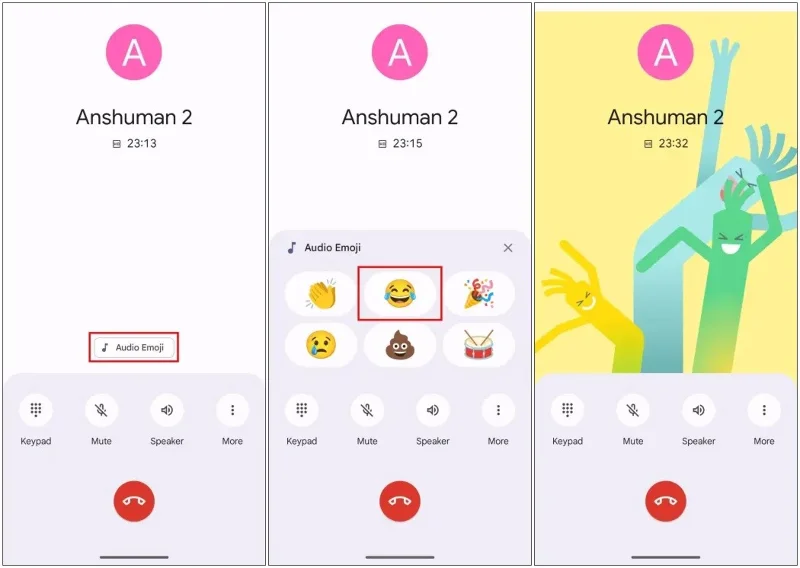
You make a call as usual. Next, in the call interface, click on Audio Emoji to select emoji. The screen displays emojis with sounds for you to choose to use. We click on the emoji we want to use. Immediately you will hear the sound with the animation displayed. Whether the other person has the sound emoji option enabled or not on their phone, they will still hear the sound you used.
The sound emoji feature on Google phones is only being developed for beta program participants. However, you will need to wait a while for this feature to be updated or you can use a VPN application to switch to the US region if you use it.
Fix YaST’s XIO launch error over SSH, verify X11 forwarding and xauth, and switch to the ncurses interface when a remote window is unnecessary.
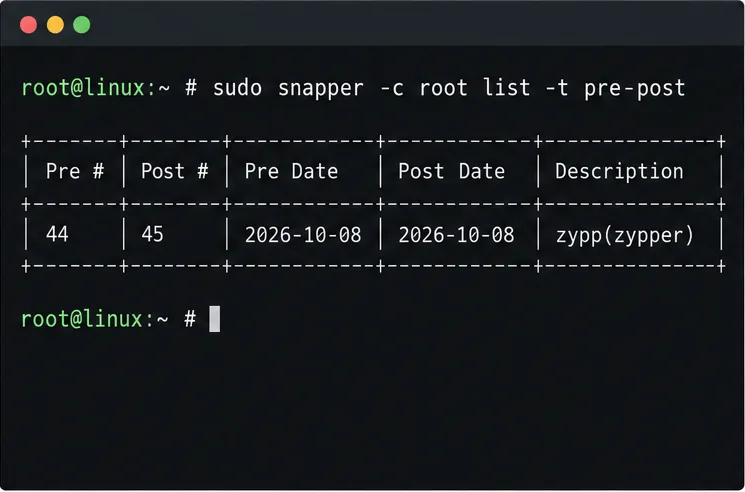
Find the pre-update Btrfs snapshot, test it read-only, and make recovery permanent with Snapper while understanding which data stays outside the root rollback.
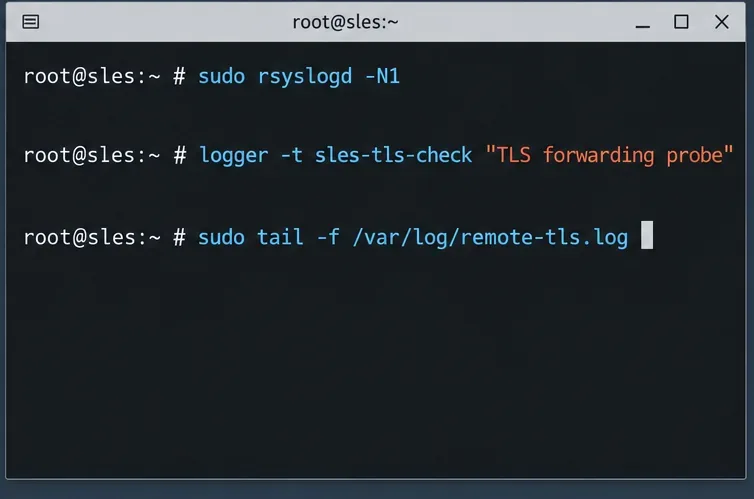
Send SLES system logs to a remote rsyslog collector over authenticated TLS, with certificate checks, outage buffering, and delivery tests.
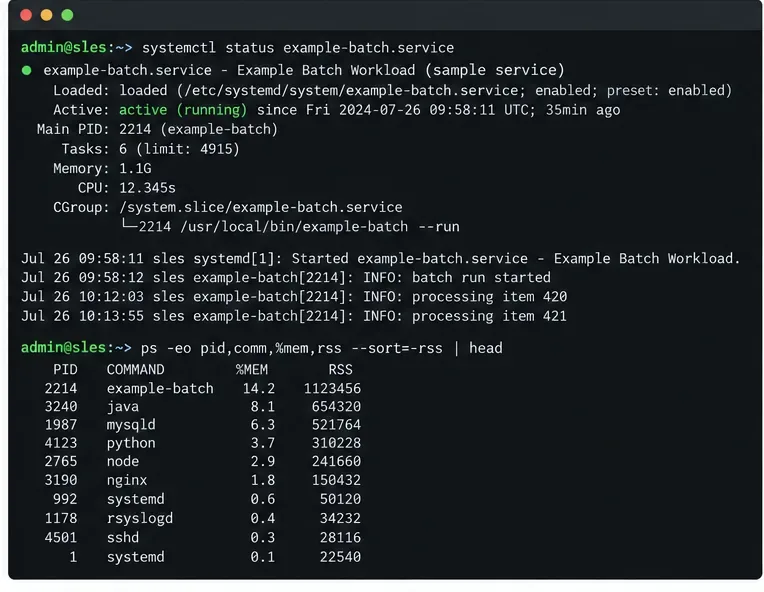
Use RAM, swap, kernel, and Zypper logs to identify real memory pressure, protect package state, and choose a safer SLES upgrade retry.
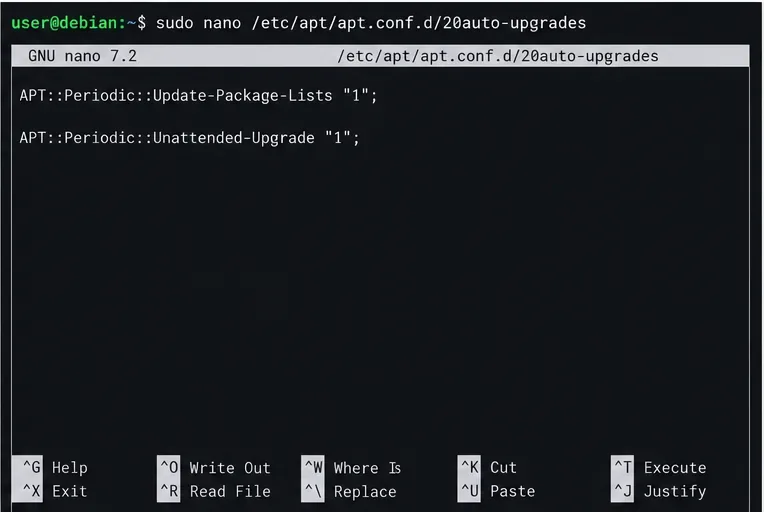
Enable Debian’s unattended security updates over SSH, keep the default package sources, and verify scheduled runs through systemd and APT logs.
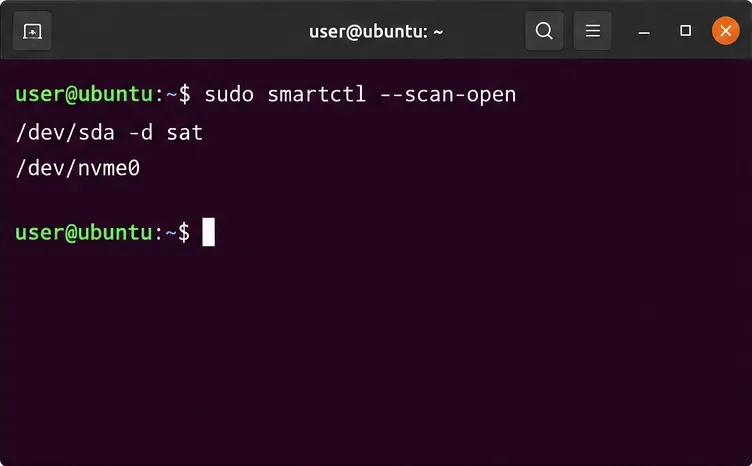
Compare mail delivery options, configure smartd on Ubuntu, and verify that disk-health warnings reach your inbox.
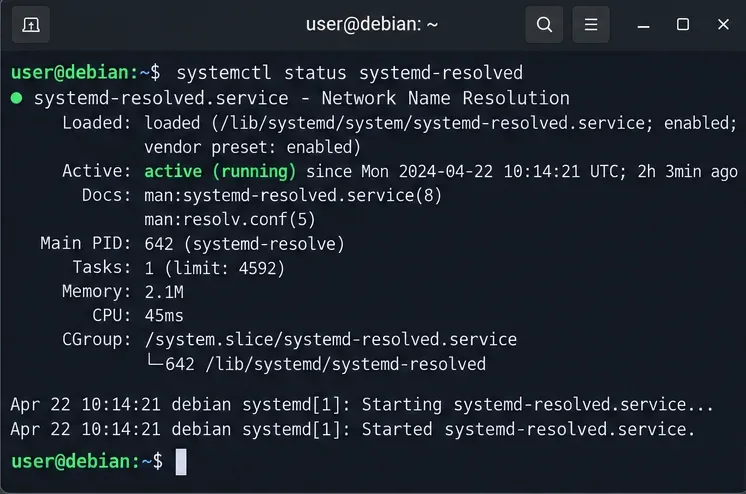
Restore DNS lookups on Debian 12 by checking systemd-resolved, repairing resolv.conf when needed, and verifying upstream DNS and application resolution.
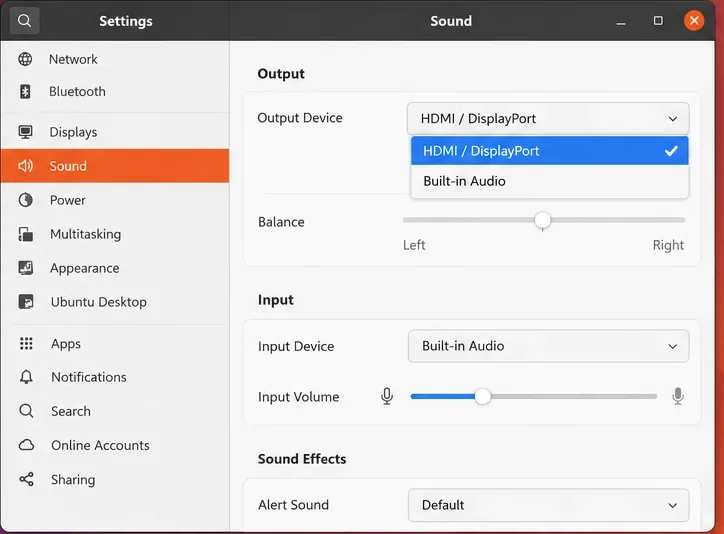
Get Ubuntu to detect your monitor or TV as an audio output, select it in Sound settings, and check the connection or PipeWire device list if HDMI is missing.
Resolve Ubuntu APT signature warnings safely by identifying the failing source, refreshing its verified key, and checking the result without disabling security.
Learn the balanced three-phase formulas and convert line voltage, current, kW, kVA, and power factor step by step, with a worked example and limits to check.