How to Use Google Lens on Chromebook

How to Use Google Lens on Chromebook lets you scan objects, translate text, and solve problems directly from your device. Follow these steps to get started quickly.
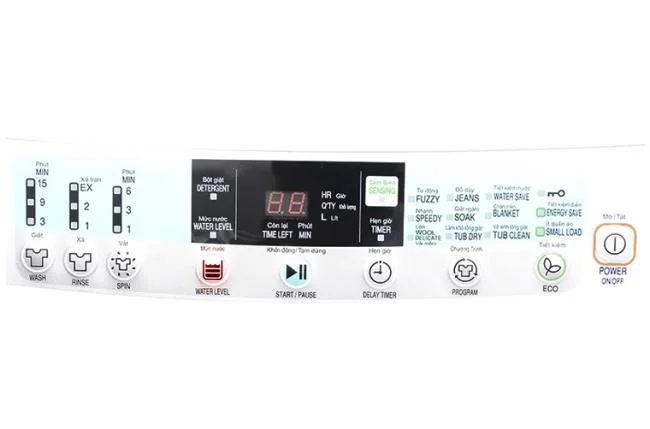
Some notes before putting clothes in the washing machine
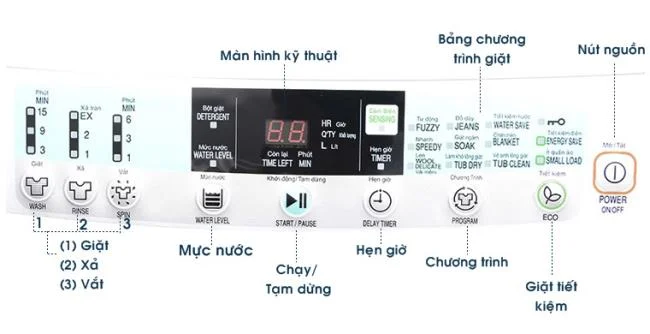
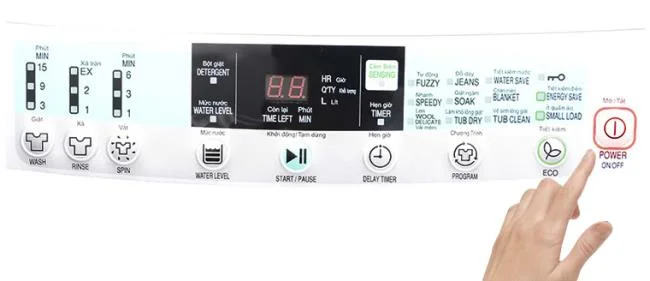
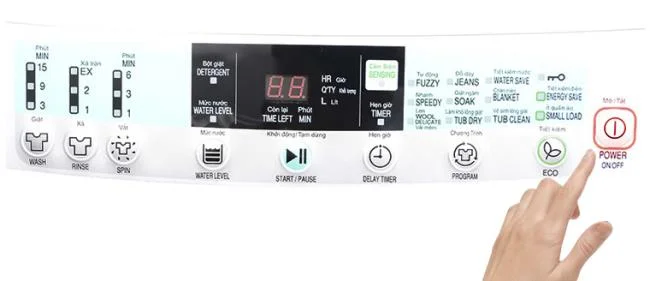
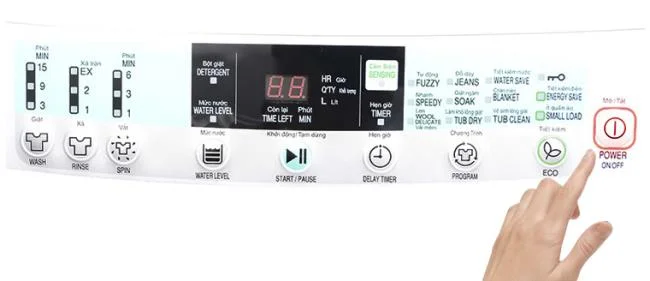
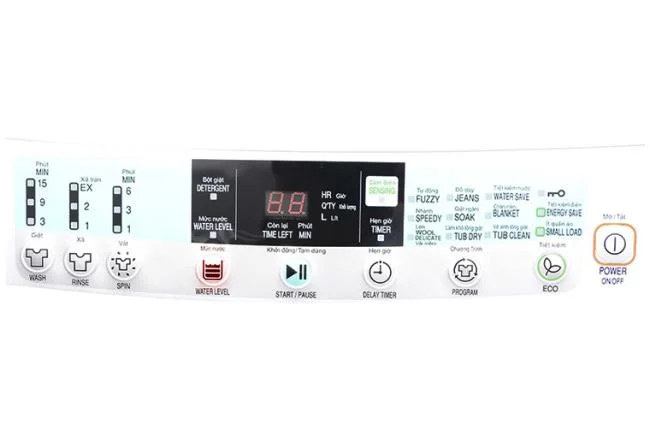
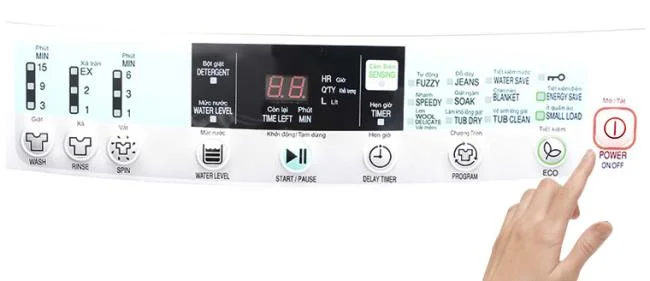
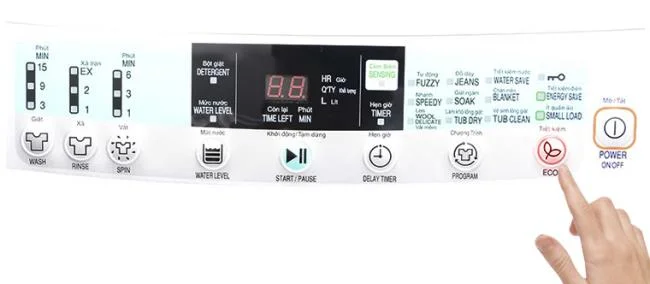
Step 1: Press the Power button (Power button)
Step 2: Open the door of the washing machine and put the clothes in the washing bucket
Step 3: Close the door of the washing machine and put detergent and conditioner into the dedicated tray.
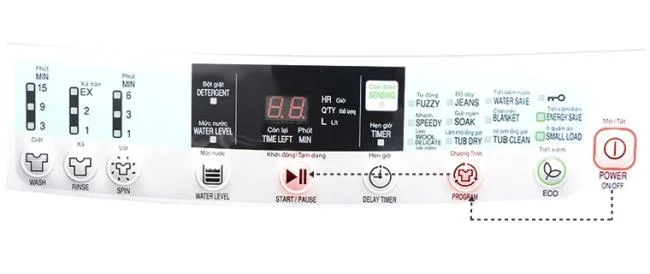
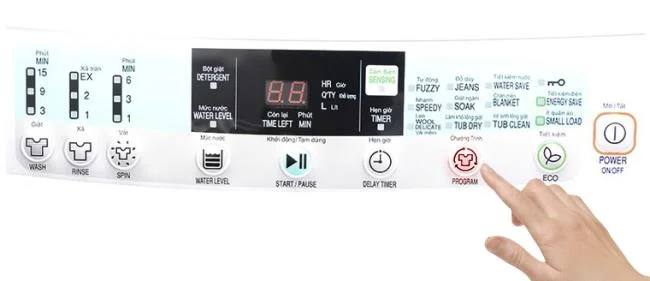
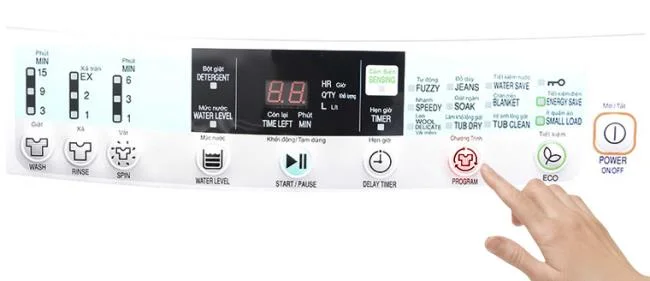
Step 4: Press the buttons in the washing program table. Normally you should leave the washing program in Fuzzy mode (Auto) for the convenience of normal household clothes.
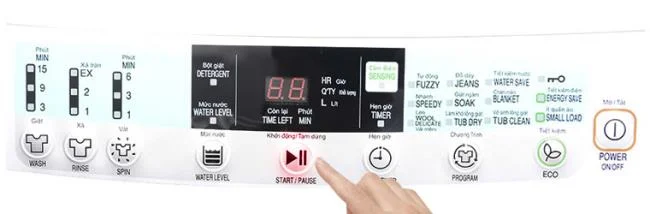
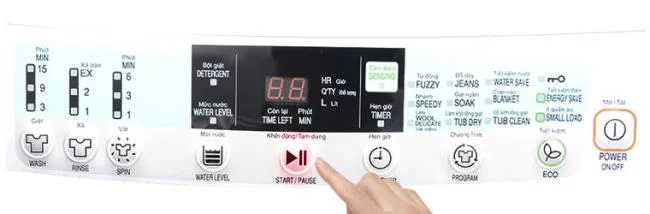
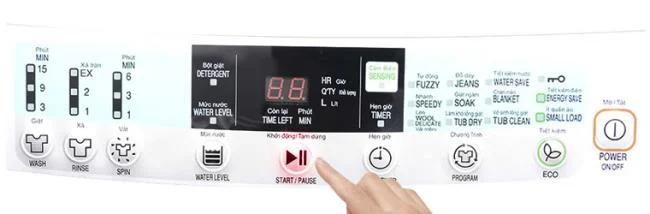
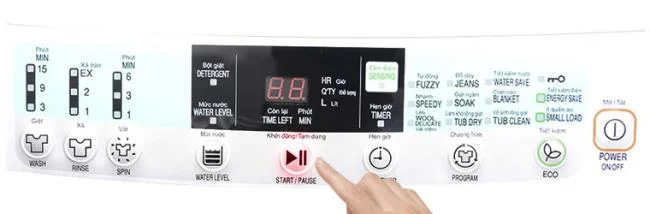
Step 5: Press the Start / Pause button to start the washing process.
You can use a single washing program to wash less dirty clothes. For example, you can activate a one-time washing program for less-soiled clothes.
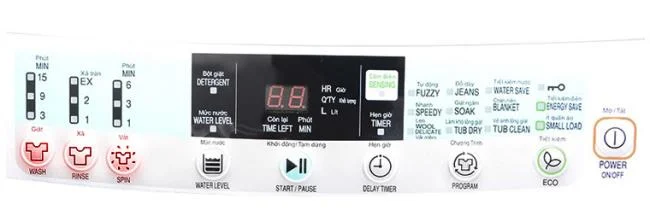
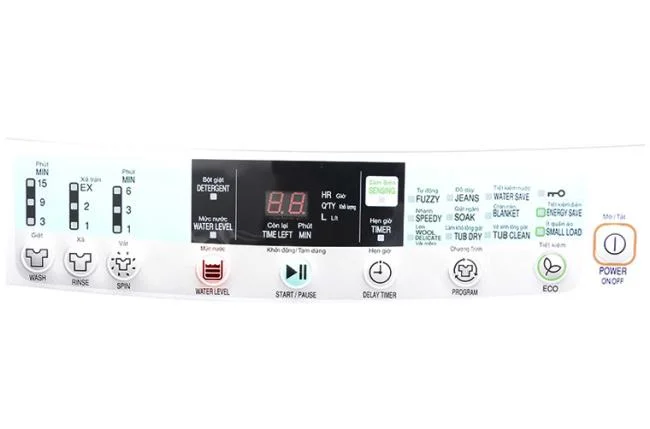
Press the Wash / Rinse / Spin button to activate the individual program according to your needs. If you want to combine washing programs you can press the program buttons as follows:
+ Wash + Rinse: Rinse after washing
+ Rinse + Spin: Squeeze after washing
+ Wash + Rinse + Power Spin: Rinse and then spin in order.
These buttons allow you to choose different washing modes for different fabrics.
Fuzzy (Automatic): Used to wash thick clothes such as jeans, thick khaki.
Speedy: For clothes that are less dirty, or you need a quick wash.
Soak: The machine will enhance the soak cycle before washing. Helps to wash clothes cleaner. Suitable for clothes with stubborn stains.
Energy Saving : Washing saves energy
Blanket: A specialized mode for washing blankets
Jean (Thick fabric): Jeans, khaki material.
Water save: The washing program saves water effectively.
Tub dry
Tub clean: Easy cleaning of the drum does not require much work.
Wool Dedicate: For thin clothes such as underwear, thin fabrics., Light wool.
For thick clothes, their washing course is different from other clothes. Need to choose the right mode to achieve a clean effect.
Press the Jeans wash mode in the washing program panel according to the instruction.
For better performance of washing machine, longer machine life. You should clean the washing bucket at least every 2 weeks. In order to limit dirt, bacteria grow in the machine, adversely affect not only the health of you and your family, but also the "health" of the washing machine. Samsung washing machines support you to self-clean the washing machine with very simple operation.
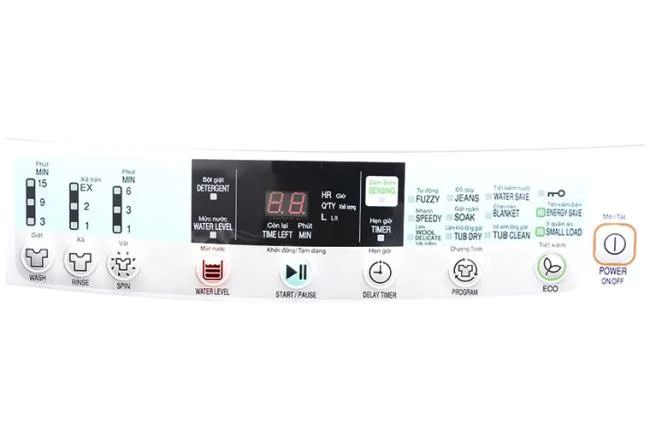
Then you press the Water Level button to select the water level, which will usually be the highest water level (Level 5) for a more comprehensive cleaning of the tub.
After selecting the drum cleaning mode. The light will light, indicating that the function is on.
Saving electricity costs is essential. This is the machine's energy-saving washing program
Hopefully with some simple operations that WebTech360 has just shared, you can control your washing machine, helping to bring the best washing performance to the family.
Tips for long-lasting woolen laundry, keep shape
How to Use Google Lens on Chromebook lets you scan objects, translate text, and solve problems directly from your device. Follow these steps to get started quickly.
Learn how to clean a dehumidifier filter safely, when to use water or soap, how long to dry it, and when model-specific instructions matter.
Learn when cast iron grill grates need seasoning, how to clean, oil, heat, and maintain them, and when porcelain-coated grates should not be seasoned.
Learn how to clean a down or synthetic puffer jacket, restore loft, avoid heat damage, check the result, and know when professional care is safer.
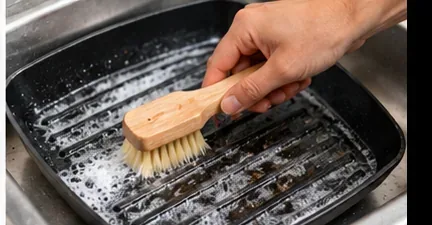
Learn how to clean a grill pan without damaging it. This guide explains the safest method for seasoned cast iron, enameled cast iron, and nonstick pans, including stubborn burnt-on residue.
Clean purse linings safely by identifying the material, removing debris, spot-cleaning carefully, drying fully, and knowing when to stop.
Learn how to clean a GE dishwasher filter, identify removable filter types, avoid damaging the mesh, and know when to check your model manual.
Learn how to clean oven trays safely, from fresh grease to burnt-on residue, with separate guidance for natural aluminum and nonstick bakeware.
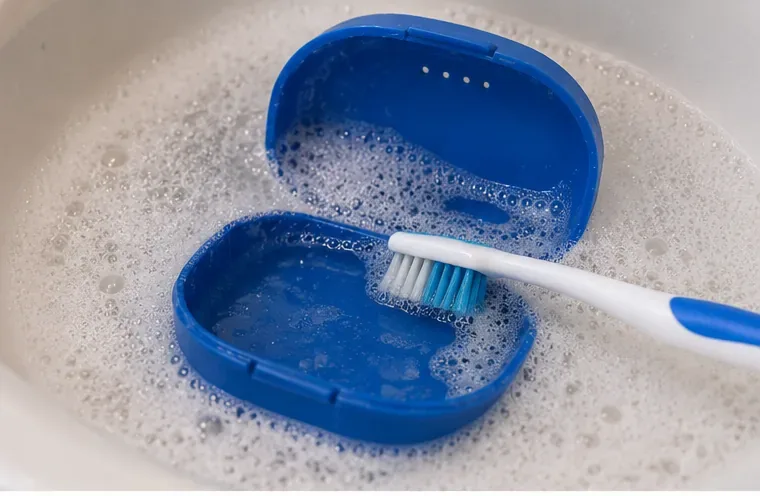
Learn how to clean a retainer case with mild soap and lukewarm water, when to avoid the dishwasher, how to dry it, and when an old case should be replaced.
Let nail glue dry, lift off the excess, then use acetone only on compatible, colorfast fabric. Learn safer alternatives, washing steps, and when to stop.