From understanding credit scores to learning some basic DIY skills, I wish these skills were taught in school to make "adulting" easier.
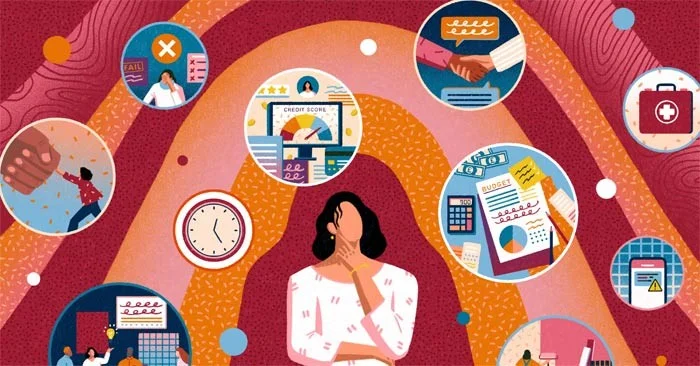
Skills that should be taught more thoroughly in schools
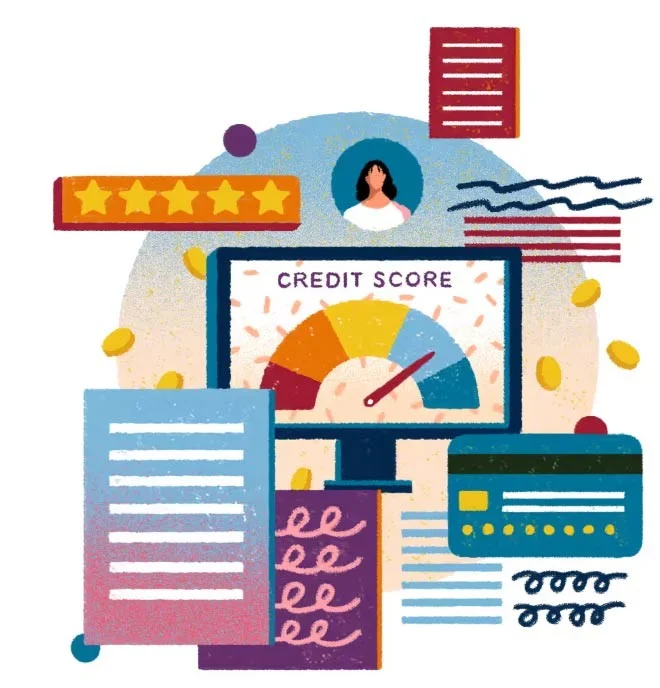
Understanding credit
Understanding how to use credit responsibly, including building a good credit score to increase your chances of being approved by future creditors with favorable terms and interest rates, is an important life skill – and it's much simpler than you might think.
All young people should be taught about simple ways to build good credit, such as getting on the electoral roll, having a bank account registered at their home address and using credit responsibly.

Time Management
Procrastinating, putting off insignificant tasks and putting off bigger ones until the last minute – how many of us could manage our time better?
Practical lessons like how to plan your week, set deadlines, prioritize important tasks, and break them down into more manageable chunks. Learning these skills can go a long way toward helping us stay focused, feel confident and in control rather than overwhelmed, and what we can accomplish each day.
Self defense
Knowing how to keep ourselves – and our belongings – safe on the street is one of the most important lessons in survival, but it's rarely learned in school.
Many of us walk around with our faces glued to our phones and not paying attention to what is going on around us. To avoid getting into unsafe situations, we need to be more aware of our environment and the people around us. For example, if you see someone behaving in a way that makes you feel unsafe, you might run into a store to avoid them. Teaching children these skills is important.
DIY
Once upon a time, every home had a toolbox and residents took pride in knowing how to use a drill, but 52% of respondents surveyed a few years ago said they avoided even the simplest DIY jobs because of a lack of skills.
“ Traditionally, a lot of these skills are passed down, but they seem to have been lost somewhere, ” says Emma Jane Palin, interior stylist and founder of Ramsgate-based DIY and decoration store Our Curated Abode . Her own skills have given her “ a huge sense of satisfaction and saved her thousands of pounds ”, and she believes we could all achieve this if we were taught how to do it in our teenage years.
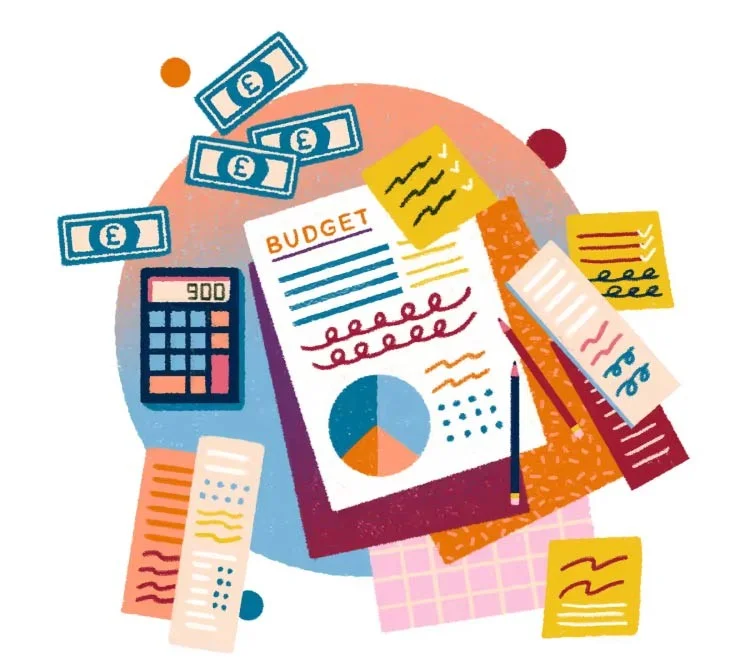
How to budget
Making sure we have enough money to cover our expenses is one of the most basic elements of adulthood – and it can be difficult, especially during economic downturns like the one we’re experiencing now. But it’s important to pay our bills on time every month, to ensure our debt doesn’t spiral out of control and, in turn, to maintain a good credit score.
Children need to learn the difference between 'wants' and 'needs' so they can learn to prioritize their spending." For example, they might want to watch Netflix , but they need bus fare to get to school.
Teaching these principles is more important than ever, because the rise of influencers and the ease of online shopping make it easier than ever for us to accumulate debt quickly and struggle to make ends meet.

Learn to overcome failure
We often emphasize passing exams throughout our academic careers, but arguably, learning to fail is just as valuable to us in the long run.
Fear of failure is normal, but it can hold us back from engaging in life. Embracing failure not only improves resilience, but it can also guide us toward what’s important to us and allow us to let go of what’s not – something we should all start learning as early as possible.
How to come up with ideas
Whether you're an entrepreneur or a cog in a big machine, coming up with ideas is often a part of working life. Many of us find the thought of it intimidating, which is why it's important to practice it from a young age.
Children have amazing imaginations, so we should capitalise on that by allowing them to develop their ideas and confidence – in a structured and safe way at school. Getting to stand up in front of their peers and receive constructive feedback is an incredibly valuable experience that will make this process much less difficult in later life.
First aid
According to the British Red Cross, only 5% of adults feel confident and knowledgeable enough to give first aid in emergency situations, so it's no surprise that experts believe it should be taught in every school.
Although first aid is included in the curriculum, it is not taught in sufficient depth. It is an essential life skill. Children who learn additional first aid skills can have a powerful and positive impact on the health of individuals and of the nation.