
Get YaST’s X11 Forwarding Working Over SSH
Fix YaST’s XIO launch error over SSH, verify X11 forwarding and xauth, and switch to the ncurses interface when a remote window is unnecessary.
Gmail filters are exactly what they sound like. They help you organize your inbox by automatically redirecting emails. Here's how to create, customize, and manage filters in Gmail .
How to create filters in Gmail
To create a Gmail filter, you need to use a computer. Currently, it's not possible to create filters via the Gmail mobile app (iOS or Android).
There are a few ways to create filters in Gmail, but the easiest is to use the search bar. Navigate to the top of your inbox and select the slider icon labeled “Show search options . ”
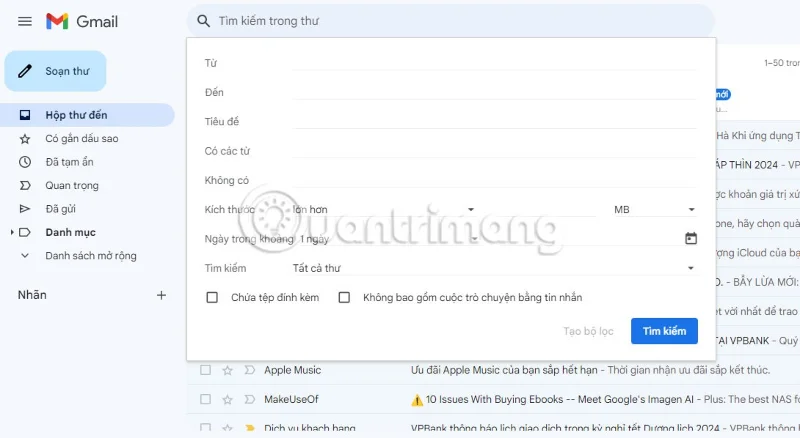
Alternatively, you can create filters directly from emails in your inbox. To create a filter from a received email:
1. Open an email that matches your criteria.
2. Click the Add option next to the sender information.
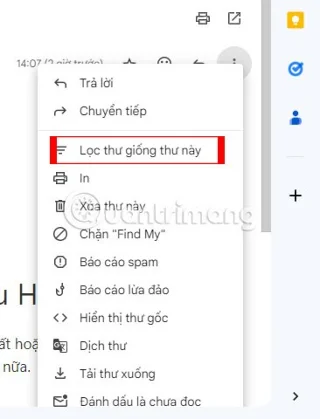
3. Select Filter messages like this one from the list of options that appears.
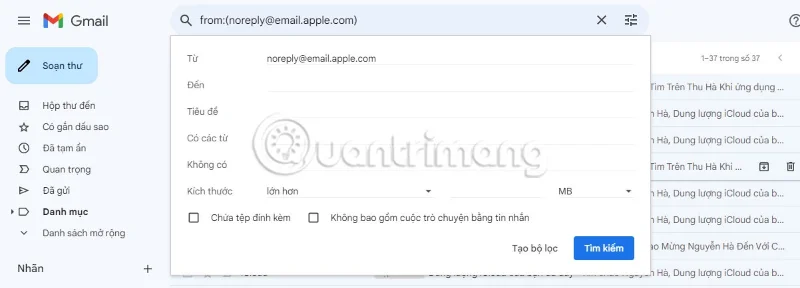
4. The search options window will appear with the From criteria filled in. This option works best if you receive multiple emails from the same address.
5. After applying your desired filter criteria in the search options window, select Create Filter next to the Search button .
6. You'll see a list of potential automated actions that will be performed when you receive emails that meet the defined criteria.
This list should include options to archive the email, mark it as read, star it, delete it, always or never mark it as important, and apply a label or category to it. You can also choose to apply filters to existing conversations in your inbox that match the same criteria.
How to edit and delete Gmail filters
If you no longer need certain filters or want to edit them to include certain criteria, here's how to edit and delete your Gmail filters:
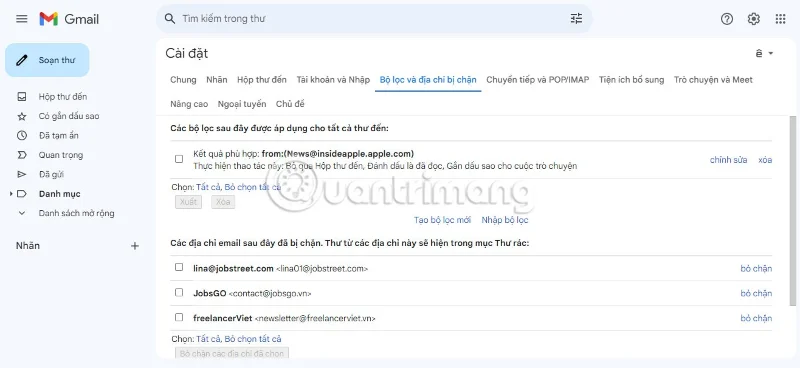
1. Select the gear icon and click View all settings .
2. Click Filters and Blocked Addresses .
3. Select edit or delete next to the filter you want. When editing, change the filter criteria you want and select Continue > Update Filter .
If you want to delete multiple filters, click the checkbox next to each filter and select Delete at the bottom when you're done.
Filters can simplify email management and keep your inbox clean. But filters aren't the only way to organize your inbox. You can also learn how to organize your Gmail inbox by sender, subject, and label.
Fix YaST’s XIO launch error over SSH, verify X11 forwarding and xauth, and switch to the ncurses interface when a remote window is unnecessary.
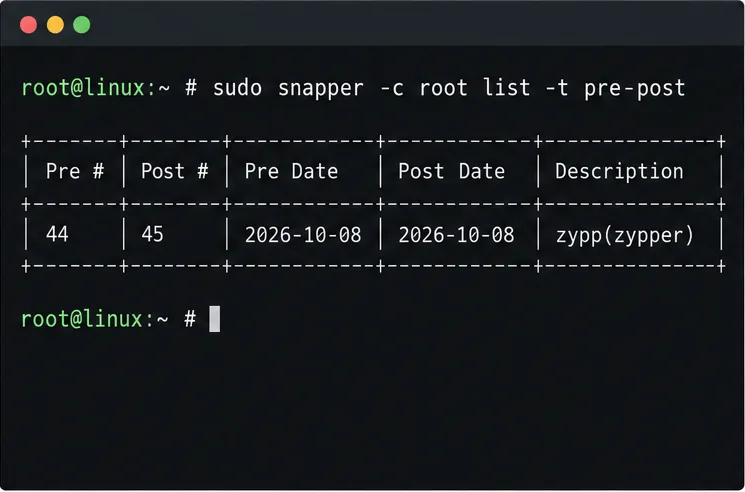
Find the pre-update Btrfs snapshot, test it read-only, and make recovery permanent with Snapper while understanding which data stays outside the root rollback.
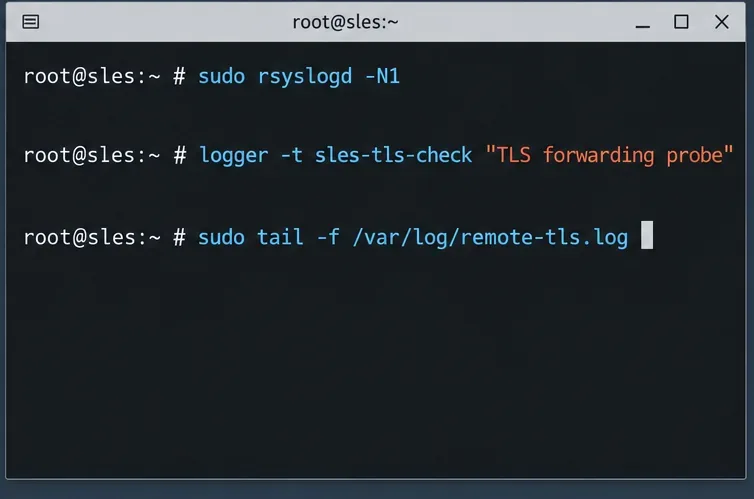
Send SLES system logs to a remote rsyslog collector over authenticated TLS, with certificate checks, outage buffering, and delivery tests.
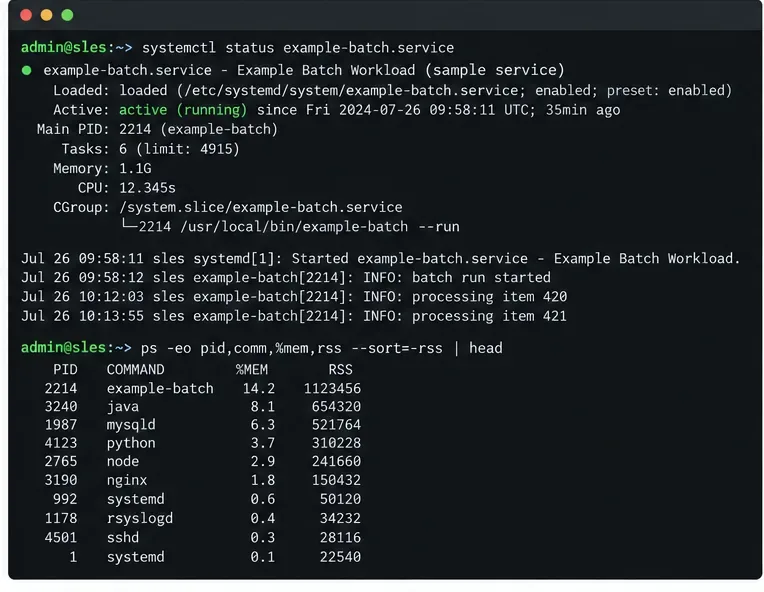
Use RAM, swap, kernel, and Zypper logs to identify real memory pressure, protect package state, and choose a safer SLES upgrade retry.
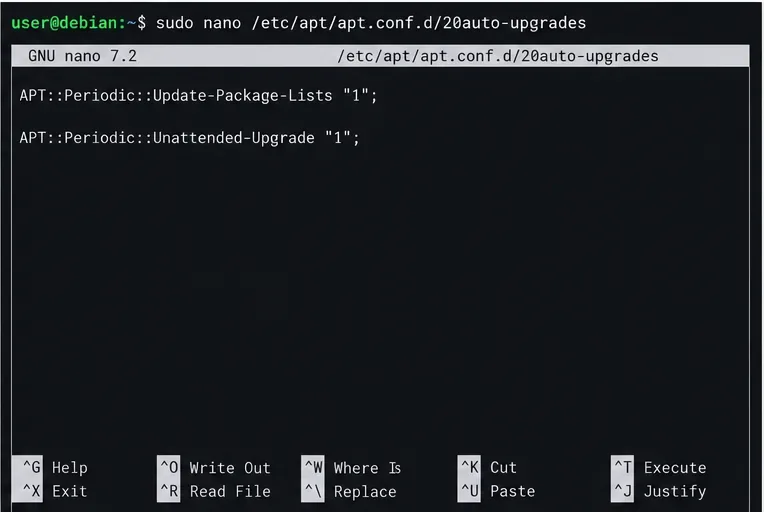
Enable Debian’s unattended security updates over SSH, keep the default package sources, and verify scheduled runs through systemd and APT logs.
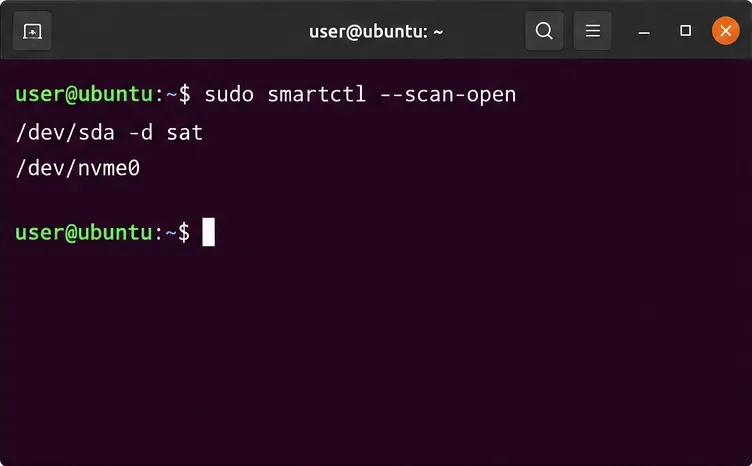
Compare mail delivery options, configure smartd on Ubuntu, and verify that disk-health warnings reach your inbox.
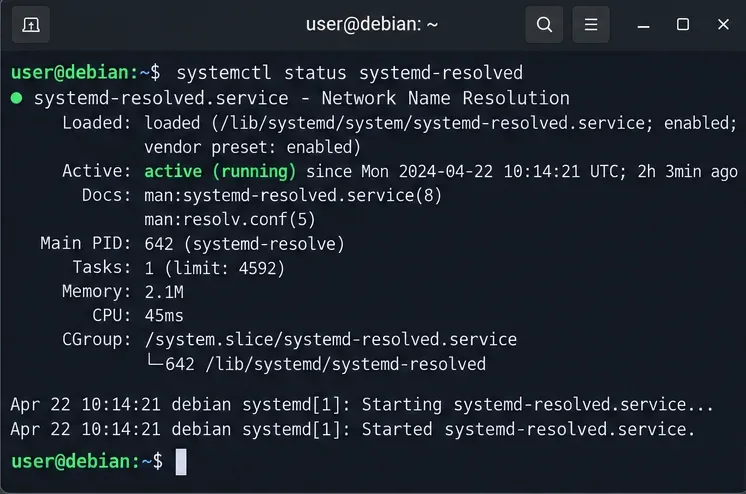
Restore DNS lookups on Debian 12 by checking systemd-resolved, repairing resolv.conf when needed, and verifying upstream DNS and application resolution.
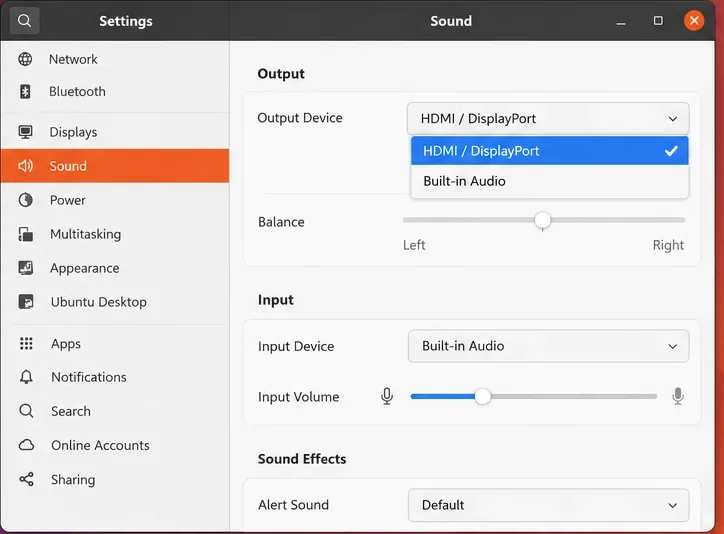
Get Ubuntu to detect your monitor or TV as an audio output, select it in Sound settings, and check the connection or PipeWire device list if HDMI is missing.
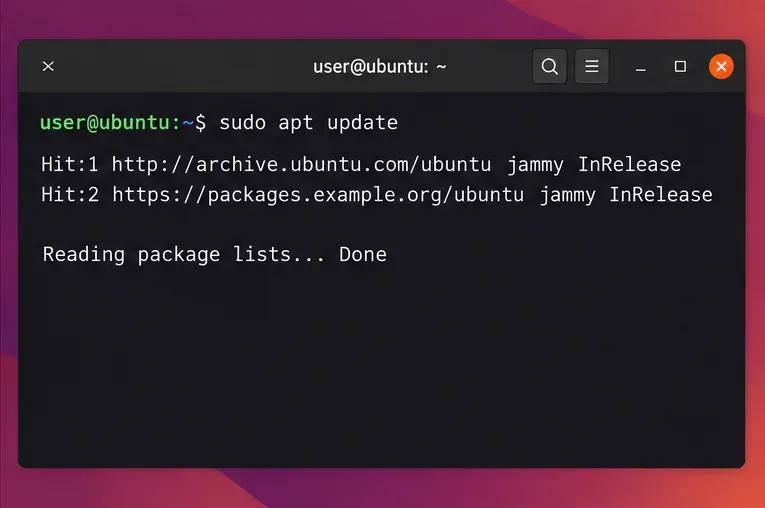
Resolve Ubuntu APT signature warnings safely by identifying the failing source, refreshing its verified key, and checking the result without disabling security.
Learn the balanced three-phase formulas and convert line voltage, current, kW, kVA, and power factor step by step, with a worked example and limits to check.