

Stop ownCloud File Lock Timeouts with the Right Backend
Distinguish database lock contention from expired WebDAV locks, then choose and configure the right ownCloud 10 fix.
In addition to inserting a signature in iPhone notes , you can now insert audio files into notes, add other audio content to the note. This option is extremely useful when you want to directly record something like a lecture for your notes. Below are instructions for inserting audio files into iPhone notes.
How to insert audio file into iPhone notes
Step 1:
We access the note application as usual, then open an existing note or create a new note depending on the user's request.

Step 2:
Click on the location where you want to insert the recording file and then select the attachment icon . To display the attachment options, click on Record Audio .
Step 3:
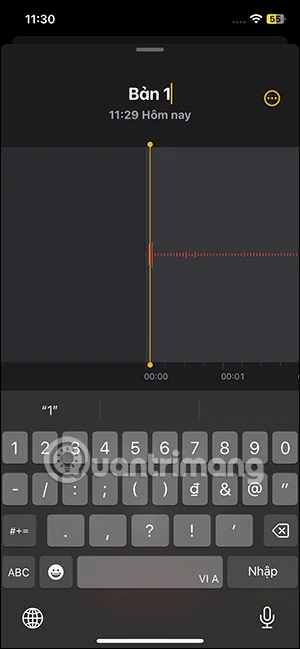
Displays the interface for you to record directly. Click on the red circle icon to start recording . During the recording process, you can click the pause button to stop , click Continue to record sound .
Step 4:
If you finish recording, press the stop button. Next, press the 3-dot icon in the recording interface and select Rename if you want. Enter a new name and press Done to insert the recording into the note .
You will now see the audio file in the note as shown. Click Play to listen to the audio recording in the note.
Step 5:
If you want to delete the recording file in iPhone notes , click on the recording file , select the 3-dot icon , then select Delete . Then click Delete to agree . In addition, we have the option to save the recording file to File or share if you want.
So you have deleted the audio file in notes on iPhone.

Distinguish database lock contention from expired WebDAV locks, then choose and configure the right ownCloud 10 fix.
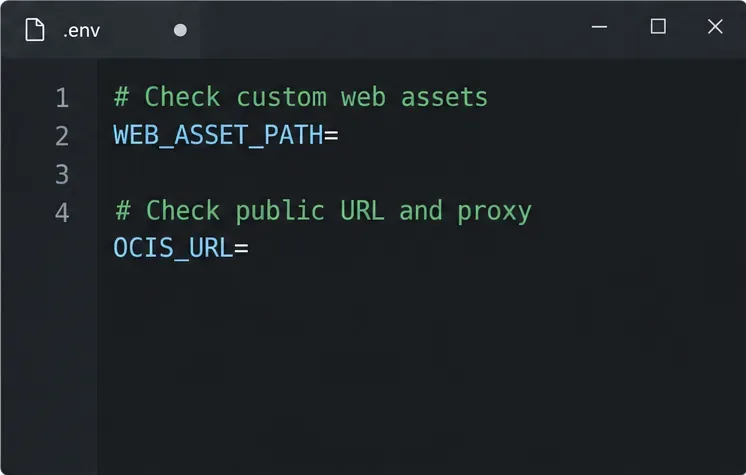
Trace a blank ownCloud Web screen to browser cache, missing web assets, service errors, or reverse-proxy URL settings with targeted checks.
Set ownCloud’s web PHP memory limit, restart the matching service, and verify the active value without confusing it with CLI settings or upload limits.
Find out whether MySQL, PHP, socket settings, or database permissions are blocking ownCloud 10, then verify a safe fix.
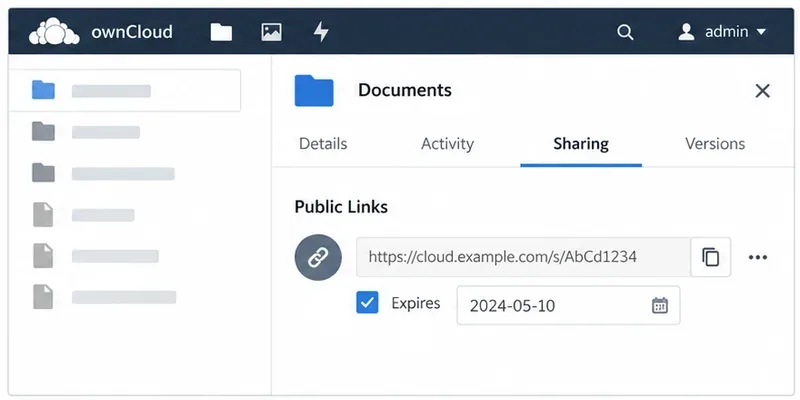
Make public link expiration mandatory in ownCloud Classic, set a maximum lifetime, and check existing shares that may need separate cleanup.
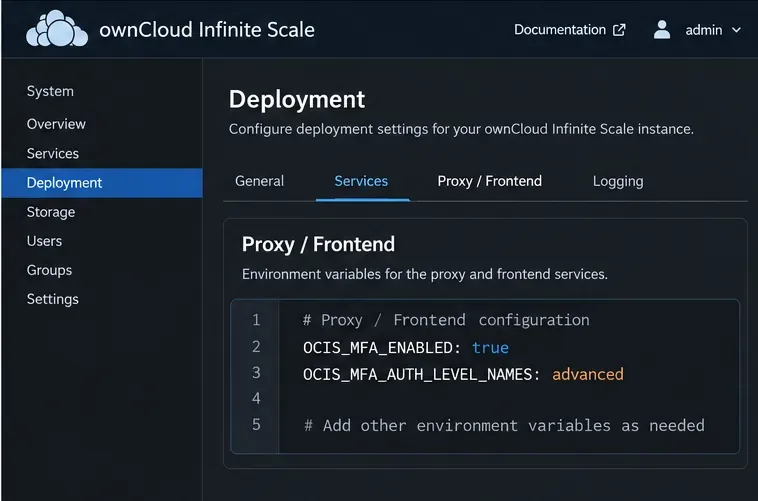
Enable TOTP through Keycloak, enroll users safely, and understand when Infinite Scale’s route-level MFA settings apply.
Check whether the issue is an OC10 and 7.x compatibility break or a damaged CSync journal, then apply the right fix without deleting synced files.
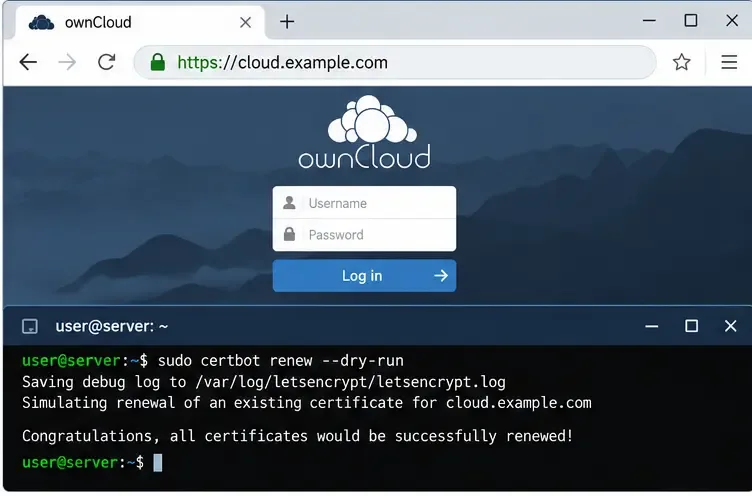
Choose HTTP-01 or DNS-01, configure an ownCloud reverse proxy, and verify Certbot renews HTTPS certificates automatically.
Configure oCIS LDAP sign-in, align user and group lookups, and verify TLS and schema settings before rollout.
Add an Amazon S3 bucket to ownCloud 10, prepare compatible credentials and endpoints, and check access without confusing a mount with primary storage.