Install and Sign Custom Kernel Modules on SLES 15 Secure Boot

Load a custom SLES 15 kernel module without disabling Secure Boot. Match the running kernel, sign the .ko file, enroll a MOK key, and verify loading.
By default, tables in Excel are named Table 1, Table2, Table 3,... but if you keep the names like this, it will be difficult to adjust and process the table. Therefore, users should change these fixed labels and name the Excel table, according to the instructions below.
How to name a table in Excel
Step 1:
First you enter the data as usual, then click on any cell in the table and click Format As Table and choose the design that suits the data table.
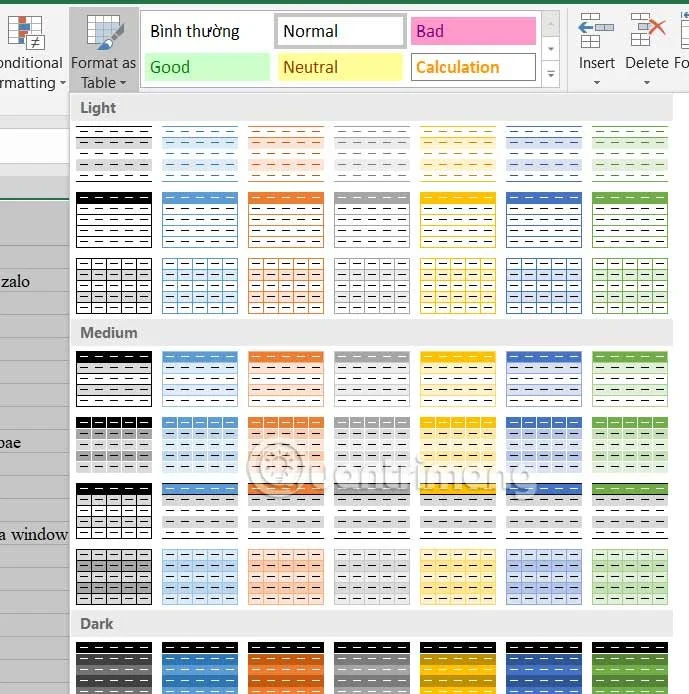
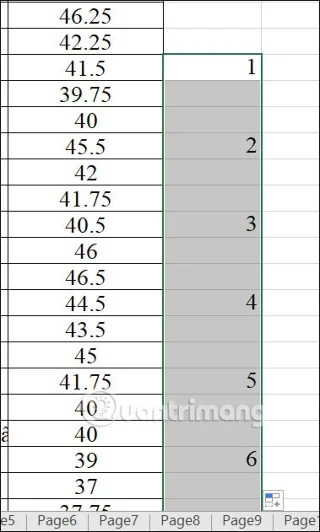
You select the data area you want to draw a table and then click OK to execute.
Step 2:
Continue clicking on the table and then click on Design and look down at the Properties group, you will see the Table Name item . Enter a new name for the table in this box.
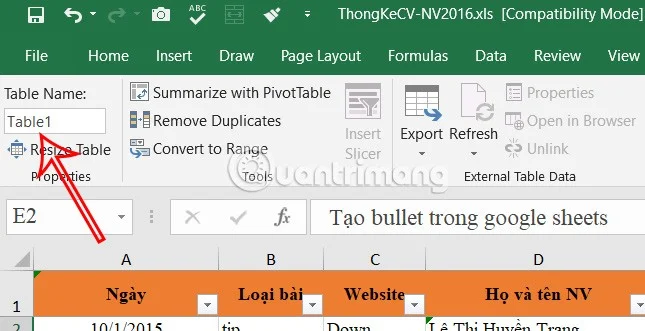
If you want to rename the table later, select any cell in the table, click the Design tab, and then re-enter a different name for the Table Name.
Or you click on the Formulas tab and then click on Name Manager to manage.
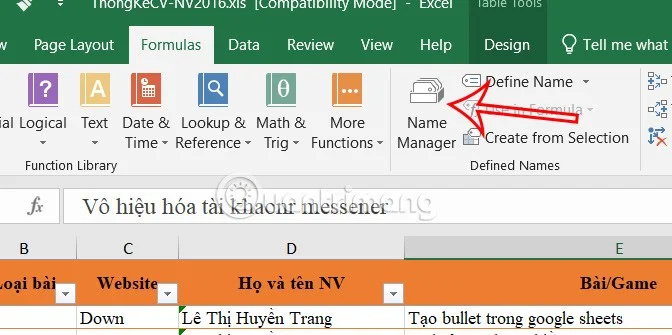
Now you will see the names of the data tables, click on the named table and click Edit below.
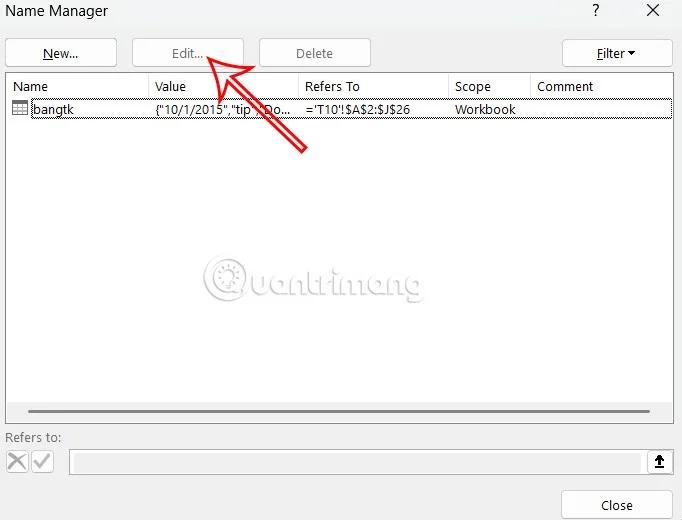
Finally, you enter a new name for the table.
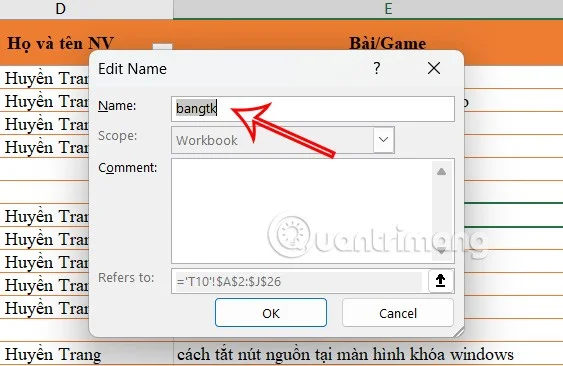
Rules for naming tables in Excel
Load a custom SLES 15 kernel module without disabling Secure Boot. Match the running kernel, sign the .ko file, enroll a MOK key, and verify loading.
SLES 15 SP5 can migrate online to SP6, but each node must reboot. Use a tested rolling upgrade or blue-green cutover to keep workloads reachable.
Use SUSE’s supported STIG profile to scan SLES 15, test remediation, review remaining findings, and retain assessment evidence.
Trace a failed Cockpit connection through DNS, port 9090, the systemd socket, firewalld, TLS, and login settings using current SUSE guidance.
Create a redundant Ethernet connection on SLES 15 with YaST and Wicked, configure active-backup bonding, and verify both ports and failover.
Turn an existing SLES 15 system into a reviewed AutoYaST profile, validate it, and use it to deploy a test server with fewer manual steps.
Install the SLES 15 KVM and libvirt tools, enable the right host service, and configure selected virtual machines to start after a reboot.
Use systemd jobs and the previous boot journal to locate a slow service, mount, or storage dependency, then correct it without masking the cause.
Use firewall-cmd to inspect the active zone, allow HTTP safely, preserve SSH access, and verify that the rule survives a reload on SLES 15.
Trace a PAM failure to its service, account policy, or identity provider, then repair the right SLES configuration while preserving a working admin session.








